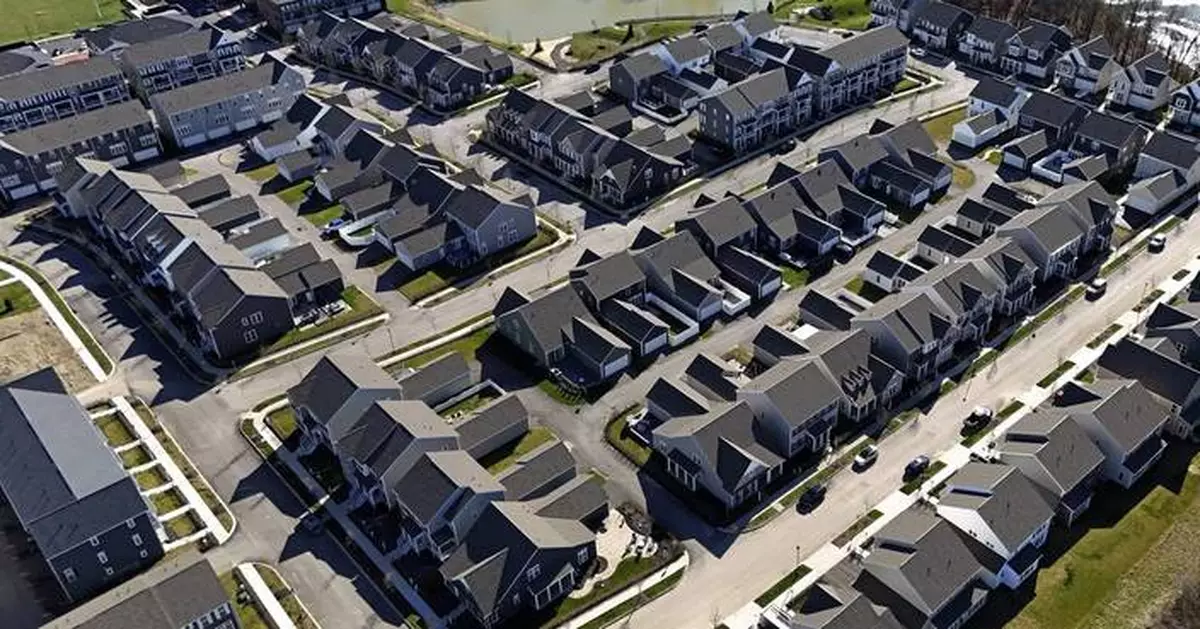
Sales of previously occupied U.S. homes slowed in March, a lackluster start to the spring homebuying season as elevated mortgage rates and rising prices discouraged home shoppers.
Existing home sales fell 5.9% last month from February to a seasonally adjusted annual rate of 4.02 million units, the National Association of Realtors said Thursday. The March sales decline is the largest monthly drop since November 2022, when sales fell 6.7% from the previous month, and marks the slowest sales pace for the month of March going back to 2009.
Sales also fell 2.4% compared with March last year. The latest home sales fell short of the 4.12 million pace economists were expecting, according to FactSet.
The average cost of a U.S. mortgage, which climbed to its highest level in two months last week, is a significant barrier for would-be homebuyers, said Lawrence Yun, NAR’s chief economist.
“Residential housing mobility, currently at historical lows, signals the troublesome possibility of less economic mobility for society,” Yun said.
Home prices increased on an annual basis for the 21st consecutive month, although at a slower rate. The national median sales price rose 2.7% in March from a year earlier to $403,700, an all-time high for March, but the smallest annual increase since August.
The U.S. housing market has been in a sales slump since 2022, when mortgage rates began to climb from pandemic-era lows. Sales of previously occupied U.S. homes fell last year to their lowest level in nearly 30 years.
Higher mortgage rates also dampened the start of the spring homebuying season in 2024. This year, after climbing to a just above 7% in mid-January, the average rate on a 30-year mortgage has remained mostly elevated, climbing last week to 6.83%, its highest level in eight weeks, according to mortgage buyer Freddie Mac. The average rate eased this week to 6.81%.
Homes purchased last month likely went under contract in February and early March, when the average rate on a 30-year mortgage ranged from 6.89% to 6.63%, according to Freddie Mac.
While sales of existing home fell last month, sales of newly built homes surged in March. They jumped 7.4% from February and 6% from March last year, the Commerce Department reported Wednesday.
To drum up sales, homebuilders have ramped up sales incentives, such as paying to lower the initial rate on a homebuyer's mortgage. Many builders have also shifted to their focus to smaller, less expensive homes. That helped lower the median sale price on a newly built home last month to $403,600.
In contrast, existing home sales tend to be driven by properties on the upper-end of the market, where more affluent homebuyers can afford to finance a home at current mortgage rates or perhaps pay cash. Consider, sales of homes priced at $1 million or higher jumped 14% last month from a year earlier, while those priced between $100,000 and $250,000 fell 4%, NAR said. The trend helps push up the median sales price for existing homes.
“Usually, the median home price for newly constructed homes would carry about a 15%-20% premium over existing homes,” Yun noted.
Sales fell in March even as more homes hit the market for the spring homebuying season.
There were 1.33 million unsold homes at the end of last month, an 8.1% increase from February, and a 19.8% jump from March last year, NAR said.
That translates to a 4-month supply at the current sales pace, up from a 3.2-month pace at the end of March last year. Traditionally, a 5- to 6-month supply is considered a balanced market between buyers and sellers.
“I felt that more inventory would lead to more sales, but that’s not the case,” Yun said.
One reason the inventory of homes for sale has been rising is that properties are taking longer to sell. Homes typically remained on the market for 36 days last month before selling, up from 33 days in March last year, NAR said.
More homes for sale and lower asking prices in many metro areas from Miami to San Diego, translate to a more buyer-friendly market for home shoppers who can afford to buy.
Sellers gave buyers money toward repairs, closing costs and other concessions in 44.4% of U.S. home sales that occurred in the first quarter, according to data from Redfin. That was up from 39.3% a year earlier.
Many sellers are also lowering asking prices. More than 23% of home listings on Zillow had their price lowered in March, the highest share for any March since at least 2018.
Despite these buyer-friendly trends, the housing market remains largely out of reach for many Americans, especially first-time buyers who don’t have home equity gains to put toward a new home. While home price growth has been slowing, the decline is negligible against the nearly 50% gain in prices over the last five years.
“Uncertainty and anxiety are going to cloud the spring housing market this year,” said Lisa Sturtevant, chief economist at Bright MLS. “Lower mortgage rates and more inventory were expected to bring more home shoppers out this spring, but while some buyers will take advantage of more listings and more room for negotiation, others will hold back, unwilling to make a big decision in these current uneasy times.”
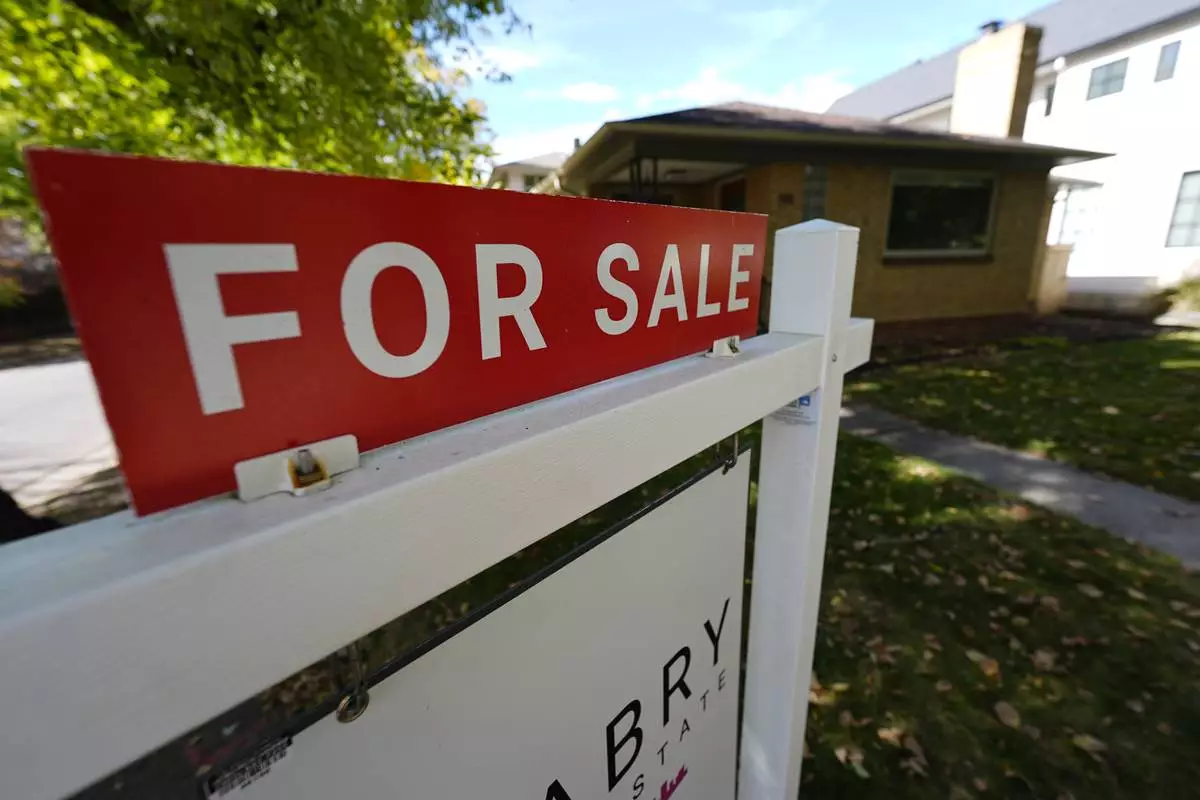
FILE - A sale sign stands outside a home on the market Thursday, Oct. 17, 2024, in the east Washington Park neighborhood of Denver. (AP Photo/David Zalubowski, File)
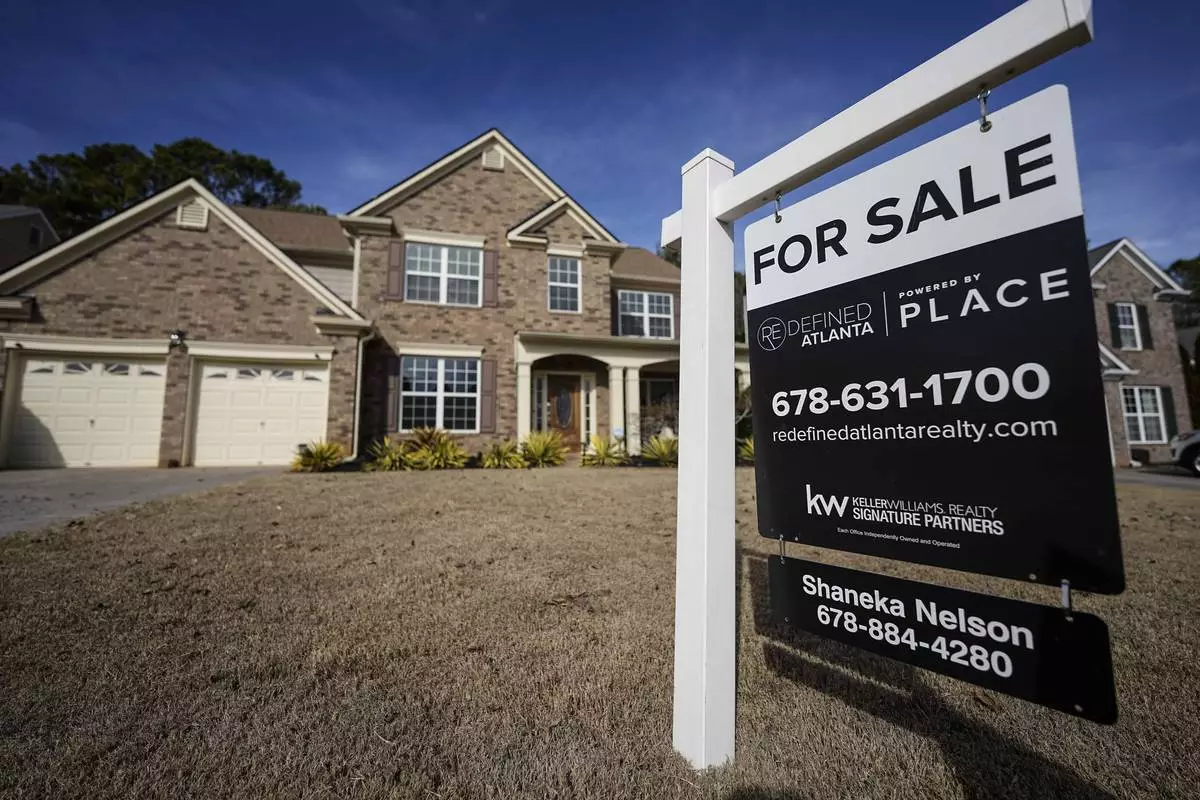
FILE - A sign announcing a home for sale is posted outside a home, Thursday, Feb. 1, 2024, in Aceworth, Ga., near Atlanta. (AP Photo/Mike Stewart, File)
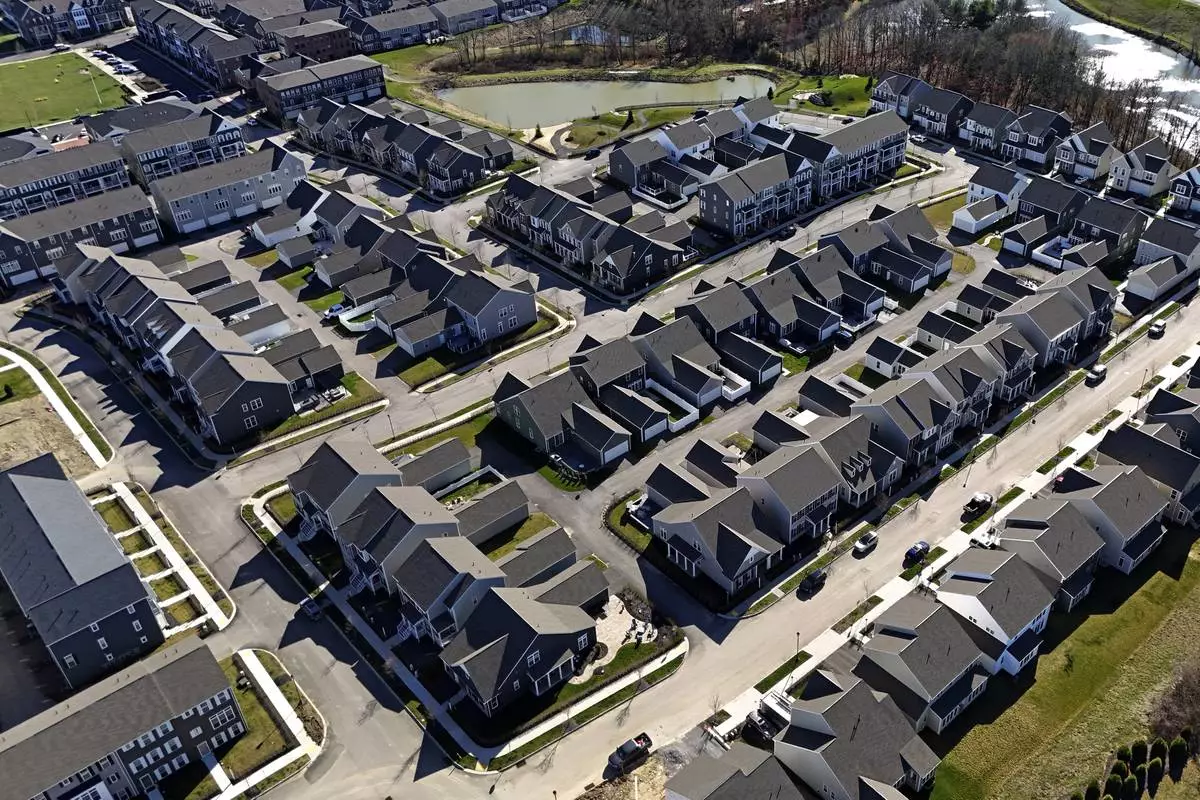
FILE - A housing development in Cranberry Township, Pa., is shown on March 29, 2024. (AP Photo/Gene J. Puskar, File)