DUBAI, United Arab Emirates (AP) — The death toll from nationwide protests in Iran has surpassed 2,500, activists said, as Iranians made phone calls abroad for the first time in days Tuesday after authorities severed communications during a crackdown on demonstrators.
The number of dead climbed to at least 2,571 early Wednesday, as reported by the U.S.-based Human Rights Activists News Agency. That figure dwarfs the death toll from any other round of protest or unrest in Iran in decades and recalls the chaos surrounding the country's 1979 Islamic Revolution.
Click to Gallery
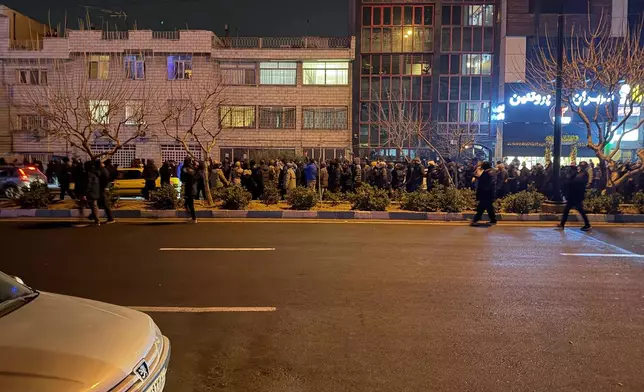
In this photo obtained by The Associated Press, Iranians attend an anti-government protest in Tehran, Iran, Thursday, Jan. 8, 2026.(UGC via AP)
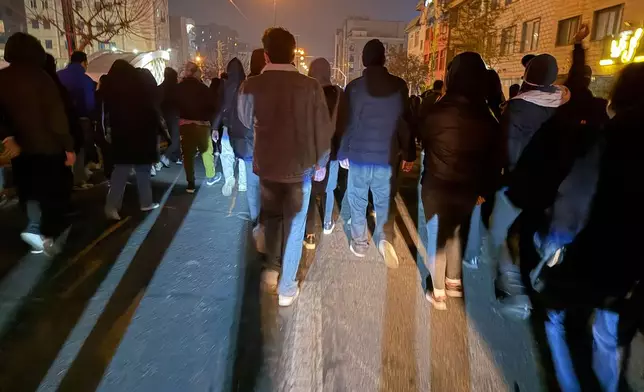
In this photo obtained by The Associated Press, Iranians attend an anti-government protest in Tehran, Iran, Thursday, Jan. 8, 2026. (UGC via AP)
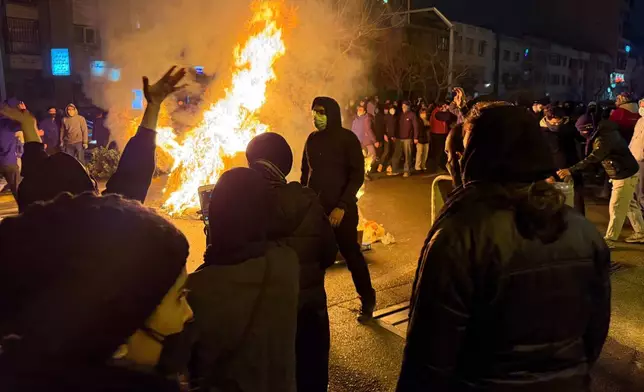
In this photo obtained by The Associated Press, Iranians attend an anti-government protest in Tehran, Iran, Friday, Jan. 9, 2026. (UGC via AP)
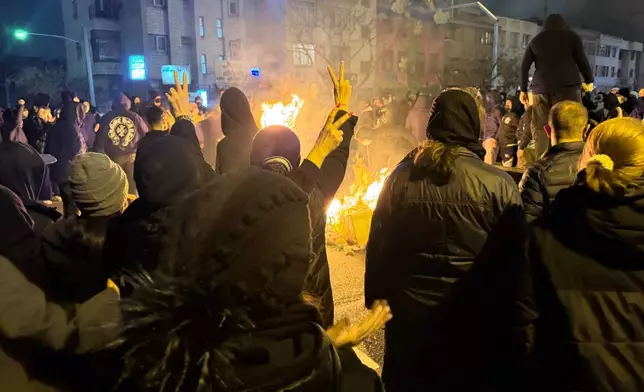
Iranians attend an anti-government protest in Tehran, Iran, Friday, Jan. 9, 2026. (AP Photo)
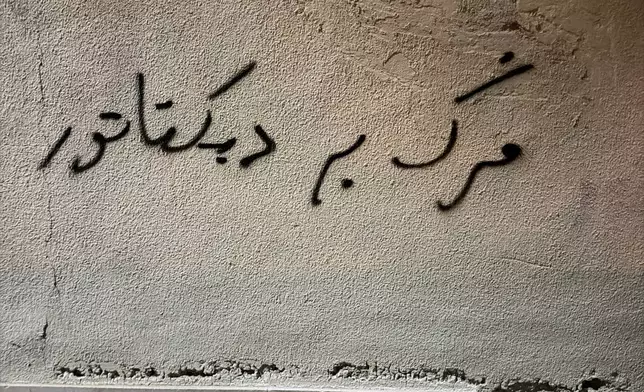
A slogan is written on a wall reading in Farsi: "Death to dictator" in an anti-government protest in Tehran, Iran, Saturday, Jan. 10, 2026. (AP Photo)
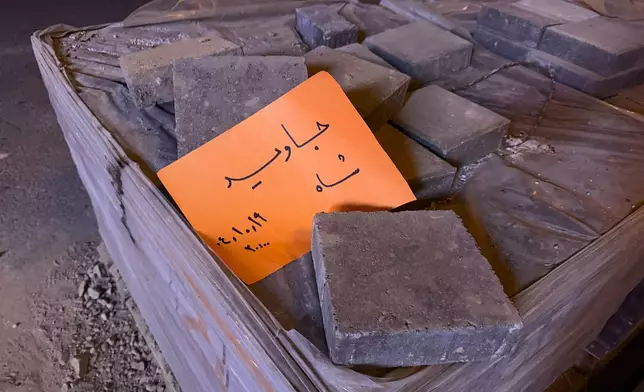
A placard is placed on bricks which reads in Farsi: "Long live the Shah," referring to the Pahlavi dynasty which was toppled by 1979 Islamic Revolution, in an anti-government protest in Tehran, Iran, Friday, Jan. 9, 2026. (AP Photo)
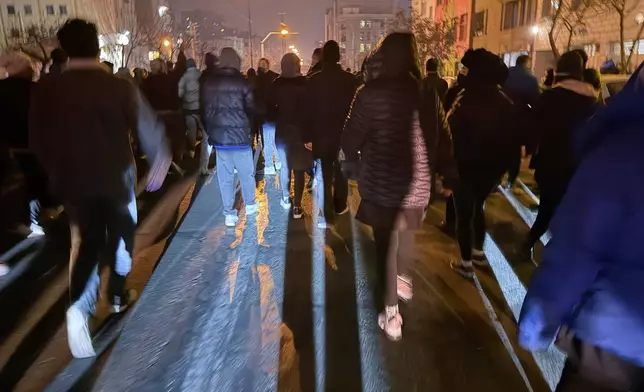
Iranians attend an anti-government protest in Tehran, Iran, Thursday, Jan. 8, 2026. (AP Photo)
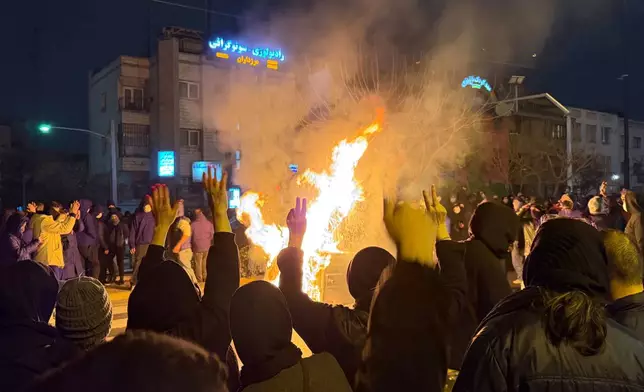
Iranians attend an anti-government protest in Tehran, Iran, Friday, Jan. 9, 2026. (AP Photo)
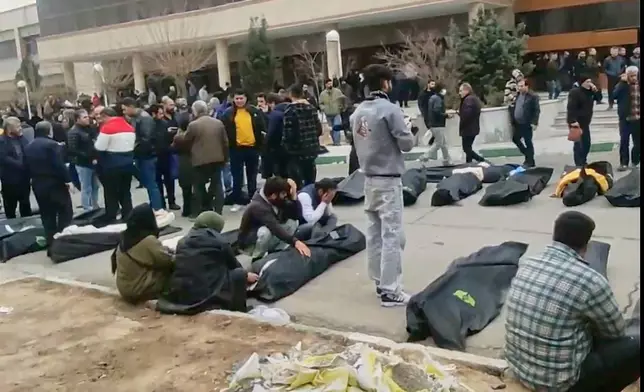
This frame grab from videos taken between Jan. 9 and Jan. 11, 2026, and circulating on social media purportedly shows images from a morgue with dozens of bodies and mourners after crackdown on the outskirts of Iran's capital, in Kahrizak, Tehran Province. (UGC via AP)
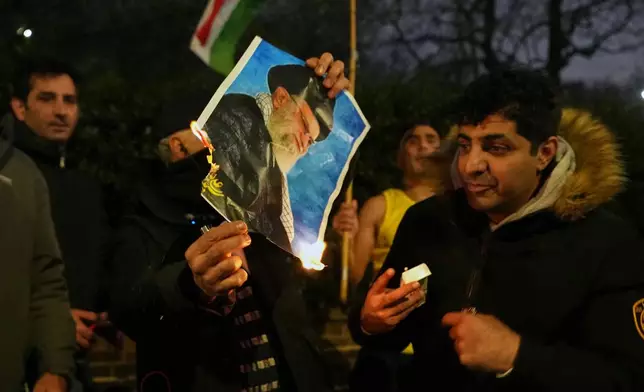
A picture of Ayatollah Ali Khamenei is set alight by protesters outside the Iranian Embassy in London, Monday, Jan. 12, 2026. (AP Photo/Alastair Grant)
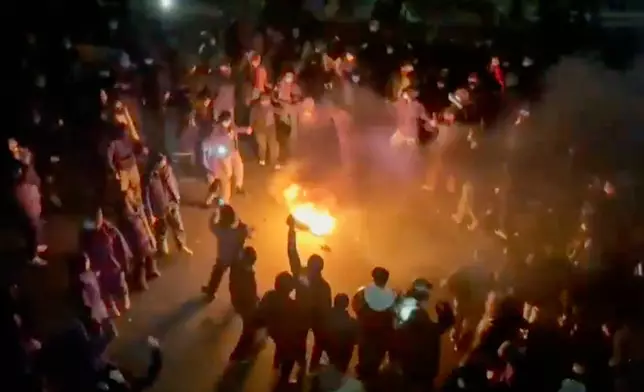
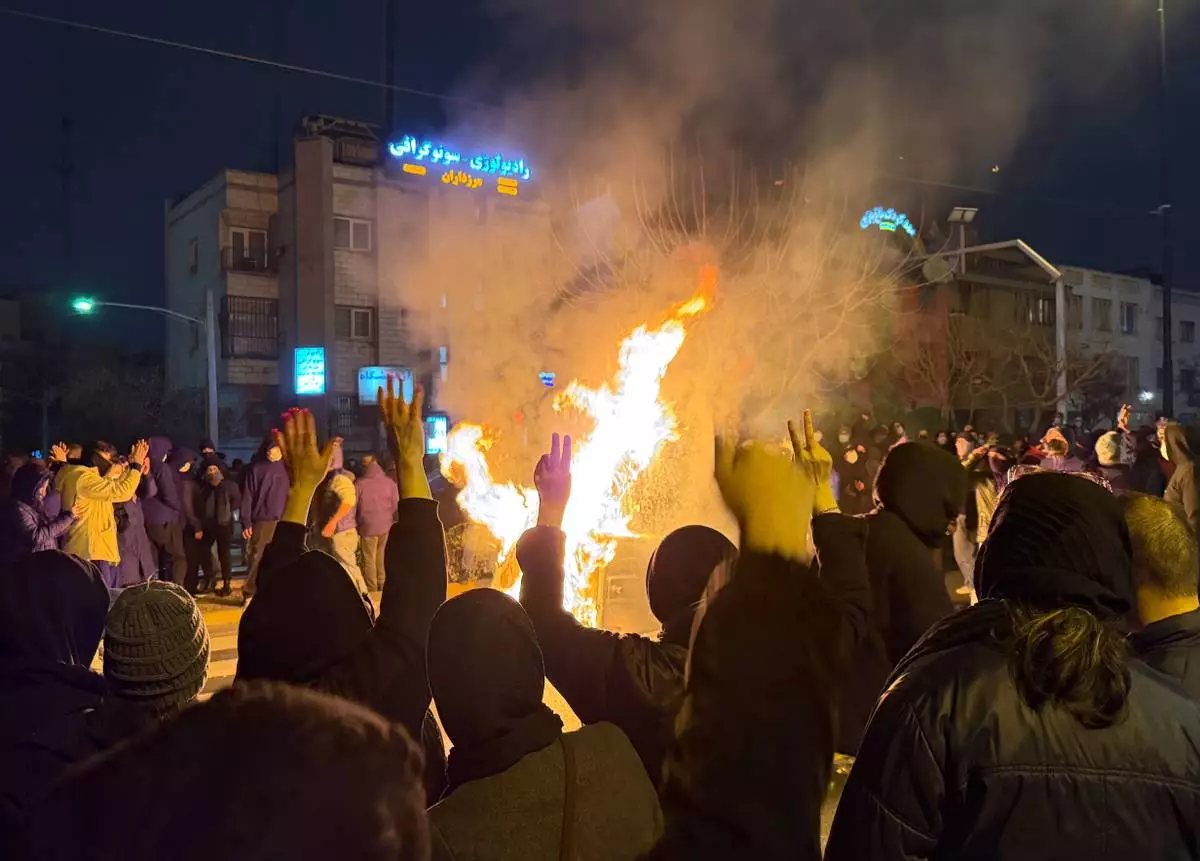
In this frame grab from footage circulating on social media shows protesters dancing and cheering around a bonfire as they take to the streets despite an intensifying crackdown as the Islamic Republic remains cut off from the rest of the world, in Tehran, Iran, Friday, Jan. 9, 2026.(UGC via AP)
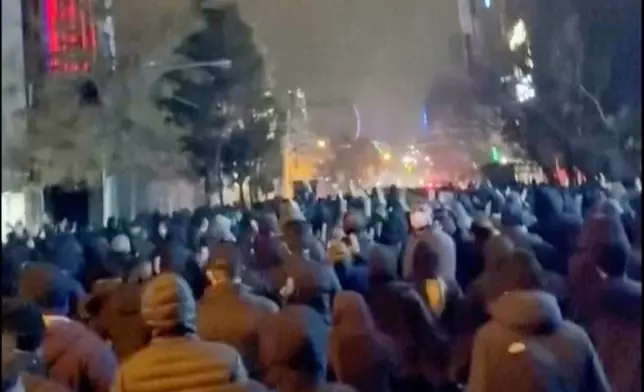
In this frame grab from footage circulating on social media from Iran showed protesters once again taking to the streets of Tehran despite an intensifying crackdown as the Islamic Republic remains cut off from the rest of the world in Tehran, Iran, Saturday Jan. 10, 2026. (UGC via AP)
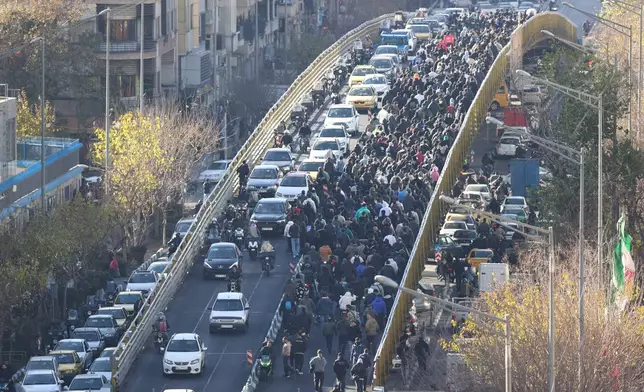
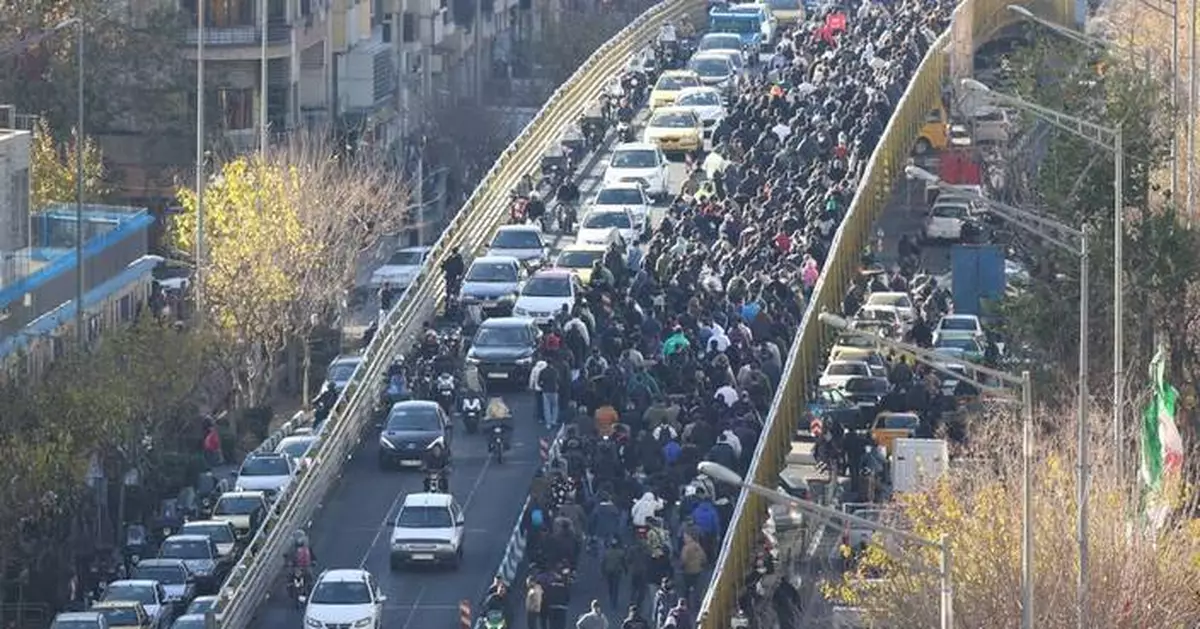
FILE - Protesters march on a bridge in Tehran, Iran, on Dec. 29, 2025. (Fars News Agency via AP, File)
Iranian state television offered the first official acknowledgment of the deaths, quoting an official saying the country had “a lot of martyrs.”
The demonstrations began in late December in anger over Iran’s ailing economy and soon targeted the theocracy, particularly 86-year-old Supreme Leader Ayatollah Ali Khamenei. Images obtained Tuesday by The Associated Press from demonstrations in Tehran showed graffiti and chants calling for Khamenei's death — something that could carry a death sentence.
As the reported toll grew Tuesday, U.S. President Donald Trump wrote on his Truth Social platform: “Iranian Patriots, KEEP PROTESTING - TAKE OVER YOUR INSTITUTIONS!!!”
He added: “I have canceled all meetings with Iranian Officials until the senseless killing of protesters STOPS. HELP IS ON ITS WAY.”
However, hours later, Trump told reporters that his administration was awaiting an accurate report on the number of protesters that had been killed before acting “accordingly.”
Trump said about the Iranian security forces: “It would seem to me that they have been badly misbehaving, but that is not confirmed.”
Iranian officials once again warned Trump against taking action, with Ali Larijani, secretary of Iran’s Supreme National Security Council, responding to U.S. posturing by writing: “We declare the names of the main killers of the people of Iran: 1- Trump 2-” Israeli Prime Minister Benjamin Netanyahu.
The activist group said 2,403 of the dead were protesters and 147 were government-affiliated. Twelve children were killed, along with nine civilians it said were not taking part in protests. More than 18,100 people have been detained, the group said.
Gauging the demonstrations from abroad has grown more difficult, and the AP has been unable to independently assess the toll.
Skylar Thompson with the Human Rights Activists News Agency told AP the new toll was shocking, particularly since it reached four times the death toll of the monthslong 2022 Mahsa Amini protests in just two weeks.
She warned that the toll would still rise: “We’re horrified, but we still think the number is conservative."
Speaking by phone for the first time since their calls were cut off from the outside world, Iranian witnesses described a heavy security presence in central Tehran, burned-out government buildings, smashed ATMs and few passersby. Meanwhile, people were concerned about what comes next, including the possibility of a U.S. attack.
“My customers talk about Trump’s reaction while wondering if he plans a military strike against the Islamic Republic,” said shopkeeper Mahmoud, who gave only his first name out of concern for his safety. “I don’t expect Trump or any other foreign country cares about the interests of Iranians.”
Reza, a taxi driver who also gave just his first name, said protests are on many people's minds. “People — particularly young ones — are hopeless, but they talk about continuing the protests,” he said.
Several people in Tehran were able to call the AP on Tuesday and speak to a journalist. The AP bureau in Dubai, United Arab Emirates, was unable to call those numbers back. Witnesses said text messaging was still down, and internet users in Iran could connect to government-approved websites locally but nothing abroad.
The witnesses, who spoke on condition of anonymity for fear of reprisal, said police stood at major intersections and security officials in plainclothes were visible in public spaces. Anti-riot police officers wore helmets and body armor while carrying batons, shields, shotguns and tear gas launchers, they said.
Several banks and government offices were burned during the unrest, the witnesses said. Shops were open Tuesday, though there was little foot traffic in the capital.
On the streets, people also could be seen challenging plainclothes security officials, who were stopping passersby at random.
State television also read a statement about mortuary and morgue services being free — a signal that some likely charged high fees for the release of bodies during the crackdown.
Security service personnel also apparently were searching for Starlink satellite internet terminals, as people in northern Tehran reported authorities raiding apartment buildings with satellite dishes. While satellite television dishes are illegal, many in the capital have them in homes, and officials broadly had given up on enforcing the law in recent years.
Activists said Wednesday that Starlink was offering free service in Iran.
“We can confirm that the free subscription for Starlink terminals is fully functional,” Mehdi Yahyanejad, a Los Angeles-based activist who has helped get the units into Iran, told The Associated Press in a statement. “We tested it using a newly activated Starlink terminal inside Iran.”
Starlink itself did not immediately acknowledge the decision.
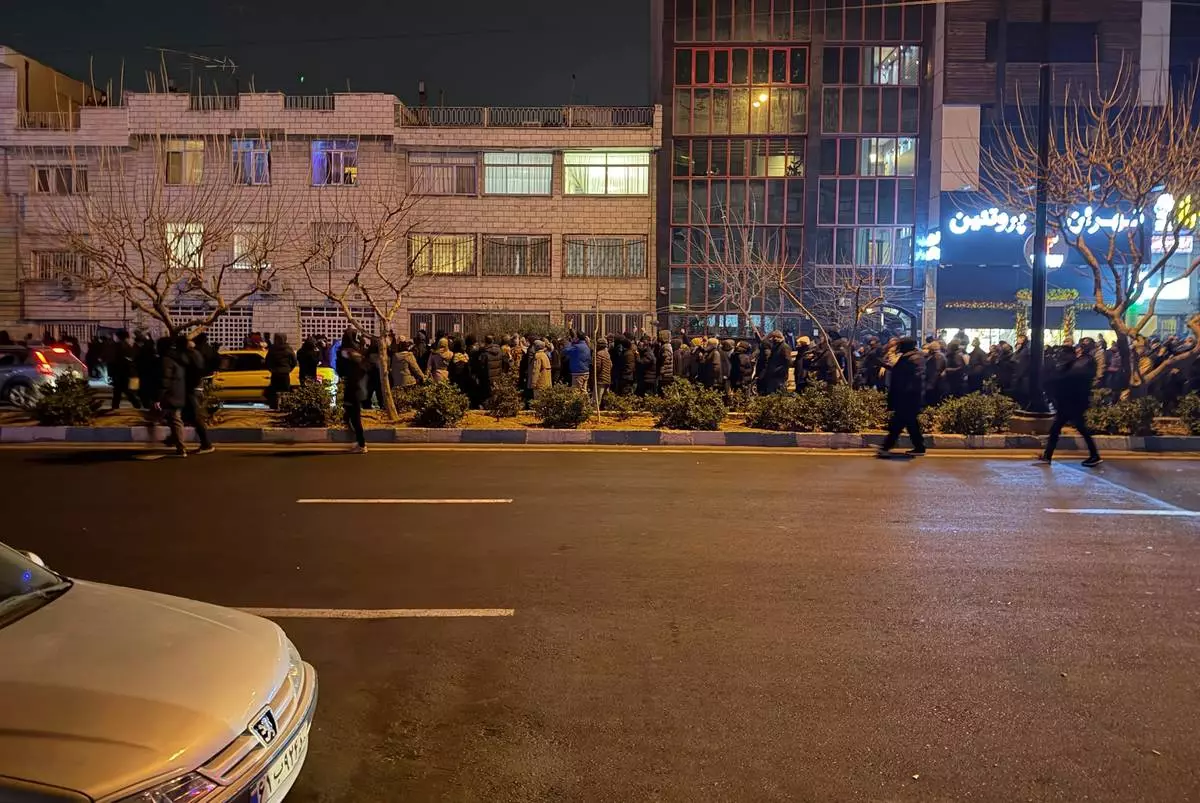
In this photo obtained by The Associated Press, Iranians attend an anti-government protest in Tehran, Iran, Thursday, Jan. 8, 2026.(UGC via AP)
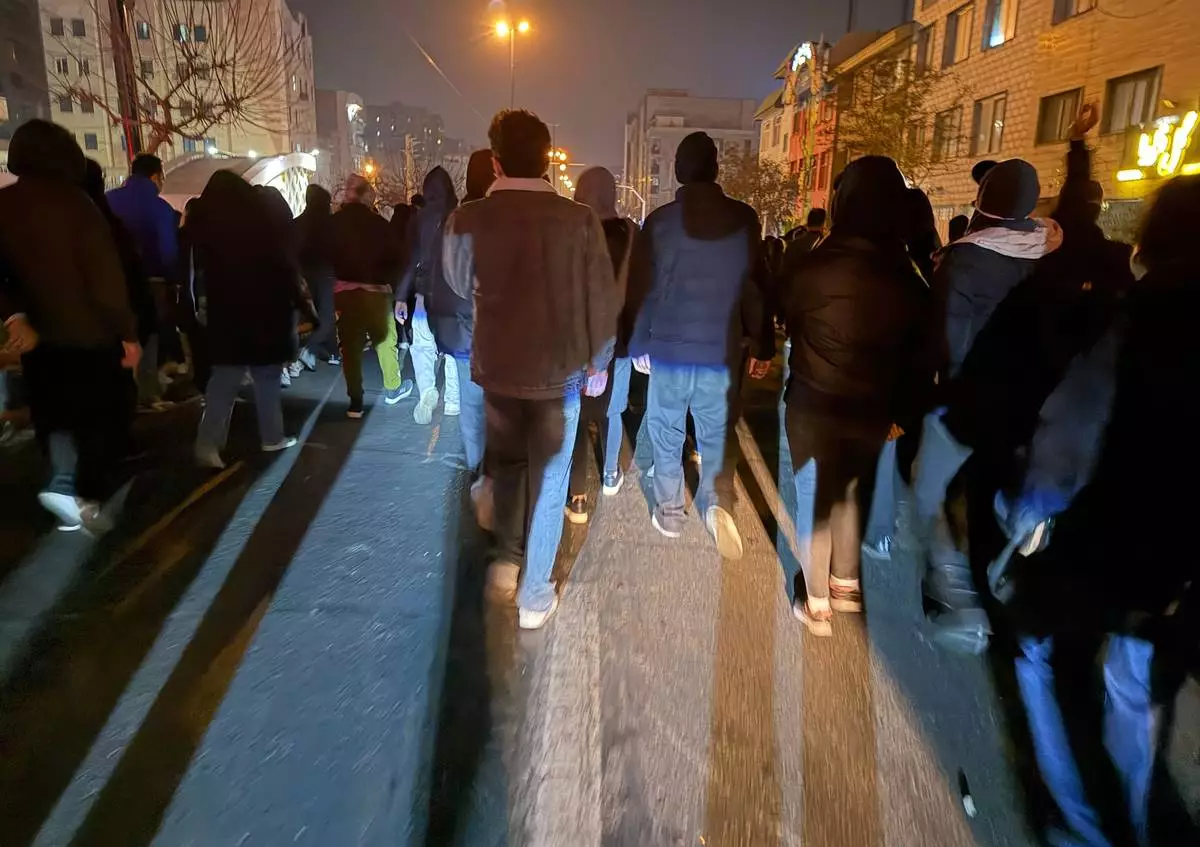
In this photo obtained by The Associated Press, Iranians attend an anti-government protest in Tehran, Iran, Thursday, Jan. 8, 2026. (UGC via AP)
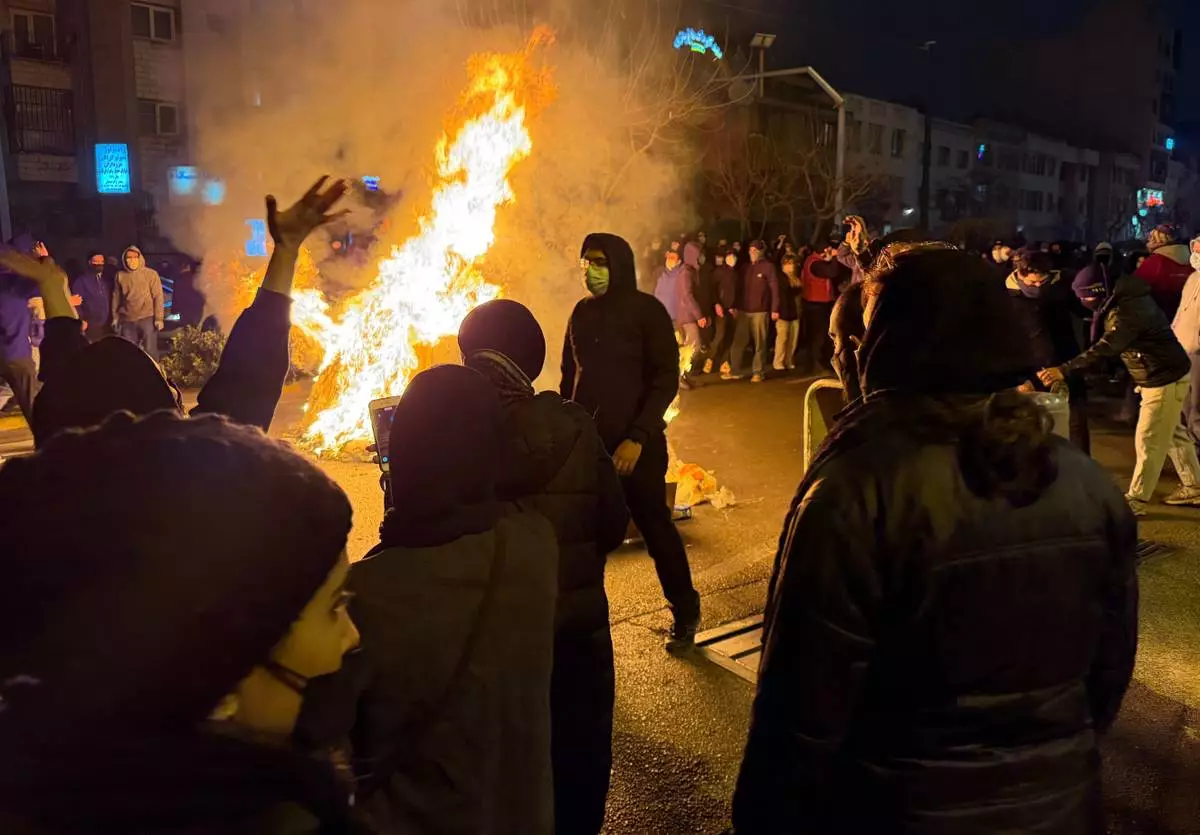
In this photo obtained by The Associated Press, Iranians attend an anti-government protest in Tehran, Iran, Friday, Jan. 9, 2026. (UGC via AP)
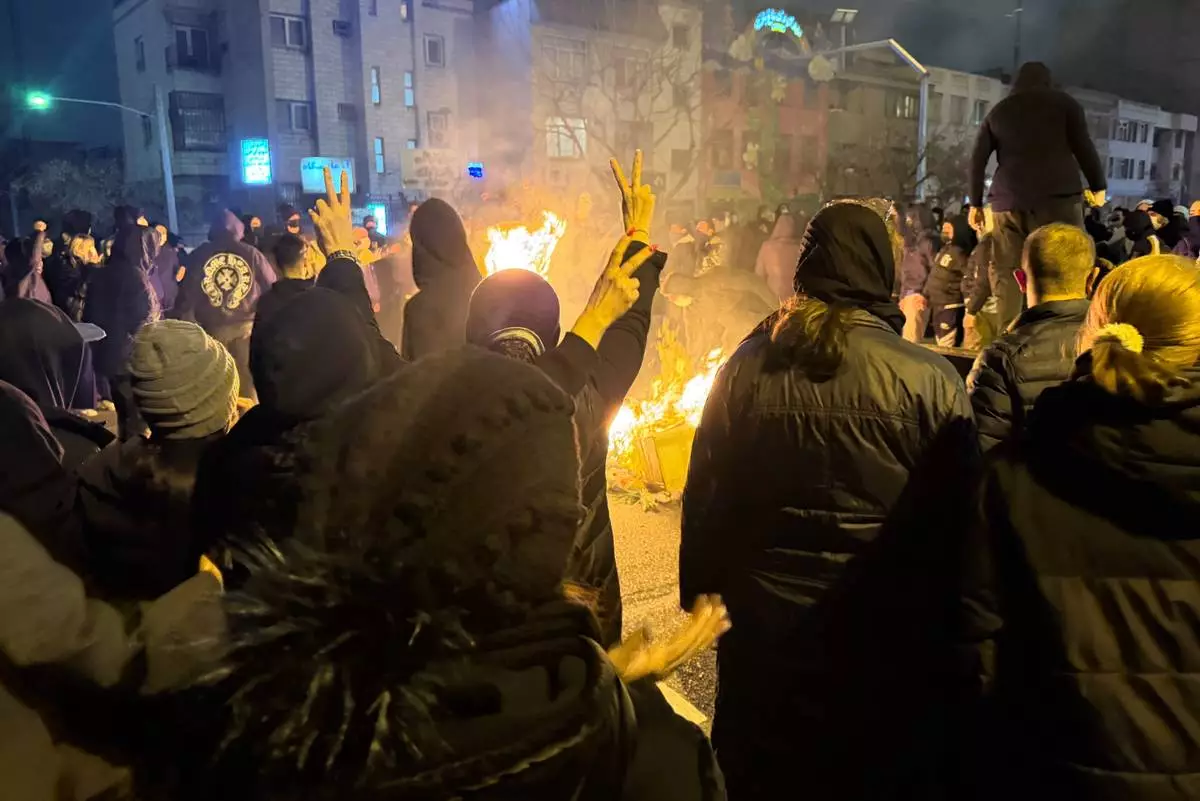
Iranians attend an anti-government protest in Tehran, Iran, Friday, Jan. 9, 2026. (AP Photo)
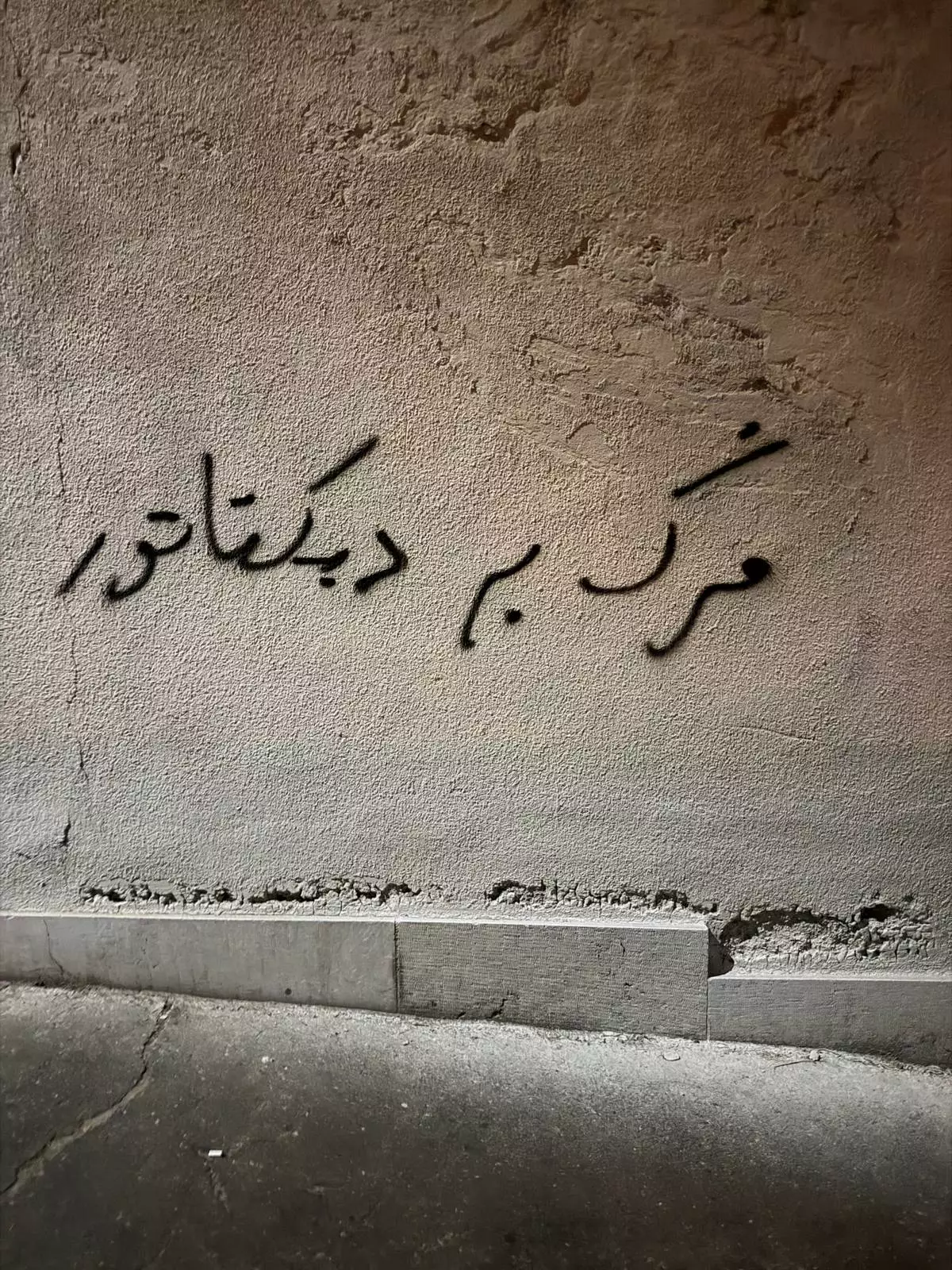
A slogan is written on a wall reading in Farsi: "Death to dictator" in an anti-government protest in Tehran, Iran, Saturday, Jan. 10, 2026. (AP Photo)
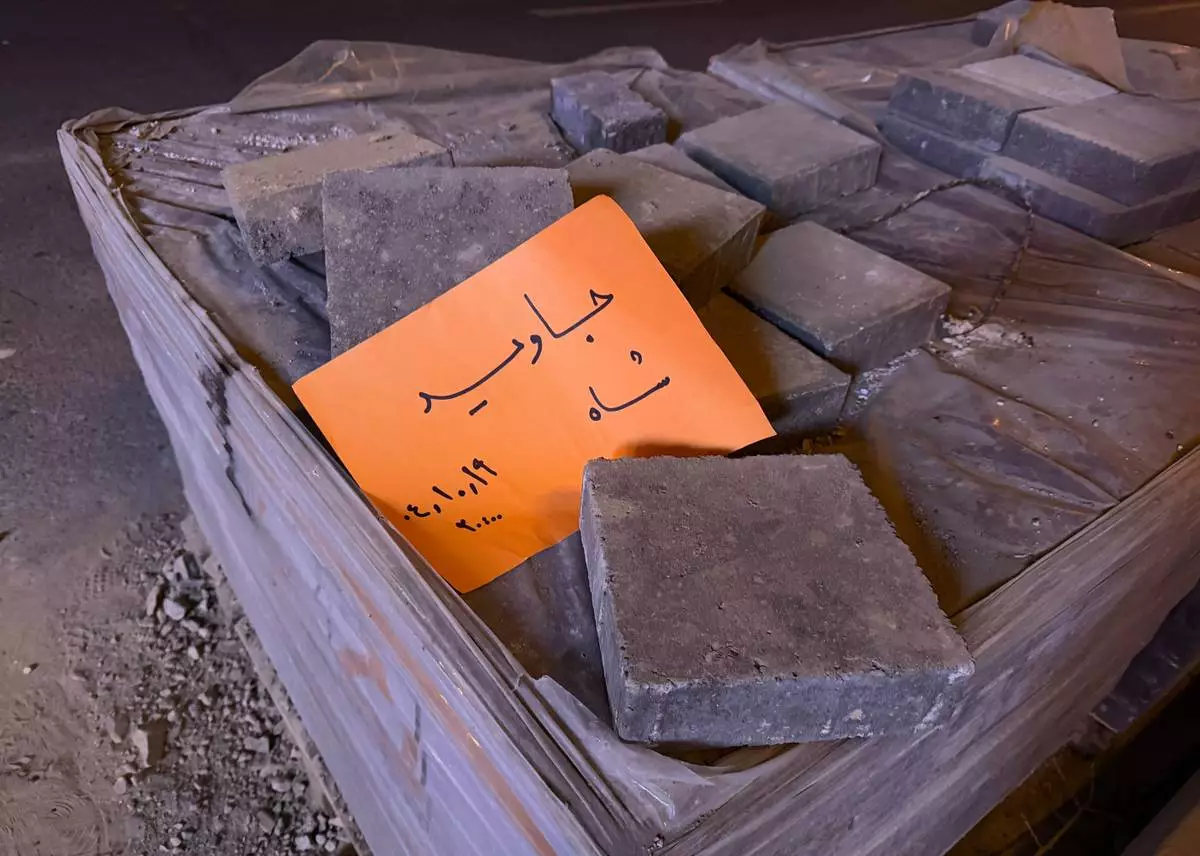
A placard is placed on bricks which reads in Farsi: "Long live the Shah," referring to the Pahlavi dynasty which was toppled by 1979 Islamic Revolution, in an anti-government protest in Tehran, Iran, Friday, Jan. 9, 2026. (AP Photo)
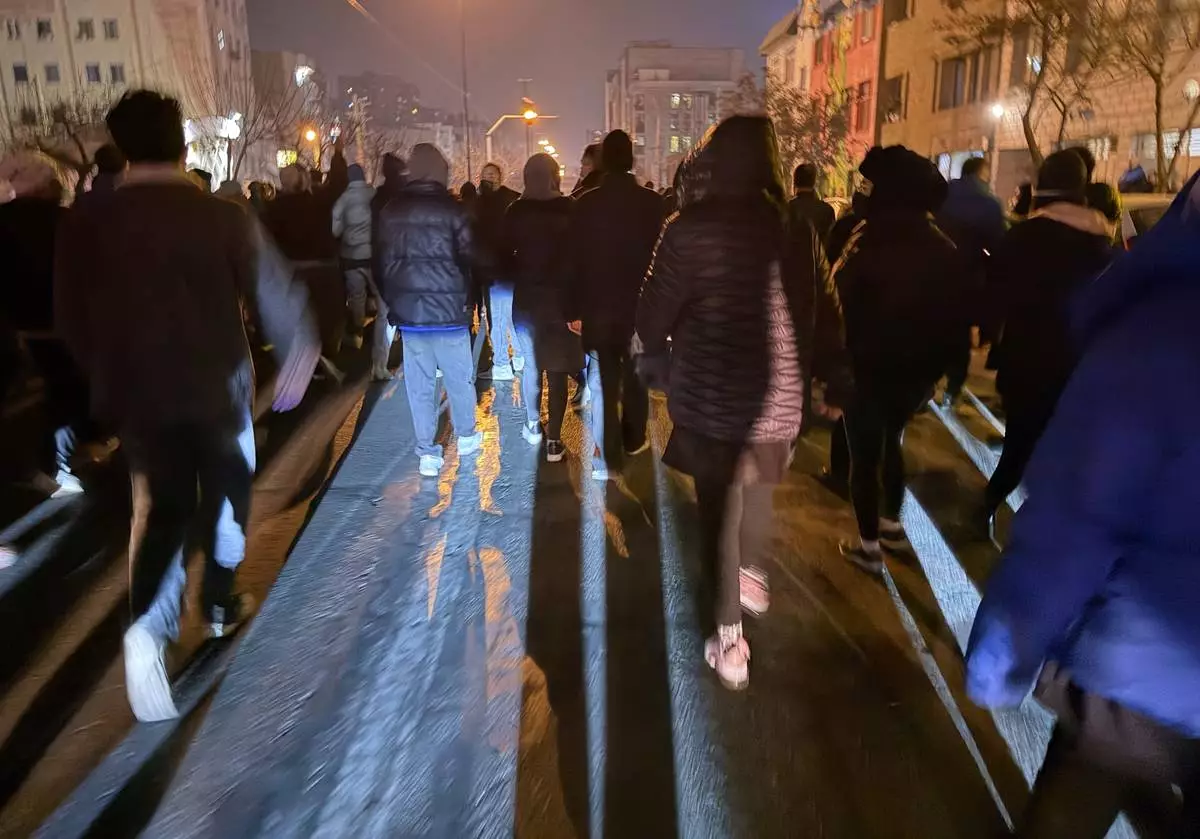
Iranians attend an anti-government protest in Tehran, Iran, Thursday, Jan. 8, 2026. (AP Photo)
Iranians attend an anti-government protest in Tehran, Iran, Friday, Jan. 9, 2026. (AP Photo)
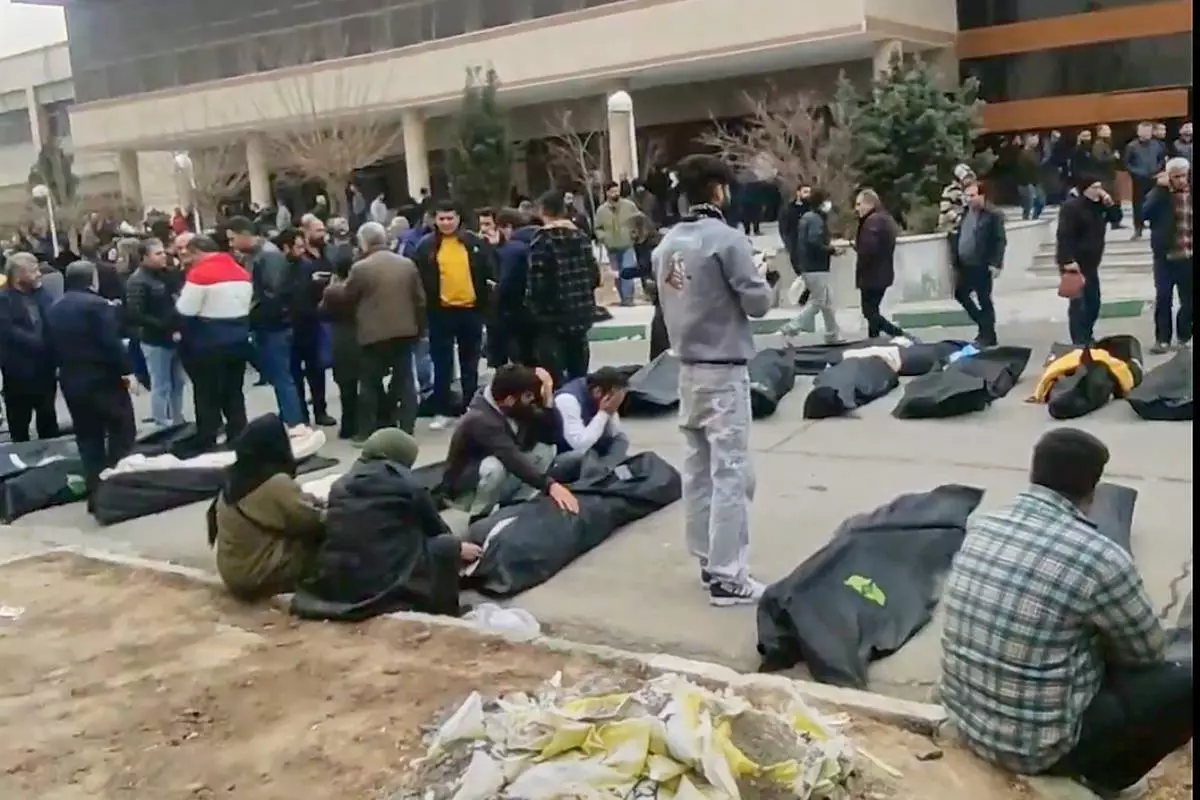
This frame grab from videos taken between Jan. 9 and Jan. 11, 2026, and circulating on social media purportedly shows images from a morgue with dozens of bodies and mourners after crackdown on the outskirts of Iran's capital, in Kahrizak, Tehran Province. (UGC via AP)
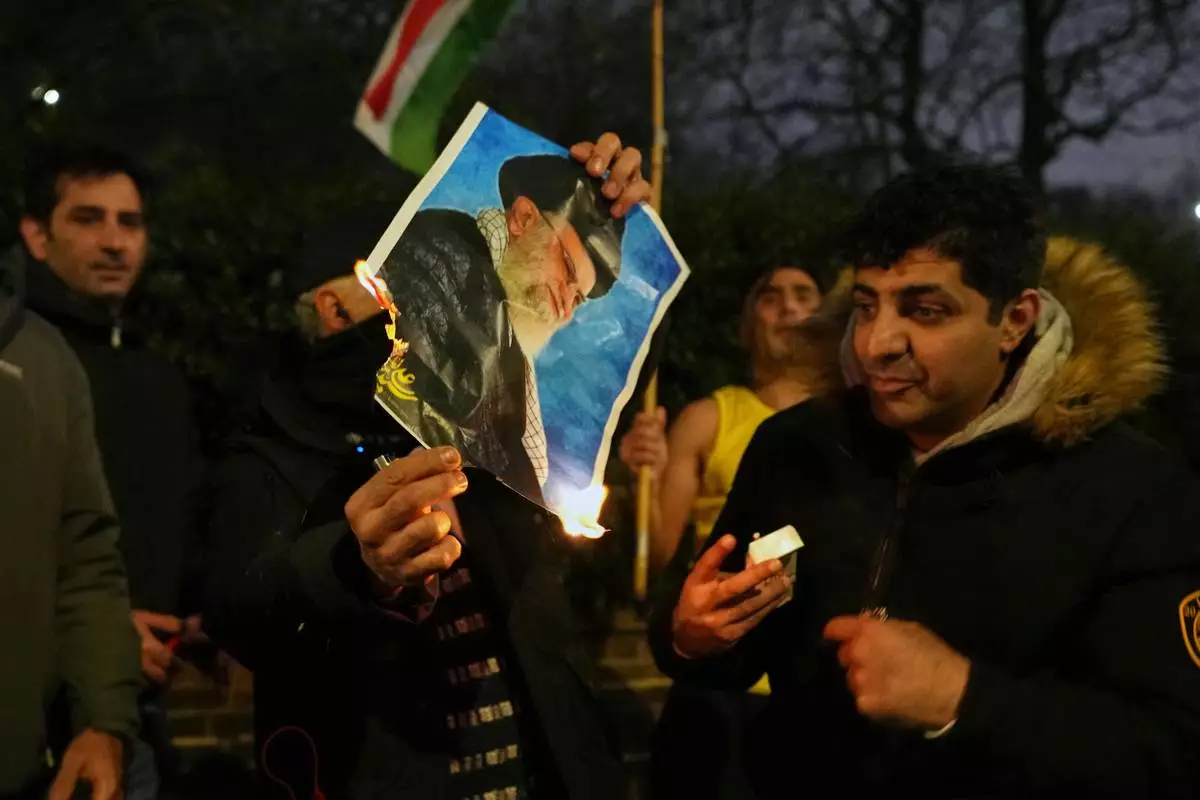
A picture of Ayatollah Ali Khamenei is set alight by protesters outside the Iranian Embassy in London, Monday, Jan. 12, 2026. (AP Photo/Alastair Grant)
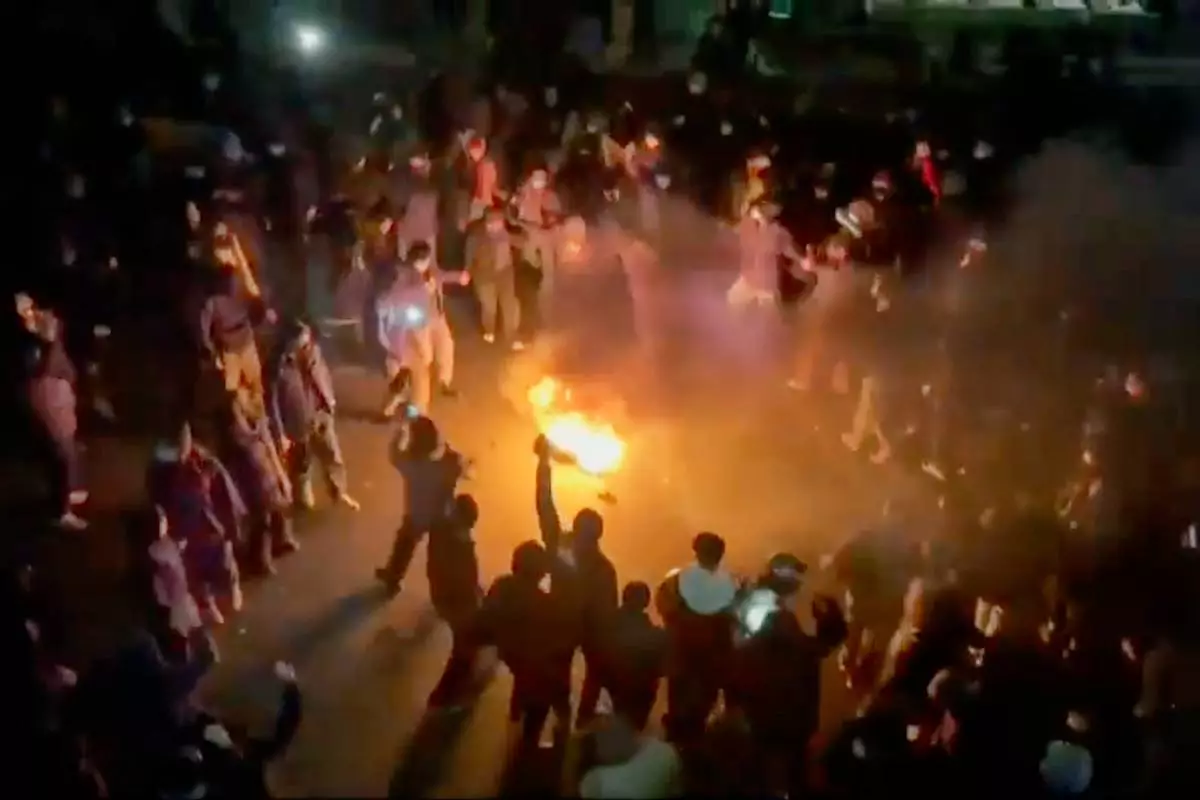
In this frame grab from footage circulating on social media shows protesters dancing and cheering around a bonfire as they take to the streets despite an intensifying crackdown as the Islamic Republic remains cut off from the rest of the world, in Tehran, Iran, Friday, Jan. 9, 2026.(UGC via AP)
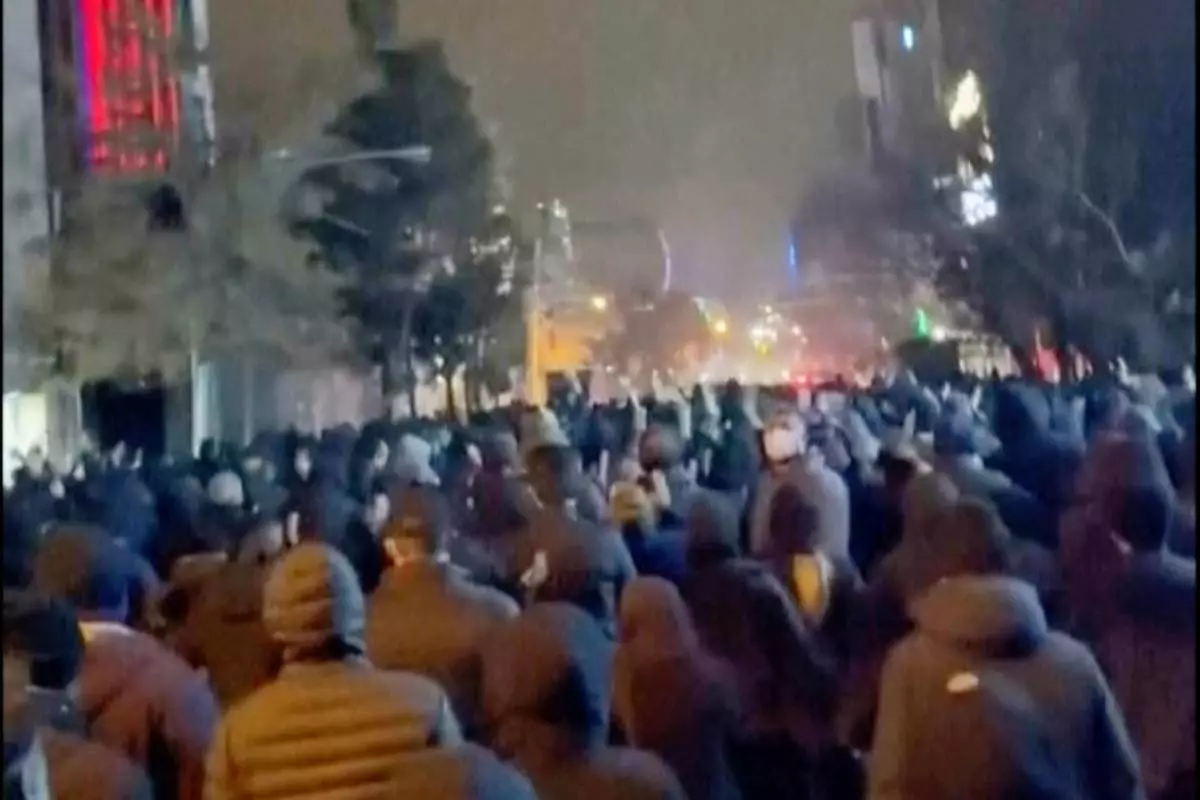
In this frame grab from footage circulating on social media from Iran showed protesters once again taking to the streets of Tehran despite an intensifying crackdown as the Islamic Republic remains cut off from the rest of the world in Tehran, Iran, Saturday Jan. 10, 2026. (UGC via AP)
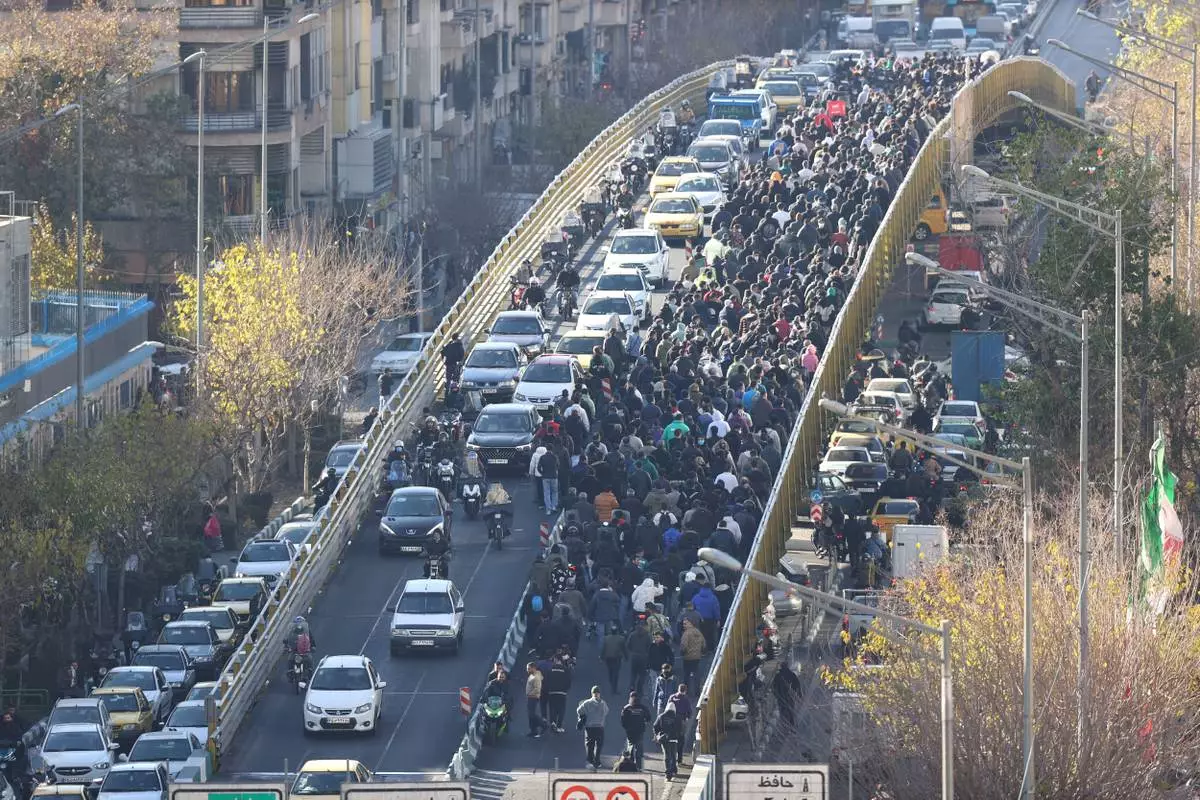
FILE - Protesters march on a bridge in Tehran, Iran, on Dec. 29, 2025. (Fars News Agency via AP, File)