The three astronauts of China's Shenzhou-20 spaceflight mission on Friday entered the Tiangong space station and met with the Shenzhou-19 mission crew on board, starting a new round of in-orbit crew handover.
Mission commander Chen Dong and crew members Chen Zhongrui and Wang Jie successfully entered the station's core module Tianhe after the spaceship made a fast automated rendezvous and docked with the Tianhe module at 23:49 Thursday (Beijing Time).
Click to Gallery
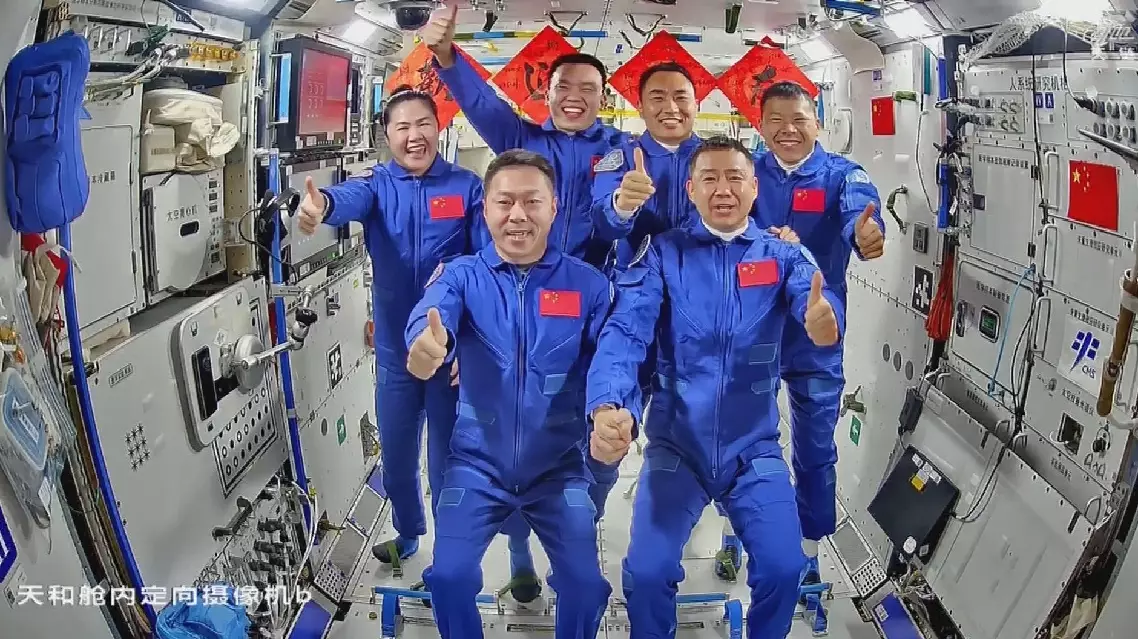
Shenzhou-20 astronauts enter Tiangong space station, meet Shenzhou-19 crew
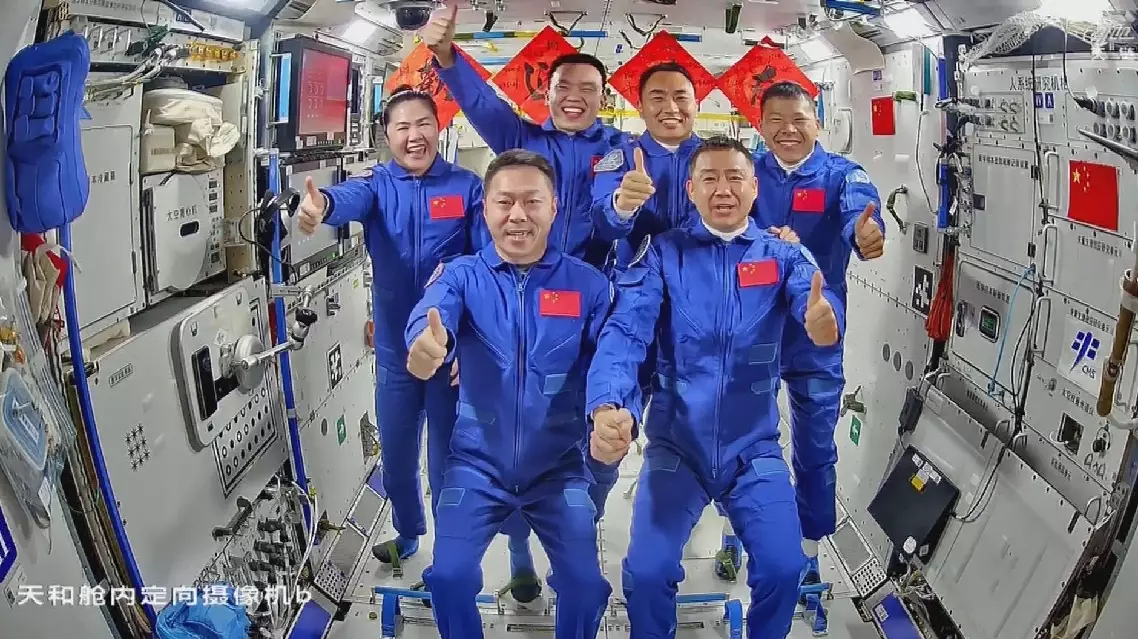
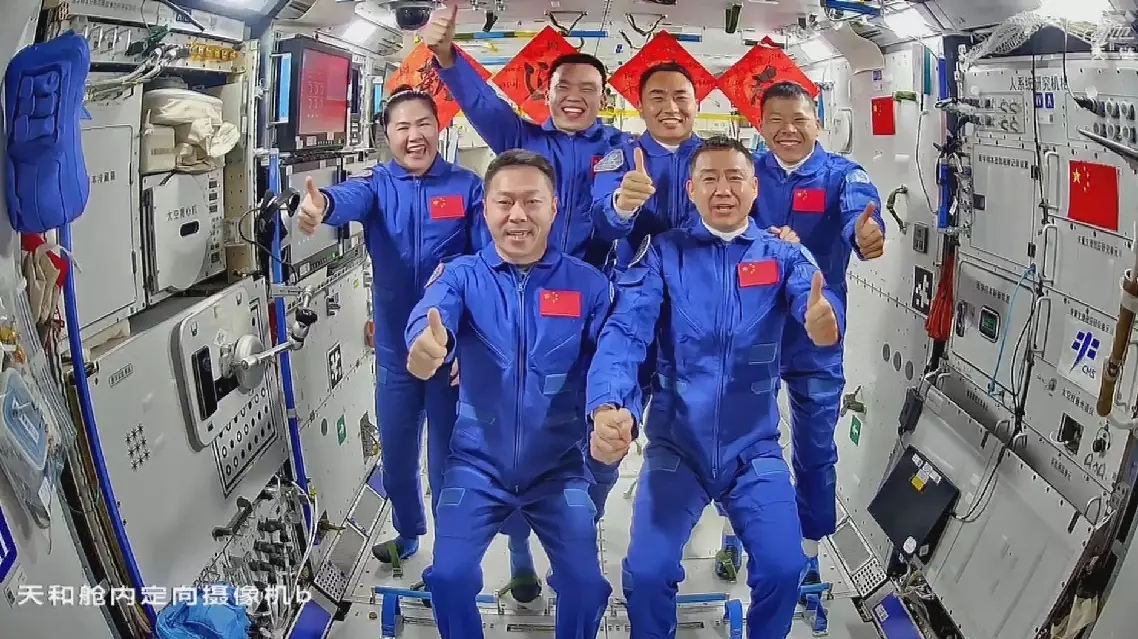
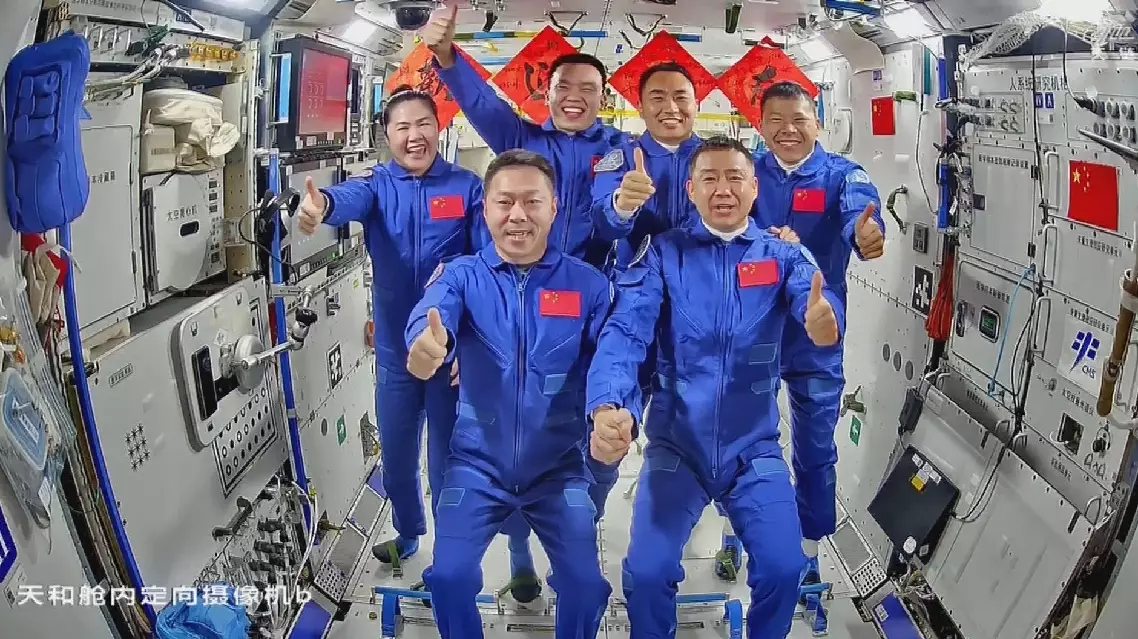
At 01:17 Friday (Beijing Time), the Shenzhou-19 crew opened the hatch and greeted the new arrivals, according to the China Manned Space Agency (CMSA).
The two crew teams took group photos and sent messages to the ground staff.
The six astronauts will live and work together for about five days to complete planned tasks and handover work, according to the CMSA.
The spaceship, atop a Long March-2F carrier rocket, blasted off at 17:17 (Beijing Time) Thursday from the Jiuquan Satellite Launch Center in northwest China, according to the CMSA.
Shenzhou-20 astronauts enter Tiangong space station, meet Shenzhou-19 crew
UN Secretary-General Antonio Guterres is deeply concerned about the U.S. rhetoric suggesting possible intervention in the situation in Iran, urging all parties to pursue diplomacy and dialogue in line with the principles of the UN Charter, his spokesperson said on Monday.
U.S. President Donald Trump said on Sunday that his administration is weighing "some very strong options," including potential military action against Iran amid the unrest across the Middle East country.
At a press briefing Monday at the UN Headquarters in New York, Stephane Dujarric, spokesperson for the UN secretary-general, conveyed Guterres' alarm over the remarks.
"The rhetoric that we've heard around the situation in Iran, which is concerning to him (Guterres), and he encourages all to adopt a path of diplomacy and dialogue," said Dujarric.
"We push for dialogue, and I think the [UN] Charter is very clear on your question," Dujarric said when asked whether foreign intervention might help resolve the crisis. The UN Charter enshrines core principles including the sovereign equality of all states, non-intervention in the affairs of other states, and the peaceful settlement of disputes.
These norms were further reinforced by the 1970 Declaration on Principles of International Law, adopted by the UN General Assembly, which explicitly states that no state or group of states has the right to intervene, directly or indirectly, for any reason whatever, in the internal or external affairs of any other state.
Protests have erupted in several Iranian cities since late December over the sharp fall in the national currency rial and long-standing economic hardships. The reported death toll from the unrest on both sides of the security forces and civilians is mounting.
UN chief urges diplomacy amid US military threats against Iran: spokesperson