A Chinese spacecraft designed for space tourism on Monday completed its suborbital flight test mission in northwest China.
Using a parachute-recovery system, the recoverable payload capsule landed safely and was retrieved at the Jiuquan Satellite Launch Center.
The flight test demonstrated the re-entry deceleration and completed the verification of recoverable payload module, and showcased the precision landing-control technology for the spacecraft's sub-stage, paving the way for the development of future space tourism activities, according to its developer, commercial Chinese aerospace enterprise CAS Space.
Designated Lihong-1 Y1, the spacecraft can reach altitudes of approximately 120 kilometers. It has low launch costs, a high level of flexibility, and the capability to recover experimental payloads.
For payloads, it can provide a highly stable and multi-functional experimental environment lasting more than 300 seconds, the company said.
"The aim of Lihong-1 Y1 is not to remain in outer space for a long time. Instead, its journey is more like a flash delivery -- namely, sending an experimental device to a microgravity environment and returning to Earth once the experiment is finished. The payload module safely retrieved the valuable experimental samples and the firsthand experimental data, providing a very flexible new model for carrying out high-frequency and low-cost space microgravity experiments in the future," said Zhou Yu, designer of Lihong-1 Y1.
Shi Xiaoning, chief designer and project commander of Lihong-1 said that onboard payloads included microgravity laser additive manufacturing equipment and Chinese rose seed samples.
The flower seeds spent 300 seconds in space, where they were exposed to cosmic radiation that can induce gene mutations, he said. Once the samples are returned to Earth, scientists will cultivate them to develop new, high-quality rose varieties and establish an aerospace rose germplasm bank.
Shi said that they will upgrade the subsequent returnable payload module to an orbital-grade, space-manufactured spacecraft capable of staying in orbit for at least one year and allowing for a minimum of 10 reuses.
"In the future, we will upgrade the payload module to a larger size. Additionally, we will add a control system, a landing deceleration system, and a reuse system to enable manned travel, long-term orbit retention, and precise re-entry into and return from orbit," said Shi Xiaoning, chief designer and project commander of Lihong-1.
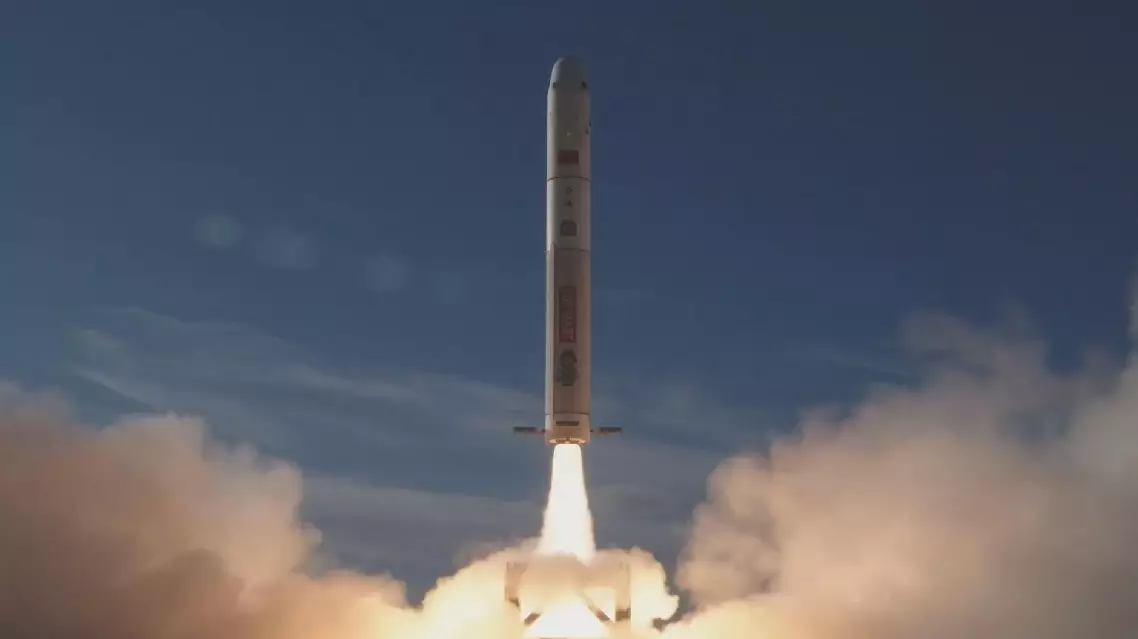
Commercial recoverable spacecraft completes suborbital test flight in China
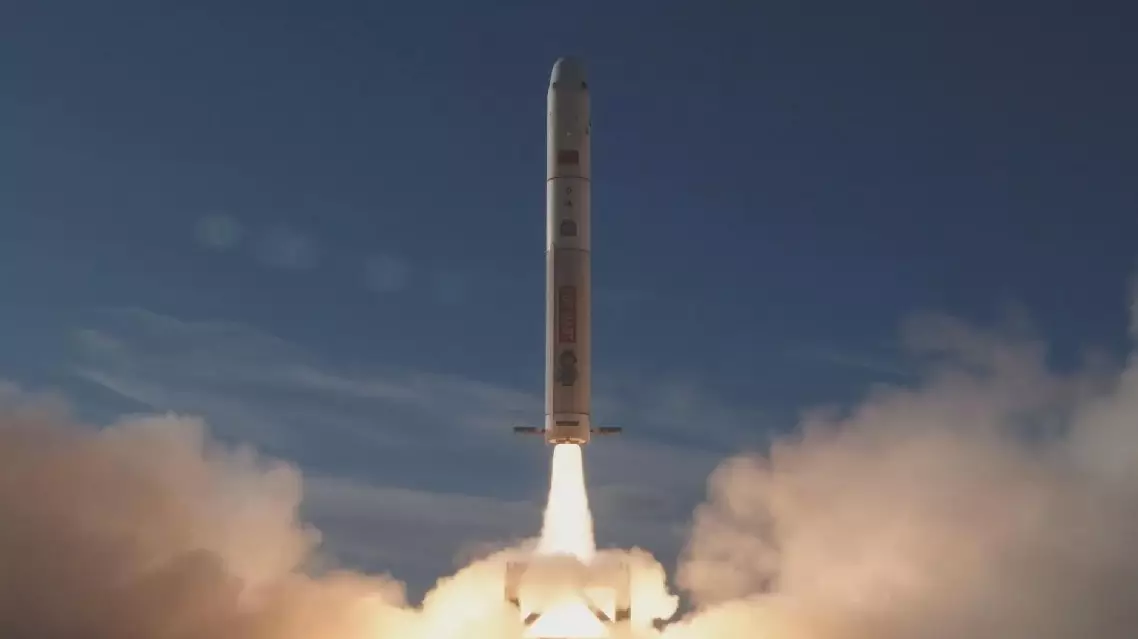
Commercial recoverable spacecraft completes suborbital test flight in China