China's installed capacity of wind and photovoltaic power reached 1.482 billion kilowatts by the end of March, exceeding that of thermal power for the first time in history, official data showed Friday.
As new installations continue to grow rapidly, wind and solar capacity will maintain the lead over thermal power, the National Energy Administration said.
In the first quarter of this year, electricity generated from wind and photovoltaics reached 536.4 billion kilowatt-hours, accounting for 22.5 percent of China's total power use, up 4.3 percentage points from the same period last year.
Official data showed that China's total installed renewable power capacity reached about 1.41 billion kilowatts at the end of 2024, accounting for over 40 percent of its total electricity capacity and surpassing coal-fired power installations.
The country's new energy industry has experienced rapid growth in recent years as it steps up efforts to decarbonize the economy.
Since 2013, the country's wind power installed capacity has grown sixfold, while solar power installed capacity has surged more than 180 times. Its annual new installations account for more than 40 percent of the global total, significantly contributing to world's green development.
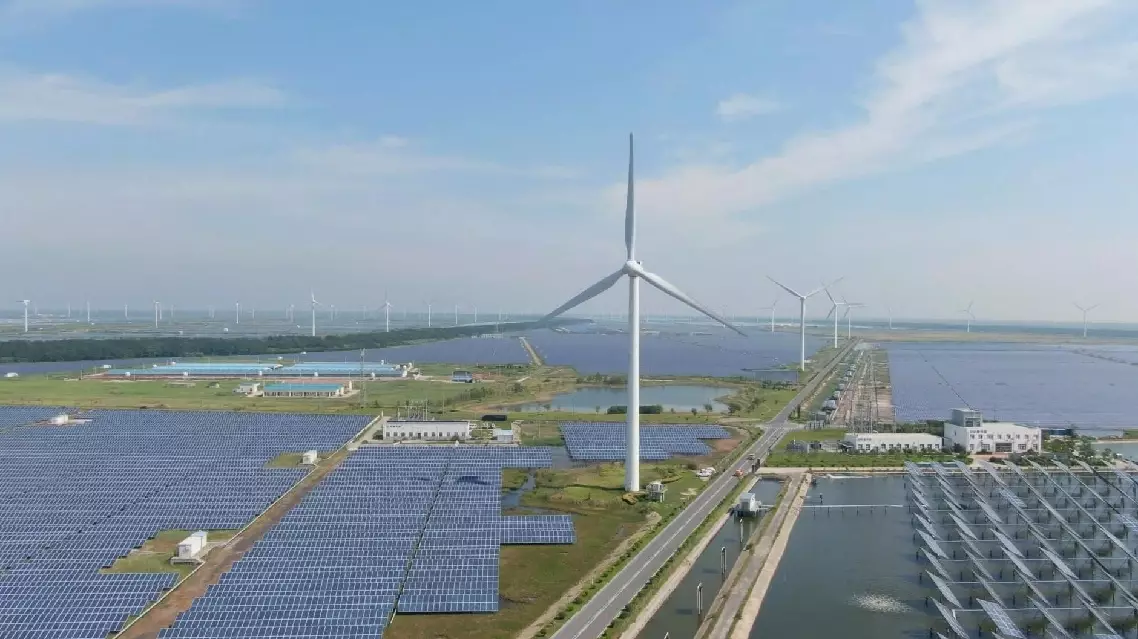
China's wind, solar energy capacity surpasses thermal power for first time
China's consumer goods industry got off to a good start in 2026, with main indicators registering steady growth in the first two months, according to the data from the Ministry of Industry and Information Technology.
The value added of enterprises above the designated size -- whose annual main business income reaches 20 million yuan (about 2.93 million U.S. dollars) or more -- in this sector increased by 4.8 percent year on year in January and February, accounting for 29.2 percent of the total value added, 3.1 percentage points higher than that of last year. Among the 14 major industry categories, 10 achieved positive growth.
In the two months, these enterprises achieved a business revenue of approximately 5.1 trillion yuan, up 4.4 percent year on year, while the total retail sales of consumer goods exceeded 8.6 trillion yuan, a year-on-year increase of 2.8 percent.
"The first two months were in the traditional peak consumption season, driving the growth of orders and helping to unleash production capacity in the consumer goods industry. Some emerging consumption patterns, such as experience consumption and trendy toy consumption, grew rapidly, and the supply market showed a diversified growth trend," said Dai Xiaoxia, deputy director of the Institute of Consumer Goods Industry Research of China Center for Information Industry Development.
In terms of foreign trade, exporters above the designated size delivered consumer goods worth around 592.54 billion yuan, up 2.2 percent year on year, with the pharmaceutical manufacturing industry, the papermaking and paper products industry registering relatively rapid growth.
China will increase the supply of high-quality products in the consumer goods industry, steadily promoting the intelligent, green and integrated development of the sector.
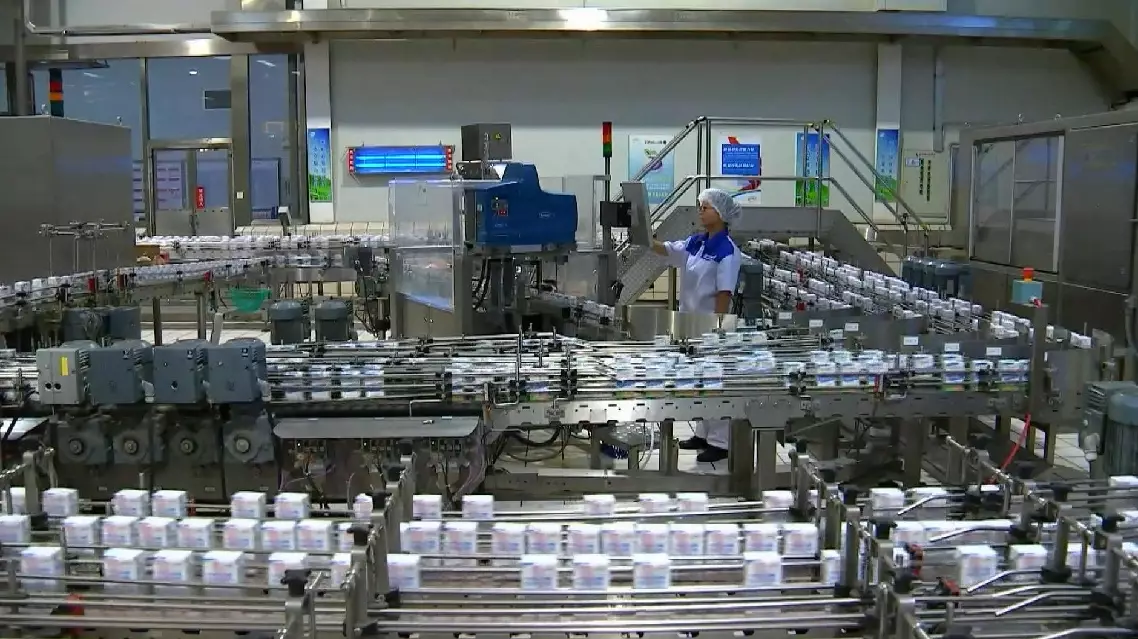
China's consumer goods industry posts steady growth in first 2 months