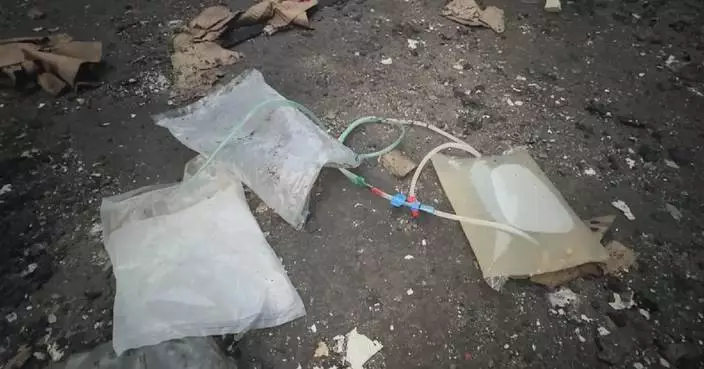
The United Nations World Food Program (WFP) on Friday delivered the last remaining food stocks to hot meals kitchens it supports in the Gaza Strip.
For weeks, hot meal kitchens have been the only consistent source of food assistance for people in Gaza. Despite reaching just half the population with only 25 percent of daily food needs, they have provided a critical lifeline. But these kitchens will run out of ingredients by the end of the month as WFP has depleted all its food stocks for families in Gaza.
WFP has also supported bakeries to distribute affordable bread in Gaza. On March 31, all 25 WFP-supported bakeries closed as wheat flour and cooking fuel ran out, leaving 800,000 people without affordable bread. The same week, WFP food parcels distributed to families -- with two weeks of food rations -- were exhausted. WFP is also deeply concerned about the severe lack of safe water and fuel for cooking, which forces people to scavenge for burnable waste to cook a meal.
"World Food Program food supplies for our core food assistance program within Gaza are fully depleted. Since the 2nd of March, no humanitarian or commercial goods have entered, and our capacity to response continues to decline. The 25 bakeries we used to support across Gaza Strip, serving 800,000 people are no longer operational, and food parcels so core to our program, intended to reach half of the population in Gaza, have been fully distributed. Our remaining stocks were directed to hot meals kitchens, which are continuing to serve people in need, but these too are expected to run out by the end of the month. Sadly, this covers only 25 percent of the overall people food needs. The closure has been ongoing for more than 50 days. If the context remains unchanged, WFP's critical lifeline assistance may be forced to end. To meet the basic needs of the population in Gaza, it is critical that we are able to resume food deliveries into Gaza immediately," said Antoine Renard, WFP Country Director in Palestine.
No humanitarian or commercial supplies have entered Gaza for more than seven weeks as all main border crossing points remain closed. This is the longest closure the Gaza Strip has ever faced, exacerbating already fragile markets and food systems.
Food prices have skyrocketed up to 1,400 percent compared to during the ceasefire, and essential food commodities are in short supply, raising serious nutrition concerns for vulnerable populations, including children under five, pregnant and breastfeeding women, and the elderly.
To supplement dwindling food supplies, WFP is also distributing high energy biscuits that are usually used as a last resort in emergencies.
WFP called on Israel to immediately lift the blockade on the Gaza Strip so that the agency can deliver food to Gaza to meet the basic needs of the local people.
More than 116,000 metric tons of food assistance, enough to feed one million people for up to four months, are positioned at aid corridors and are ready to be brought into Gaza by WFP and food security partners as soon as borders reopen.
The situation inside the Gaza Strip has once again reached a breaking point: people are running out of ways to cope, and the fragile gains made during the short ceasefire have unraveled. Without urgent action to open borders for aid and trade to enter, WFP’s critical assistance may be forced to end.
WFP urges all parties to prioritize the needs of civilians and allow aid to enter Gaza immediately and uphold their obligations under international humanitarian law.
The Hamas-run Gaza government media office said Friday that the humanitarian disaster in the Gaza Strip continues to deteriorate. The region is on the verge of massive deaths as famine is spreading. More than one million children are in danger, and the local infrastructure has been completely paralyzed.
The media office condemned the crimes committed by Israel, saying that Israel should bear full responsibility for these, and demanding the immediate opening of a safe humanitarian passage.
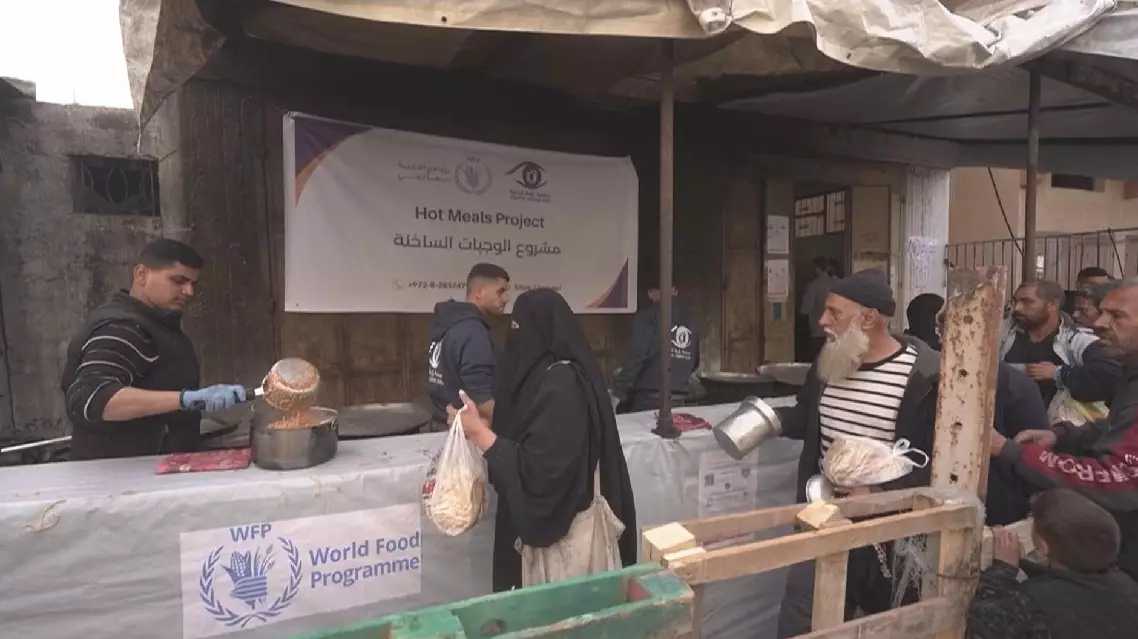
WFP delivers last remaining food stocks to hot meals kitchens in Gaza