Skip to Content Facebook Feature Image

Innovations in EVs steal spotlight at Shanghai Auto Show

China

China

China

Innovations in EVs steal spotlight at Shanghai Auto Show

2025-04-27 11:11 Last Updated At:23:37

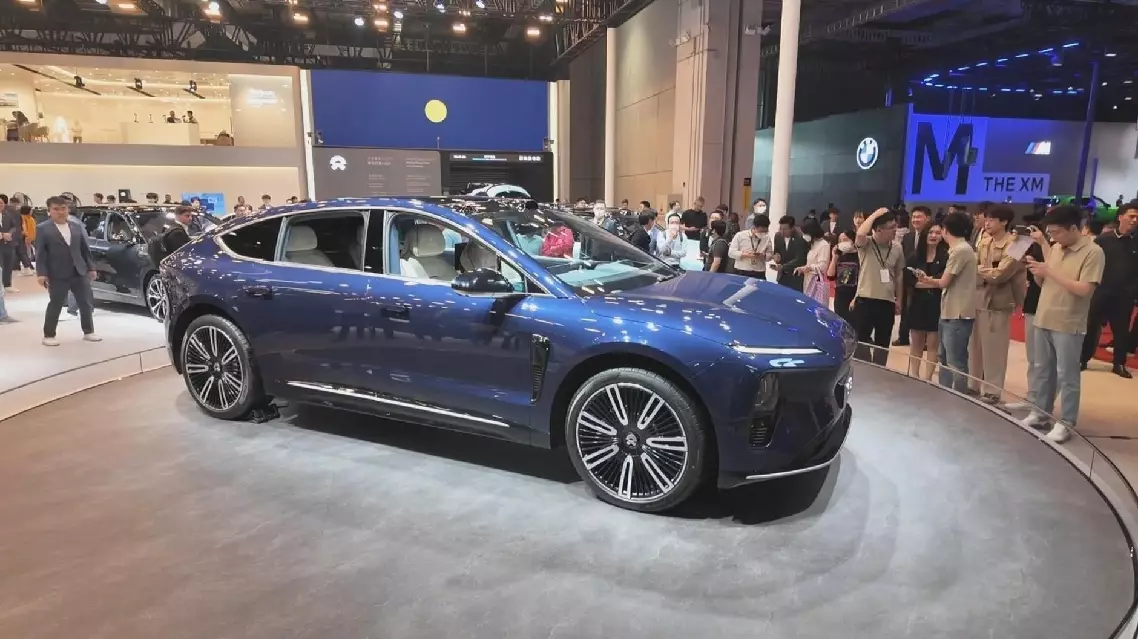
The ongoing 21st Shanghai International Automobile Industry Exhibition, or Auto Shanghai 2025, showcases revolutionary electrical vehicle (EV) batteries, fast-charging systems, and AI-driven innovations, captivating visitors with cutting-edge automotive technology.

Since the show opened on Wednesday, the event has welcomed more than 100,000 visitors daily on average.

On the exhibition floor, rapid advancements in power battery technology are a big draw, with innovations pushing for longer range and enhanced safety.

One company unveiled a globally pioneering dual-core battery design, featuring two independent energy zones within a single battery. Each zone complements the other's strengths, dramatically easing range anxiety.

Another automaker has presented a power battery that is half the length of previous versions while achieving higher energy density, and it has passed extreme tests such as gunfire, heavy crushing, and blazing fire without catching fire or exploding.

Fast-charging solutions are also breaking new ground.

The world's first 2400-Amperes full liquid-cooled megawatt supercharger has slashed charging time from the traditional one to two hours down to just 15 minutes, significantly boosting energy replenishment efficiency for electric heavy trucks.

Beyond electrification, smart technology is also taking center stage.

A domestically developed chip - the world's first mass-produced 5-nanometer automotive-grade smart chip - is powering a new generation of intelligent vehicles.

This chip acts as the car's "brain," enabling unprecedented levels of intelligence and connectivity.

With AI large models integrated into onboard systems, vehicles are becoming mobile smart devices.

They can now recognize multiple dialects and accents, offering smarter and more user-friendly interactions.

An exhibitor said that thanks to indigenous chips and operating systems, vehicles can now seamlessly run China-made games, deliver immersive 5D movie experiences with smart chassis support, and create personalized travel scenarios through AI-powered operating system.

Paired with electronic rearview mirrors, these innovations promise broader vision fields and safer driving.

"You can see that the Chinese automotive landscape has fundamentally changed for the better. And maybe ten years ago, the Chinese manufacturers were, let's say, playing catch-up. But they are leading in the automotive sector now from a global perspective," said a South African car dealer at the show.

"Every year the cars are more intelligent and more autonomous, and I think is very interesting for us," said a Spanish car dealer.

The 10-day auto show has attracted nearly 1,000 automakers and industry suppliers from 26 countries and regions, making it the largest edition in the prestigious event's history.

Innovations in EVs steal spotlight at Shanghai Auto Show
Innovations in EVs steal spotlight at Shanghai Auto Show
Innovations in EVs steal spotlight at Shanghai Auto Show

Innovations in EVs steal spotlight at Shanghai Auto Show

A major port in northern Venezuela came under U.S. airstrikes in the early hours of January 3, which caused extensive damage to civilian infrastructure, destroyed critical medical supplies in a warehouse, and severely impacted centuries-old cultural heritage sites, according to local residents.

The La Guaira Port, a vital hub for imports that support daily life in the region, was heavily damaged during the attack.

Large quantities of medical supplies stored at the port were destroyed. A historic cultural building dating back for some 300 years was also badly damaged by the bombardment.

Residents living near the port recalled the terrifying scenes as explosions shook nearby neighborhoods.

Humberto Bolivar, who lives in a community separated from the port by only a main road, said the blast waves shattered his home's windows, while stray shrapnel struck the water tank on his roof. According to reports, three missiles were fired at the port that night.

Bolivar said that beyond material losses, he is most concerned about the psychological impact on his children, who remain too frightened to leave their home days after the attack.

"The United States invaded our country. The children were frightened. This is not good for them, because it leaves some children with psychological trauma. They do not want to go to school or leave the house, because they are afraid that something worse might happen. We truly do not want this to happen to our country," he said.

Apart from civilian facilities, local cultural heritage site was also affected.

The La Guaira state government building, a structure with nearly 300 years of history and once served as the site of Venezuela's first national customs office, was struck by the force of the explosions.

Windows of the building were shattered, and furniture scattered across the floor.

"As people of La Guaira, we feel deep pain. Our cultural heritage has been bombed. We are living in constant anxiety and suffering, and life can no longer be the same as it was before," said a local named Henry Cumares.

The U.S. side has claimed the airstrikes targeted warehouses allegedly used to store narcotics. However, locals refuted such accusation.

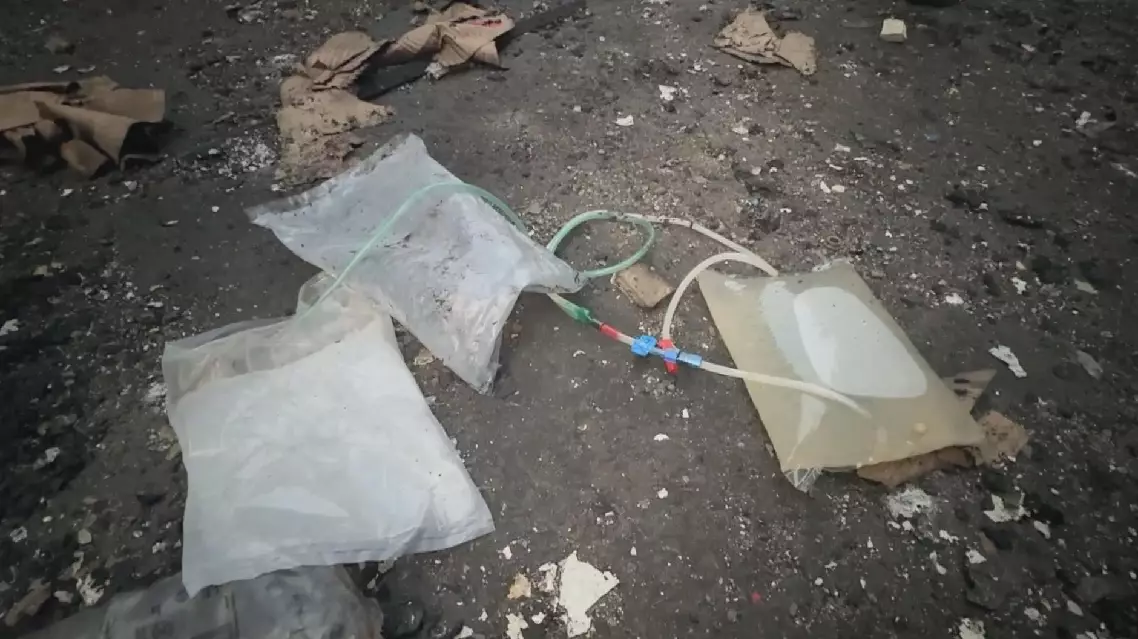
"According to what Donald Trump said, they bombed this place using the excuse that the warehouses here were used to store drugs at the port. But based on the video released by our governor, these warehouses that were burned contained medicine for kidney patients and foods. Many people depend on these supplies to survive. I think the bombing is extremely despicable," said a local resident named Alejandro Capriles.

US strike hits Venezuelan port, wrecking medical supplies, heritage building

US strike hits Venezuelan port, wrecking medical supplies, heritage building

Recommended Articles