TRENTON, N.J. (AP) — Members of New Jersey's Supreme Court sounded skeptical at times Monday about the effort of a Catholic diocese to stop the state from empaneling a grand jury to investigate clergy sexual abuse allegations.
The high court is considering the state attorney general's appeal of lower court rulings that sided with the Diocese of Camden, finding the state cannot seat a grand jury to examine the church officials' behavior because they're not public officials.
The issue dates to a Pennsylvania grand jury report in 2018 that found more than 1,000 children had been abused in that state since the 1940s, prompting the New Jersey attorney general to announce a similar investigation.
But the results of New Jersey's inquiry never became public partly because a legal battle was unfolding behind closed doors amid sealed proceedings.
Then, this year the Bergen Record obtained records disclosing a trial court's judgment in favor of the diocese and revealing the diocese's objection to the grand jury. And in March, the Supreme Court ordered more documents in the case unsealed.
The core disagreement is over whether a court rule permits grand juries in New Jersey to issue findings in cases involving private individuals. Trial and appellate courts found for the diocese.
On Monday, members of the court repeatedly questioned whether challenging the state was premature since lower court proceedings prevented the state from seating a grand jury, which has not investigated any allegations or issued findings, called a presentment.
“We don't know what a grand jury would say, am I right?” Justice Anne Patterson asked the attorney for the diocese.
Lloyd Levenson, the church's attorney, answered that “you'd have to be Rip Van Winkle” not to know what the grand jury would say.
“The goal here is obviously to condemn the Catholic Church and priests and bishops,” he said. He noted the state could still pursue criminal investigations and abuse victims could seek civil penalties.
The court didn't indicate when it would rule.
Mark Crawford, state director of Survivors Network for those Abused by Priests, attended Monday's hearing and said he thought the diocese was “grasping at straws.”
“These victims want their story heard,” he said in an interview. “They want to get in front of the grand jury and tell that story. They want some level of accountability and acknowledgement.”
An email message requesting comment was sent to the diocese.
Democratic state Sen. Joe Vitale, who pushed through the state's 2019 overhaul of its civil statute of limitations, also attended the hearing. He said he's hopeful the justices will side with the attorney general.
In 2023, a trial court judge sided with the diocese, finding that such a grand jury would lack authority because it would be focused on “private conduct,” rather than a government agency's actions. An appeals court affirmed that judgment last year, and Attorney General Matt Platkin appealed to the state Supreme Court.
Documents the high court unsealed in March sketched out some of what the state's task force has found so far, without specific allegations. They show 550 phone calls alleging abuse from the 1940s to the “recent past” came into a state-established hotline.
The diocese argues a grand jury isn't needed, largely because of a 2002 memorandum of understanding between New Jersey Catholic dioceses and prosecutors. The memorandum required church officials to report abuse and said authorities would be provided with all relevant information about the allegations.
But the Pennsylvania report touched off a reexamination of statute of limitations law in New Jersey, which overhauled its civil statute of limitations on childhood sex abuse claims in 2019. The new law allows child victims to sue until they turn 55 or within seven years of their first realization that the abuse caused them harm. The previous statute of limitations was age 20 or two years after realizing abuse caused harm.
Also in 2019, New Jersey’s five Catholic dioceses listed more than 180 priests who have been credibly accused of sexually abusing minors over several decades. Many listed were deceased and others removed from ministry.
The Camden diocese, like others nationwide, filed for bankruptcy amid a torrent of lawsuits — up to 55, according to court records — after the statute of limitations was relaxed.
Then in 2022, the diocese agreed to pay $87.5 million to settle claims involving clergy sex abuse with some 300 accusers — one of the largest cash settlements involving the Catholic church in the U.S.
The agreement, covering six southern New Jersey counties outside Philadelphia, exceeded the nearly $85 million settlement in 2003 in the clergy abuse scandal in Boston, but was less than other settlements in California and Oregon.
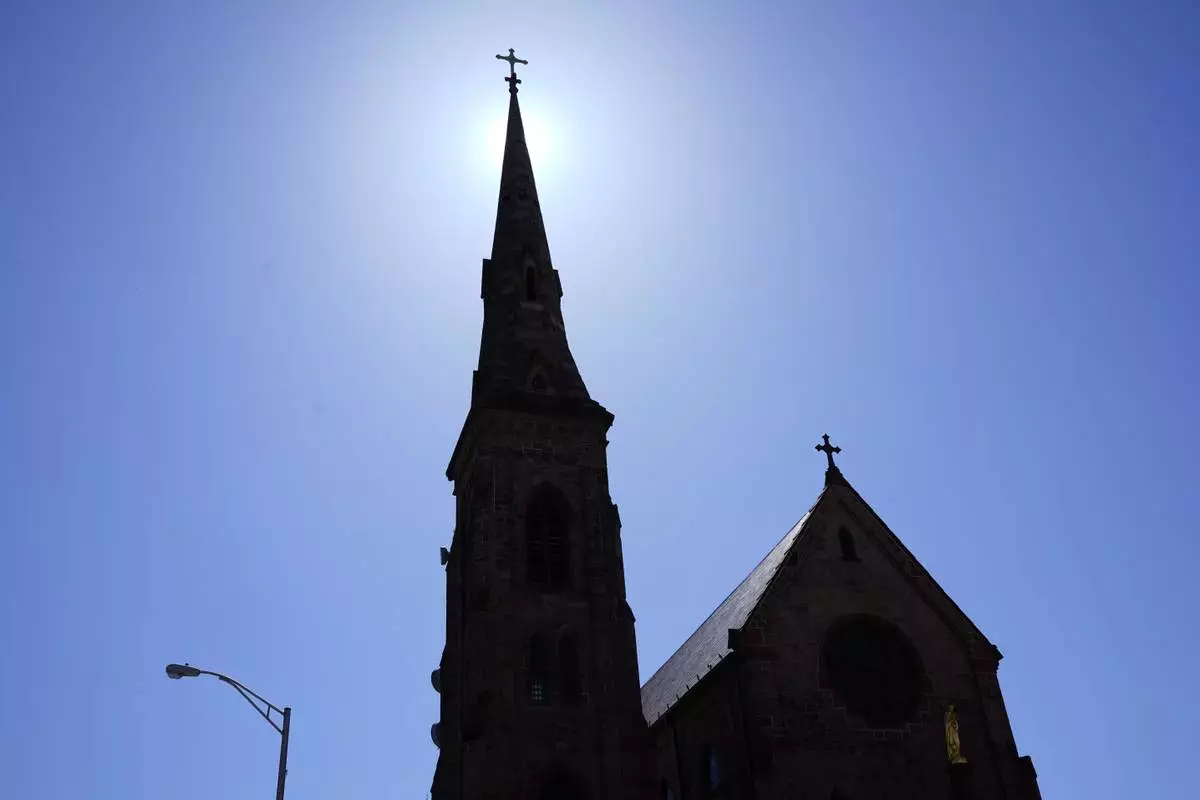
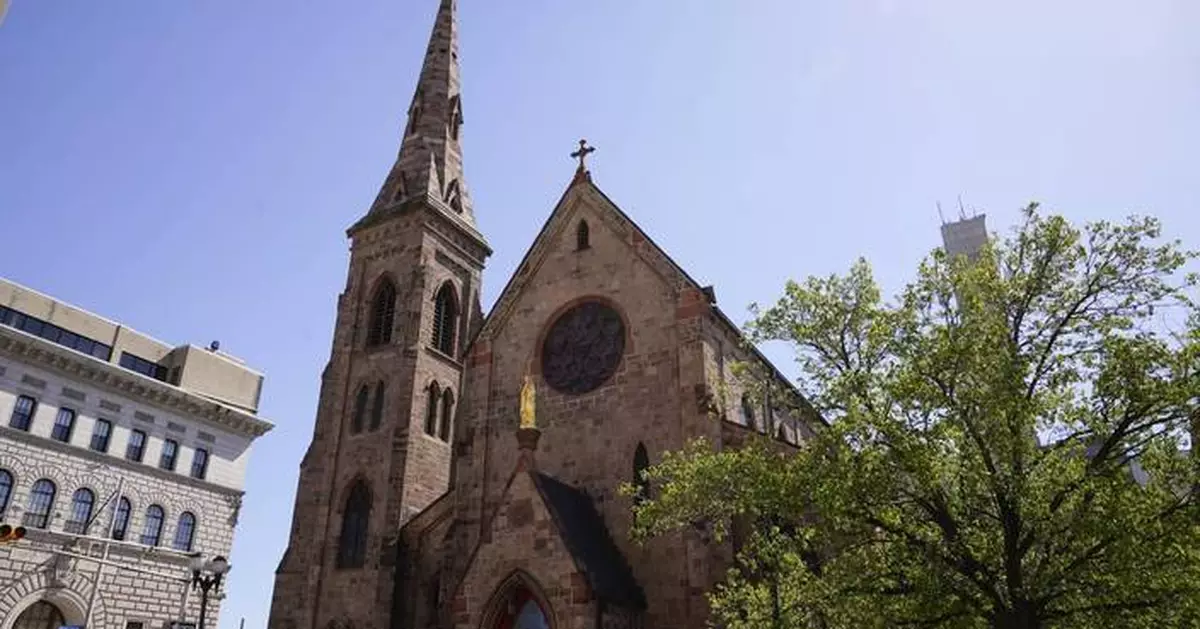
FILE - The Cathedral of the Immaculate Conception in Camden, N.J., Wednesday, April 20, 2022. (AP Photo/Matt Rourke, File)
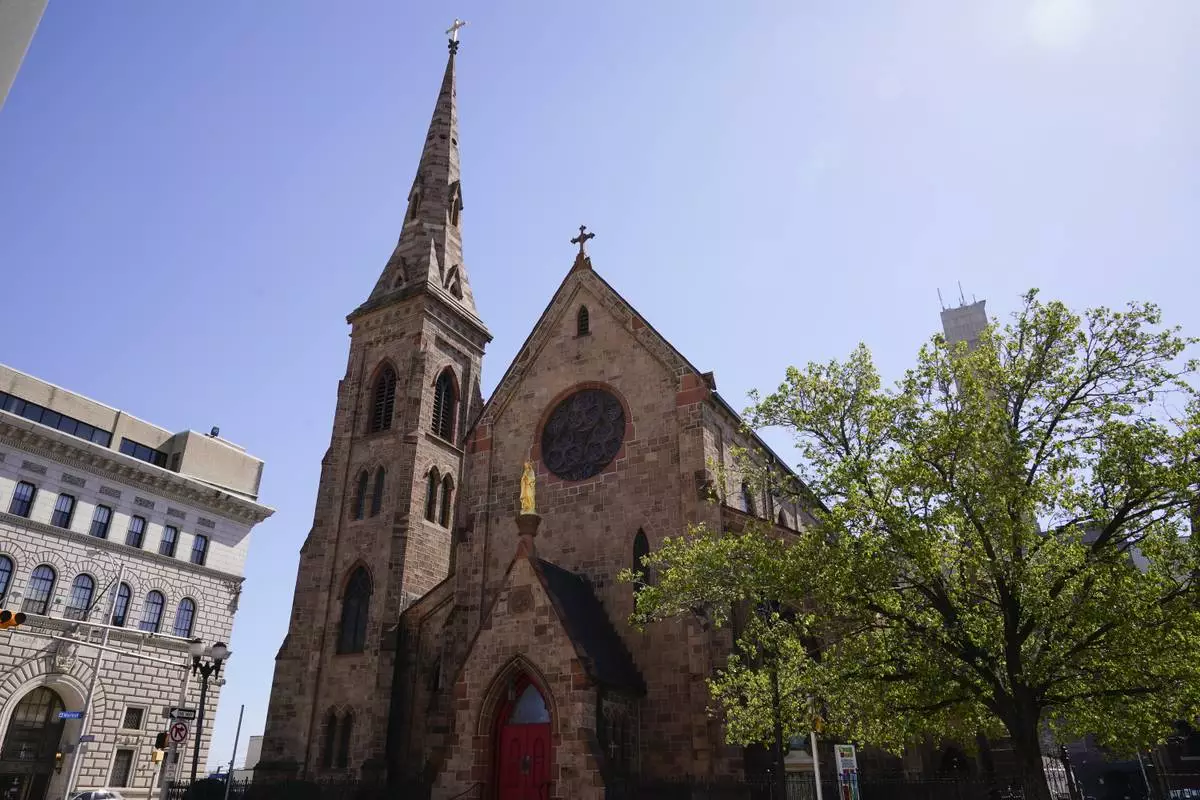
FILE - The Cathedral of the Immaculate Conception in Camden, N.J., Wednesday, April 20, 2022. (AP Photo/Matt Rourke, File)