Construction officially commenced Tuesday on three critical tunnels along the Kyrgyz section of the China-Kyrgyzstan-Uzbekistan Railway, marking a major milestone as the project advances into its mainline construction phase.
The three tunnels of Fergana Mountain, Naryn No. 1 and Koshtet, represent some of the most technically demanding and strategically vital components of the Kyrgyz segment, which traverses challenging mountainous terrain. They are single-hole, single-track tunnels with a length of more than 10 kilometers.
The China-Kyrgyzstan-Uzbekistan Railway is a landmark project of the Belt and Road Initiative, championed by the heads of state of China, Kyrgyzstan and Uzbekistan. It is a strategic project for connectivity between China and Central Asia.
Designed for trains running at speeds of up to 120 kilometers per hour, the project begins in Kashgar of northwest China's Xinjiang Uygur Autonomous Region, crosses the Torugart Pass into Kyrgyzstan, then heads west through Kyrgyzstan's border city of Jalal-Abad, and ends in the eastern Uzbek city of Andijan.
According to the relevant agreements, China will be responsible for building the section within its own borders, Uzbekistan will upgrade its domestic segment, and China-Kyrgyzstan-Uzbekistan Railway Co., Ltd., a joint venture established by the three governments, will handle the financing, construction and operation of the Kyrgyzstan section.
Upon completion, the railway will offer a shorter, more cost-effective overland route for freight transport between China and Europe via Central Asia. It is expected to strengthen regional connectivity, boost trade and investment, and support the economic development of countries along the corridor.
The railway will also provide Kyrgyzstan and Uzbekistan with a vital new link to global markets, improving their integration into international supply chains while reducing transportation time and costs.
Currently, cargo transport between China and the two Central Asian countries relies on combined road and rail routes or detours through Kazakhstan. Once operational, the railway will reduce travel time, eliminate multiple loading and unloading procedures, and lower the cost of moving time-sensitive goods like agricultural produce.
In addition, the new railway will offer landlocked Central Asian nations a crucial outlet to the sea by connecting to China's extensive rail network, which stretches to major ports along the Pacific Ocean.
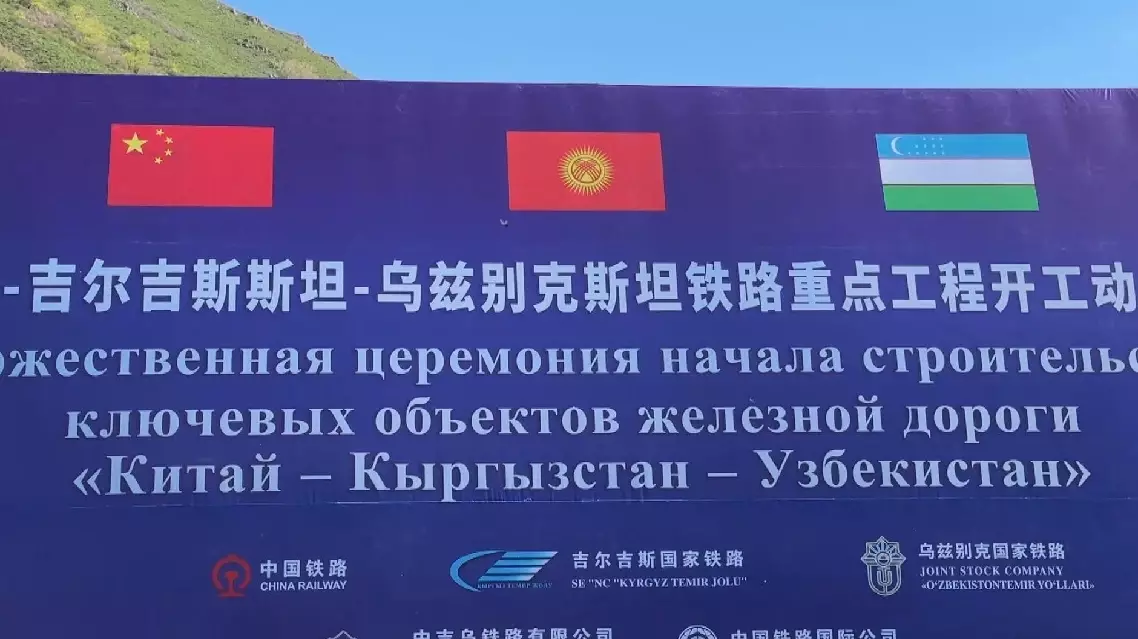
Construction of key tunnels for China-Kyrgyzstan-Uzbekistan railway commences
Russian officials and scholars say they expect Russian President Vladimir Putin's visit to China to bring new progress in ties with China, pointing to the importance of educational exchanges and the close cooperation between the two sides when it comes to global issues.
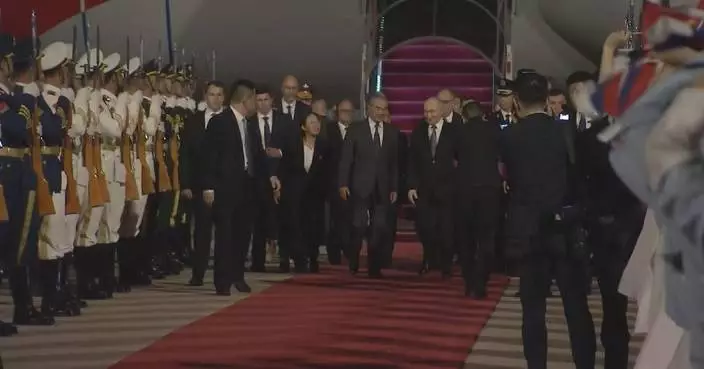
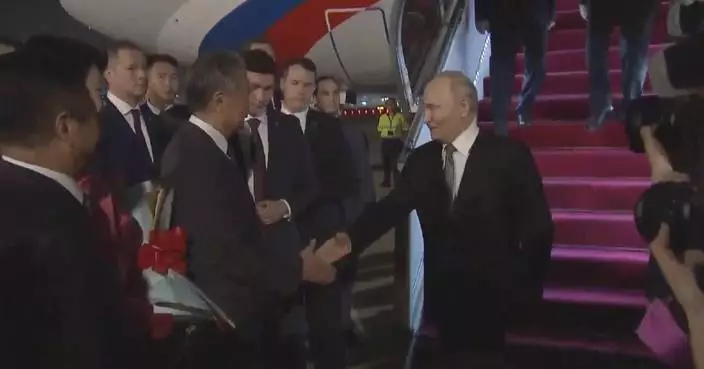
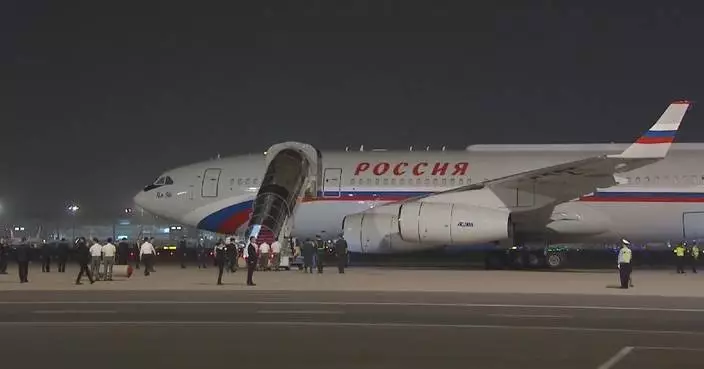
Putin arrived in Beijing late on Tuesday night to begin a two-day state visit at the invitation of Chinese President Xi Jinping.
This marks President Putin's 25th visit to China, with the two presidents set to exchange views on bilateral relations, cooperation in various fields, as well as international and regional issues of mutual interest, according to a spokesman for the Chinese Ministry of Foreign Affairs.
The visit comes as this year marks the 30th anniversary of the establishment of China-Russia strategic partnership of coordination, the 25th anniversary of the signing of the China-Russia Treaty of Good-Neighborliness and Friendly Cooperation and also sees the launch of events under the China-Russia Years of Education for 2026 and 2027.
Russia’s Minister of Science and Higher Education Valery Falkov pointed to the importance of these educational exchanges between the two sides.
"We believe the designation of 2026 and 2027 as the China-Russia Years of Education is a natural progression [in our ties]. We sincerely welcome the continued deepening of such exchanges and cooperation. We also welcome the growing attention from multiples sectors towards education in Russia and China, as this is mutually beneficial and reciprocal," Falkov said in a recent interview with the China Global Television Network (CGTN).
In recent years, the China-Russia comprehensive strategic partnership of coordination for a new era has enjoyed sound, steady and in-depth development, with expanding cooperation in various fields, and the two sides have also made an important contribution to maintaining global strategic stability and upholding international fairness and justice, Chinese foreign ministry spokesman Guo Jiakun said on Monday.
Vasily Kashin, director of the Center for Comprehensive European and International Studies at the HSE University in Moscow, expects the meeting between the two heads of state to further address these key issues.
"China and Russia have established a strategic partnership for 30 years. During this period, we have closely coordinated on the international stage and jointly responded to various crises and global political changes. We expect that in their talks, the leaders of the two countries will discuss issues related to the world order," he said.
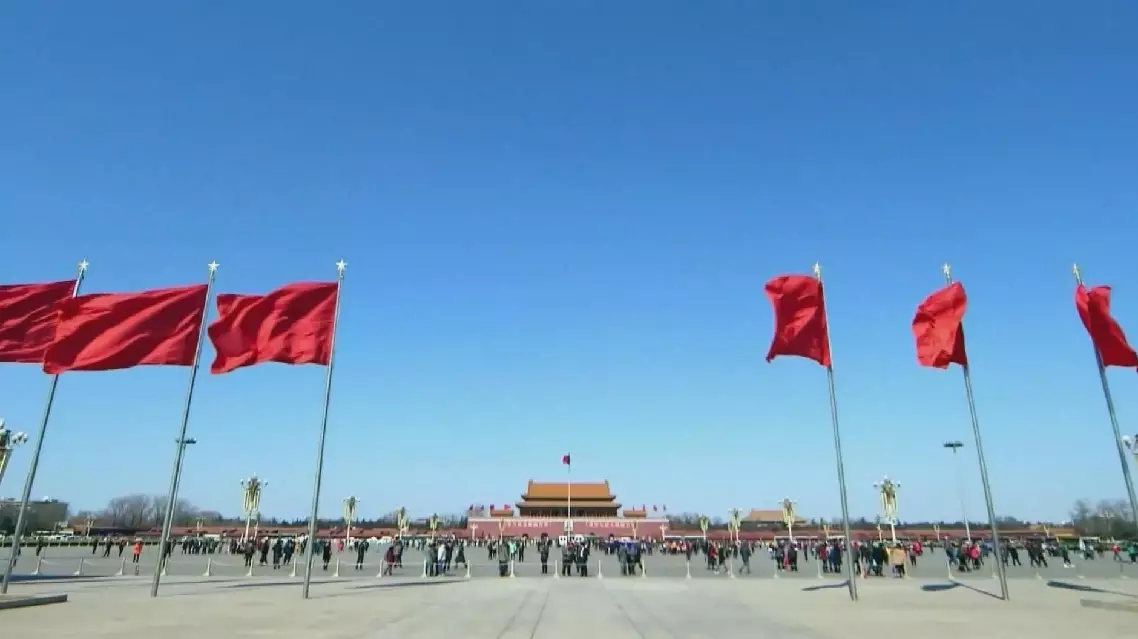
Russian officials, scholars expect Putin visit to open up new chapter in relations with China
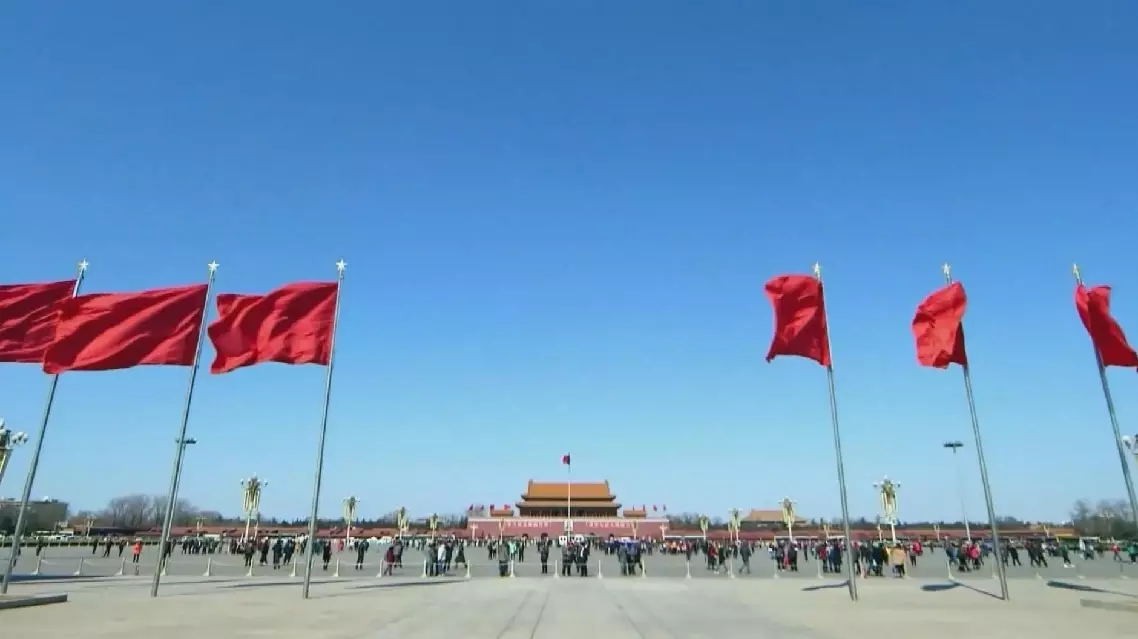
Russian officials, scholars expect Putin visit to open up new chapter in relations with China