WASHINGTON (AP) — President Donald Trump's administration is conducting a nationwide, multi-agency review of 450,000 migrant children who crossed the U.S.-Mexico border without their parents during President Joe Biden’s term.
Trump officials say they want to track down those children and ensure their safety. Many of the children came to the U.S. during surges at the border in recent years and were later placed in homes with adult sponsors, typically parents, relatives or family friends.
Click to Gallery
Two walls separate Mexico from the United States along the border Tuesday, Jan. 28, 2025, in Tijuana, Mexico. (AP Photo/Gregory Bull)
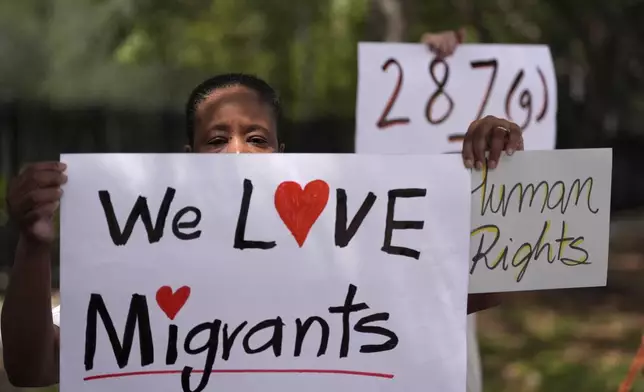
Advocates for migrant rights hold signs outside the South Florida office of U.S. Immigration and Customs Enforcement and Enforcement and Removal Operations, following a press conference with Gov. Ron DeSantis on immigration enforcement, May 1, 2025, in Miramar, Fla. (AP Photo/Rebecca Blackwell)
Migrants make their way to a Border Patrol van after crossing illegally and waiting to apply for asylum between two border walls separating Mexico and the United States, Tuesday, Jan. 21, 2025, in San Diego. (AP Photo/Gregory Bull)
A screen shows an image of Maikelys Espinoza, a 2-year-old in US custody whose parents were deported separately, after a pro-government May Day rally in Caracas, Venezuela, Thursday, May 1, 2025. (AP Photo/Ariana Cubillos)
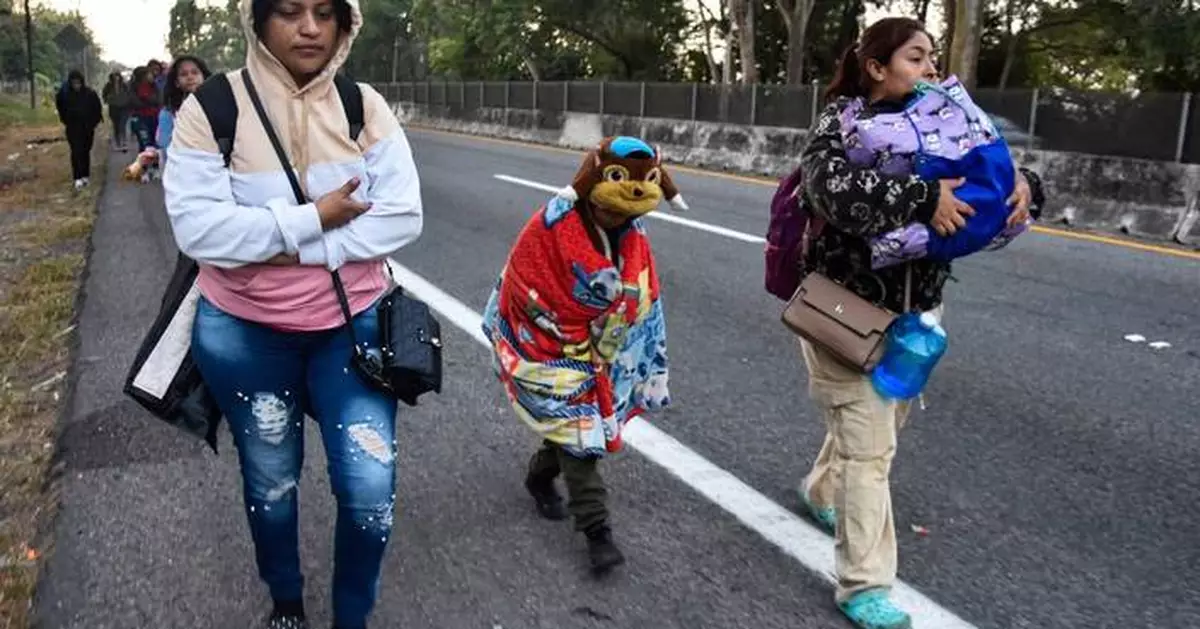
FILE - Women and children migrants walk with a larger group of migrants through Tapachula, Chiapas state, Mexico, in an attempt to reach the U.S. border, Jan. 20, 2025, the inauguration day of U.S. President Donald Trump. (AP Photo/Edgar H. Clemente, FIle)
Migrant advocates are dubious of the Republican administration's tactics, which include dispatching Homeland Security and FBI agents to visit the children. Trump’s zero-tolerance approach to immigrants in the U.S. illegally, which has resulted in small children being flown out of the country, has raised deep suspicion his administration may use the review to deport any sponsors or children who are not living in the country legally.
Trump officials say the adult sponsors who took in migrant children were not always properly vetted, leaving some at risk for exploitation. The Department of Justice has indicted a man on allegations he enticed a 14-year-old girl to travel from Guatemala to the U.S. and then falsely claimed she was his sister to gain custody as her sponsor.
Trump officials expect more problematic sponsors will surface as the administration conducts door knocks and interviews to check on cases in which complaints — about 65,000 of them since 2023 — have been filed. This year, about 450 cases with complaints have been referred to federal law enforcement officials, according to a senior Health and Human Services official who was not authorized to publicly discuss details of the review and spoke on the condition of anonymity.
“We’re combing through every report, every detail — because protecting children isn’t optional,” HHS said in a social media post on X. Health Secretary Robert F. Kennedy Jr. appeared to reference the review during a Cabinet meeting with Trump on Wednesday, saying his agency was trying to “find the children.”
For at least a decade, the federal government has allowed adults to apply to house migrant children who crossed the border without a parent or legal guardian. The program, however, was plagued with problems during the Democratic Biden administration years as officials struggled to process an influx of thousands of children. Federal officials failed to conduct background or address checks in some cases before placing children with sponsors. In other instances, sponsors provided plainly false identification, a federal watchdog report last year concluded.
After that report was issued, the Biden administration said it had already worked to improve the issues through “training, monitoring, technology and evaluation.”
But thousands of children were also placed with legitimate families, some of whom now fear they'll be swept up in the Trump administration's review and targeted for deportation, said Mary Miller Flowers, the policy director of the Young Center for Immigrant Children’s Rights.
The center is assigned to work with some of the most vulnerable children who cross the border. Flowers said that many children have been placed with their parents, grandparents, cousins, aunts or uncles.
In some cases, children may arrive at the border separately from their parents who already live in the U.S. and reunite with them through the program.
“Now you have a situation where the government is checking on the wellness of children and encountering their undocumented parents and deporting their parents," Flowers said. "I don't know what about that is good for children.”
So far, about 100 kids in the past two months have been removed from their sponsors and put back into custody of the federal government, typically in private shelters, according to the health department official.
In Cleveland, federal prosecutors allege that one man, who was living in the U.S. illegally, arranged for the 14-year-old girl to get a copy of his sister's birth certificate and then coordinated her journey from Guatemala to the U.S. He claimed to be her brother, but no fingerprinting or DNA testing was done to verify his claim, according to a senior Justice Department official who could not publicly discuss details of the ongoing case and spoke on condition of anonymity.
The man pleaded guilty to sexual battery of the child in Ohio state court in 2024 and was sentenced to eight years in prison, the official said. The man now faces federal charges including inducing illegal entry for financial gain and aggravated identity theft. Attorneys for the man declined to comment.
As part of the review, the Trump administration is working to identify the location of every child who has been placed with a sponsor, according to the Justice Department official. Investigators are going through suspicious sponsorship applications, like so-called “super sponsors,” who have claimed to have family relationships with, in some cases, more than a dozen unaccompanied children, the official said.
Videos and reports of armed law enforcement officers showing up to conduct wellness checks at the doorsteps of unaccompanied minors and their sponsors have surfaced from across the country.
In an emailed statement, the FBI said that it is conducting “nationwide” welfare checks because “protecting children is a critical mission,” adding that it would continue to work with its “federal, state and local partners to secure their safety and well-being.”
But advocates have raised doubts that children will open up about abuse or other concerns about their sponsors to armed law enforcement officers from federal agencies who are simultaneously executing mass deportation campaigns.
In Hawaii, homeland security agents have been scouring Kona for unaccompanied minors and their sponsors, with two families deported as a result and another child put back into federal custody, according to a news report from Honolulu Civil Beat. Last month, a northern Virginia attorney posted video of five federal agents visiting the home of his client, who is awaiting a green card, for a welfare check. And in Omaha, a 10-year-old who came to the U.S. unaccompanied about three years ago and was placed with his uncle was visited by armed agents in “black, tactical gear" two weeks ago, according to his attorney. He was asked a series of questions, including the status of his case and the whereabouts of his sponsor, according to his attorney Julia Cryne.
“They’re using this as a way to go after the kids,” Cryne said. Her client, she added, has recently had his application for a green card approved.
The Trump administration has dramatically altered the way the sponsorship program works. It's cut funding for the attorneys who represented the most vulnerable migrant children, leaving even toddlers or preschool aged-children with no federally-funded representation.
The administration has also rolled out a number of new rules for adults who want to sponsor a migrant child, according to guidance obtained by the Associated Press. In recent weeks, the office began requiring sponsors to submit fingerprinting, DNA testing and income verification to strengthen its screening procedures.
That could be a hurdle for many sponsors who may not have an income or might be undocumented, Flowers said. Children cannot leave federal custody until they are released to a sponsor.
“They have put in a trifecta of policies that essentially make it impossible for them to leave federal detention,” Flowers said.
—
Beatrice Dupuy in New York contributed.
__
This story was first published May 2, 2025. It was updated May 5, 2025,, to correct the name of Honolulu Civil Beat, not the Honolulu Civil Report.

Two walls separate Mexico from the United States along the border Tuesday, Jan. 28, 2025, in Tijuana, Mexico. (AP Photo/Gregory Bull)

Advocates for migrant rights hold signs outside the South Florida office of U.S. Immigration and Customs Enforcement and Enforcement and Removal Operations, following a press conference with Gov. Ron DeSantis on immigration enforcement, May 1, 2025, in Miramar, Fla. (AP Photo/Rebecca Blackwell)

Migrants make their way to a Border Patrol van after crossing illegally and waiting to apply for asylum between two border walls separating Mexico and the United States, Tuesday, Jan. 21, 2025, in San Diego. (AP Photo/Gregory Bull)

A screen shows an image of Maikelys Espinoza, a 2-year-old in US custody whose parents were deported separately, after a pro-government May Day rally in Caracas, Venezuela, Thursday, May 1, 2025. (AP Photo/Ariana Cubillos)
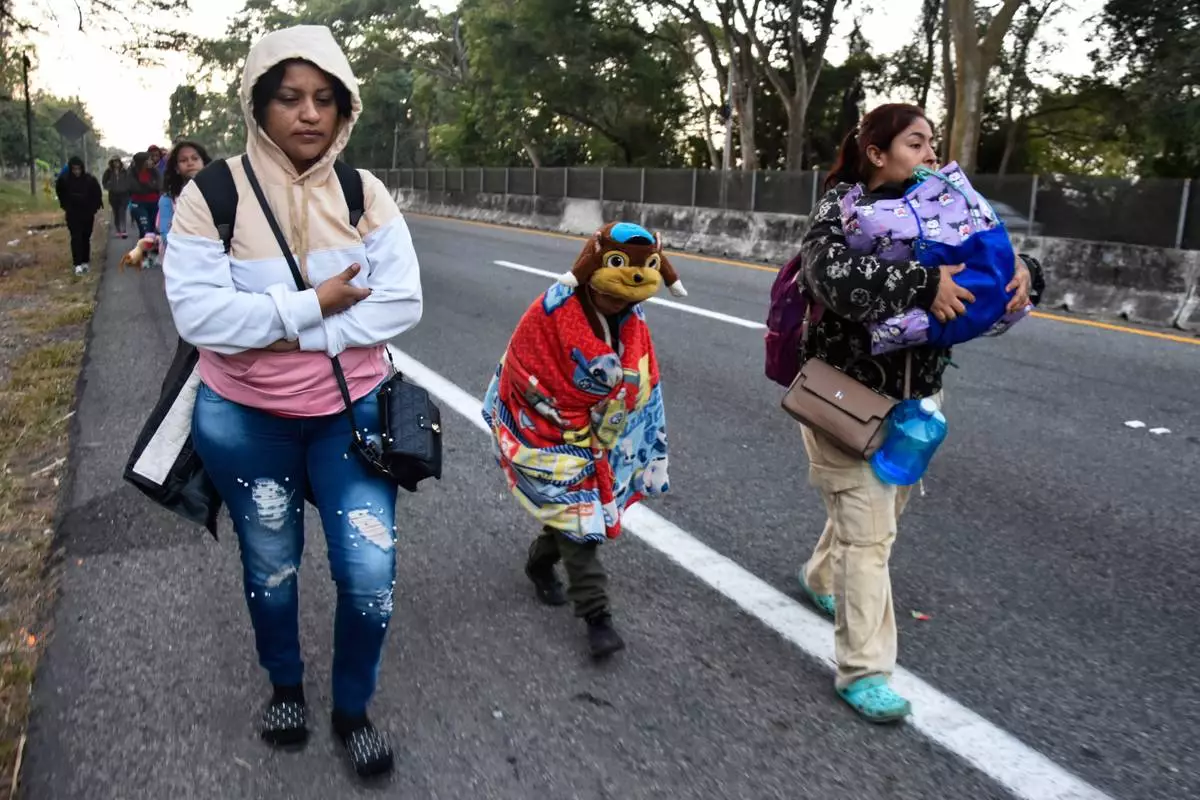
FILE - Women and children migrants walk with a larger group of migrants through Tapachula, Chiapas state, Mexico, in an attempt to reach the U.S. border, Jan. 20, 2025, the inauguration day of U.S. President Donald Trump. (AP Photo/Edgar H. Clemente, FIle)
MELVILLE, N.Y.--(BUSINESS WIRE)--Jan 12, 2026--
Henry Schein, Inc. (Nasdaq: HSIC), the world’s largest provider of healthcare solutions to office-based dental and medical professionals, today announced the appointment of Frederick M. Lowery as its new Chief Executive Officer (“CEO”), effective March 2, 2026, at which time he will join the Board of Directors. Mr. Lowery succeeds Stanley M. Bergman, who will step down as CEO after 35 years and continue to serve as Chairman of the Board to ensure a smooth and effective leadership transition.
This press release features multimedia. View the full release here: https://www.businesswire.com/news/home/20260111291084/en/
Mr. Lowery brings more than two decades of healthcare expertise to Henry Schein, with a strong track record of scaling complex businesses to drive significant growth and sustained value creation. Most recently, he served as Executive Vice President and President, Laboratory Products and BioProduction at Thermo Fisher Scientific (NYSE: TMO), leading the Fisher Scientific distribution channel’s above-market performance. His experience growing distribution and owned product businesses – including manufacturing, R&D, marketing, and sales functions – closely aligns with Henry Schein’s business model, positioning him well to guide the Company’s next phase of growth and continued execution of its BOLD+1 strategic plan.
“I am honored to join Henry Schein at such a pivotal moment. This is an organization with immense potential to impact clinicians and patients, given its remarkable reputation for innovation, customer service, and partnership,” said Mr. Lowery. “I look forward to working with Team Schein to build on the strong foundation established by Stan while accelerating value creation.”
Prior to joining Thermo Fisher, Mr. Lowery worked in leadership roles for Maytag Corporation and General Motors. He holds a master’s degree in manufacturing management from Kettering University (formerly General Motors Institute of Engineering and Management) and a bachelor’s degree in mechanical engineering from Tennessee Technological University.
“I am very pleased to welcome Fred to Henry Schein. Beyond his extensive operational experience, he brings a leadership philosophy that reflects the values that have long defined our Company,” said Mr. Bergman. “Fred understands the critical role we play in supporting dental and medical practitioners, and he is exceptionally well equipped to lead Henry Schein into its next phase of growth.”
“On behalf of the Board, I would like to thank Stan for his exceptional leadership and invaluable contributions over more than three decades,” said Phil Laskawy, Lead Director and Chair of the Nominating and Governance Committee at Henry Schein. “After a comprehensive search process, we are confident that Fred is the right successor to honor Henry Schein’s proud heritage. With extensive commercial, logistics, and manufacturing expertise, and a focus on customer satisfaction, he has the combination of experience and capabilities necessary to accelerate growth and value creation.”
“We are excited about our strategic partnership with Henry Schein and look forward to supporting the next chapter of the Company’s journey under Fred’s leadership,” said Max Lin, Board Member and Vice Chair of the Nominating and Governance Committee at Henry Schein and Partner at KKR. “We believe Fred brings a unique combination of healthcare distribution experience, operational best practices, and accountable leadership that will accelerate our strategic initiatives and further differentiate Henry Schein as a world-class business.”
Cautionary Note Regarding Forward-Looking Statements
In accordance with the “Safe Harbor” provisions of the Private Securities Litigation Reform Act of 1995, we provide the following cautionary remarks regarding important factors that, among others, could cause future results to differ materially from the forward-looking statements, expectations and assumptions expressed or implied herein. All forward-looking statements made by us are subject to risks and uncertainties and are not guarantees of future performance. These forward-looking statements involve known and unknown risks, uncertainties and other factors that may cause our actual results, performance and achievements or industry results to be materially different from any future results, performance or achievements expressed or implied by such forward-looking statements.
These statements are generally identified by the use of such terms as “may,” “could,” “expect,” “intend,” “believe,” “plan,” “estimate,” “forecast,” “project,” “anticipate,” “to be,” “to make” or other comparable terms. A fuller discussion of our operations, financial condition and status of litigation matters, including factors that may affect our business and future prospects, is contained in documents we have filed with the United States Securities and Exchange Commission, or SEC, including our Annual Report on Form 10-K, and will be contained in all subsequent periodic filings we make with the SEC. These documents identify in detail important risk factors that could cause our actual performance to differ materially from current expectations.
Risk factors and uncertainties that could cause actual results to differ materially from current and historical results include, but are not limited to: our dependence on third parties for the manufacture and supply of our products and where we manufacture products, our dependence on third parties for raw materials or purchased components; risks relating to the achievement of our strategic growth objectives, including anticipated results of restructuring and value creation initiatives; risks related to the Strategic Partnership Agreement with KKR Hawaii Aggregator L.P. entered into in January 2025; transitions in senior company leadership; our ability to develop or acquire and maintain and protect new products (particularly technology and specialty products) and services and utilize new technologies that achieve market acceptance with acceptable margins; transitional challenges associated with acquisitions and joint ventures, including the failure to achieve anticipated synergies/benefits, as well as significant demands on our operations, information systems, legal, regulatory, compliance, financial and human resources functions in connection with acquisitions, dispositions and joint ventures; certain provisions in our governing documents that may discourage third-party acquisitions of us; adverse changes in supplier rebates or other purchasing incentives; risks related to the sale of corporate brand products; risks related to activist investors; security risks associated with our information systems and technology products and services, such as cyberattacks or other privacy or data security breaches (including the October 2023 incident); effects of a highly competitive (including, without limitation, competition from third-party online commerce sites) and consolidating market; political, economic, and regulatory influences on the health care industry; risks from expansion of customer purchasing power and multi-tiered costing structures; increases in shipping costs for our products or other service issues with our third-party shippers, and increases in fuel and energy costs; changes in laws and policies governing manufacturing, development and investment in territories and countries where we do business; general global and domestic macro-economic and political conditions, including inflation, deflation, recession, unemployment (and corresponding increase in under-insured populations), consumer confidence, sovereign debt levels, fluctuations in energy pricing and the value of the U.S. dollar as compared to foreign currencies and changes to other economic indicators failure to comply with existing and future regulatory requirements, including relating to health care; risks associated with the EU Medical Device Regulation; failure to comply with laws and regulations relating to health care fraud or other laws and regulations; failure to comply with laws and regulations relating to the collection, storage and processing of sensitive personal information or standards in electronic health records or transmissions; changes in tax legislation, changes in tax rates and availability of certain tax deductions; risks related to product liability, intellectual property and other claims; risks associated with customs policies or legislative import restrictions; risks associated with disease outbreaks, epidemics, pandemics (such as the COVID-19 pandemic), or similar wide-spread public health concerns and other natural or man-made disasters; risks associated with our global operations; the threat or outbreak of war (including, without limitation, geopolitical wars), terrorism or public unrest (including, without limitation, the war in Ukraine, the Israel-Gaza war and other unrest and threats in the Middle East and the possibility of a wider European or global conflict); changes to laws and policies governing foreign trade, tariffs and sanctions or greater restrictions on imports and exports, including changes to international trade agreements and the current imposition of (and the potential for additional) tariffs by the U.S. on numerous countries and retaliatory tariffs; supply chain disruption; litigation risks; new or unanticipated litigation developments and the status of litigation matters; our dependence on our senior management (including, without limitation, the transition to a new CEO), employee hiring and retention, increases in labor costs or health care costs, and our relationships with customers, suppliers and manufacturers; and disruptions in financial markets. The order in which these factors appear should not be construed to indicate their relative importance or priority.
We caution that these factors may not be exhaustive and that many of these factors are beyond our ability to control or predict. Accordingly, any forward-looking statements contained herein should not be relied upon as a prediction of actual results. We undertake no duty and have no obligation to update forward-looking statements except as required by law.
About Henry Schein, Inc.
Henry Schein, Inc. (Nasdaq: HSIC) is a solutions company for health care professionals powered by a network of people and technology. With more than 25,000 Team Schein Members worldwide, the Company's network of trusted advisors provides more than 1 million customers globally with more than 300 valued solutions that help improve operational success and clinical outcomes. Our Business, Clinical, Technology, and Supply Chain solutions help office-based dental and medical practitioners work more efficiently so they can provide quality care more effectively. These solutions also support dental laboratories, government and institutional health care clinics, as well as other alternate care sites.
Henry Schein operates through a centralized and automated distribution network, with a selection of more than 300,000 branded products and Henry Schein corporate brand products in our distribution centers.
A FORTUNE 500 Company and a member of the S&P 500® index, Henry Schein is headquartered in Melville, N.Y., and has operations or affiliates in 33 countries and territories. The Company's sales reached $12.7 billion in 2024, and have grown at a compound annual rate of approximately 11.2 percent since Henry Schein became a public company in 1995.
For more information, visit Henry Schein at www.henryschein.com, Facebook.com/HenrySchein, Instagram.com/HenrySchein, LinkedIn.com/Company/HenrySchein, and @HenrySchein on X.
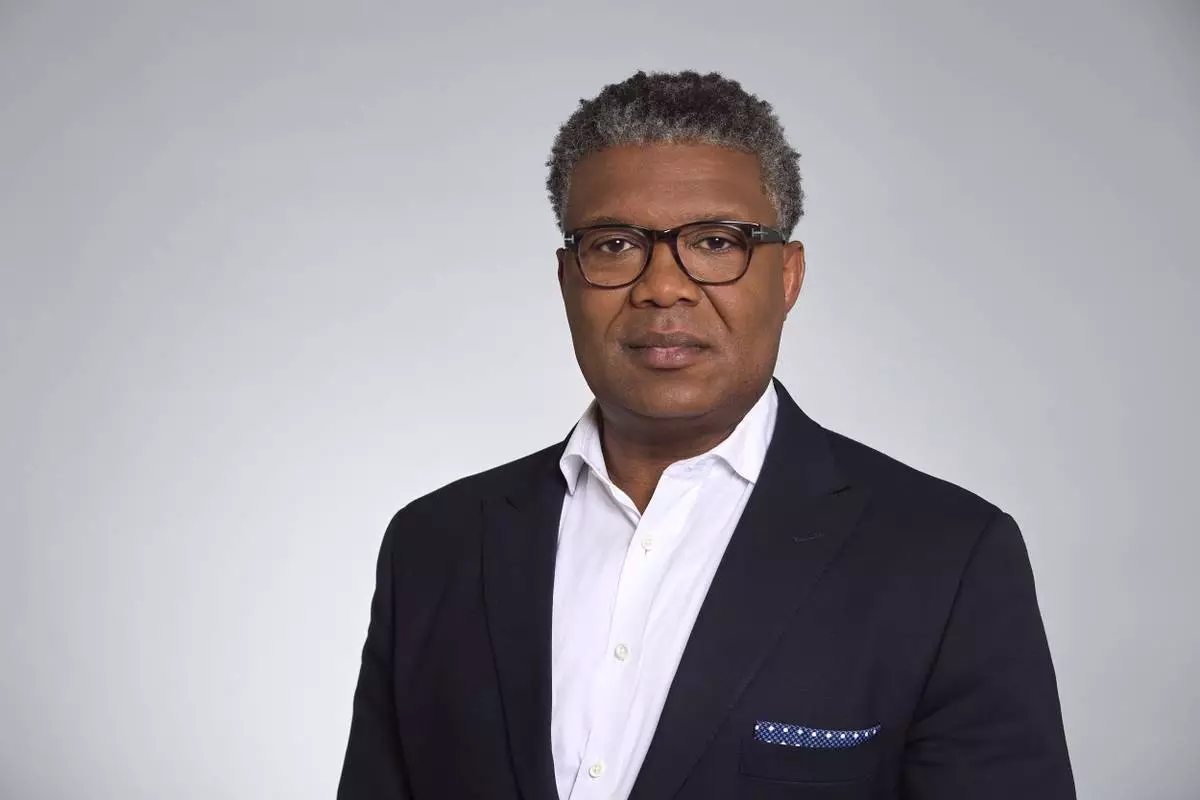
Frederick M. Lowery