ATLANTA (AP) — Two women behind bars in Atlanta sued the state of Georgia on Friday over a recent law that added a cash bail requirement for more crimes, many of them misdemeanors.
The lawsuit accuses the state of violating people's constitutional rights to due process when they're accused of crimes that require cash bail due to last year's Senate Bill 63.
The law, which went into effect in July, requires cash bail for 30 additional crimes, 18 of which are always or often misdemeanors, including failing to appear for a traffic citation if it's not their first. Georgia requires cash bail for far more offenses than any other state and has one of the nation's highest rates of people in jail or prison.
The American Civil Liberties Union, the American Civil Liberties Union of Georgia and the Southern Center for Human Rights, which filed the suit on behalf of the two women and a nonprofit group, estimate that tens of thousands of Georgians have and will be subject to the law if a judge doesn't rule it unconstitutional.
The law “is keeping our jails full, separating people from their jobs, families, and homes, and all but guaranteeing that people leave worse than when they came in,” said Lachlan Athanasiou of the Southern Center for Human Rights in a statement. “It’s difficult to think of a more backwards policy.”
The lawsuit argues that the law prevents judges from considering whether cash bail is actually needed to ensure that people accused of crimes appear in court or don’t pose any public safety risk, which was the original purpose of bail.
Republicans who supported the measure have argued that people let out of jail without bail are less likely to show up for court than those who have paid to get out of jail, although national studies contradict that claim. They also said judges could still set low bails.
“If you commit a crime, you have to be accountable for that and show back up to your hearing," said Republican Senate Majority Leader Steve Gooch after the lawsuit was filed.
Since the bill was proposed, advocates warned it would hurt low-income and minority groups, who are less likely to have the means to pay cash bail. Those individuals may spend months behind bars awaiting court dates while people charged with the same offense walk free if they can afford to.
“Unwarranted pretrial detention based on a person’s inability to pay cash bond is unjust to those presumed innocent, wrongly punishing poverty and harming communities and families," the lawsuit said, adding that it can cause instability in housing, employment and family care.
The two women who filed the suit are currently incarcerated inside Georgia's Fulton County Jail, which has been the target of a federal probe due to its filthy living quarters and the in-custody death of a man whose body was found covered in insects. Sierrah Coronell was arrested in February on four charges, including drug possession and obstructing a police officer, and cannot afford to pay her $600 cash bond. She missed her daughter's 15th birthday and Easter with her five kids. She was their primary caregiver, but now they're living with their father.
Diane Holsey worked at Burger King and helped take care of her grandchildren. Since she was arrested in April on two charges, including battery, Holsey has missed out on making money and could lose her job. She cannot afford her $4,000 cash bond or a $400 deposit required by a bondsman.
Nonprofit Women on the Rise also joined the suit. The organization provides services to women who would otherwise go to jail, but the law keeps many of them detained.
The law also limited the number of cash bonds that people or organizations, such as churches or charitable funds, can post to three per year unless they meet the same requirements bail bond companies do. A judge temporarily blocked that part of the law last year after Atlanta-based nonprofit Barred Business Foundation sued, arguing it was unconstitutional.
The law, signed by Republican Gov. Brian Kemp, was a reversal on criminal justice reform in Georgia, a priority of his predecessor, Republican Gov. Nathan Deal. Legislation passed almost unanimously in 2018 let judges release most people accused of misdemeanors without bail — part of a set of reforms that Deal said would combat unnecessary incarceration, make sure kids grew up with parents in the home and save taxpayer money.
This story was first published on May 2, 2025. Its headline was updated on May 6, 2025, to clarify that the law added cash bail requirements for certain charges, not just misdemeanors.
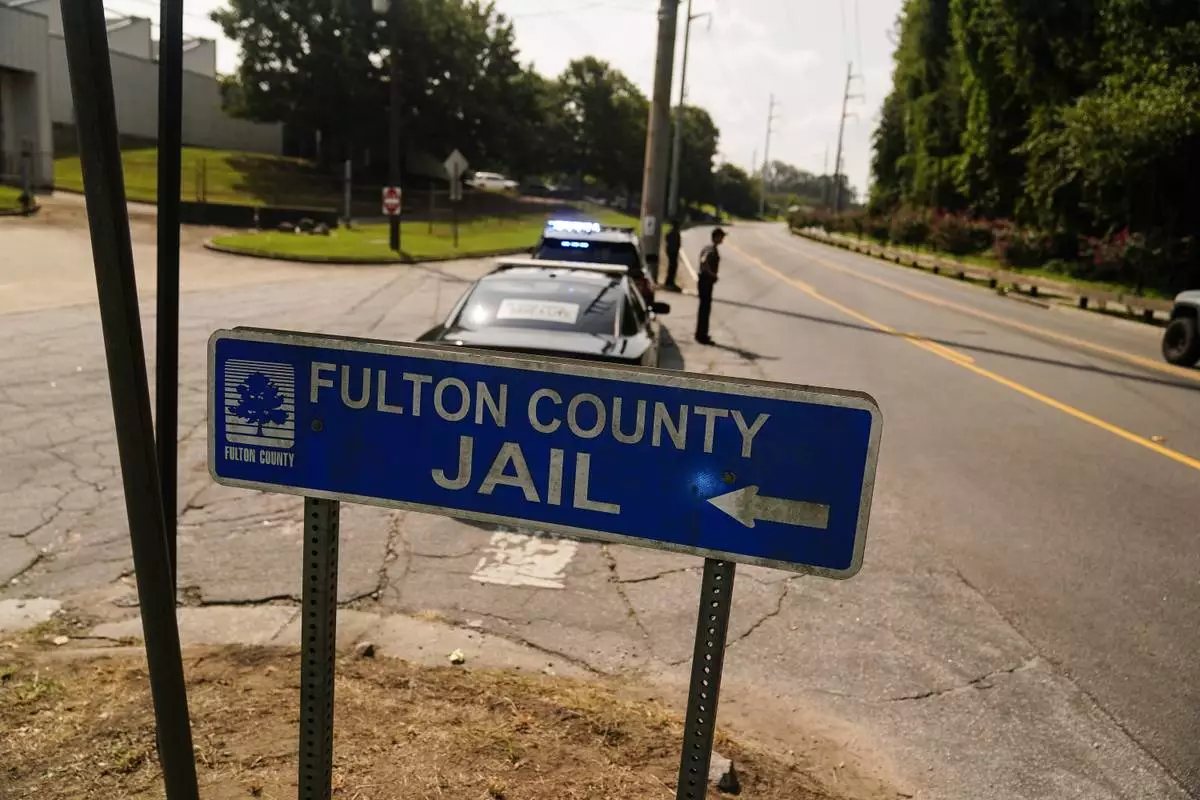
FILE - A Fulton County Jail signs points to where the jail is located, Aug. 24, 2023, in Atlanta. (AP Photo/Brynn Anderson, File)
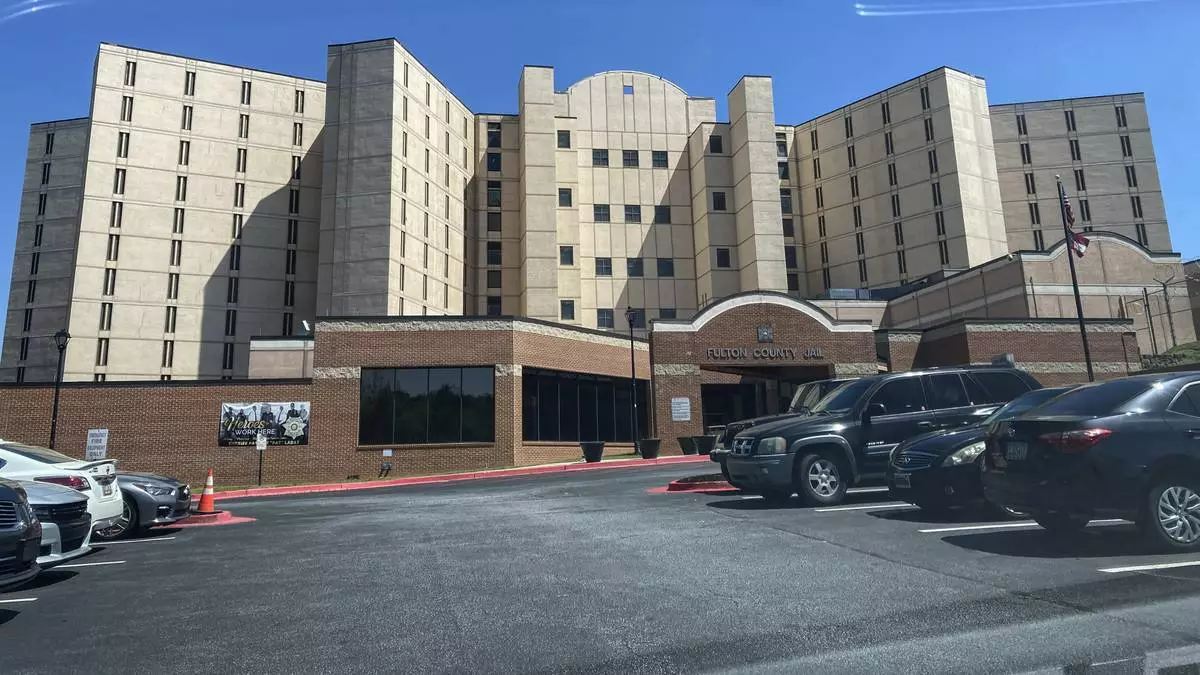
FILE - Vehicles are parked outside the Fulton County Jail, April 11, 2023, in Atlanta. (AP Photo/Kate Brumback, File)
NARA, Japan (AP) — In Japan's ancient capital, Nara, deer moved through grass fields and shaded paths, lowering their heads toward visitors holding special crackers made just for them.
Nara this week hosted a Japan–South Korea summit, with Japanese Prime Minister Sanae Takaichi, who is from the city, welcoming South Korean President Lee Jae Myung.
But despite the high-level diplomacy, the deer were still stars of the show.
Tourists around the park stopped to watch or feed the animals with crackers, sold by vendors, that are made from flour and rice husks.
When the deer fix their gazes on visitors, many responded by pulling out crackers and stepping closer.
Not all encounters were gentle. Some deer nudged visitors from behind, sniffing backpacks and shopping bags. Others tried to nibble at coat pockets or chew at clothing when they suspected food was hidden there.
Some visitors hesitated, appearing nervous, but fed the deer anyway. As the animals stepped closer, many tourists recoiled, taking a step back or letting out brief screams. Others lifted their phones to take pictures.
More than 1,000 deer live in the park and surrounding areas. They roam freely across lawns, sidewalks and temple grounds, resting under trees or gathering near food stalls. A few deer were seen wandering into nearby shops.
The deer are protected and are considered sacred according to local Shinto beliefs. Legend has it that a deity arrived in Nara riding a white deer more than a thousand years ago.
Nara was Japan’s first permanent capital in the eighth century and is home to several UNESCO World Heritage sites, including Todaiji temple and Kasuga shrine.
This is a photo gallery curated by AP photo editors.
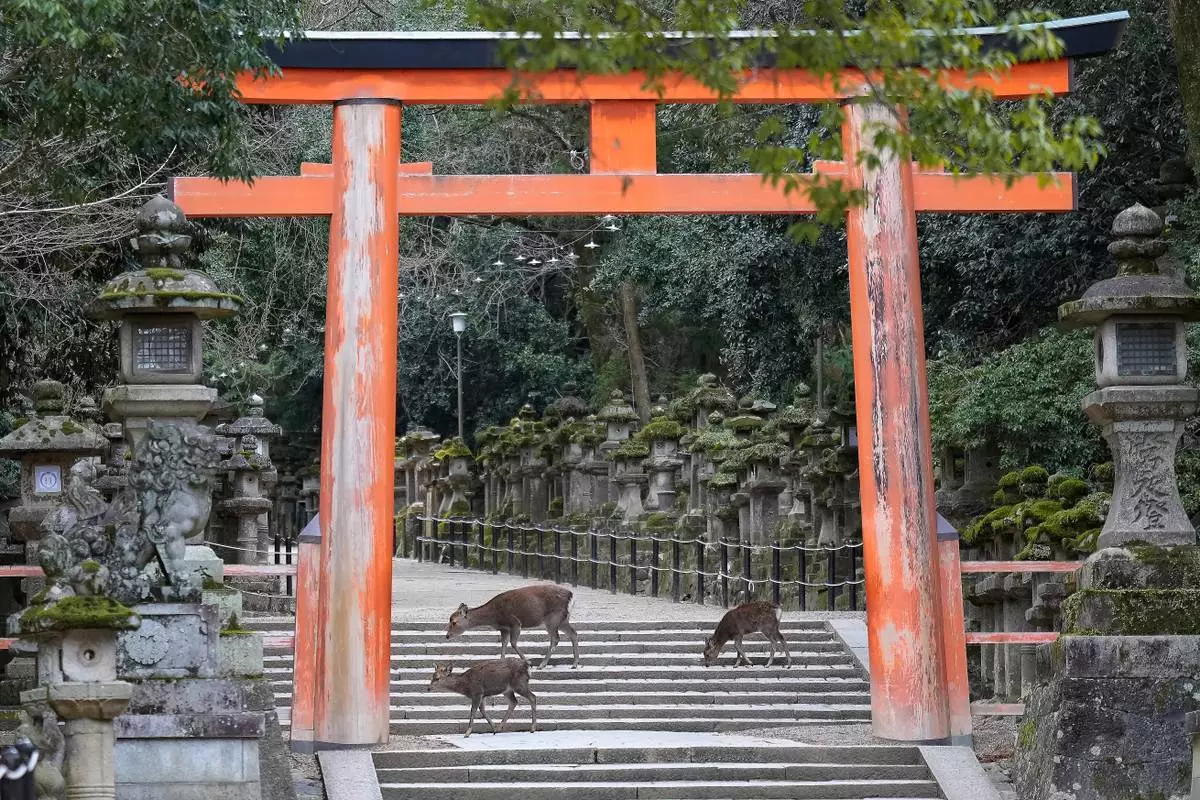
Deer stroll at a Torii shrine gate at Kasuga Taisha shrine in Nara, western Japan, Wednesday, Jan. 14, 2026, where more than 1,000 free-roaming deer considered sacred in Shinto belief have become one of the city's most popular tourist attractions. (AP Photo/Eugene Hoshiko)
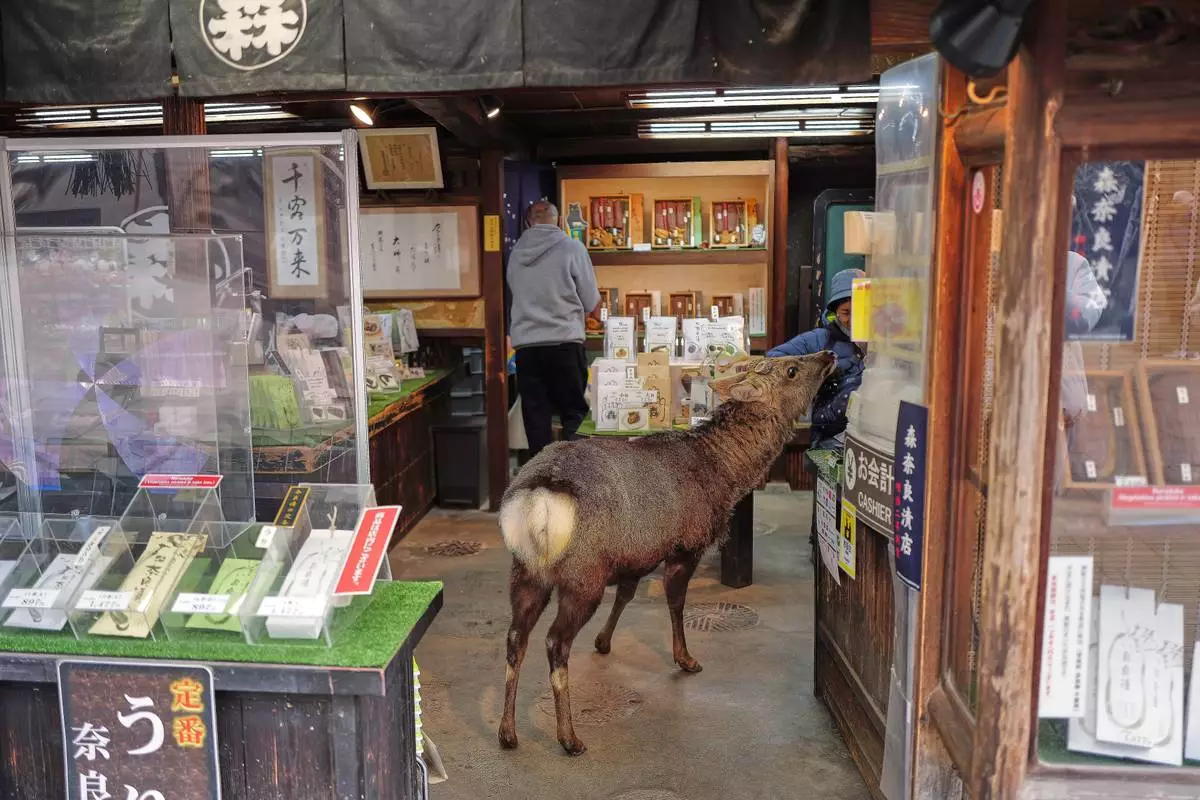
A deer walks into a shop at a park in Nara, western Japan, Wednesday, Jan. 14, 2026, where more than 1,000 free-roaming deer considered sacred in Shinto belief have become one of the city's most popular tourist attractions. (AP Photo/Eugene Hoshiko)
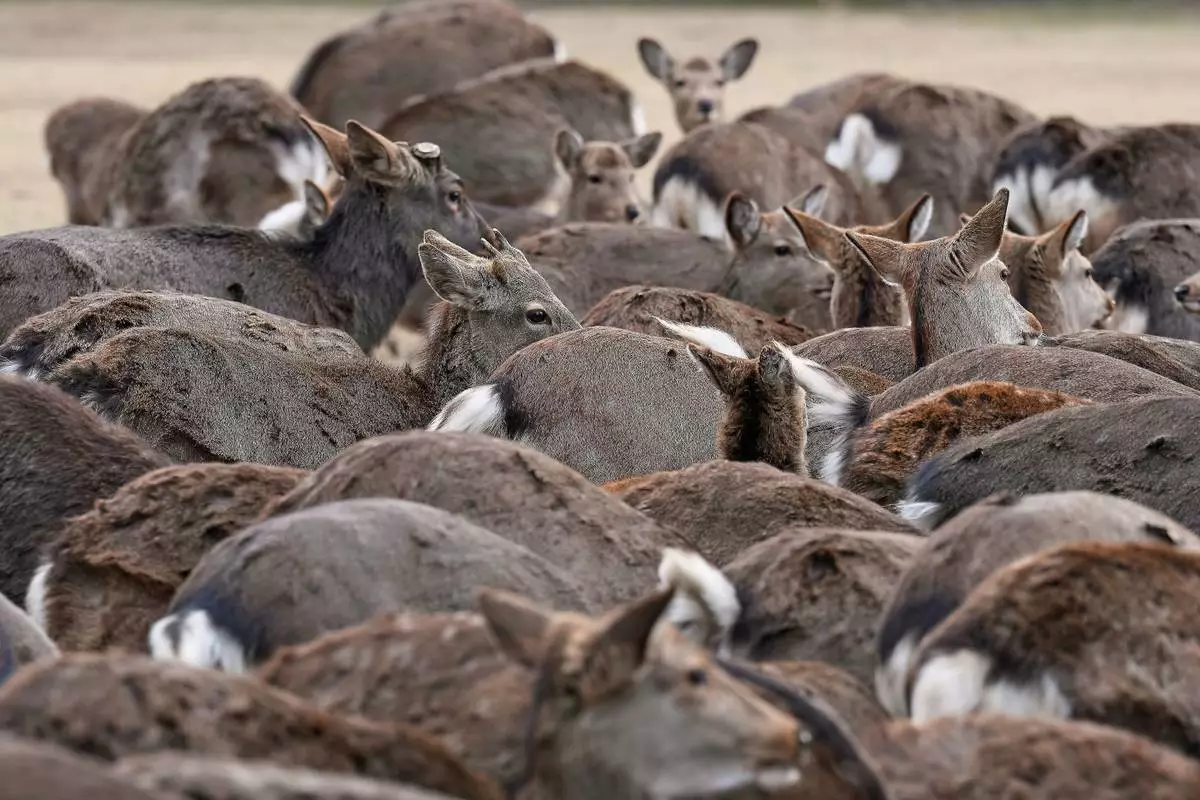
Deer wait for food from tourists at a park in Nara, western Japan, Wednesday, Jan. 14, 2026, where more than 1,000 free-roaming deer considered sacred in Shinto belief have become one of the city's most popular tourist attractions. (AP Photo/Eugene Hoshiko)
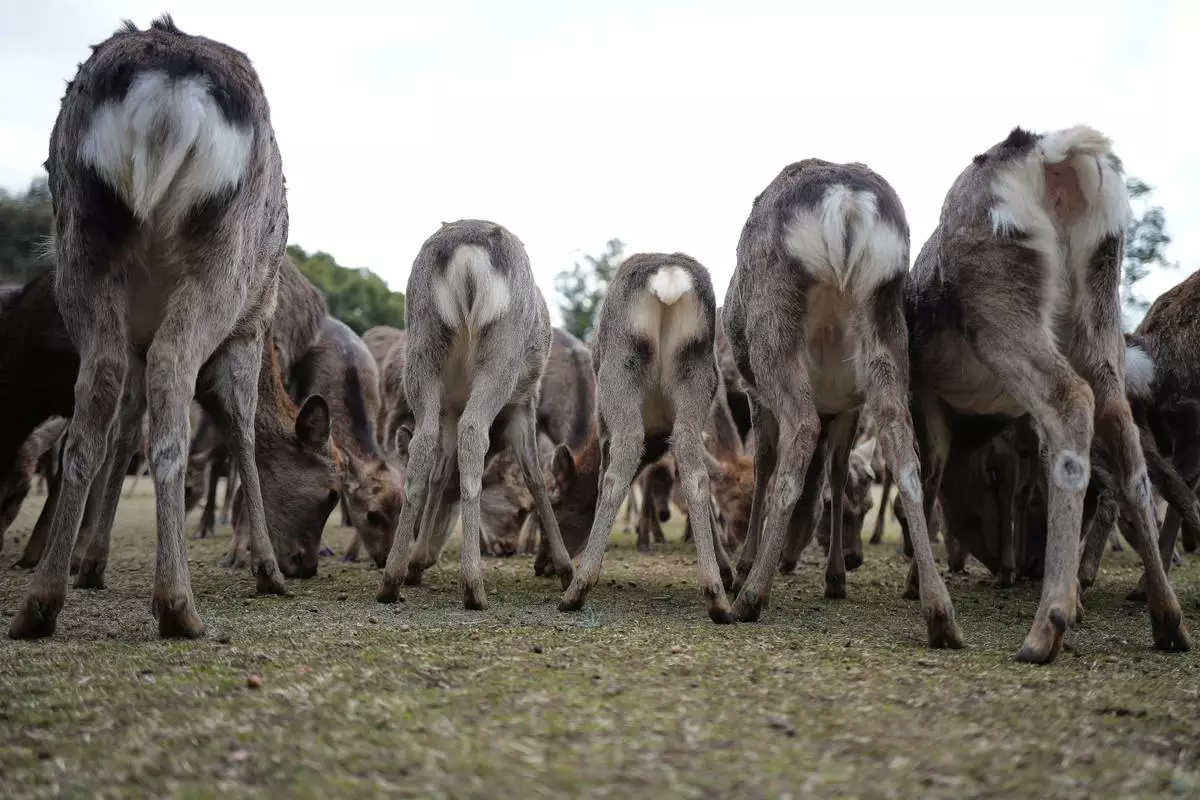
Deer are fed by a staff at a park in Nara, western Japan, Wednesday, Jan. 14, 2026, where more than 1,000 free-roaming deer considered sacred in Shinto belief have become one of the city's most popular tourist attractions. (AP Photo/Eugene Hoshiko)
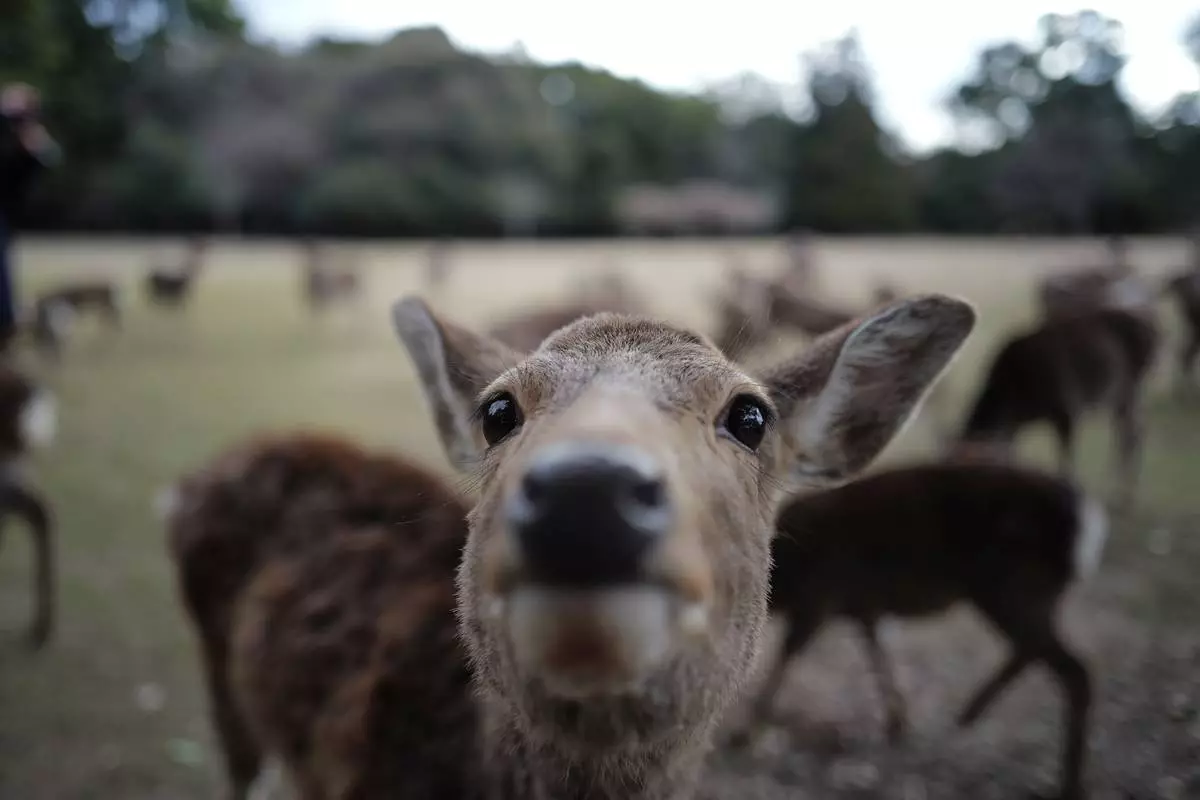
A deer waits for food from tourists at a park in Nara, western Japan, Wednesday, Jan. 14, 2026, where more than 1,000 free-roaming deer considered sacred in Shinto belief have become one of the city's most popular tourist attractions. (AP Photo/Eugene Hoshiko)
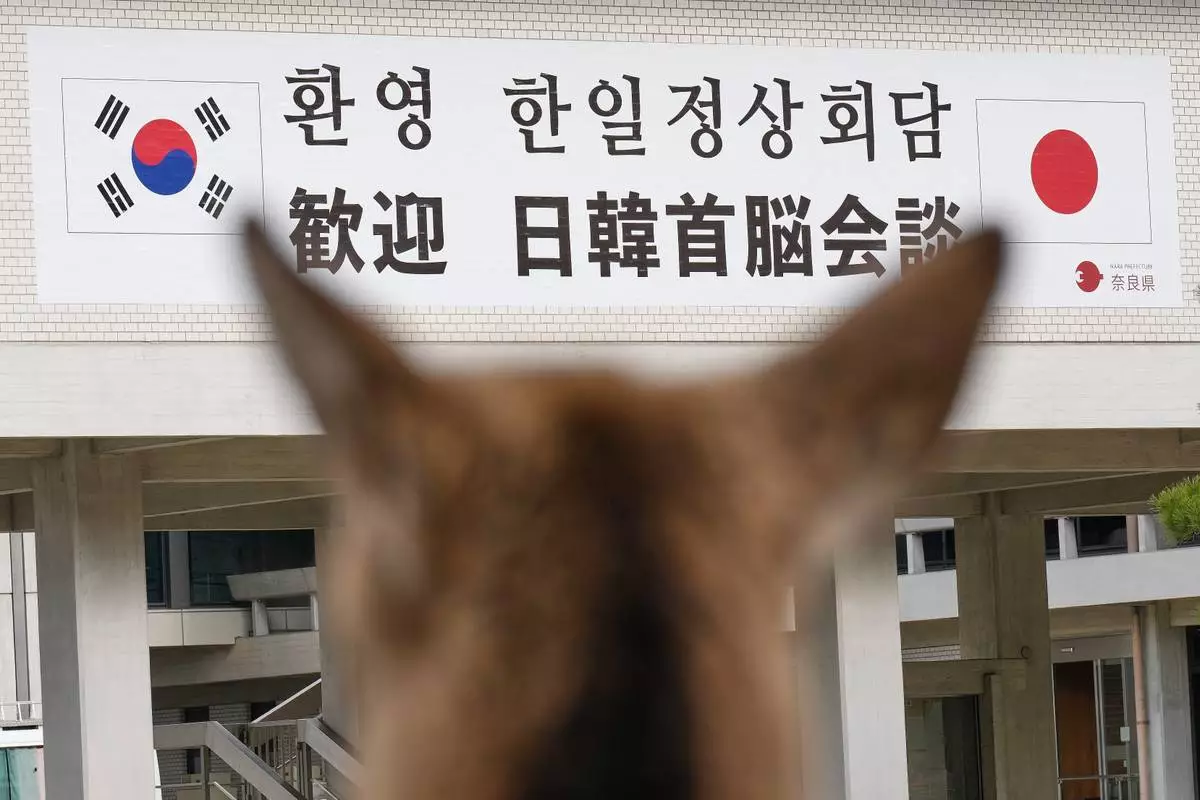
A deer stands in a park in Nara, western Japan, Wednesday, Jan. 14, 2026, near a banner reading "Welcome Japan-South Korea Summit Meeting" hoisted at a public building.(AP Photo/Eugene Hoshiko)
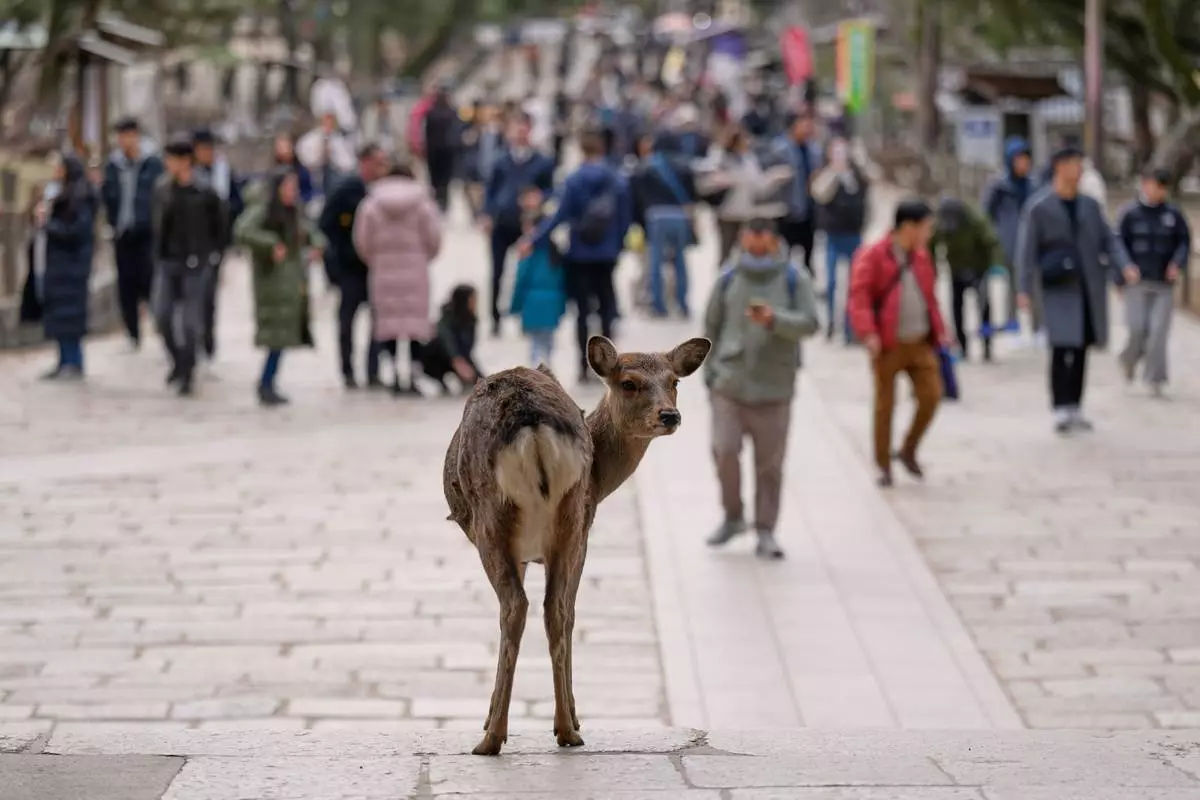
A deer waits for food from tourists near Todaiji temple, in Nara, western Japan, Wednesday, Jan. 14, 2026, where more than 1,000 free-roaming deer considered sacred in Shinto belief have become one of the city's most popular tourist attractions. (AP Photo/Eugene Hoshiko)
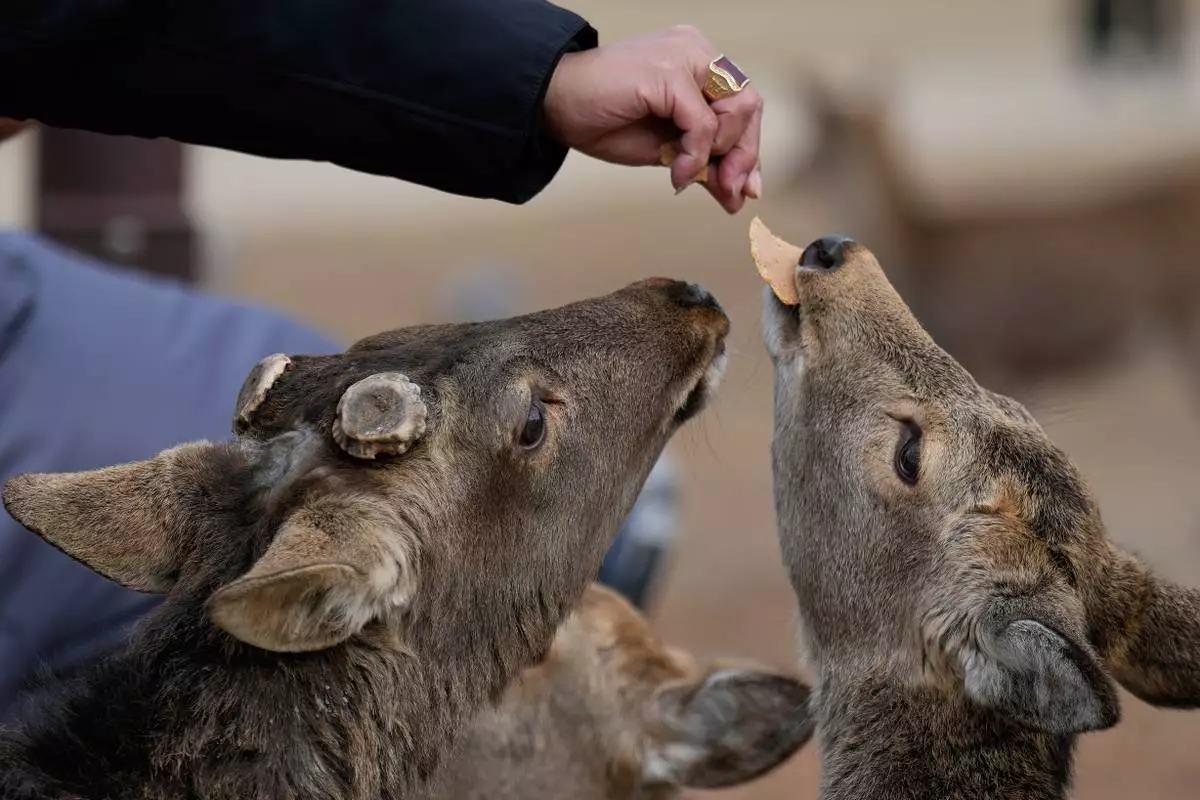
A tourist feeds deer at a park, in Nara, western Japan, Wednesday, Jan. 14, 2026, where more than 1,000 free-roaming deer considered sacred in Shinto belief have become one of the city's most popular tourist attractions. (AP Photo/Eugene Hoshiko)
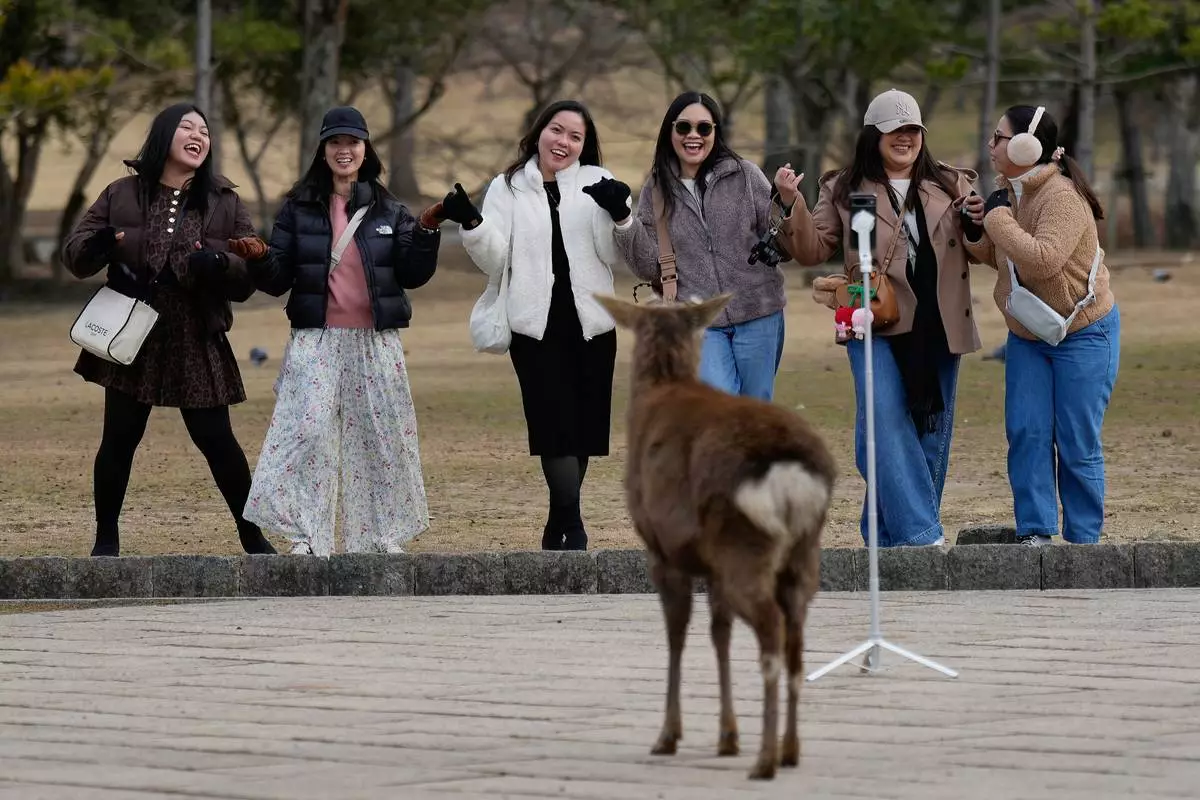
Tourists pose for their selfie as a deer waits for food at a park, in Nara, western Japan, Wednesday, Jan. 14, 2026, where more than 1,000 free-roaming deer considered sacred in Shinto belief have become one of the city's most popular tourist attractions. (AP Photo/Eugene Hoshiko)
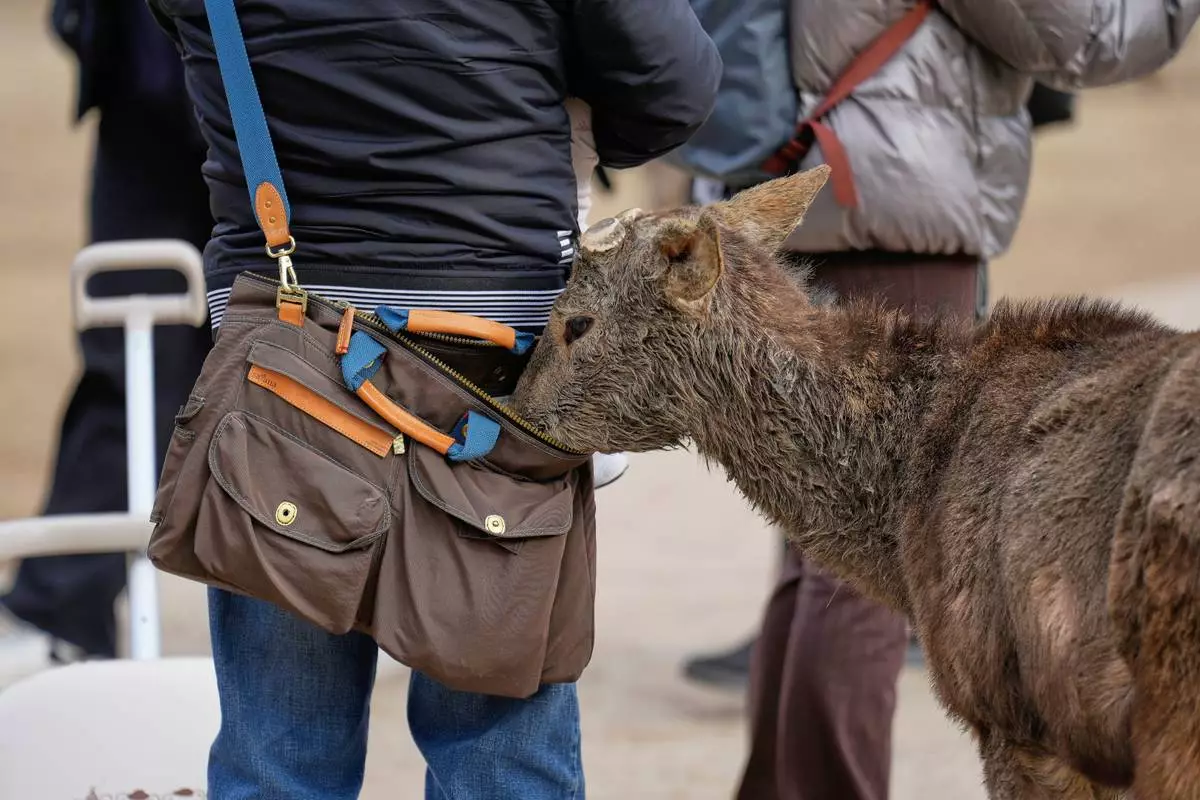
A deer pokes its head into a tourist's bag while looking for food at a park, in Nara, western Japan, Wednesday, Jan. 14, 2026, where more than 1,000 free-roaming deer considered sacred in Shinto belief have become one of the city's most popular tourist attractions. (AP Photo/Eugene Hoshiko)
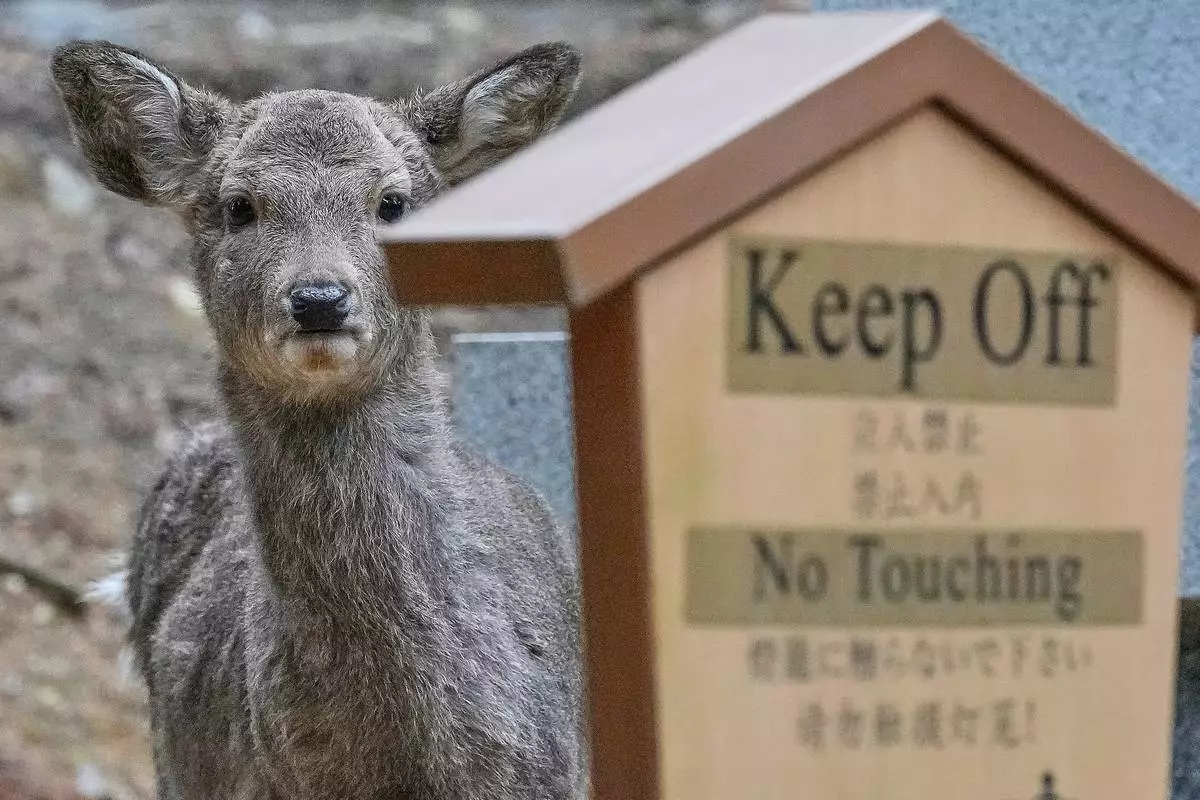
A deer peeks behind of a sign at a park in Nara, western Japan, Wednesday, Jan. 14, 2026, where more than 1,000 free-roaming deer considered sacred in Shinto belief have become one of the city's most popular tourist attractions. (AP Photo/Eugene Hoshiko)
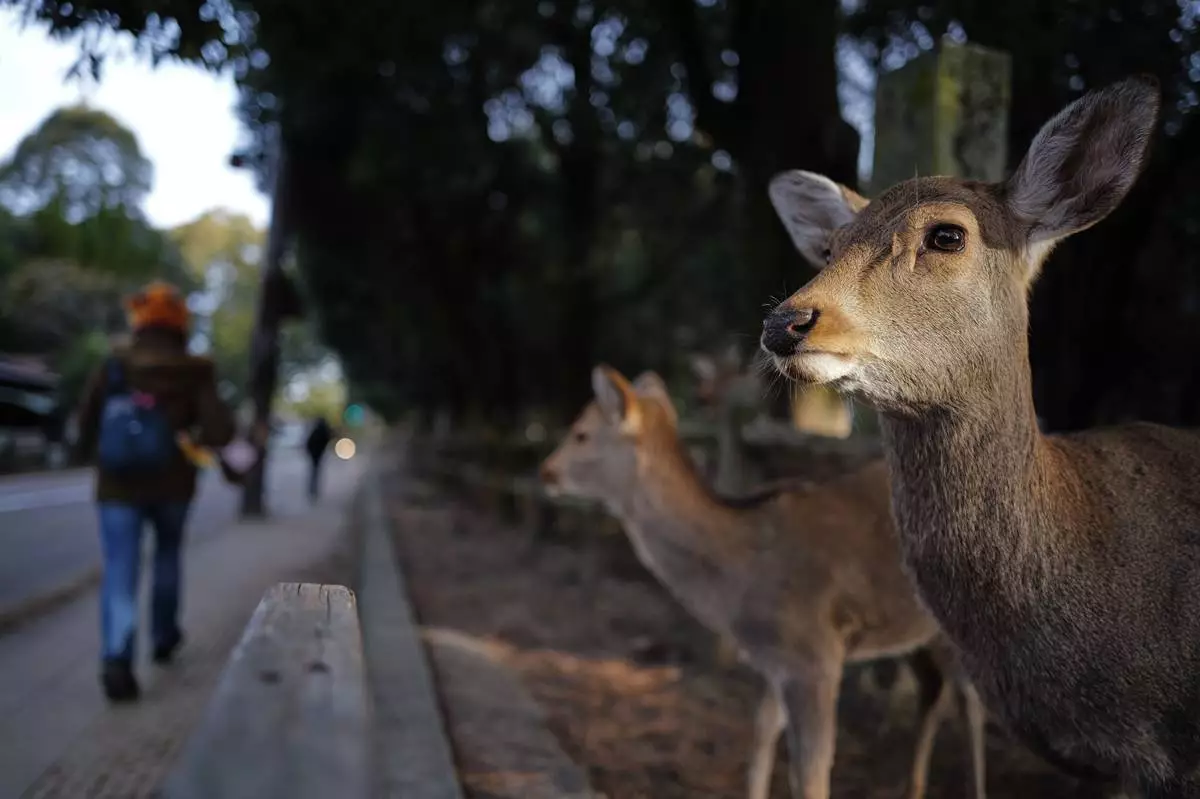
Deer stroll at a park in Nara, western Japan, early Wednesday, Jan. 14, 2026, where more than 1,000 free-roaming deer considered sacred in Shinto belief have become one of the city's most popular tourist attractions. (AP Photo/Eugene Hoshiko)
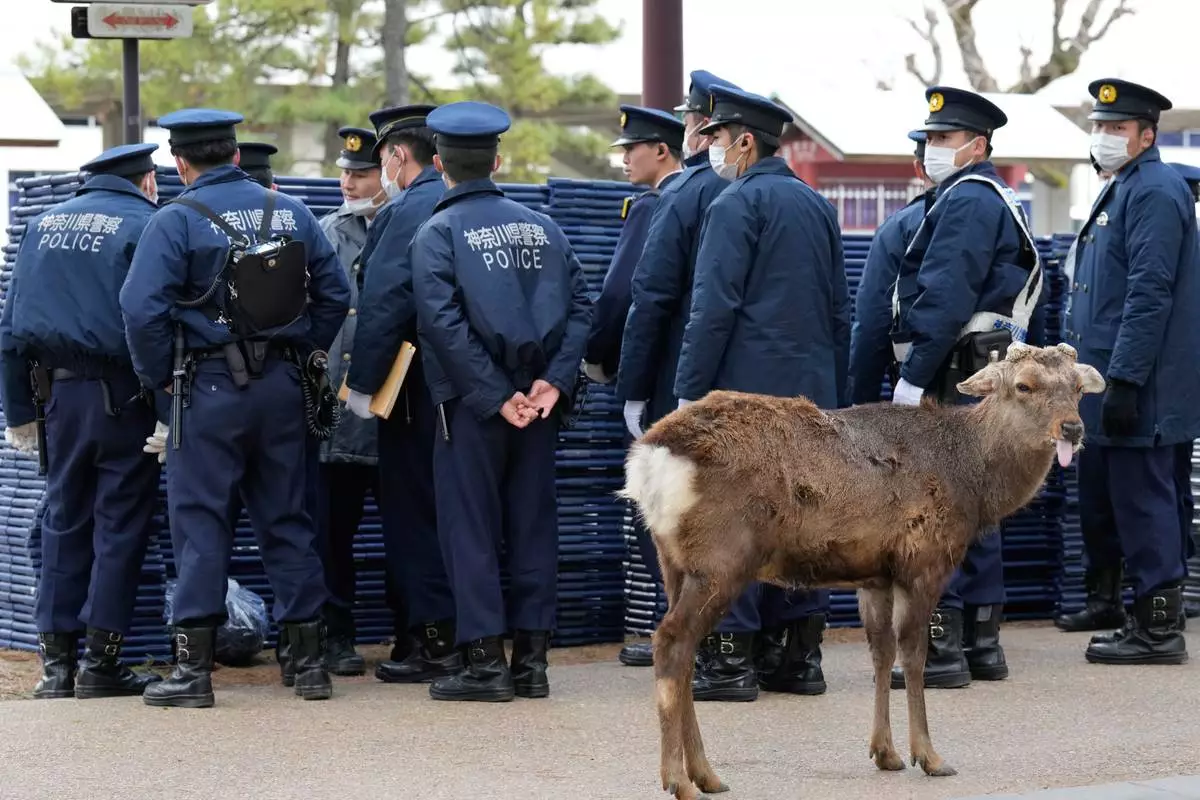
Police officers stand guard as a deer walks by in Nara, western Japan, Wednesday, Jan. 14, 2026. (AP Photo/Eugene Hoshiko)
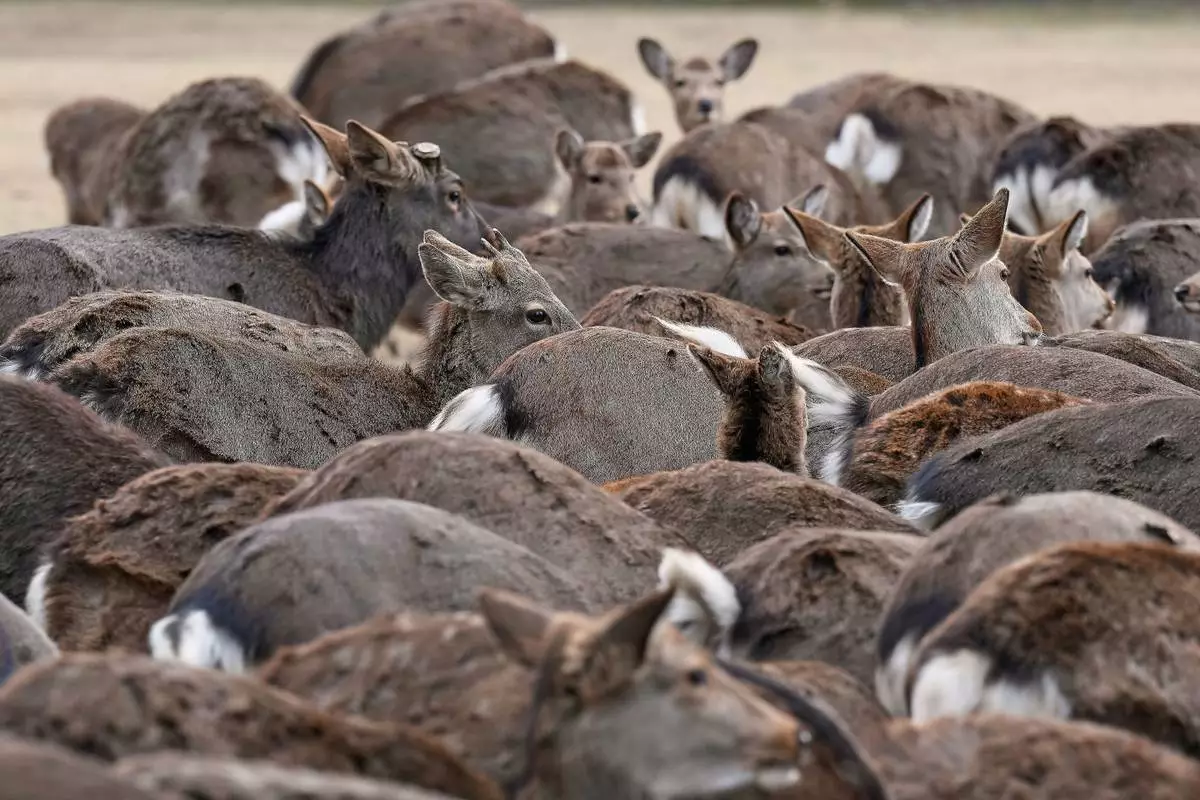
Deer wait for food from tourists at a park in Nara, western Japan, Wednesday, Jan. 14, 2026, where more than 1,000 free-roaming deer considered sacred in Shinto belief have become one of the city's most popular tourist attractions. (AP Photo/Eugene Hoshiko)
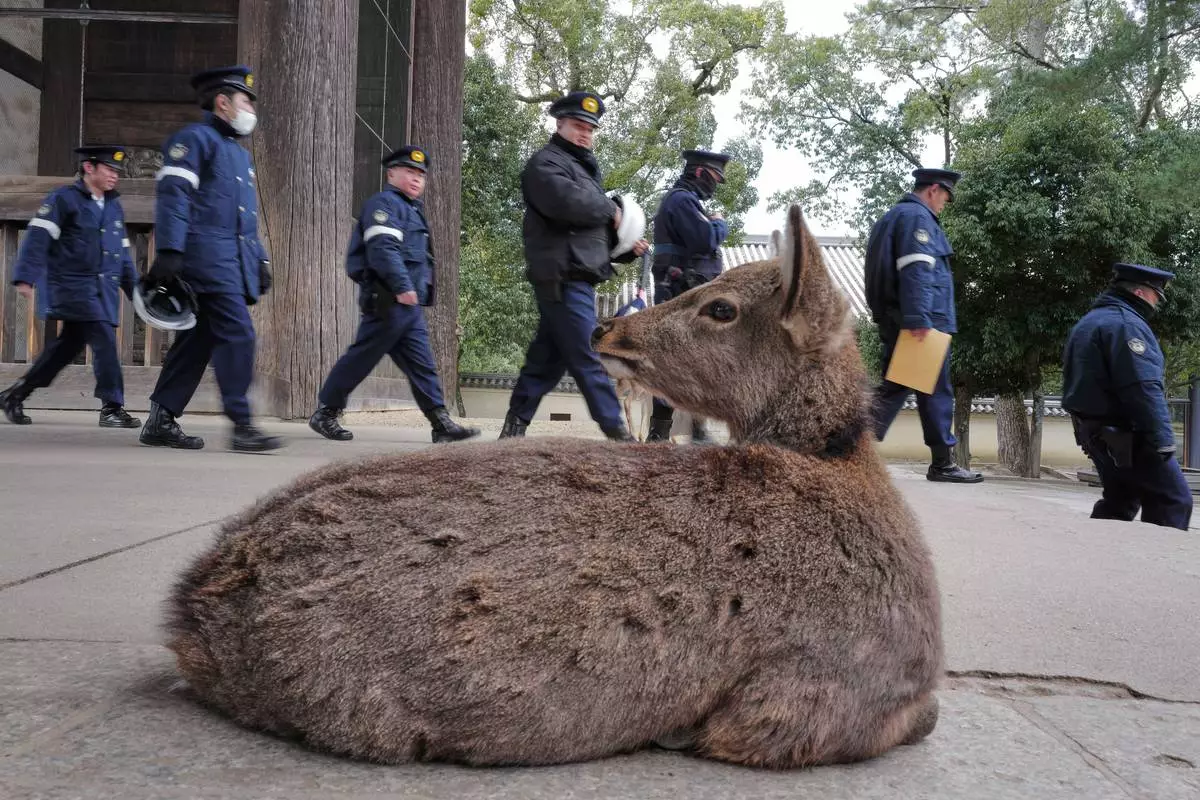
A deer rests at Todaiji temple in Nara, western Japan, Wednesday, Jan. 14, 2026, in Nara, western Japan, as police officers walk by. (AP Photo/Eugene Hoshiko)