A wide variety of new fabrics and new technologies are on display at the ongoing 137th China Import and Export Fair in south China's Guangzhou City, reflecting the accelerated evolution in the country's textile industry.
Running from April 15 to May 5, the 137th China Import and Export Fair, popularly known as the Canton Fair, is divided into three themed phases -- "Advanced Manufacturing," "Quality Home Living," and the current phase, "Better Life," which opened on Thursday.
At the home textiles section of the fair, more than 1,600 exhibitors are showcasing their latest products and innovations at over 3,100 booths covering a total area of 65,700 square meters.
The new materials on display include optical variable yarns, soil-release fabric, wrinkle-resistant fabric, and anti-static fabric made of polyester cotton conductive yarn.
As for the new technologies, a shining example is a system integrating a fabric tester, a scanner, and a digital "library" that can store the information of more than 10,000 kinds of fabrics to help with garment design and production.
Equipped with 3D flexible simulation technology, the digital system allows designers to zoom in to see the texture of each yarn of a garment and conduct realistic simulation to see whether the garments fit.
It can shorten the garment sampling period from the previous 30 days to four or five days, greatly improving efficiency and reducing costs. Held twice a year, each edition of the Canton Fair sees brand new fabrics and new technologies, demonstrating the innovation vitality of Chinese textile companies.
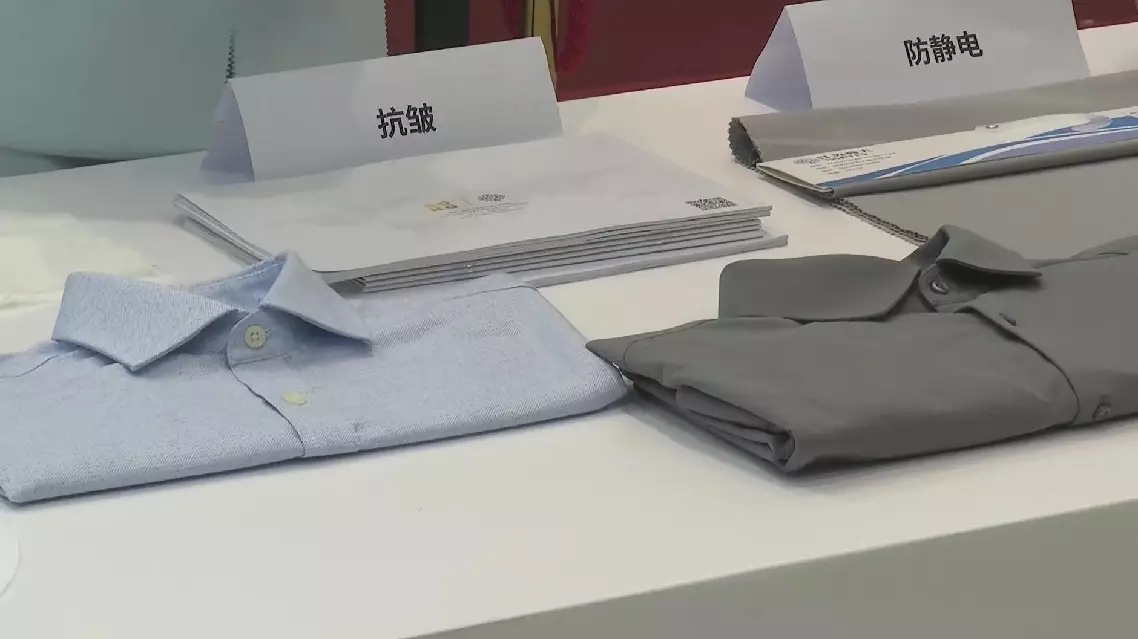
Canton Fair showcases new textile materials, technologies
Hamas announced on Saturday the start of its meetings in the Egyptian capital, Cairo, with Palestinian factions and mediators to discuss the implementation of the ceasefire agreement and the future of the Gaza Strip.
Hamas spokesperson Hazem Qassem told reporters that the meetings aim to complete what was agreed upon in the first phase, including halting "Israeli aggression and escalation, assassinations, opening the crossings, and allowing the entry of the National Committee."
Discussions will then move to seek reasonable and acceptable approaches for all parties regarding the second phase, whether it involves the entry of international forces or the Gaza technocratic committee into the enclave, or addressing the issue of Palestinian weapons, Qassem added.
He said that Hamas prioritizes the Palestinian people's interest and seeks to "remove any pretexts for Israel to resume war on the Gaza Strip."
A Hamas delegation led by its leader in Gaza, Khalil al-Hayya, along with other faction representatives, arrived in Cairo on Friday for the multi-day talks.
These developments come as the fragile October 2025 ceasefire between Hamas and Israel falters, with key provisions, including disarmament and reconstruction, yet to be implemented.
The first phase of the ceasefire included an exchange of prisoners and detainees, the entry of humanitarian aid into the strip, and the withdrawal of Israeli forces from some areas.
The United States announced in mid-January the start of the second phase of the ceasefire, which includes a complete Israeli military withdrawal, Hamas disarmament, reconstruction, and the establishment of a transitional governing body in the Gaza Strip.
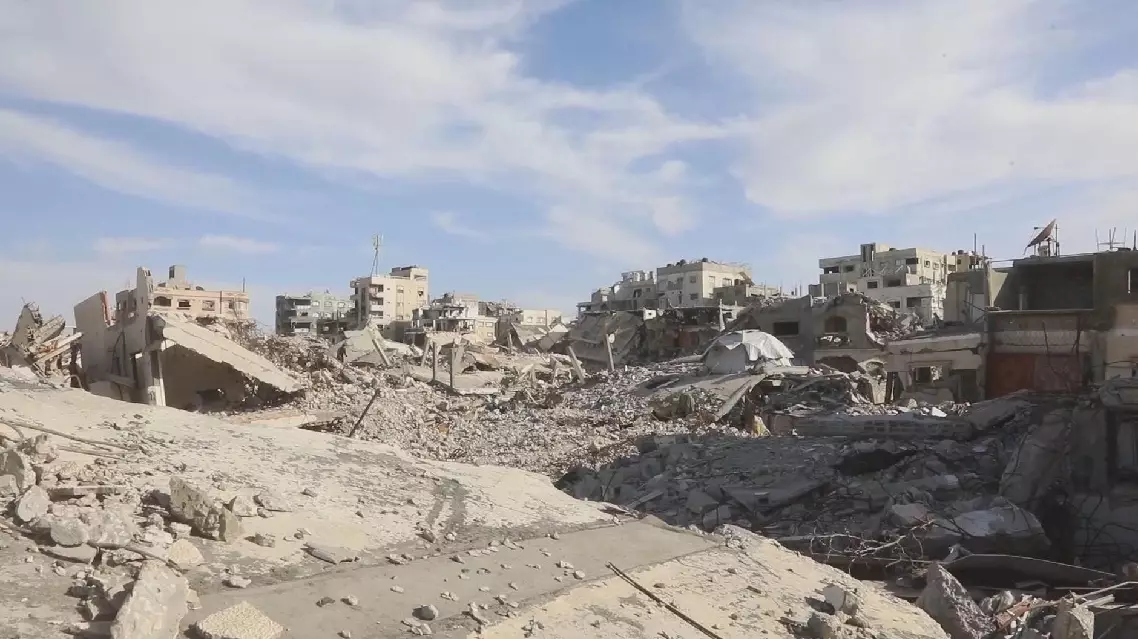
Hamas says Cairo talks begin to discuss Gaza ceasefire implementation