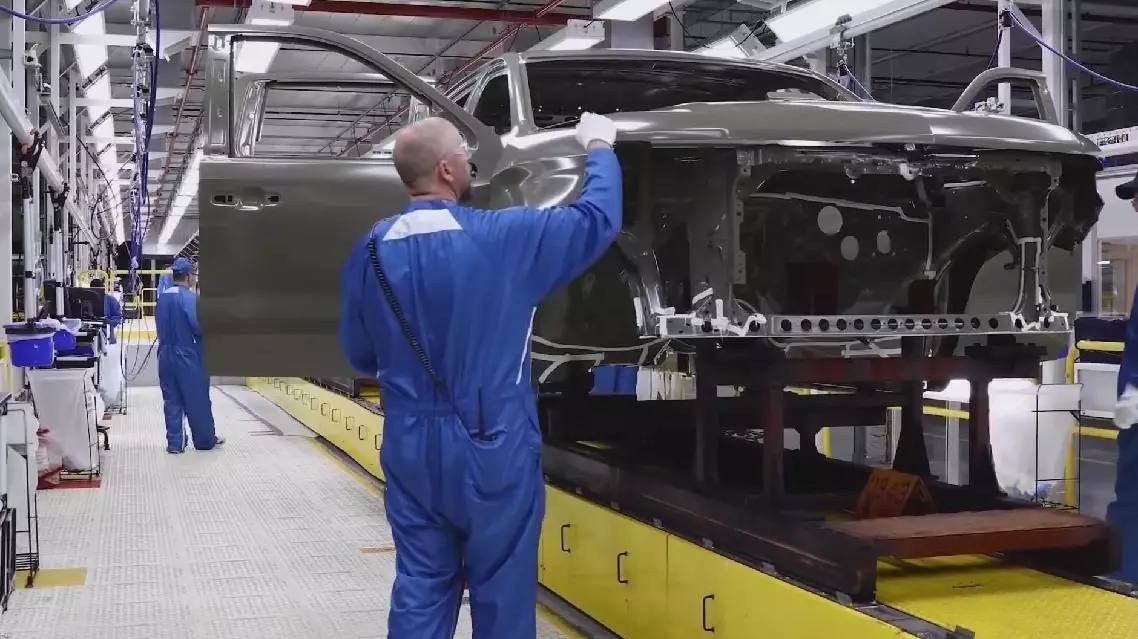
The United States' new 25 percent tariff on imported automotive parts officially came into effect on Saturday, sparking concerns over its potential long-term impact on both U.S. consumers and car manufacturers.
According to reports from U.S. media, the tariff is expected to significantly raise costs for the U.S. auto industry, potentially reshaping the landscape of the sector permanently.
For each vehicle, the additional tariff could add up to 4,000 dollars to the overall cost. Analysts warn that the move could result in an increase in costs for the automotive industry by billions of dollars in the coming months.
General Motors (GM) has already projected losses of four to five billion dollars this year due to the tariff. With vehicle prices expected to rise, repair costs are also set to soar, further exacerbating inflationary pressures across the U.S. economy.
To mitigate the effects of the tariff, U.S. car dealerships had ramped up inventory in advance, but reports indicate that these stocks are expected to run out by July.
In a related statement, California Governor Gavin Newsom expressed his concerns about the U.S. tariff policy, stating that global trade is not a zero-sum game and that trading partners are fundamentally interdependent.
Trump's trade policy, he added, has had a severe impact not only on trade but also on tourism, harming both small businesses and large corporations, and inflicting "incalculable" damage to U.S. credibility.
Investment mogul Warren Buffett also weighed in on the issue, warning that the new tariff policy could have severe global repercussions, calling it a "big mistake."
US auto parts tariff takes effect, raises domestic woes
China’s fiscal policy in 2026 maintains strong spending to stabilize growth while strategically shifting focus towards both consumption stimulus and technological innovation, said an economist on Friday.
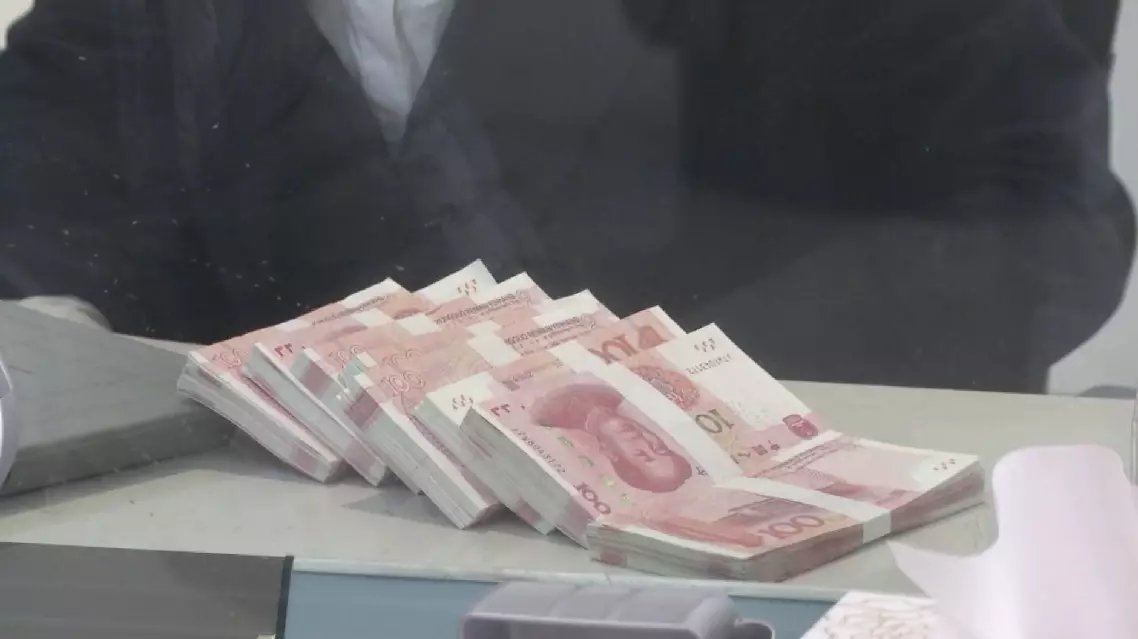
Luo Zhiheng, chief economist at Yuekai Securities, made the comments following the release of the 2026 central and local draft budget, which sets the deficit-to-GDP ratio at approximately 4 percent and projects general public budget expenditures to reach 30 trillion yuan (about 4.14 trillion U.S. dollars) for the first time.
The 4 percent deficit target remains the same as that of last year. The national deficit is projected at 5.89 trillion yuan, an increase of 230 billion yuan from 2025. This includes a central government deficit of 5.09 trillion yuan and a local government deficit of 800 billion yuan, with the entire increase allocated to the central level. General public budget expenditures are expected to reach 30 trillion yuan, rising by approximately 1.27 trillion yuan year on year.
"This year's fiscal policy maintains a relatively strong intensity in terms of spending, laying a solid foundation for achieving our economic growth target of 4.5 to 5 percent this year. Whether fiscal expenditures are used for investment in people, addressing residents' concerns and boosting consumption, or for investment in infrastructure projects, they can all help stabilize our economic growth," said Luo.
According to the draft budget, the central government has allocated 1.25 trillion yuan in transfer payments for basic pensions to ensure timely and full payments. Spending on science and technology at the central level is set at 426.4 billion yuan, marking a 10 percent increase.
The more proactive fiscal policy for 2026 is not only reflected in the expanded scale of funds but also in the improvement of the efficiency of fund utilization, the economist noted. This involves enlarging the overall fiscal expenditure package to maintain necessary spending intensity while persistently optimizing the expenditure structure to enhance support for key areas, Luo added.
"Fiscal spending is increasingly focused on guaranteeing livelihoods, boosting consumption, and technological innovation. Guaranteeing livelihoods and boosting consumption represent efforts on the demand side, while technological innovation represents efforts on the supply side. This dual approach aims to achieve technological self-reliance and make our development more secure," said Luo.
China's fiscal policy focuses on demand-side stimulus, supply-side innovation: economist