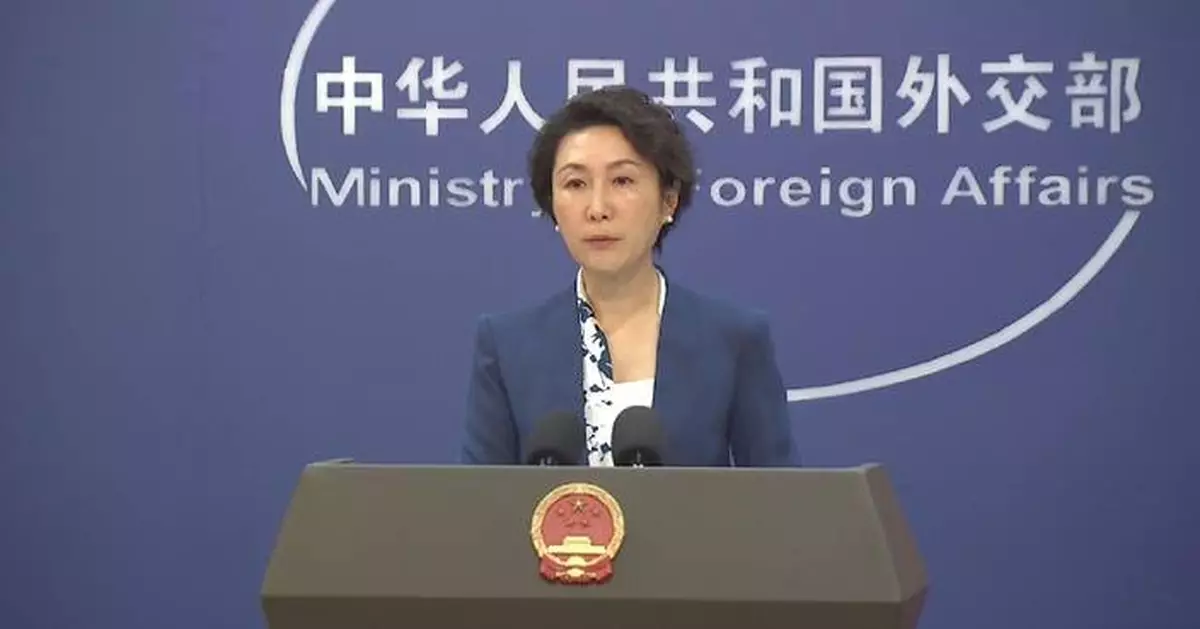
Maintaining security and stability of the Strait of Hormuz and its adjacent waters serves the common interests of the international community, Chinese Foreign Ministry Spokeswoman Mao Ning said on Friday.
Mao renewed China's call for ending military operations in the area at a daily press briefing in Beijing in response to a media query about the disruption of shipping lanes in the strait.
"The Strait of Hormuz and its adjacent waters are important international corridors for cargo and energy trade. Maintaining security and stability in this region aligns with the common interests of the international community. China urges all parties to immediately cease military actions, avoid further escalation of tensions, and prevent the regional turmoil from having a greater impact on global economic development," the spokeswoman said.
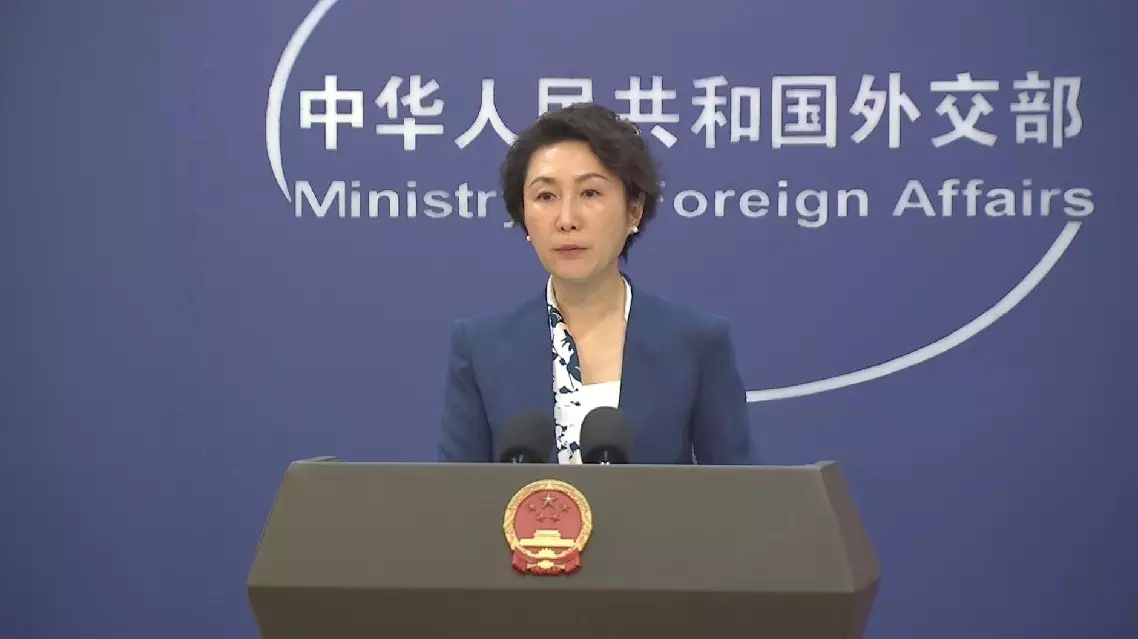
Maintaining security, stability around Strait of Hormuz serves common interests of int'l community: spokeswoman
Both trading volume and turnover of China's national futures market increased in the first two months of this year, according to the latest industrial data released on Thursday.
According to the statistics of the China Futures Association, on a unilateral basis, the cumulative trading volume for the national futures market from January to February reached 1.415 billion contracts, with a cumulative trading value of 155.85 trillion yuan (about 22.57 trillion U.S. dollars), up 26.91 percent and 55.18 percent year-on-year, respectively.
The sectors of new energy metals and precious metals demonstrated particularly robust performance in February.
In February, trading volume of lithium carbonate futures surged 149.47 percent year on year, while turnover nearly tripled. Silver futures volume rose 8.9 percent year on year, with turnover soaring 185.8 percent.
Industry insiders attributed the strong growth to a haul of global and domestic factors.
"Around the Spring Festival, maintenance at smelting plants and Zimbabwe's suspension of lithium concentrate exports collectively fueled expectations of tightening lithium carbonate supply. Explosive demand for energy storage, coupled with boosted expectations of extended national subsidies for new energy vehicles and the bullish sentiment driven by rebounds in nonferrous metals and precious metals sectors, attracted funds for hedging and arbitrage into lithium carbonate futures," said Wang Jun, deputy general manager of Gelin Dahua Futures Co., Ltd.
"The surge stems from silver's dual characteristics and fundamental support. As an industrial metal with precious metal characteristics, silver is currently experiencing emerging demand driven by artificial intelligence and green transformation. Its price potential is unleashed when loose monetary conditions and robust industrial demand create a synergistic effect," said Liu Qingbin, chairman of Capital Jindu Futures Co., Ltd.
Additionally, financial futures and options markets saw active trading.
Among them, the CSI 500 Index Futures recorded a 10.4-percent increase in trading volume and a 55.5-percent rise in trading value year on year in February.
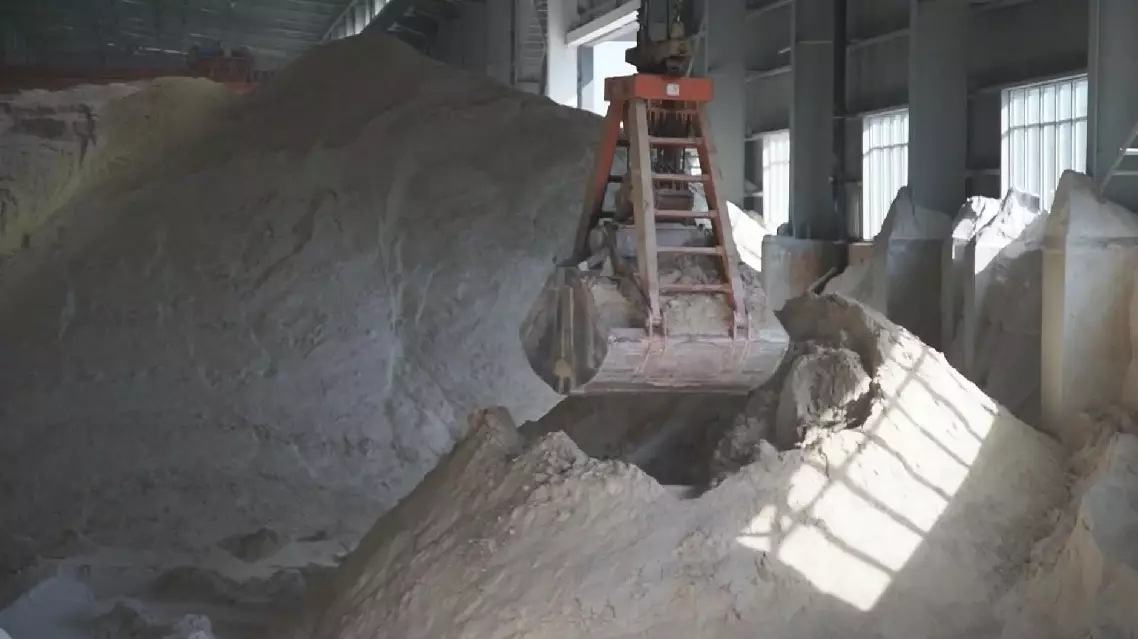
China logs growth in trading volume, turnover of its futures market