Skip to Content Facebook Feature Image

The federal Bureau of Prisons has lots of problems. Reopening Alcatraz is now one of them

News

The federal Bureau of Prisons has lots of problems. Reopening Alcatraz is now one of them
News

News

The federal Bureau of Prisons has lots of problems. Reopening Alcatraz is now one of them

2025-05-06 18:49 Last Updated At:18:50

Eleven inmate deaths in less than two months. More than 4,000 staff vacancies. A $3 billion repair backlog.

And now, a stunning directive from President Donald Trump for the crisis-plagued federal Bureau of Prisons to “REBUILD, AND OPEN ALCATRAZ!” — the notorious penitentiary on an island in San Francisco Bay that last held inmates more than 60 years ago.

More Images
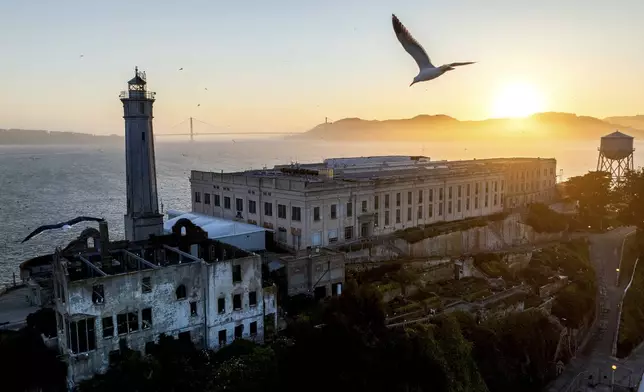
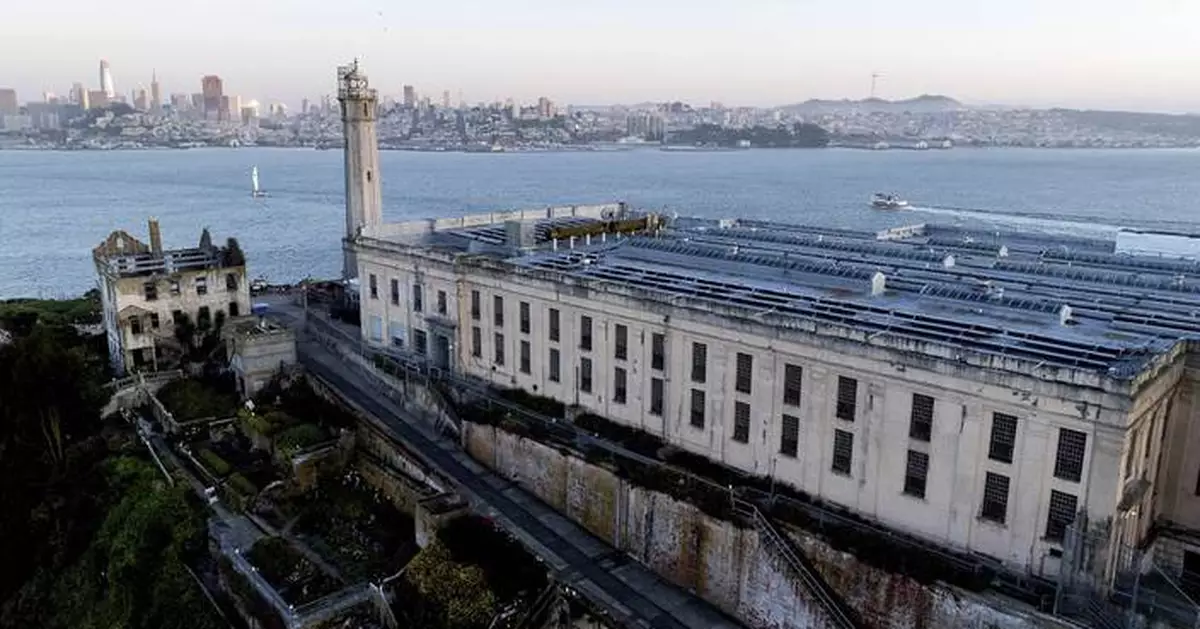
A bird flies above Alcatraz Island on Sunday, May 4, 2025, in the San Francisco Bay, Calif. (AP Photo/Noah Berger)
A bird flies above Alcatraz Island on Sunday, May 4, 2025, in the San Francisco Bay, Calif. (AP Photo/Noah Berger)

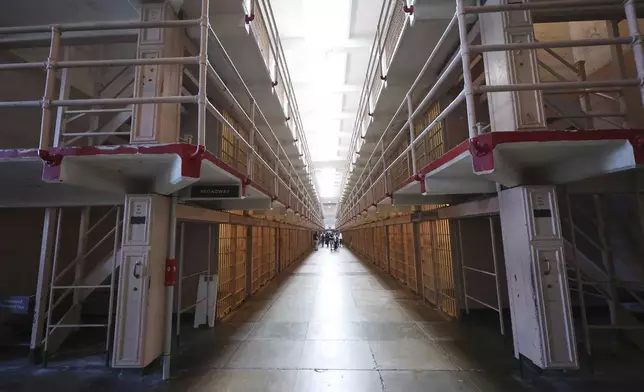
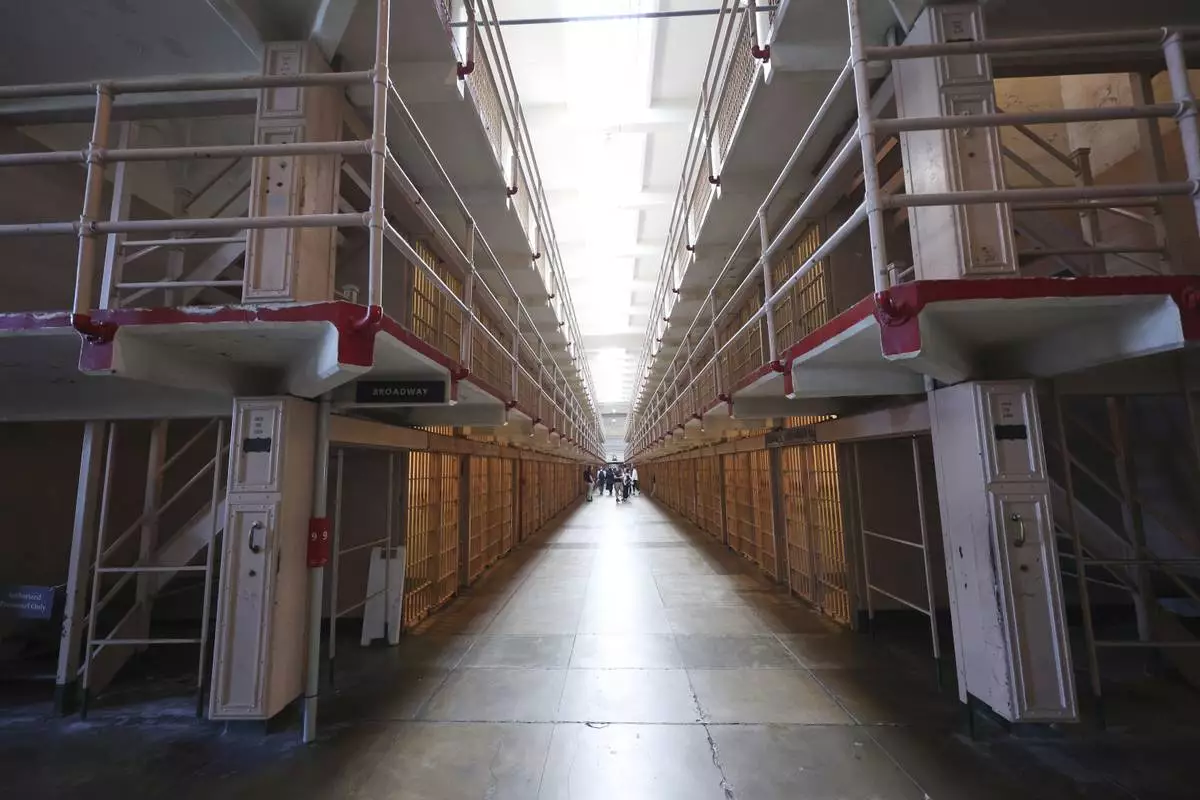
Visitors tour the prison cells on Alcatraz Island Monday, May 5, 2025, in San Francisco. (AP Photo/Jed Jacobsohn)
Visitors tour the prison cells on Alcatraz Island Monday, May 5, 2025, in San Francisco. (AP Photo/Jed Jacobsohn)

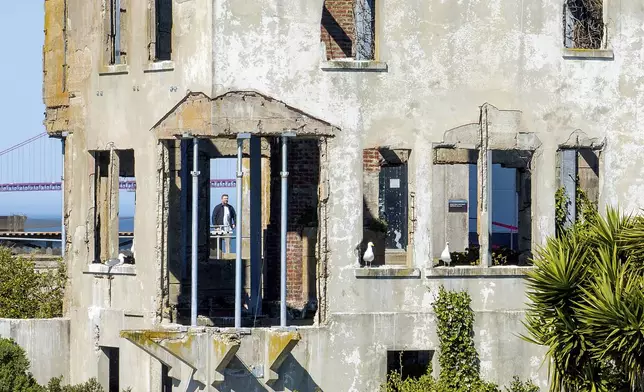
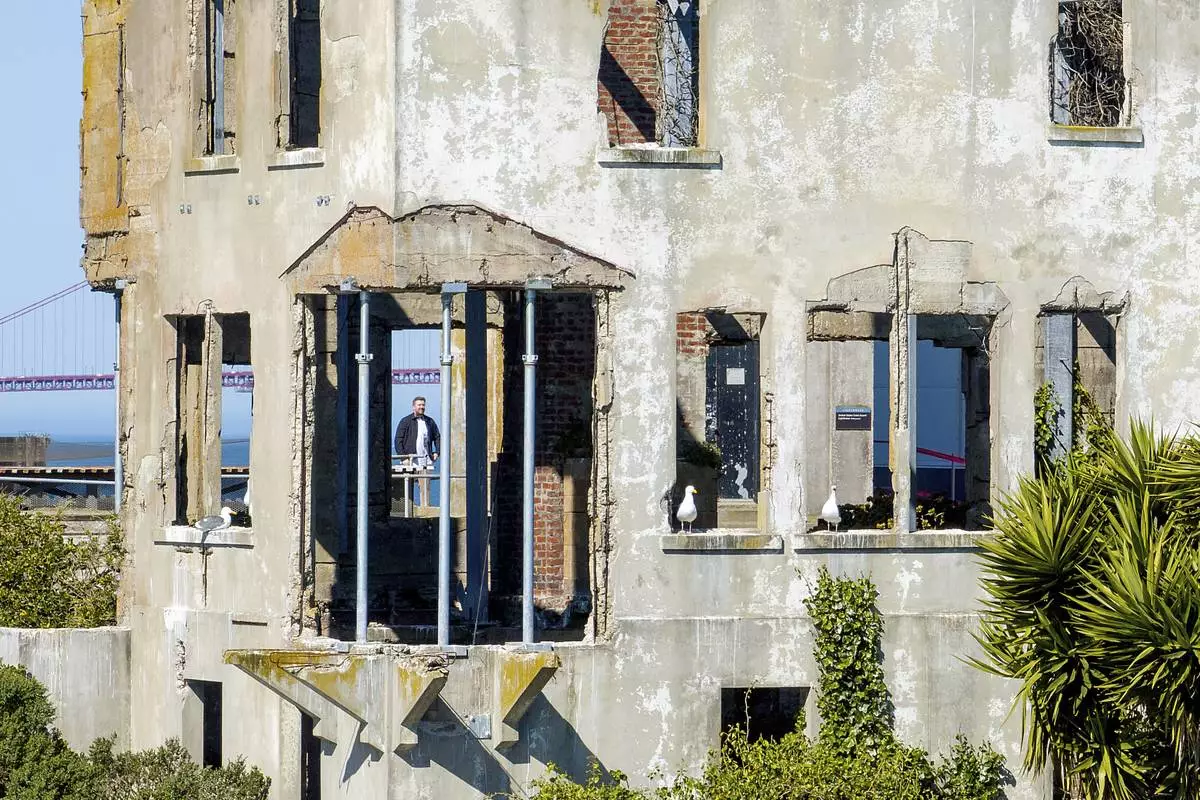
A visitor looks at the warden's house at Alcatraz Island on Monday, May 5, 2025, in San Francisco. (AP Photo/Noah Berger)
A visitor looks at the warden's house at Alcatraz Island on Monday, May 5, 2025, in San Francisco. (AP Photo/Noah Berger)

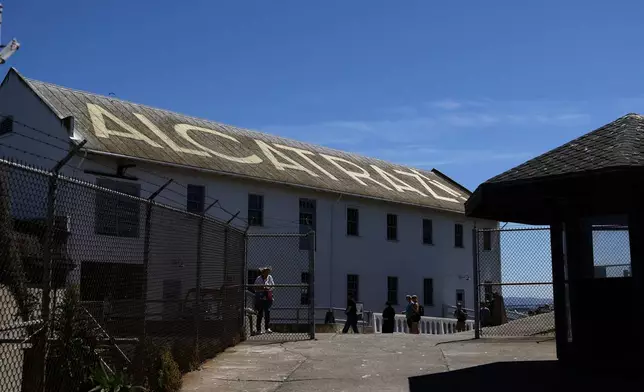
Visitors tour Alcatraz Island in San Francisco, Monday, May 5, 2025. (AP Photo/Jed Jacobsohn)
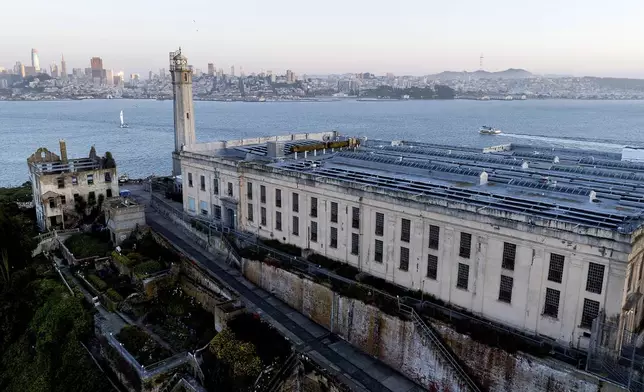
Visitors tour Alcatraz Island in San Francisco, Monday, May 5, 2025. (AP Photo/Jed Jacobsohn)

Alcatraz Island is pictured on Sunday, May 4, 2025, in the San Francisco Bay, Calif. (AP Photo/Noah Berger)

Alcatraz Island is pictured on Sunday, May 4, 2025, in the San Francisco Bay, Calif. (AP Photo/Noah Berger)

Even as the Bureau of Prisons struggles with short staffing, chronic violence and crumbling infrastructure at its current facilities, Trump is counting on the agency to fulfill his vision of rebooting the infamously inescapable prison known in movies and pop culture as “The Rock.”

Trump declared in a social media post Sunday that a “substantially enlarged and rebuilt” Alcatraz will house the nation’s “most ruthless and violent Offenders.” It will “serve as a symbol of Law, Order, and JUSTICE," he wrote on Truth Social.

Newly appointed Bureau of Prisons Director William K. Marshall III said Monday that the agency “will vigorously pursue all avenues to support and implement the President’s agenda” and that he has ordered “an immediate assessment to determine our needs and the next steps.”

“USP Alcatraz has a rich history. We look forward to restoring this powerful symbol of law, order, and justice,” Marshall said in a statement, echoing Trump’s post. “We will be actively working with our law enforcement and other federal partners to reinstate this very important mission.”

Alcatraz, a 22-acre (8.9 hectare) islet with views of the Golden Gate Bridge and the San Francisco skyline, was once the crown jewel of the federal prison system and home to some of the nation’s most notorious criminals, including gangsters Al Capone and George “Machine Gun” Kelly.

But skyrocketing repair and supply costs compelled the Justice Department to close the prison in 1963, just 29 years after it opened, and the Bureau of Prisons has long since replaced Alcatraz with modern penitentiaries, including a maximum-security prison in Florence, Colorado.

The former and perhaps future penitentiary is now a popular tourist attraction and a national historic landmark. It’s controlled by the National Park Service as part of the Golden Gate National Recreation Area, meaning the Bureau of Prisons could be in for an interagency tug of war if it tries to wrest away control of the island.

Trump’s Alcatraz directive is yet another challenge for the Bureau of Prisons as it struggles to fix lingering problems while responding to the president’s priorities on incarceration and immigrant detention. The agency’s mission, as redefined under Trump, includes taking in thousands of immigration detainees under an agreement with the Department of Homeland Security.

The problems at the Bureau of Prisons transcend administrations and facilities.

An ongoing Associated Press investigation has uncovered deep, previously unreported flaws within the Bureau of Prisons over the last few years, including widespread criminal activity by employees, dozens of escapes, the free flow of guns, drugs and other contraband, and severe understaffing that has hampered responses to emergencies.

Last year, then-President Joe Biden signed a law strengthening oversight of the agency. It remains the Justice Department’s largest agency, with more than 30,000 employees, 155,000 inmates and an annual budget of about $8 billion, but the Trump administration’s cost-cutting measures have eliminated some pay bonuses that were credited with retaining and attracting new staff.

That has resulted in long overtime shifts for some workers and the continued use of a policy known as augmentation, where prison nurses, cooks, teachers and other workers are pressed into duty to guard inmates.

Infrastructure is buckling, too. A Bureau of Prisons official told Congress at a hearing in February that more than 4,000 beds within the system — the equivalent of at least two full prisons — are unusable because of dangerous conditions like leaking or failing roofs, mold, asbestos or lead.

Since mid-March, 11 federal prison inmates have died. They include David Knezevich, a 37-year-old Florida businessman who was found dead April 28 in a suspected suicide at a federal jail in Miami. He was awaiting trial on charges he kidnapped and killed his estranged wife in Spain.

And on April 24, inmate Ramadhan Jaabir Justice was killed in a fight at the federal penitentiary in Pollock, Louisiana, where he was serving a nearly 11-year sentence for a conviction related to an armed robbery.

As Trump was ordering Alcatraz’s reopening Sunday, correctional officers at the same Miami jail were fighting to curb the spread of tuberculosis and COVID-19, isolating inmates after they tested positive for the diseases. Last month, immigration detainees at the facility ripped out a fire sprinkler and flooded a holding cell during a lengthy intake process.

Meanwhile, about 30 miles (50 kilometers) east of Alcatraz, the Federal Correctional Institution in Dublin, California, has sat idle for more than a year after the Bureau of Prisons cleared it of inmates in the wake of rampant sexual abuse by employees, including the warden.

In December, the agency made the closure permanent and idled six prison camps across the country to address “significant challenges, including a critical staffing shortage, crumbling infrastructure and limited budgetary resources.”

While Trump hails Alcatraz as a paragon of the federal prison system’s cherished past, other facilities stand as reminders of its recent troubles.

They include the federal jail in Manhattan, which remains idle after Jeffrey Epstein’s suicide there in 2019 exposed deep flaws in its operations, and a troubled federal lockup in Brooklyn, where 23 inmates have been charged in recent months with crimes ranging from smuggling weapons in a Doritos bag to the stabbing last month of a man convicted in the killing of hip-hop legend Jam Master Jay.
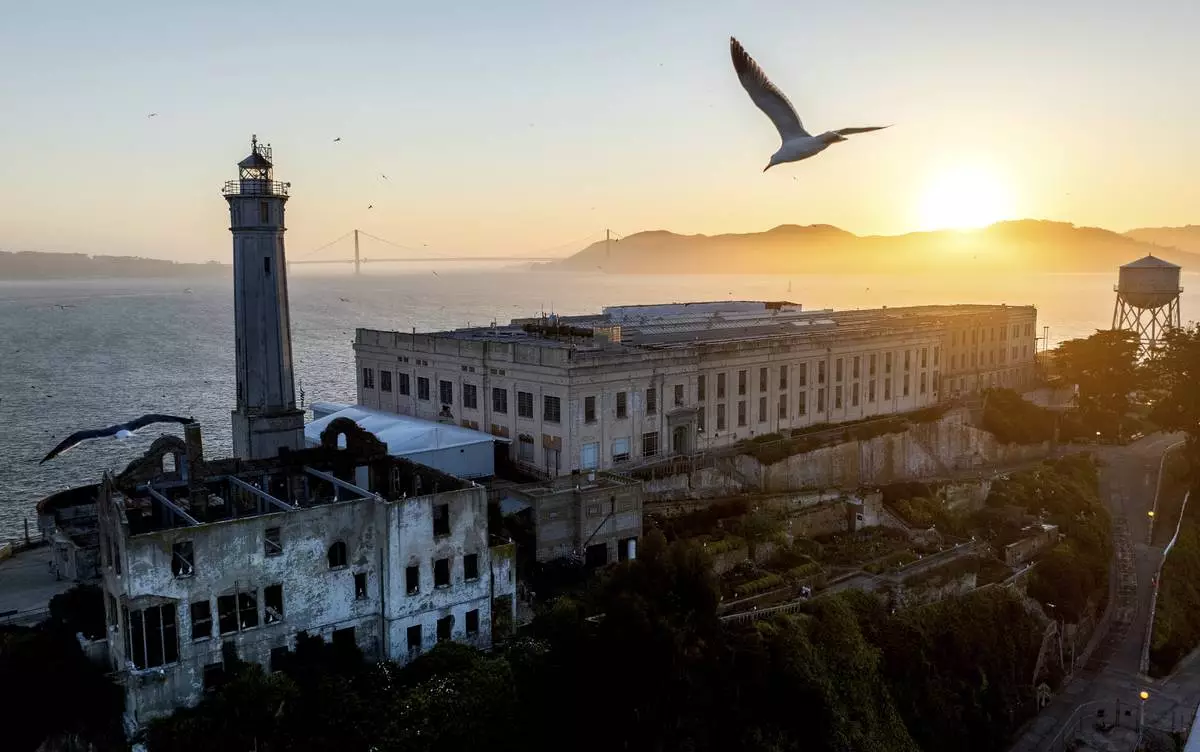
A bird flies above Alcatraz Island on Sunday, May 4, 2025, in the San Francisco Bay, Calif. (AP Photo/Noah Berger)
A bird flies above Alcatraz Island on Sunday, May 4, 2025, in the San Francisco Bay, Calif. (AP Photo/Noah Berger)

Visitors tour the prison cells on Alcatraz Island Monday, May 5, 2025, in San Francisco. (AP Photo/Jed Jacobsohn)
Visitors tour the prison cells on Alcatraz Island Monday, May 5, 2025, in San Francisco. (AP Photo/Jed Jacobsohn)

A visitor looks at the warden's house at Alcatraz Island on Monday, May 5, 2025, in San Francisco. (AP Photo/Noah Berger)
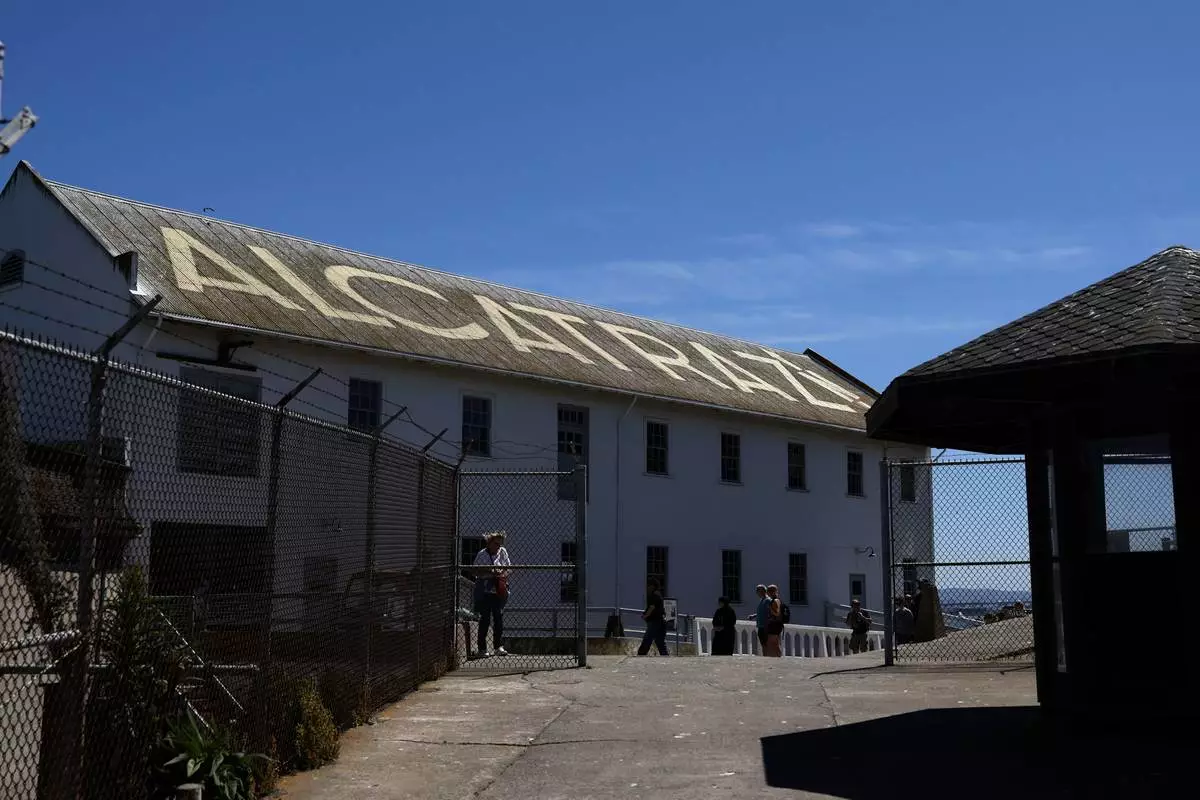
A visitor looks at the warden's house at Alcatraz Island on Monday, May 5, 2025, in San Francisco. (AP Photo/Noah Berger)

Visitors tour Alcatraz Island in San Francisco, Monday, May 5, 2025. (AP Photo/Jed Jacobsohn)
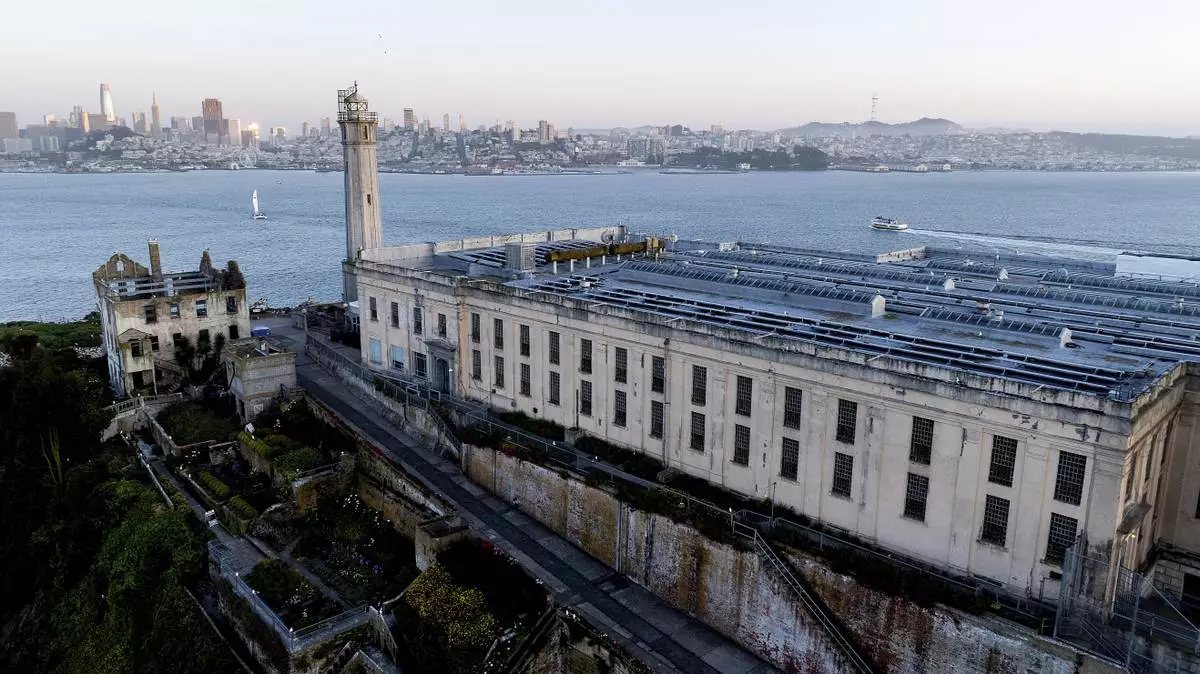
Visitors tour Alcatraz Island in San Francisco, Monday, May 5, 2025. (AP Photo/Jed Jacobsohn)

Alcatraz Island is pictured on Sunday, May 4, 2025, in the San Francisco Bay, Calif. (AP Photo/Noah Berger)

Alcatraz Island is pictured on Sunday, May 4, 2025, in the San Francisco Bay, Calif. (AP Photo/Noah Berger)

WASHINGTON (AP) — In a lightning military strike, the U.S. captured Venezuelan President Nicolás Maduro and his wife, Cilia Flores, and spirited them out of the country to face justice in the United States.

Now President Donald Trump says the U.S. is “going to run” Venezuela until a transition of power can take place, but it's not clear what that will mean on the ground in the South American country.

The overnight operation left Venezuela reeling, with its leadership uncertain and details of casualties and the impact on its military still to emerge. Much is still unknown about how the U.S. ouster of Maduro will ricochet across the country and the region.

Here’s what we know — and what we don’t.

Explosions rang out and low-flying aircraft swept through Venezuela’s capital, Caracas, early Saturday. At least seven blasts were heard in an attack that lasted less than 30 minutes. The targets appeared to include military infrastructure.

Venezuelan ruling party leader Nahum Fernández said Maduro and Flores were captured at their home within the Ft. Tiuna military installation outside Caracas.

Venezuelan officials said people had been killed, but the scale of casualties was unclear.

The attack followed months of escalating pressure by the Trump administration, which has built up naval forces in the waters off South America and since early September has carried out deadly strikes on alleged drug-smuggling boats in the eastern Pacific and Caribbean. Late last month, the CIA carried out a drone strike at a docking area alleged to have been used by drug cartels.

Trump said during a news conference Saturday the U.S. would run the country and gestured to officials arrayed behind him, including Secretary of State Marco Rubio, Defense Secretary Pete Hegseth and Dan Caine, chairman of the Joint Chiefs of Staff, and said they’d be the ones doing it “for a period of time.”

Trump claimed the American presence was already in place, although across Venezuela's capital there were no signs that the U.S. had taken control of the government or military forces.

Trump claimed that Venezuelan Vice President Delcy Rodríguez had been sworn in as president shortly before he spoke to reporters and added she had spoken with Rubio.

“She is essentially willing to do what we think is necessary to make Venezuela great again. Very simple,” Trump said.

Rodriquez made no mention of talking to Rubio or being sworn in during a televised address after Trump's news conference.

Instead, she demanded the U.S. free Maduro and called him the country’s rightful leader. Rodriquez left open the door for dialogue with the U.S., while seeking to calm ruling party supporters.

“Here, we have a government with clarity, and I repeat and repeat again … we are willing to have respectful relations,” she said, referring to the Trump administration. “It is the only thing we will accept for a type of relationship after having attacked (Venezuela).”

Armed individuals and uniformed members of a civilian militia took to the streets of a Caracas neighborhood long considered a stronghold of the ruling party. But in other areas of the city, the streets remained empty hours after the attack. Parts of the city remained without power, but vehicles moved freely.

Trump offered no details on what U.S. leadership in Venezuela would mean or specify whether it would involve more military involvement.

The State Department did not immediately respond to questions about how the U.S. would run Venezuela, what authority it would use to administer it or whether it would involve any American personnel — either civilian or military — on the ground in Caracas or other areas of Venezuela.

Trump mentioned the country's oil infrastructure repeatedly during the news conference. He suggested there would be a substantial U.S. role in Venezuela's oil industry, saying that U.S. oil companies would go in and fix the broken infrastructure.

And Trump said the U.S. would use revenues from oil sales to pay for running the country.

“We’re going to get reimbursed for everything that we spend,” he said.

According to an indictment made public Saturday, Maduro is charged alongside his wife, his son and three others. Maduro is indicted on four counts: narco-terrorism conspiracy, cocaine importation conspiracy, possession of machine guns and destructive devices and conspiracy to possess machine guns and destructive devices.

Authorities allege powerful and violent drug trafficking organizations, such as the Sinaloa Cartel and Tren de Aragua gang, worked directly with the Venezuelan government and then sent profits to high-ranking officials who helped and protected them in exchange.

It was not immediately clear when Maduro and his wife would make their first court appearance in New York or where they would be detained once in the U.S.

Trump gave some details of the operation during a Saturday morning interview on “Fox and Friends," and he and Caine went into more depth during the news conference.

Trump said a few U.S. members of the operation were injured but he believed no one was killed.

He said Maduro was “highly guarded” in a presidential palace akin to a “fortress” and he tried to get to a safe room but wasn’t able to get there in time.

Trump said U.S. forces practiced the operation ahead of time on a replica building, and the U.S. turned off “almost all of the lights in Caracas,” although he didn’t detail how they accomplished that.

Caine said the mission had been “meticulously planned” for months, relying on work by the U.S. intelligence community to find Maduro and detail how he moved, lived, ate and what he wore.

The mission involved more than 150 aircraft launched across the Western Hemisphere, Caine said. Helicopters came under fire as they approached “the target area,” he said, and responded with “overwhelming force.”

The U.S. does not recognize the jurisdiction of the International Criminal Court, and the legal implications of the strike under U.S. law were not immediately clear.

The Trump administration maintains that Maduro is not the legitimate leader of Venezuela and claims he has effectively turned Venezuela into a criminal enterprise at the service of drug traffickers and terrorist groups.

Mike Lee, a U.S. senator from Utah, said on X that the action “likely falls within the president’s inherent authority under Article II of the Constitution to protect U.S. personnel from an actual or imminent attack.”

But some Democrats were more critical.

Sen. Tim Kaine, a Virginia Democrat, said in a statement, “President Trump’s unauthorized military attack on Venezuela to arrest Maduro — however terrible he is — is a sickening return to a day when the United States asserted the right to dominate the internal political affairs of all nations in the Western Hemisphere.”

Venezuelan opposition leader and Nobel Peace Prize winner María Corina Machado had intended to run against Maduro in the 2024 presidential election, but the government barred her from running for office. She went into hiding and wasn't seen for nearly a year.

Trump said Saturday that he hadn't been in touch with Machado and said it would be “very tough” for her to lead Venezuela.

“She doesn’t have the support within or the respect within the country. She’s a very nice woman, but she doesn’t have the respect,” Trump said.

Lawless reported from London. Associated Press Writer Danica Kirka in London contributed to this story.

President Donald Trump speaks at his Mar-a-Lago club, Saturday, Jan. 3, 2026, in Palm Beach, Fla. (AP Photo/Alex Brandon)

President Donald Trump speaks at his Mar-a-Lago club, Saturday, Jan. 3, 2026, in Palm Beach, Fla. (AP Photo/Alex Brandon)

FILE - President Nicolas Maduro acknowledges supporters alongside first lady Cilia Flores during his closing election campaign rally in Caracas, Venezuela, July 25, 2024. (AP Photo/Fernando Vergara, File)

FILE - President Nicolas Maduro acknowledges supporters alongside first lady Cilia Flores during his closing election campaign rally in Caracas, Venezuela, July 25, 2024. (AP Photo/Fernando Vergara, File)

Pro-government armed civilians patrol in La Guaira, Venezuela, Saturday, Jan. 3, 2026, after U.S. President Donald Trump announced that President Nicolás Maduro had been captured and flown out of the country. (AP Photo/Matias Delacroix)

Pro-government armed civilians patrol in La Guaira, Venezuela, Saturday, Jan. 3, 2026, after U.S. President Donald Trump announced that President Nicolás Maduro had been captured and flown out of the country. (AP Photo/Matias Delacroix)

Supporters of Venezuelan President Nicolás Maduro embrace in downtown Caracas, Venezuela, Saturday, Jan. 3, 2026, after U.S. President Donald Trump announced that Maduro had been captured and flown out of the country. (AP Photo/Cristian Hernandez)

Supporters of Venezuelan President Nicolás Maduro embrace in downtown Caracas, Venezuela, Saturday, Jan. 3, 2026, after U.S. President Donald Trump announced that Maduro had been captured and flown out of the country. (AP Photo/Cristian Hernandez)

Men watch smoke rising from a dock after explosions were heard at La Guaira port, Venezuela, Saturday, Jan. 3, 2026. (AP Photo/Matias Delacroix)

Men watch smoke rising from a dock after explosions were heard at La Guaira port, Venezuela, Saturday, Jan. 3, 2026. (AP Photo/Matias Delacroix)

Smoke raises at La Carlota airport after explosions and low-flying aircraft were heard in Caracas, Venezuela, Saturday, Jan. 3, 2026. (AP Photo/Matias Delacroix)

Smoke raises at La Carlota airport after explosions and low-flying aircraft were heard in Caracas, Venezuela, Saturday, Jan. 3, 2026. (AP Photo/Matias Delacroix)

Recommended Articles