Humanitarian organizations operating in the Gaza Strip have warned of widespread starvation among Gazans due to Israel's continued blockade of food for more than two months.
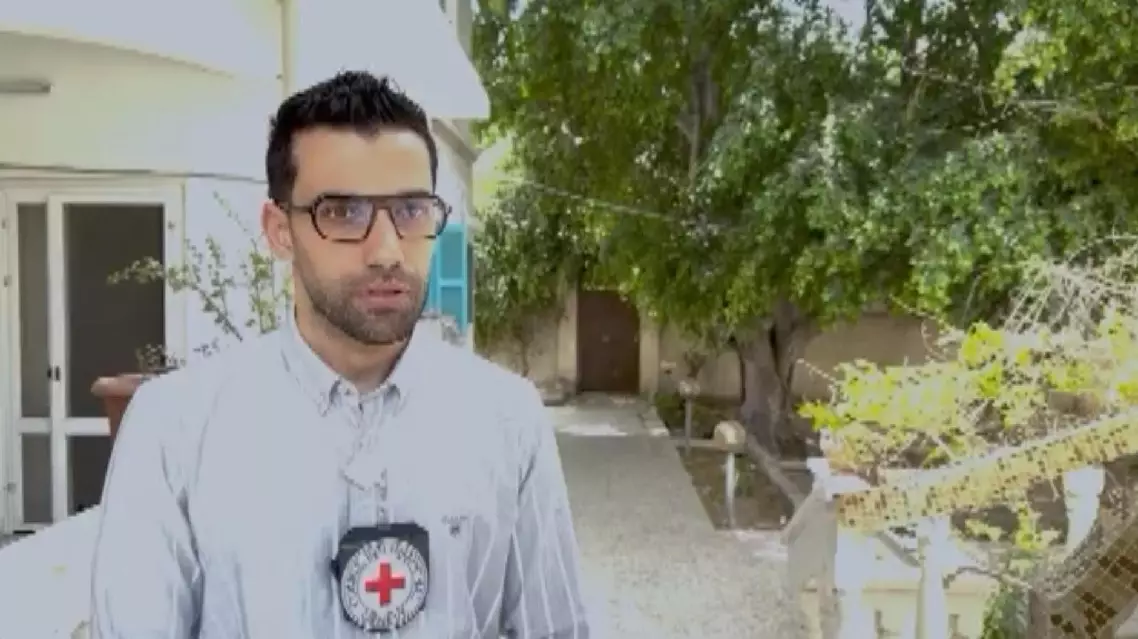
Hisham Muhanna, spokesperson for the International Committee of the Red Cross (ICRC) in Gaza, said that community kitchens, which provide food to thousands of families, will stop operating within days due to the lack of food.
"For nearly two months now, since the suspension of the entry of the humanitarian aid into the Gaza Strip, the humanitarian situation has become even more extremely dire. Many people are finding their needs even harder than they used to, compared to the ceasefire in January and February. The International Committee of the Red Cross, the ICRC, has been supporting community kitchens that provide hot meals for thousands and thousands of families every day, and we can continue to provide these meals for another two or three weeks maximum unless these kitchens are supplied and replenished immediately. The ICRC Rafah Field Hospital, which is the only fully functional hospital across the Rafah area now, can also continue providing lifesaving services for the casualties and the patients for another few weeks," said Muhanna.
Despite international calls for an end to Israel's war on Gaza to allow humanitarian access and warnings of a humanitarian catastrophe caused by the continued blockade, Israel continued its strike and punishing blockade of food, water, and other critical aid to the besieged enclave.
"The biggest threat is the cessation of what remains of the community kitchen system, which provides a single meal of rice, which constitutes a quarter of the needs of citizens in the Gaza Strip. However, with its cessation in the coming few days, we will enter a phase that is described as the most difficult and worst in the history of the Gaza Strip. The scene will be very difficult in the Gaza Strip if the crossings remain closed for longer than this, and if the international community does not address the nature of the situation the Gaza Strip is experiencing, it will face very difficult scenes regarding victims, in the thousands or tens of thousands, especially women, children and the elderly who do not have access to food or medicine," said Amjad Shawa, head of Palestinian NGO Network in Gaza.
As food shortage prevails in Gaza, hundreds of thousands of children and the elderly are struggling to feed themselves, and hunger is spreading.
"We came to the hospice to get food. We have no food, no wood, no flour, and no gas. My life before the war was better than it is now. We used to play, but after the war, we do not play, and most of the children I know were killed in the war," said Anis Mazen, a displaced resident in Gaza.
Humanitarian organizations operating in the Gaza Strip have called for urgent intervention from the international community to stop the war in Gaza and allow humanitarian aid to enter as soon as possible, aiming to save the lives of hundreds of thousands of people who are at risk of starvation.
Humanitarian groups warn widespread starvation in Gaza after two-month Israeli blockade