Monday's airstrikes jointly launched by the United States and Israel on Yemen's Red Sea port city of Hodeidah have destroyed a local port shut down a cement factory.
The airstrikes occurred one day after a Houthi missile attack on Ben Gurion Airport in central Israel, Houthi-run al-Masirah TV reported.
On Tuesday, the Houthis briefly allowed a China Media Group (CMG) correspondent to enter the port of Hodeidah.
The attacked area of the port was in ruin, with the docks, lifting equipment and some operating facilities left completely destroyed, and port operations had been completely halted, according to the correspondent.
The port is primarily for civilian and service use and undertakes the importation of a large amount of food and other daily necessities. The suspension of port operations is expected to exacerbate the challenges of everyday life facing Yemenis, according to Houthi officials.
In addition, the Bajel cement plant was forced to halt production due to the Israeli airstrike. The factory, located east of the port of Hodeidah, is considered an important economic lifeline for the Houthis.
The airstrike on the plant killed four people and injured dozens. The dead and injured were all workers at the cement factory or nearby residents, according to the Houthi group.
The Houthi-run health ministry reported that in total, 7 people were and 94 were injured in all Israeli airstrikes on Yemen in the past 24 hours.
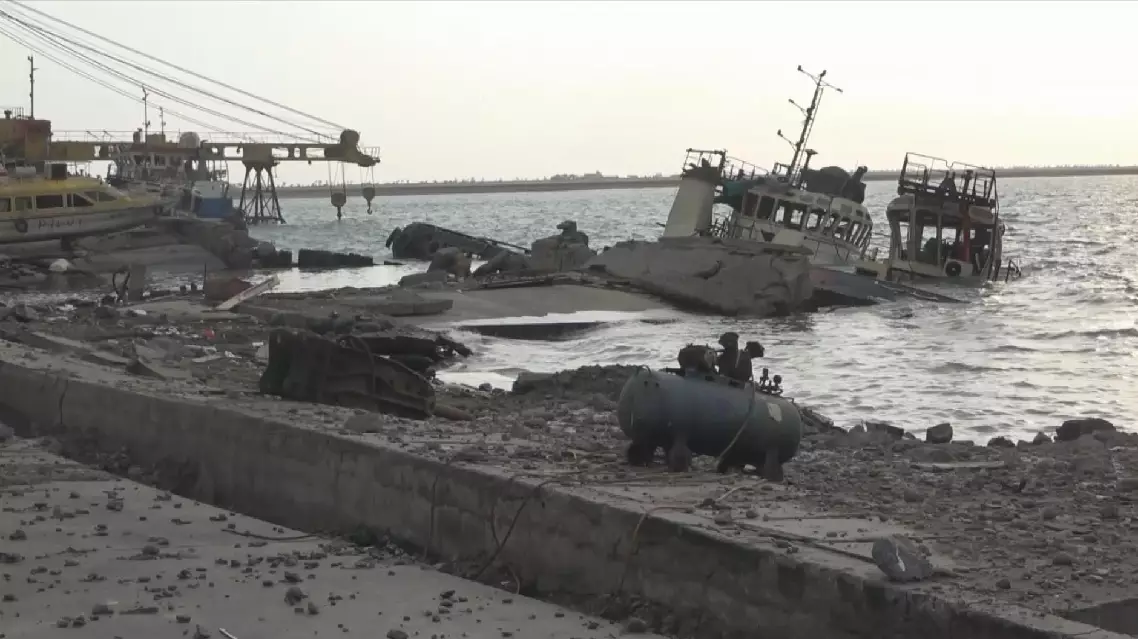
Yemeni port destroyed, factory halted after US-Israel airstrikes
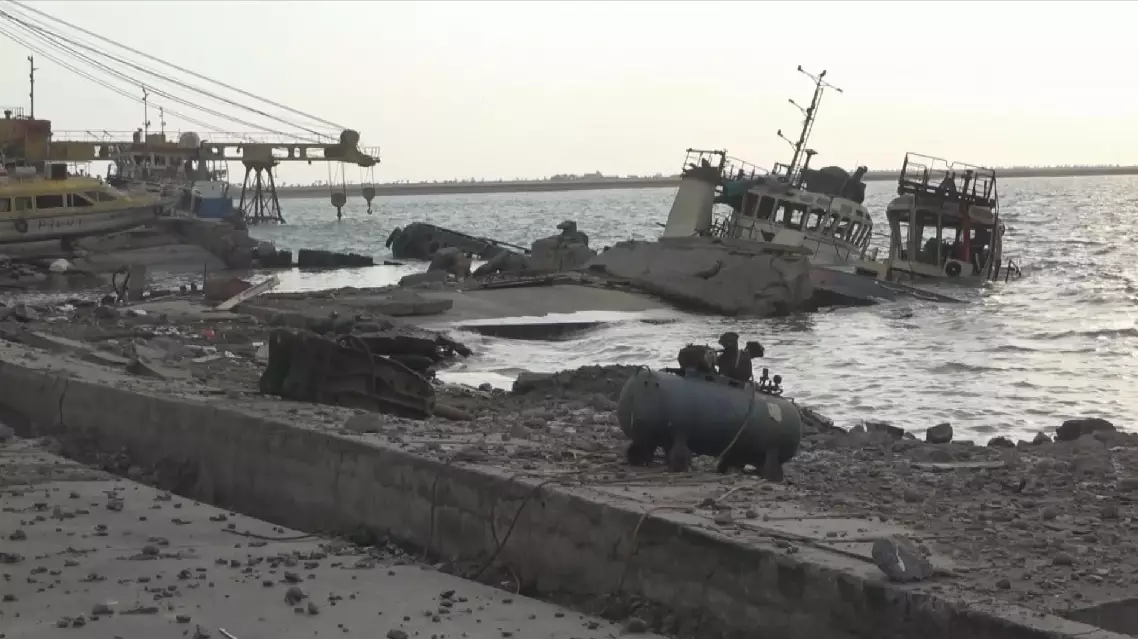
Yemeni port destroyed, factory halted after US-Israel airstrikes
China's state-owned enterprises (SOEs) directly under the central government raised their basic research spending from 56.5 billion yuan (about 8.29 billion U.S. dollars) in 2021 to 102.4 billion yuan in 2025, with its share in total research and development investment climbing from 6 percent to 9.4 percent, according to the country's state-owned assets supervision authority.
During the 14th Five-Year Plan period (2021-2025), central SOEs undertook 1,783 national-level basic research projects with total funding of 35.3 billion yuan. Additionally, 34 central SOEs established joint funds with the National Natural Science Foundation totaling over 12 billion yuan, an official of the State-owned Assets Supervision and Administration Commission of the State Council said when introducing China's achievements in this regard.
To foster closer collaboration across industry, academia, and research, central SOEs have taken the lead in building 91 national key laboratories and 66 national defense science and technology key laboratories. They have also set up eight industrial common technology research institutes.
Furthermore, 25 central SOEs have collaborated with 10 national laboratories on 183 scientific research tasks, jointly establishing a number of collaborative R and D institutions in areas such as new power systems, artificial intelligence and quantum communication. Meanwhile, 58 of them have developed 97 hubs designated as sources of original technologies.
Looking ahead, Zhang Yuzhuo, head of the State-owned Assets Supervision and Administration Commission of the State Council, highlighted the strategic goals for the coming years.
"By 2030, China's central SOEs will establish a basic research system with clear positioning, a rational layout, and close integration of industry, academia, and research. Investment in basic research will double compared with 2025 levels, accounting for 15 percent of the total. We aim to build globally influential sources of original technologies in 10 fields, including new power systems, making central SOEs a vital force in China's basic research endeavors," Zhang said.
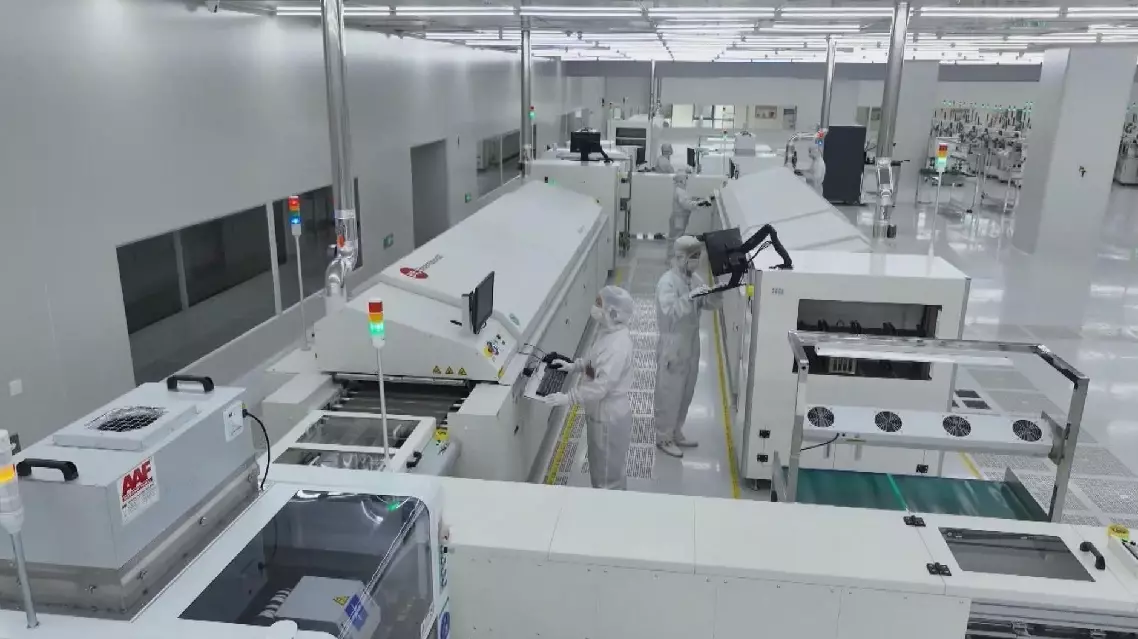
Chinese central SOEs' basic research investment tops 100 bln yuan in 2025