NEW YORK (AP) — A former model tearfully testified Thursday that Harvey Weinstein sexually assaulted her when she was 16 years old, calling it the most “horrifying thing I ever experienced” to that point.
Four years later, she said, Weinstein assaulted her again.
Click to Gallery
Harvey Weinstein accuser Kaja Sokola begins testimony in his sexual misconduct trial in New York, Thursday, May 8, 2025. (Steven Hirsch/New York Post via AP, Pool)
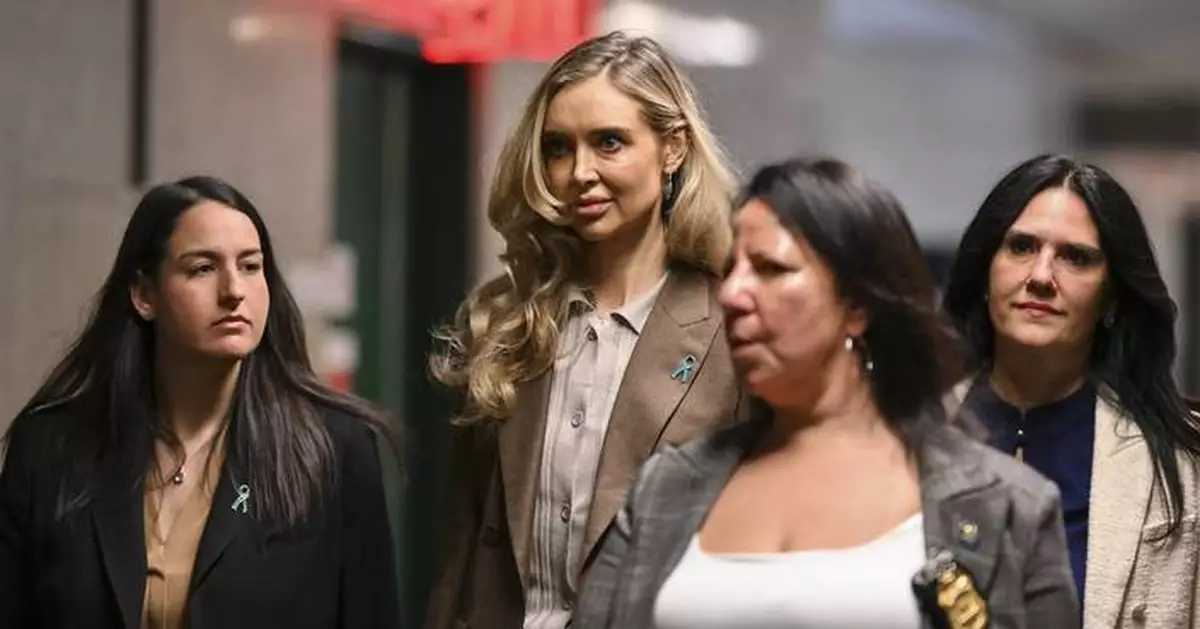
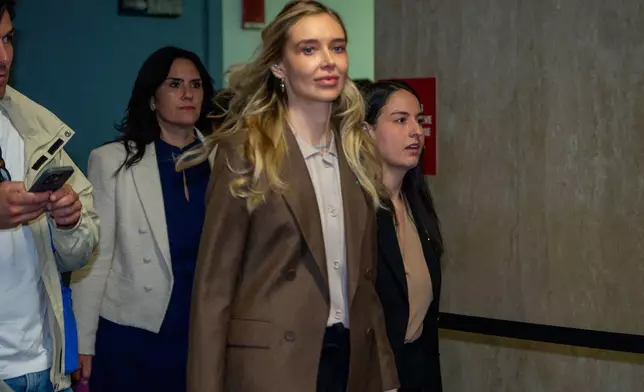
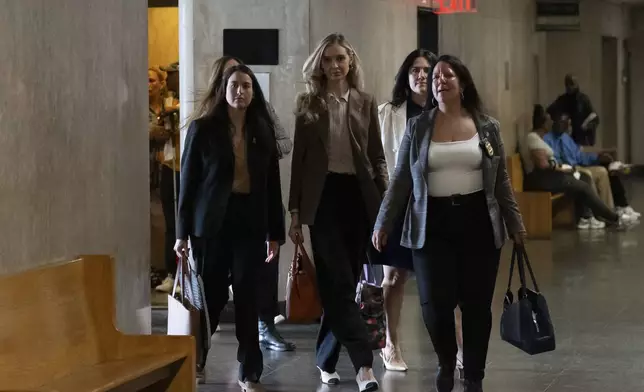
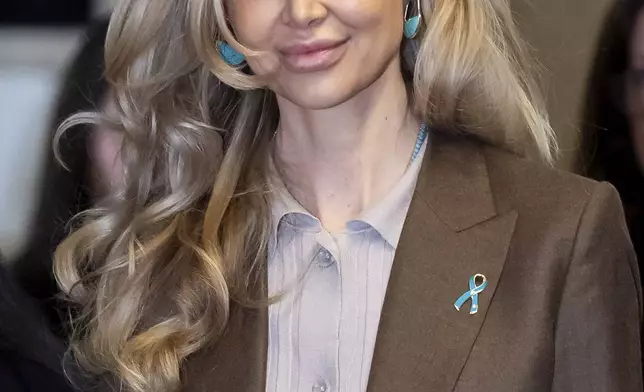
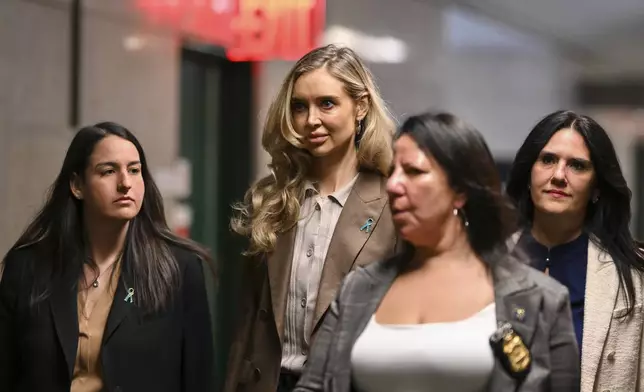
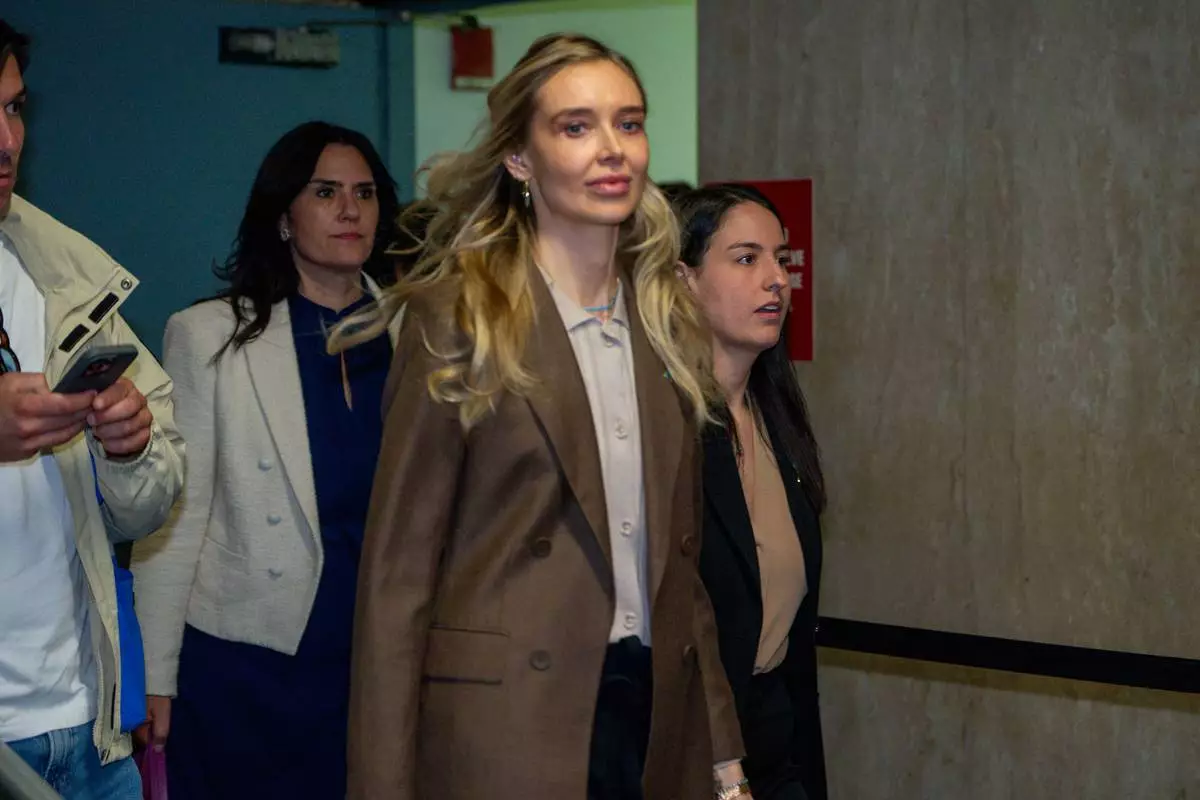
Kaja Sokola arrives at Manhattan criminal court before Harvey Weinstein's trial on Thursday, May 8, 2025 in New York. (AP Photo/Adam Gray)
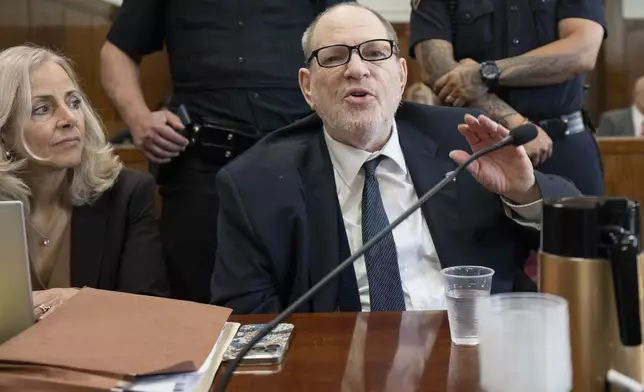
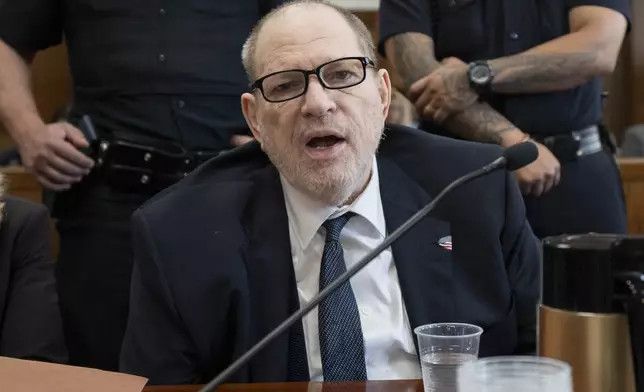
Harvey Weinstein appears in state court in Manhattan for his retrial on Thursday, May 8, 2025 in New York. (Steven Hirsch /New York Post via AP, Pool)
Harvey Weinstein appears in state court in Manhattan for his retrial on Thursday, May 8, 2025 in New York. (Steven Hirsch /New York Post via AP, Pool)
Kaja Sokola arrives at Manhattan criminal court before Harvey Weinstein's trial on Thursday, May 8, 2025 in New York. (AP Photo/Adam Gray)
Kaja Sokola arrives at Manhattan criminal court before Harvey Weinstein's trial on Thursday, May 8, 2025 in New York. (Angela Weiss/Pool Photo via AP)
Kaja (KEYE’-ah) Sokola detailed the allegations in front of a jury for the first time as she testified at Weinstein’s #MeToo retrial. She is the second of three accusers to testify, and the only one who wasn't part of the onetime Hollywood honcho’s first trial in 2020.
Weinstein faces a criminal sex act charge based on the later allegation — forcibly performing oral sex on Sokola at a Manhattan hotel in 2006, just before her 20th birthday. The earlier alleged assault was beyond legal time limits for a potential criminal charge.
Weinstein has pleaded not guilty and denies sexually assaulting anyone.
His lawyers are due to start questioning Sokola on Friday. They have said that all of the former movie studio boss' accusers consented to sexual encounters in hopes of advancing their careers.
The Polish-born Sokola began modeling at 14 and was soon flying around the world for photo shoots and fashion shows. But she told jurors she was always more interested in acting, so she was hopeful when she was introduced to Weinstein at a New York nightclub in 2002 and he invited her to lunch to talk about acting.
Instead, he steered her to his Manhattan apartment and told her to take her clothes off, saying that actors had to be comfortable disrobing in films, she testified.
Sokola took off her blouse and followed him into a bathroom because, she said, “I was 16 years old, and I was alone with a man for the first time, and I didn’t know what else to do.” She said that she told Weinstein she objected to what was happening, but that he put his hand inside her underwear and made her touch his genitals.
Sokola said she saw Weinstein’s eyes — “black and scary” — staring at her in a bathroom mirror as it happened. Afterward, she said, he told her to keep quiet, saying he'd made Hollywood careers and could help her acting dreams come true.
“I felt stupid and ashamed and like it’s my fault for putting myself in this position,” Sokola testified through sobs, bringing a tissue to her face, as riveted jurors scribbled notes.
Weinstein, 73, looked down and away as she spoke, pressing his left thumb and index finger against his face like a shield.
Sokola, now 39, became emotional again as questioning turned to the 2006 allegation. She said she had stayed in touch with Weinstein because of her acting dreams.
“I never wanted anything else from Harvey Weinstein other than to honestly say if I have a chance to be an actress or no,” said Sokola, who eventually became a psychotherapist. She vowed that she had “absolutely not” ever had any romantic or sexual interest in him.
In 2006, Weinstein arranged for her to be an extra for a day in the film “The Nanny Diaries,” and he separately agreed to meet Sokola and her visiting elder sister.
After the three chatted, Sokola said, Weinstein told her he had a script to show her in his hotel room, and she went up with him.
There, she said, Weinstein pushed her onto a bed and stripped off her boots, her stockings, her underwear, and something indelible.
“My soul was removed from me,” Sokola testified.
She said he held her down while ignoring her pleas of “please don’t, please stop, I don’t want this.” Sokola said she tried to push him away but was no match against Weinstein's physical heft.
She rejoined her sister but said nothing about being assaulted, both siblings testified. Sokola said she didn’t want to tell her sister that Weinstein had treated her with such disrespect.
Sokola went to authorities a few days into Weinstein’s first trial. Prosecutors halted their investigation after Weinstein was convicted, but revived it when New York’s highest court reversed the verdict last year.
She first detailed the 2002 allegation in a lawsuit a few years ago, after a chorus of public accusations against Weinstein emerged in 2017 and fueled the #MeToo movement.
Sokola eventually received $3.5 million in compensation.
Another accuser, Miriam Haley, testified last week that Weinstein forced oral sex on her in 2006. The third accuser in the case, Jessica Mann, is expected to testify later. She alleges Weinstein raped her in 2013.
The Associated Press generally does not name sexual assault accusers without their permission, which Haley, Mann and Sokola have given.
Harvey Weinstein accuser Kaja Sokola begins testimony in his sexual misconduct trial in New York, Thursday, May 8, 2025. (Steven Hirsch/New York Post via AP, Pool)
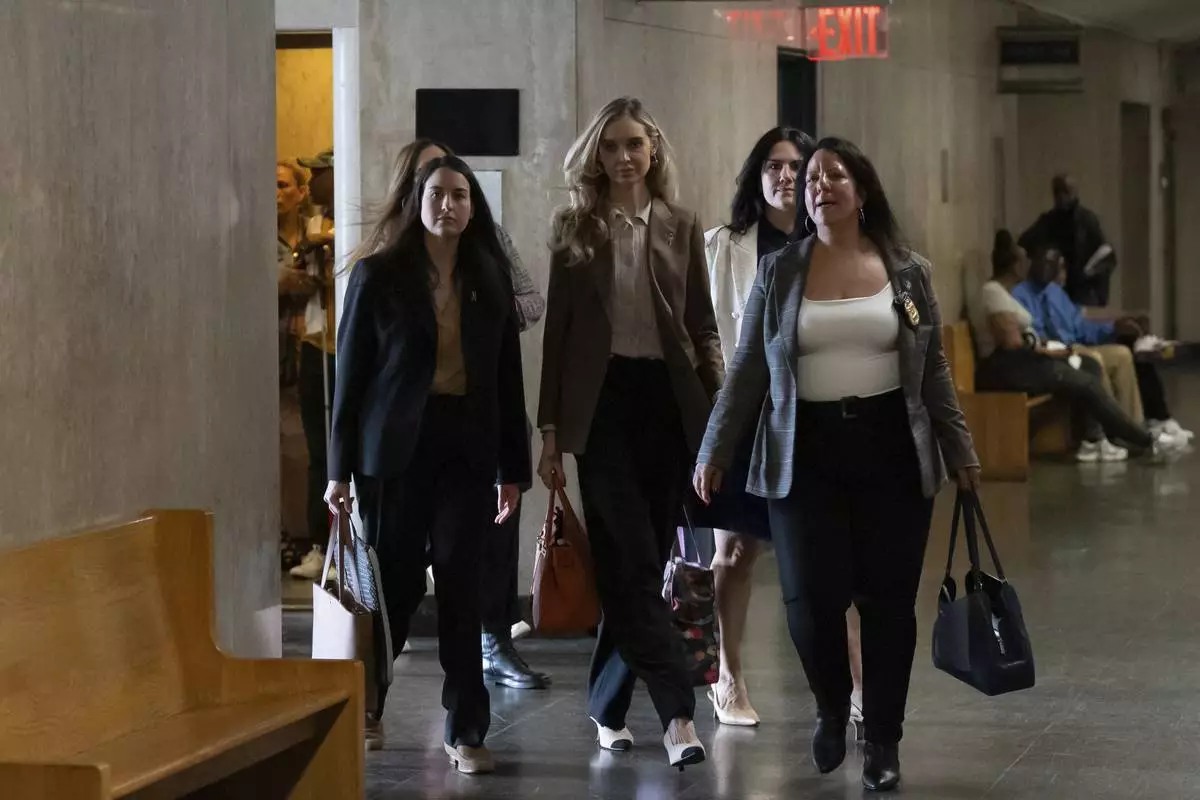
Kaja Sokola arrives at Manhattan criminal court before Harvey Weinstein's trial on Thursday, May 8, 2025 in New York. (AP Photo/Adam Gray)

Harvey Weinstein appears in state court in Manhattan for his retrial on Thursday, May 8, 2025 in New York. (Steven Hirsch /New York Post via AP, Pool)

Harvey Weinstein appears in state court in Manhattan for his retrial on Thursday, May 8, 2025 in New York. (Steven Hirsch /New York Post via AP, Pool)

Kaja Sokola arrives at Manhattan criminal court before Harvey Weinstein's trial on Thursday, May 8, 2025 in New York. (AP Photo/Adam Gray)
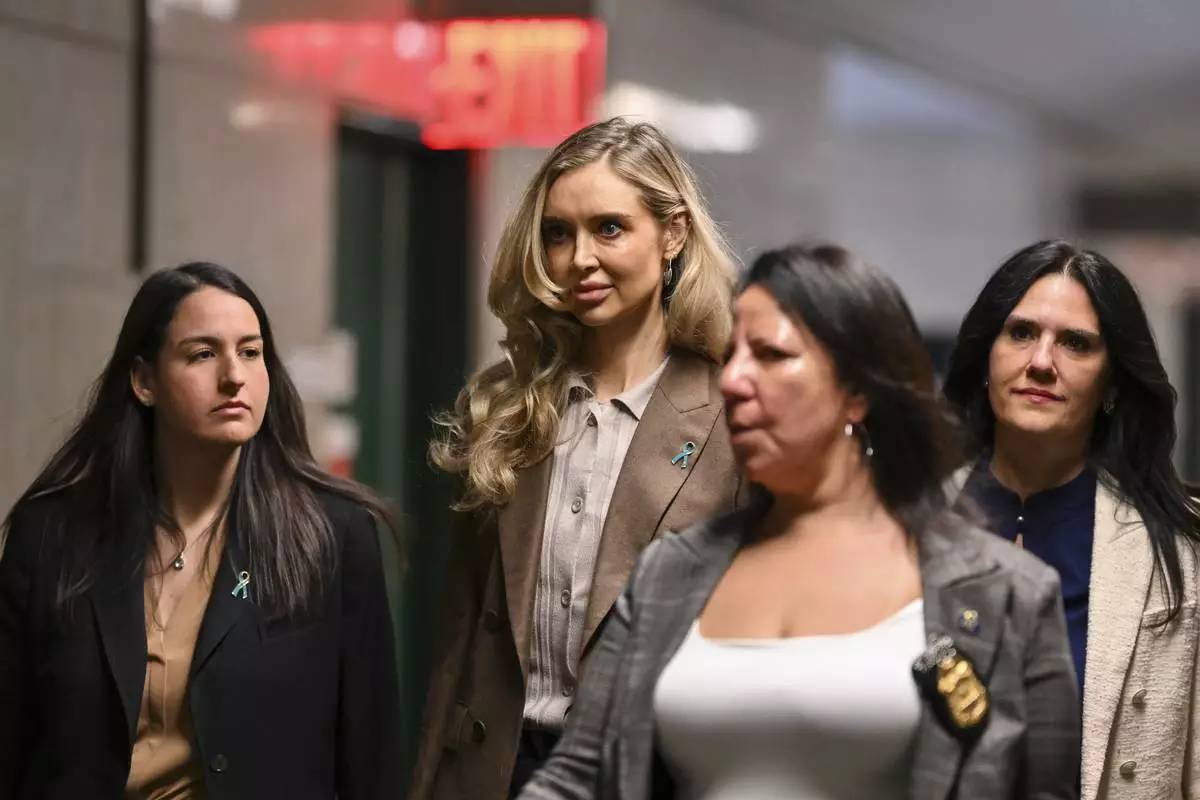
Kaja Sokola arrives at Manhattan criminal court before Harvey Weinstein's trial on Thursday, May 8, 2025 in New York. (Angela Weiss/Pool Photo via AP)
MINNEAPOLIS (AP) — Federal agents carrying out immigration arrests in Minnesota's Twin Cities region already shaken by the fatal shooting of a woman rammed the door of one home Sunday and pushed their way inside, part of what the Department of Homeland Security has called its largest enforcement operation ever.
In a dramatic scene similar to those playing out across Minneapolis, agents captured a man in the home just minutes after pepper spraying protesters outside who had confronted the heavily armed federal agents. Along the residential street, protesters honked car horns, banged on drums and blew whistles in attempts to disrupt the operation.
Video of the clash taken by The Associated Press showed some agents pushing back protesters while a distraught woman later emerged from the house with a document that federal agents presented to arrest the man. Signed by an immigration officer, the document — unlike a warrant signed by a judge — does not authorize forced entry into a private residence. A warrant signed by an immigration officer only authorizes arrest in a public area.
Immigrant advocacy groups have conducted extensive “know-your-rights” campaigns urging people not to open their doors unless agents have a court order signed by a judge.
But within minutes of ramming the door in a neighborhood filled with single-family homes, the handcuffed man was led away.
More than 2,000 immigration arrests have been made in Minnesota since the enforcement operation began at the beginning of December, said Homeland Security spokesperson Tricia McLaughlin.
Homeland Security Secretary Kristi Noem told Fox News on Sunday that the administration would send additional federal agents to Minnesota to protect immigration officers and continue enforcement.
The Twin Cities — the latest target in President Donald Trump’s immigration enforcement campaign — is bracing for what is next after 37-year-old Renee Good was shot and killed by an immigration officer on Wednesday.
“We’re seeing a lot of immigration enforcement across Minneapolis and across the state, federal agents just swarming around our neighborhoods,” said Jason Chavez, a Minneapolis city councilmember. “They’ve definitely been out here.”
Chavez, the son of Mexican immigrants who represents an area with a growing immigrant population, said he is closely monitoring information from chat groups about where residents are seeing agents operating.
People holding whistles positioned themselves in freezing temperatures on street corners Sunday in the neighborhood where Good was killed, watching for any signs of federal agents.
More than 20,000 people have taken part in a variety of trainings to become “observers” of enforcement activities in Minnesota since the 2024 election, said Luis Argueta, a spokesperson for Unidos MN, a local human rights organization .
“It’s a role that people choose to take on voluntarily, because they choose to look out for their neighbors,” Argueta said.
The protests have been largely peaceful, but residents remained anxious. On Monday, Minneapolis public schools will start offering remote learning for the next month in response to concerns that children might feel unsafe venturing out while tensions remain high.
Many schools closed last week after Good’s shooting and the upheaval that followed.
While the enforcement activity continues, two of the state’s leading Democrats said that the investigation into Good's shooting death should not be overseen solely by the federal government.
Minneapolis Mayor Jacob Frey and U.S. Sen. Tina Smith said in separate interviews Sunday that state authorities should be included in the investigation because the federal government has already made clear what it believes happened.
“How can we trust the federal government to do an objective, unbiased investigation, without prejudice, when at the beginning of that investigation they have already announced exactly what they saw — what they think happened," Smith said on ABC’s "This Week."
The Trump administration has defended the officer who shot Good in her car, saying he was protecting himself and fellow agents and that Good had “weaponized” her vehicle.
Todd Lyons, acting director of U.S. Immigration and Customs Enforcement, defended the officer on Fox News Channel’s “The Sunday Briefing.”
"That law enforcement officer had milliseconds, if not short time to make a decision to save his life and his other fellow agents,” he said.
Lyons also said the administration’s enforcement operations in Minnesota wouldn't be needed “if local jurisdictions worked with us to turn over these criminally illegal aliens once they are already considered a public safety threat by the locals.”
The killing of Good by an ICE officer and the shooting of two people by federal agents in Portland, Oregon, led to dozens of protests in cities across the country over the weekend, including New York, Los Angeles, Washington D.C. and Oakland, California.
Contributing were Associated Press journalists Giovanna Dell’Orto in Minneapolis; Thomas Strong in Washington; Bill Barrow in Atlanta; Christopher Weber in Los Angeles; and John Seewer in Toledo, Ohio.
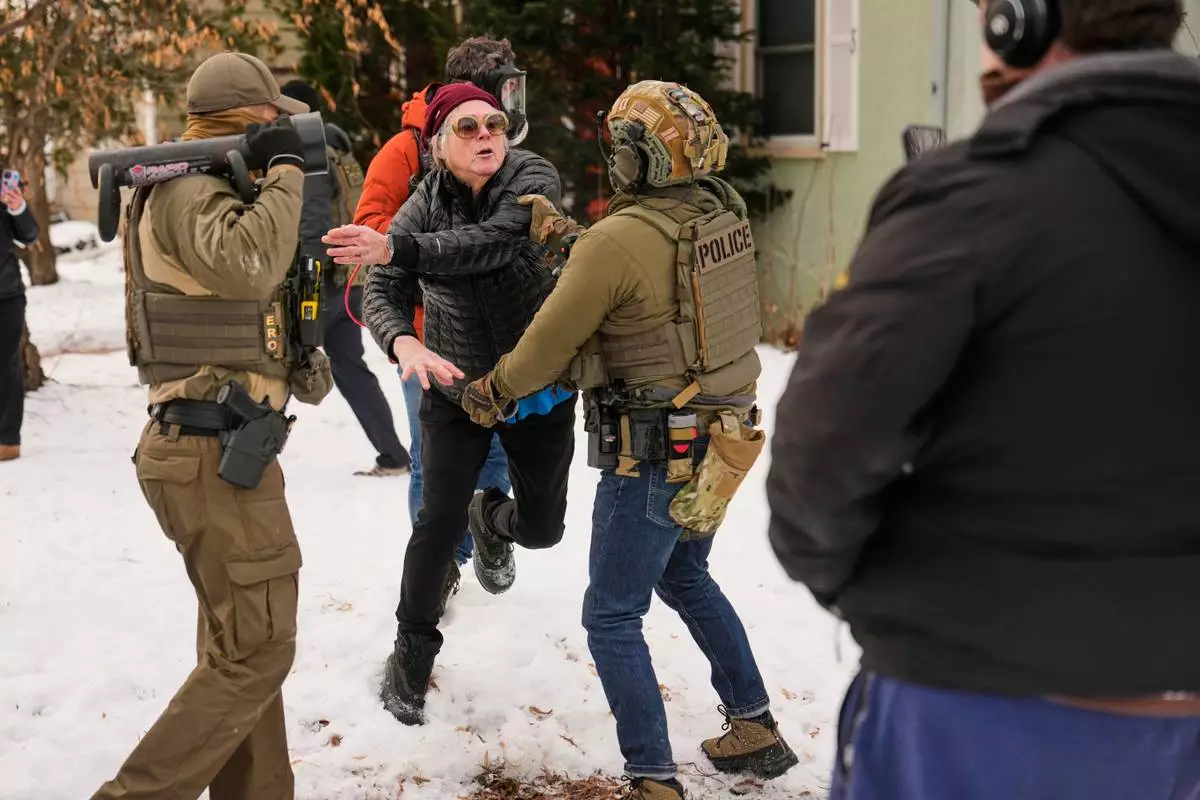
A woman gets into an altercation with a federal immigration officer as officers make an arrest Sunday, Jan. 11, 2026, in Minneapolis. (AP Photo/John Locher)
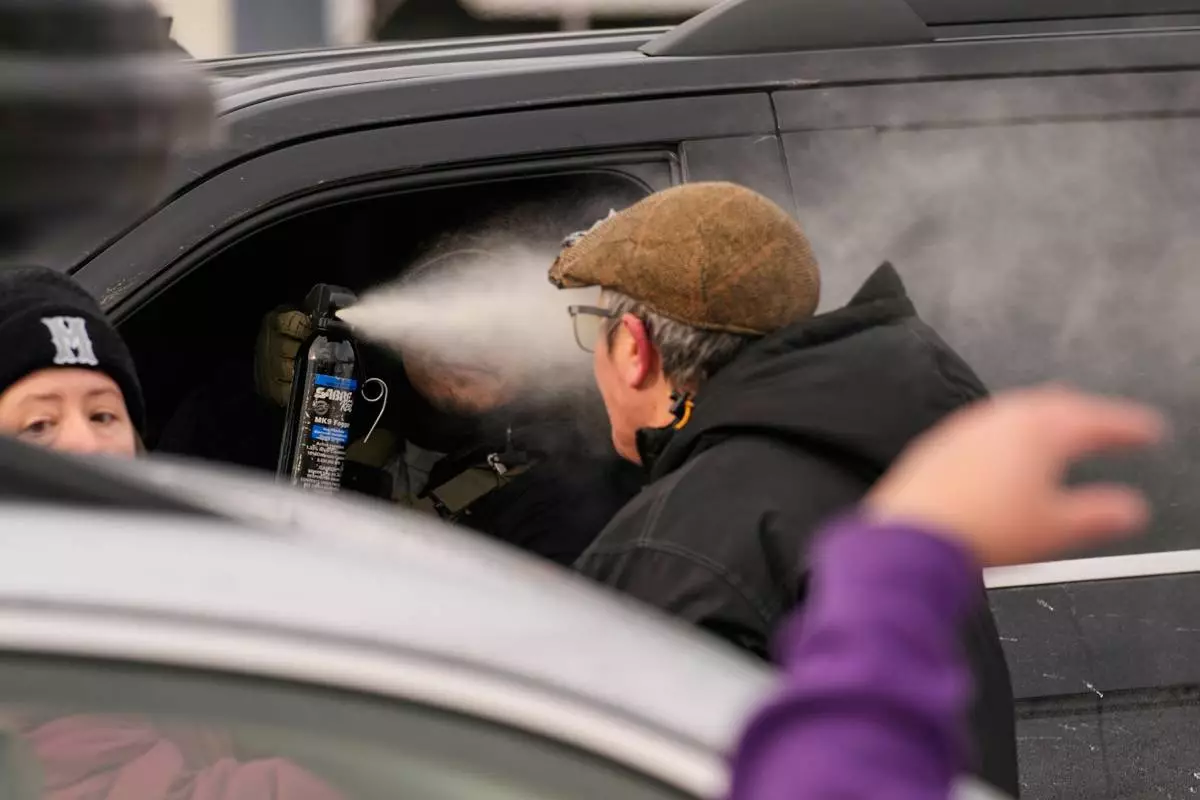
A federal immigration officer deploys pepper spray as officers make an arrest Sunday, Jan. 11, 2026, in Minneapolis. (AP Photo/John Locher)
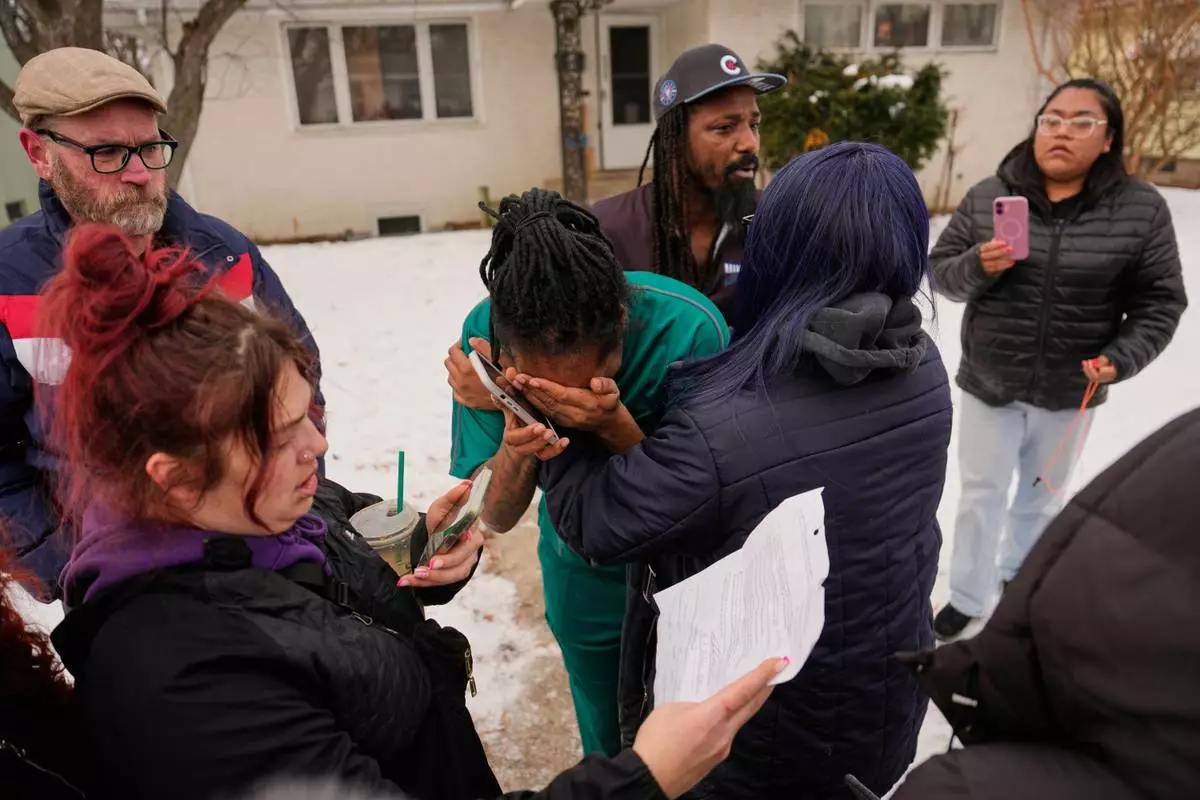
A family member, center, reacts after federal immigration officers make an arrest Sunday, Jan. 11, 2026, in Minneapolis. (AP Photo/John Locher)
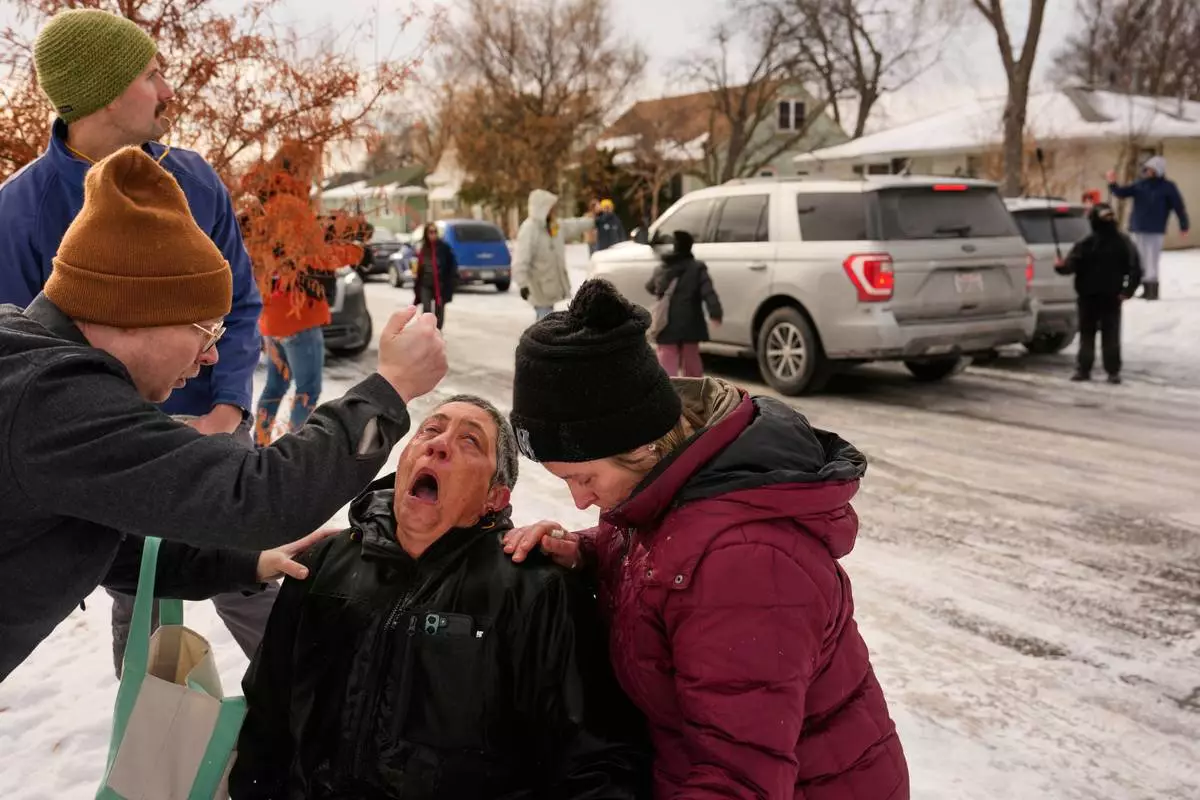
Bystanders are treated after being pepper sprayed as federal immigration officers make an arrest Sunday, Jan. 11, 2026, in Minneapolis. (AP Photo/John Locher)
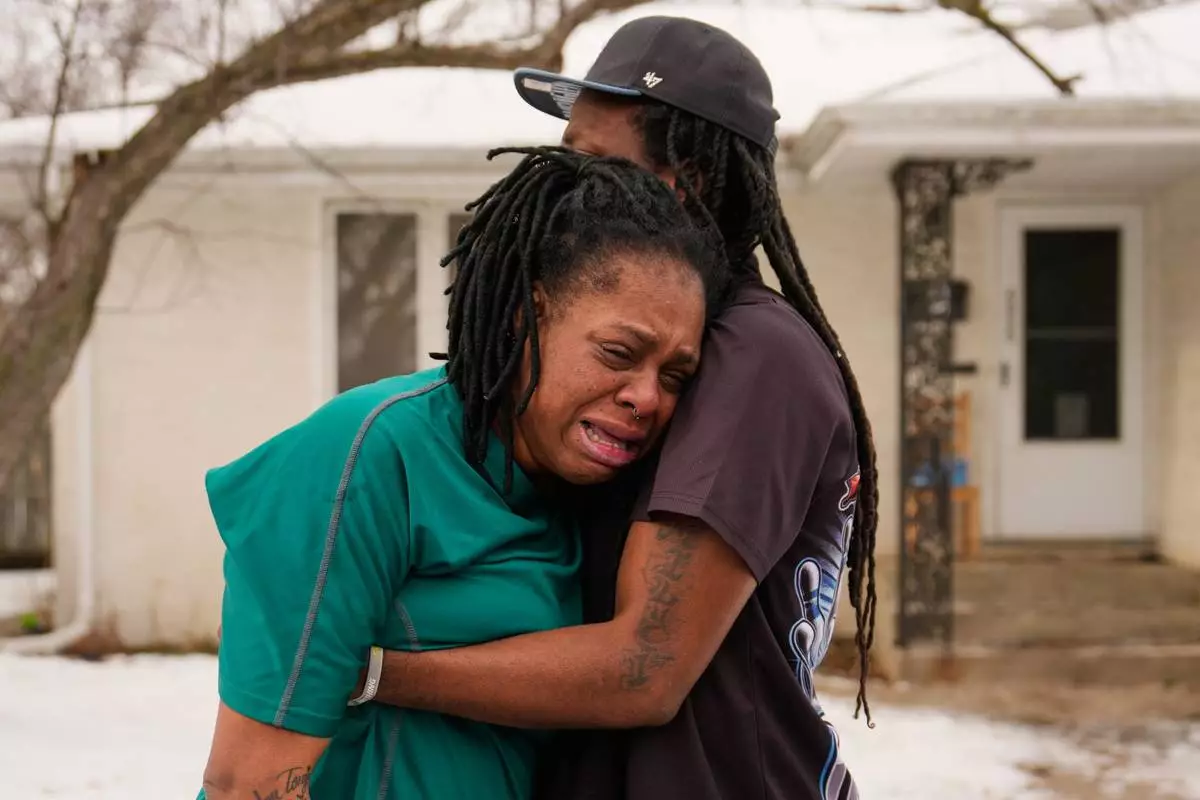
A family member reacts after federal immigration officers make an arrest Sunday, Jan. 11, 2026, in Minneapolis. (AP Photo/John Locher)
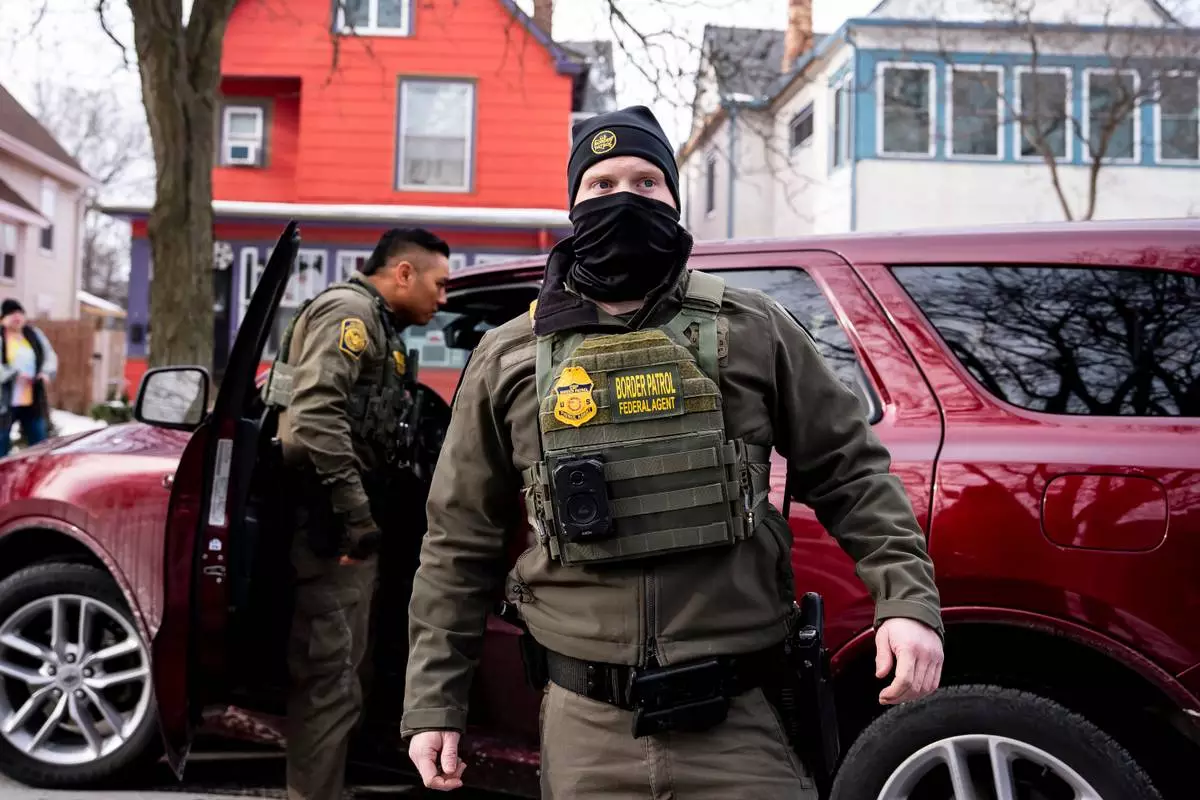
Federal agents look on after detaining a person during a patrol in Minneapolis, Minn., Sunday, Jan. 11, 2026. (Christopher Katsarov/The Canadian Press via AP)
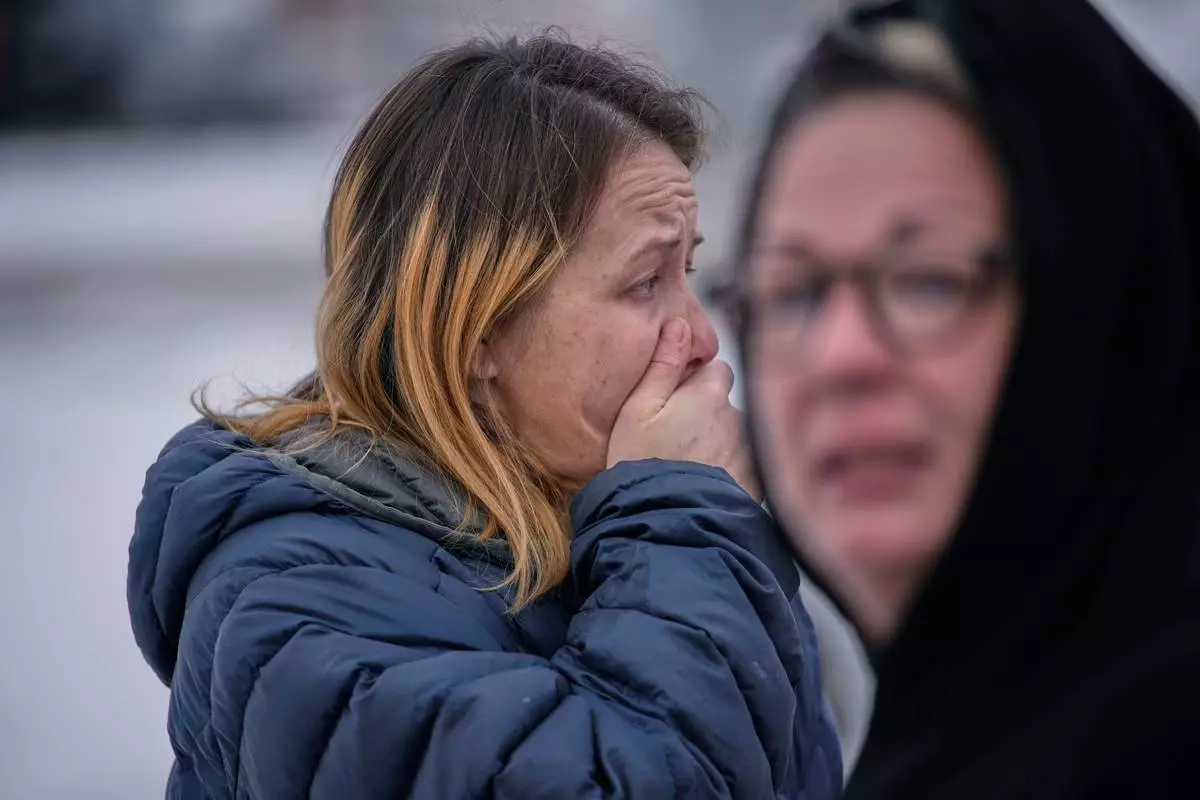
Bystanders react after a man was detained by Immigration and Customs Enforcement (ICE) agents during a traffic stop, Sunday, Jan. 11, 2026, in Robbinsdale, Minn. (AP Photo/John Locher)
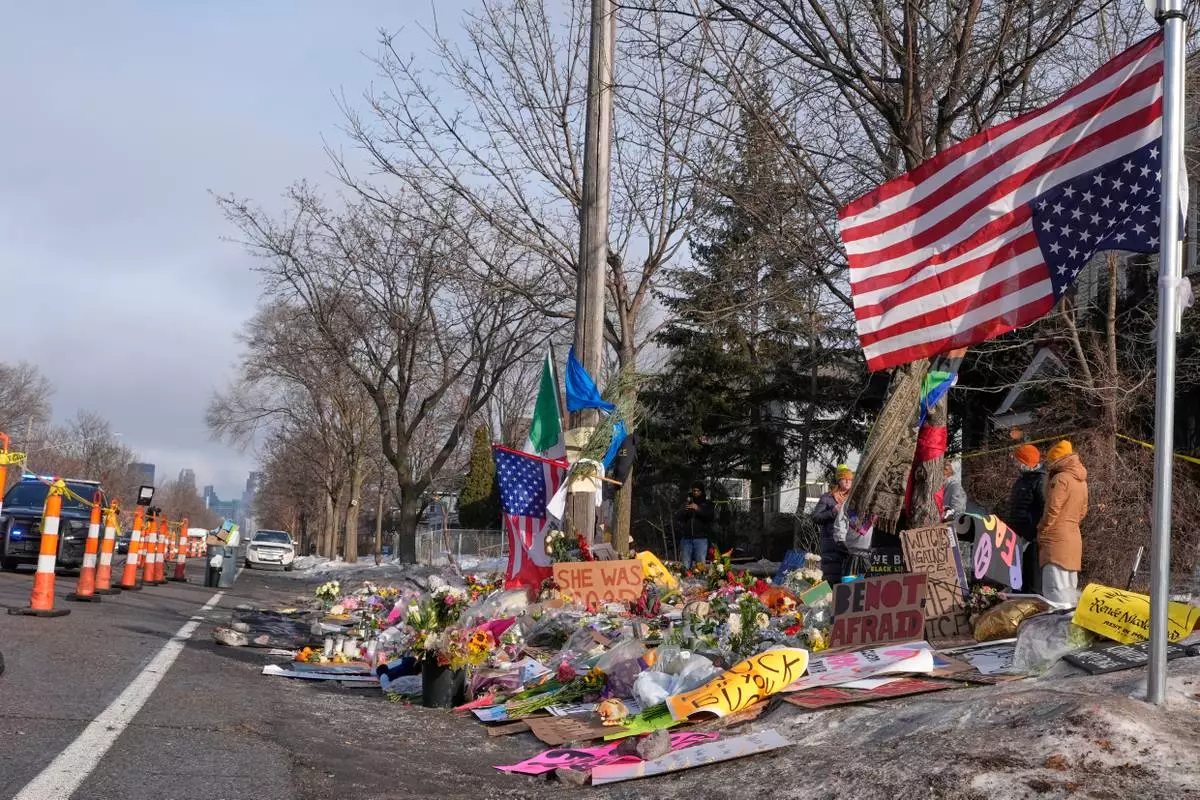
People stand near a memorial at the site where Renee Good was fatally shot by an ICE agent, Sunday, Jan. 11, 2026, in Minneapolis. (AP Photo/Jen Golbeck)
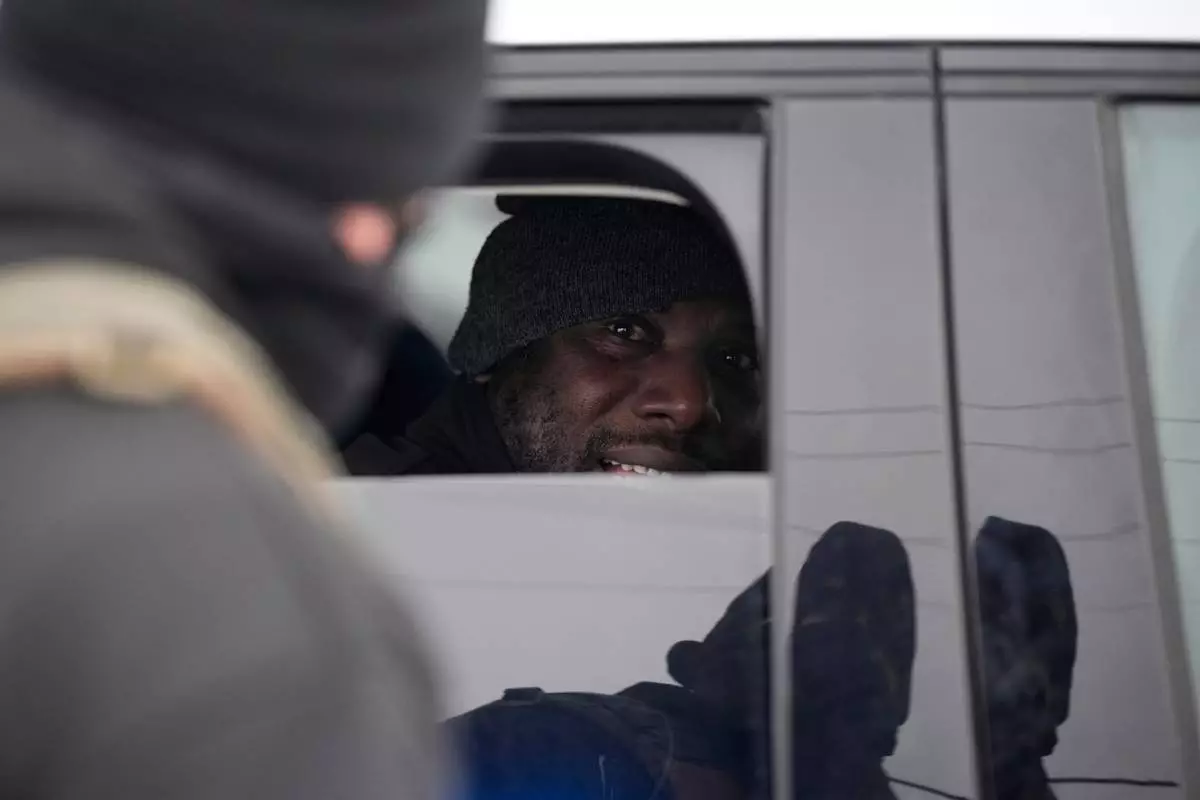
A man looks out of a car window after being detained by Immigration and Customs Enforcement (ICE) agents during a traffic stop, Sunday, Jan. 11, 2026, in Robbinsdale, Minn. (AP Photo/John Locher)
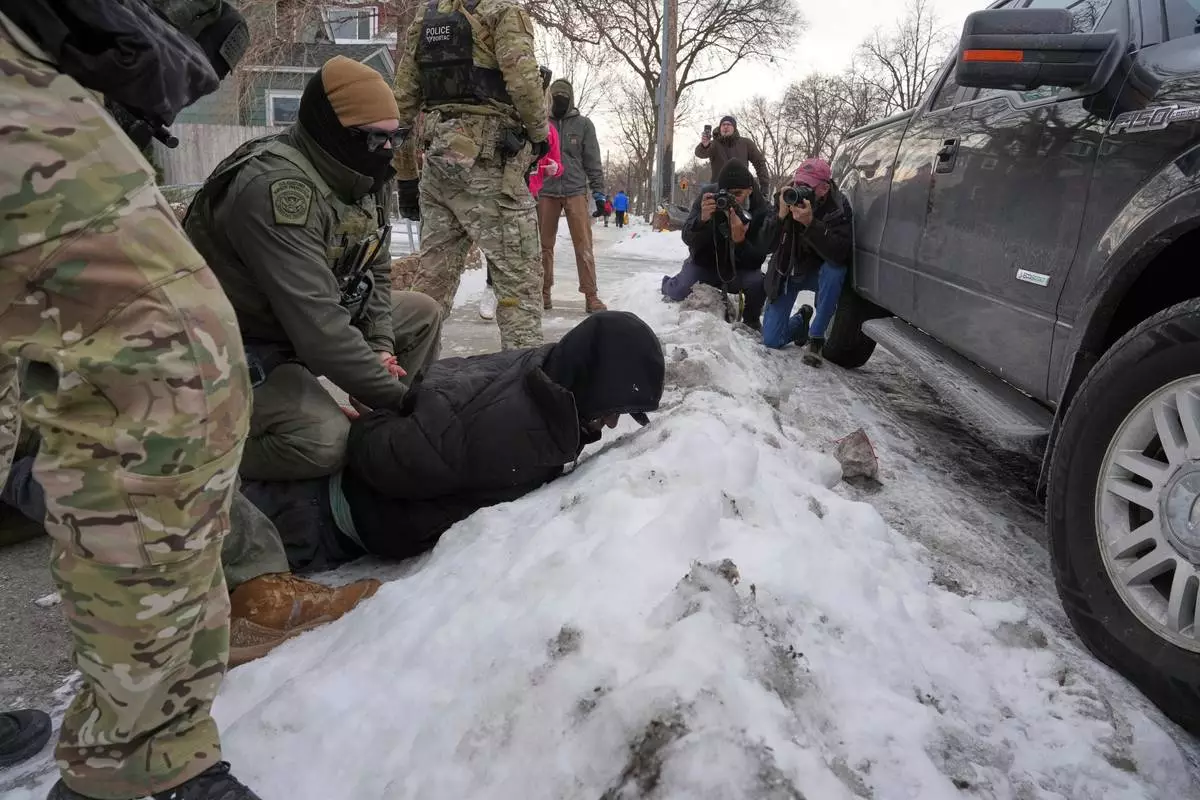
Border Patrol agents detain a man, Sunday, Jan. 11, 2026, in Minneapolis. (AP Photo/Adam Gray)
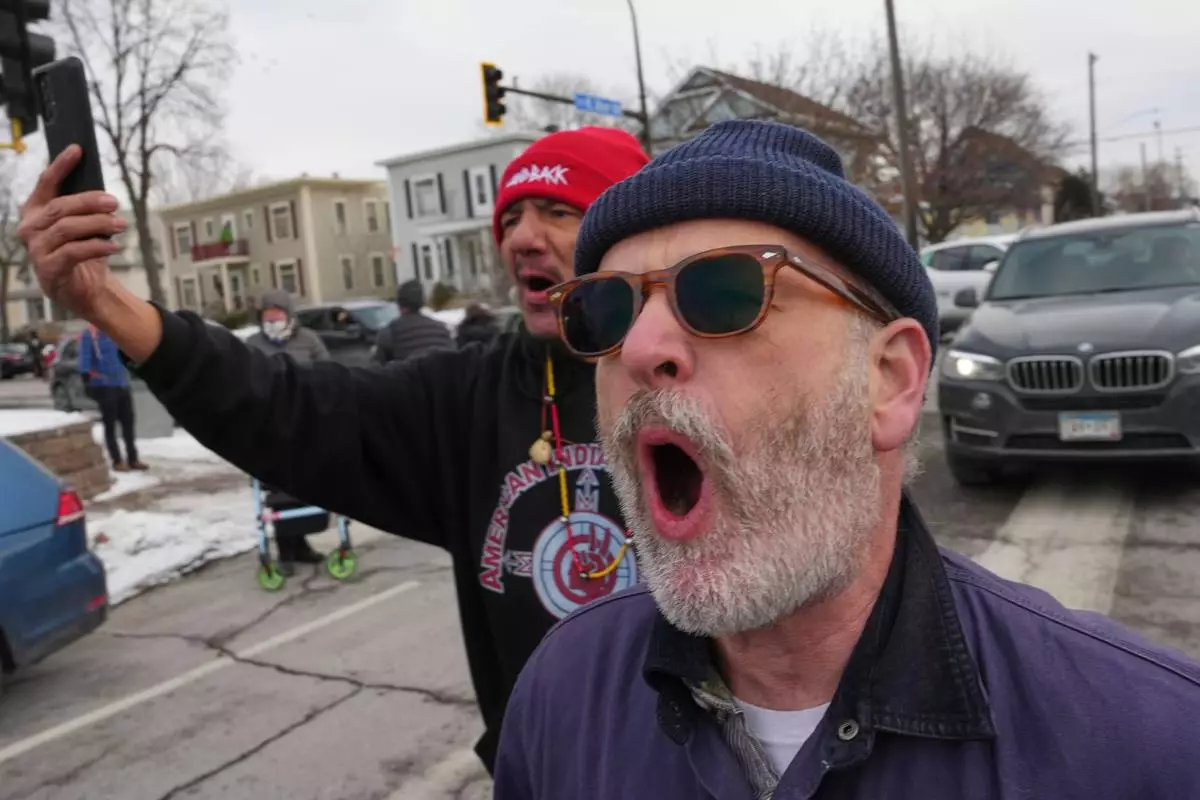
People shout toward Border Patrol agents making an arrest, Sunday, Jan. 11, 2026, in Minneapolis. (AP Photo/Adam Gray)
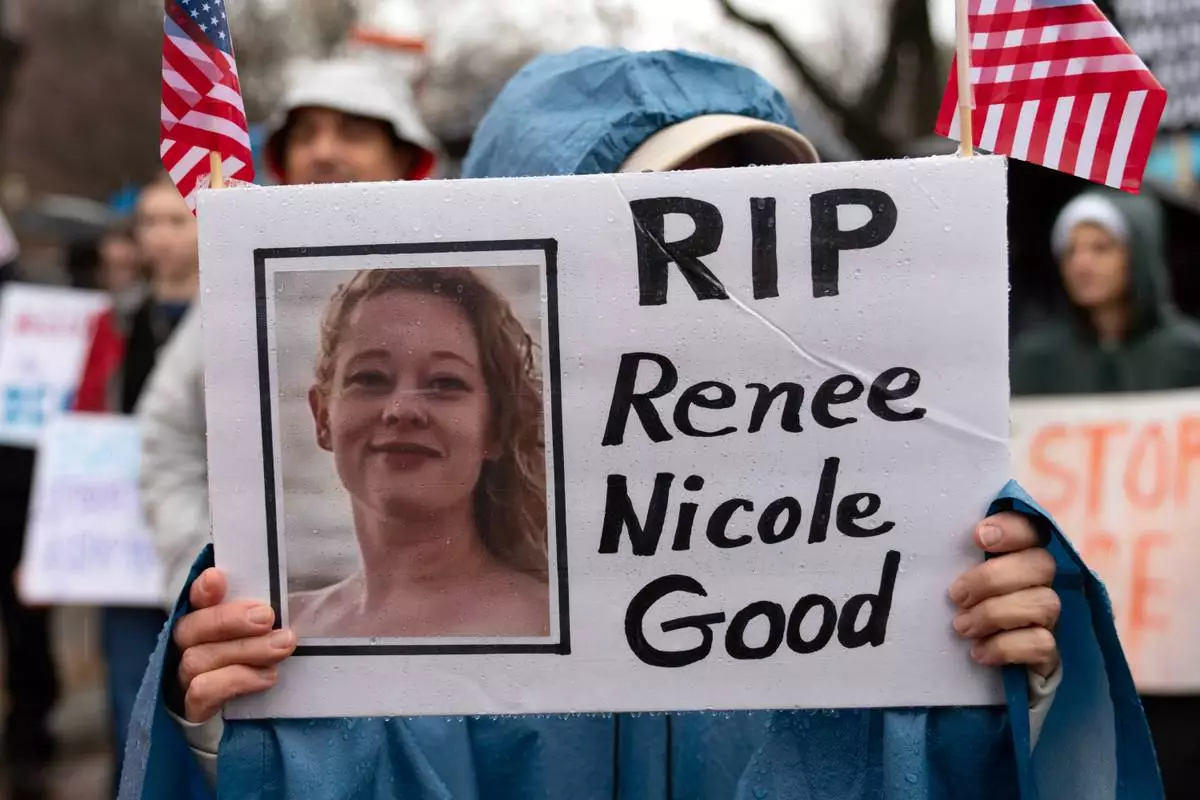
Demonstrators protest outside the White House in Washington, Saturday, Jan. 10, 2026, against the Immigration and Customs Enforcement agent who fatally shot Renee Good in Minneapolis. (AP Photo/Jose Luis Magana)
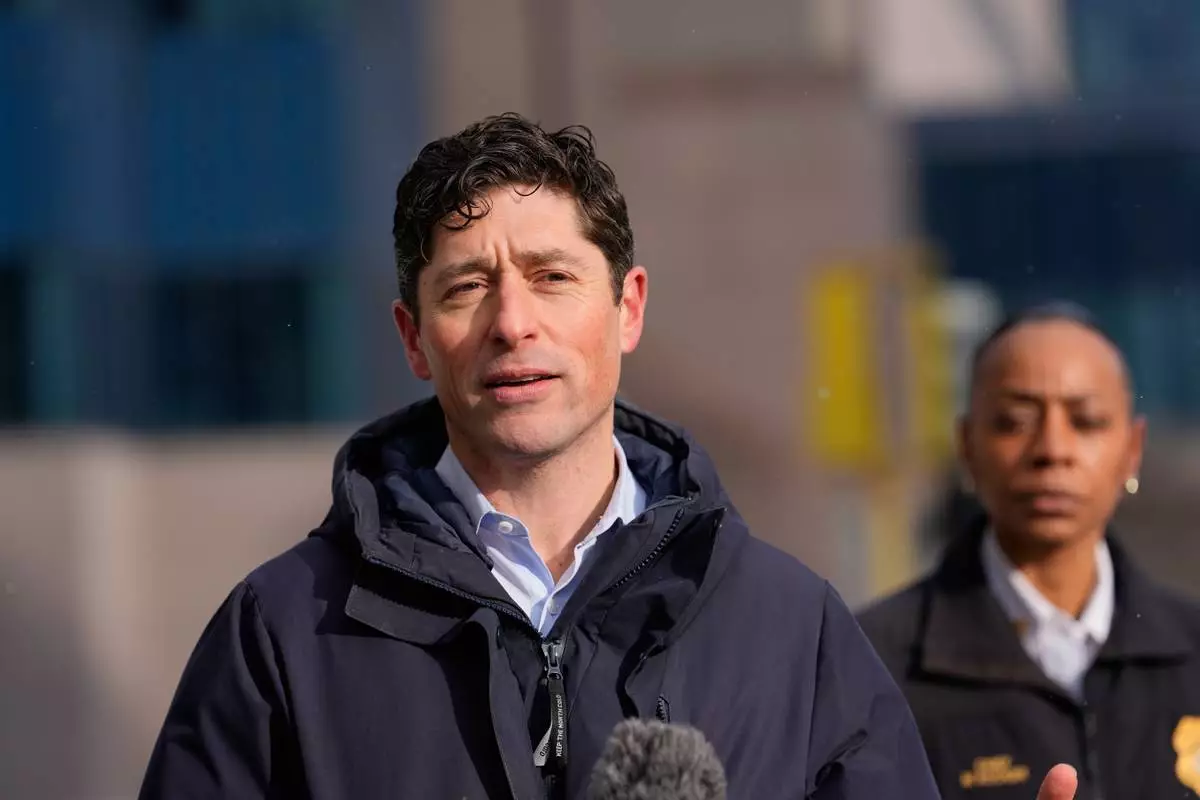
Minneapolis Mayor Jacob Frey holds a news conference on Saturday, Jan. 10, 2026, in Minneapolis. (AP Photo/Jen Golbeck)
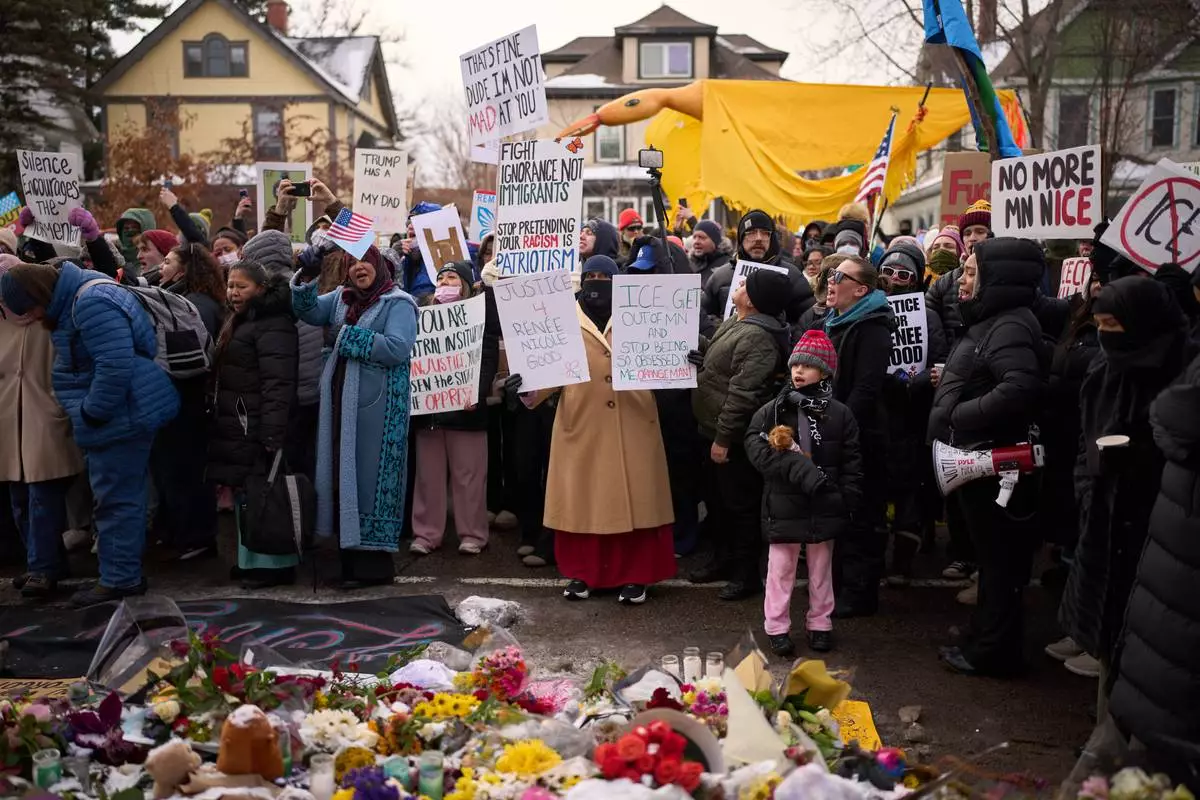
Protesters react as they visit a makeshift memorial during a rally for Renee Good, who was fatally shot by an ICE officer earlier in the week, Saturday, Jan. 10, 2026, in Minneapolis. (AP Photo/John Locher)