Skip to Content Facebook Feature Image

Vaccine teams in Mexico scramble over measles outbreak rippling out from Mennonite community

News

Vaccine teams in Mexico scramble over measles outbreak rippling out from Mennonite community
News

News

Vaccine teams in Mexico scramble over measles outbreak rippling out from Mennonite community

2025-05-09 13:45 Last Updated At:14:31

CUAUHTEMOC, Mexico (AP) — In a rickety white Nissan, nurse Sandra Aguirre and her vaccination team drive past apple orchards and cornfields stretching to the desert horizon. Aguirre goes door to door with a cooler of measles vaccines. In one of Latin America's biggest Mennonite communities, she knows many will decline to be vaccinated or even open their doors. But some will ask questions, and a handful might even agree to get shots on the spot.

“We’re out here every single day,” said Aguirre, pausing to call out to an empty farm, checking for residents. “To gain trust of the Mennonites – because they’re reserved and closed-off people – you have to meet them where they’re at, show a friendly face.”

More Images
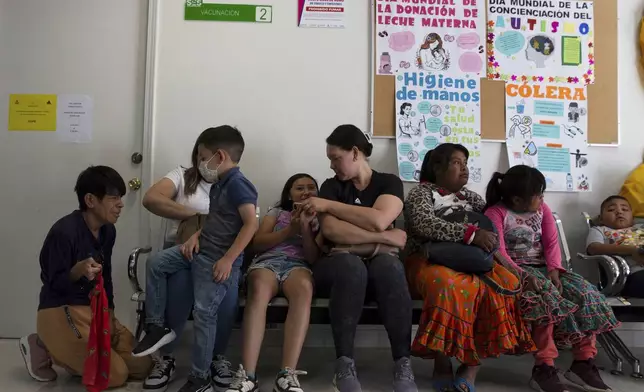
People wait to get vaccinated for measles at a health center in Cuauhtemoc, Chihuahua state, Mexico, Wednesday, April 30, 2025. (AP Photo/Megan Janetsky)
People wait to get vaccinated for measles at a health center in Cuauhtemoc, Chihuahua state, Mexico, Wednesday, April 30, 2025. (AP Photo/Megan Janetsky)

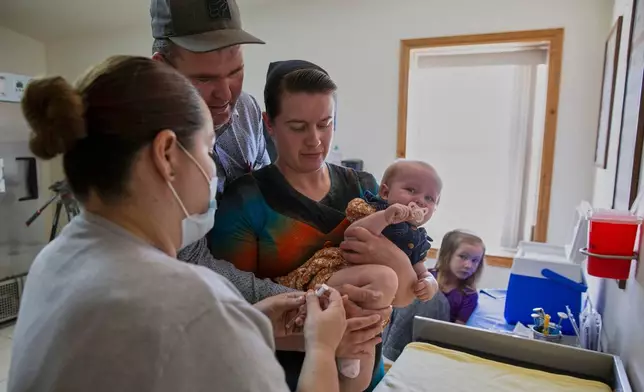
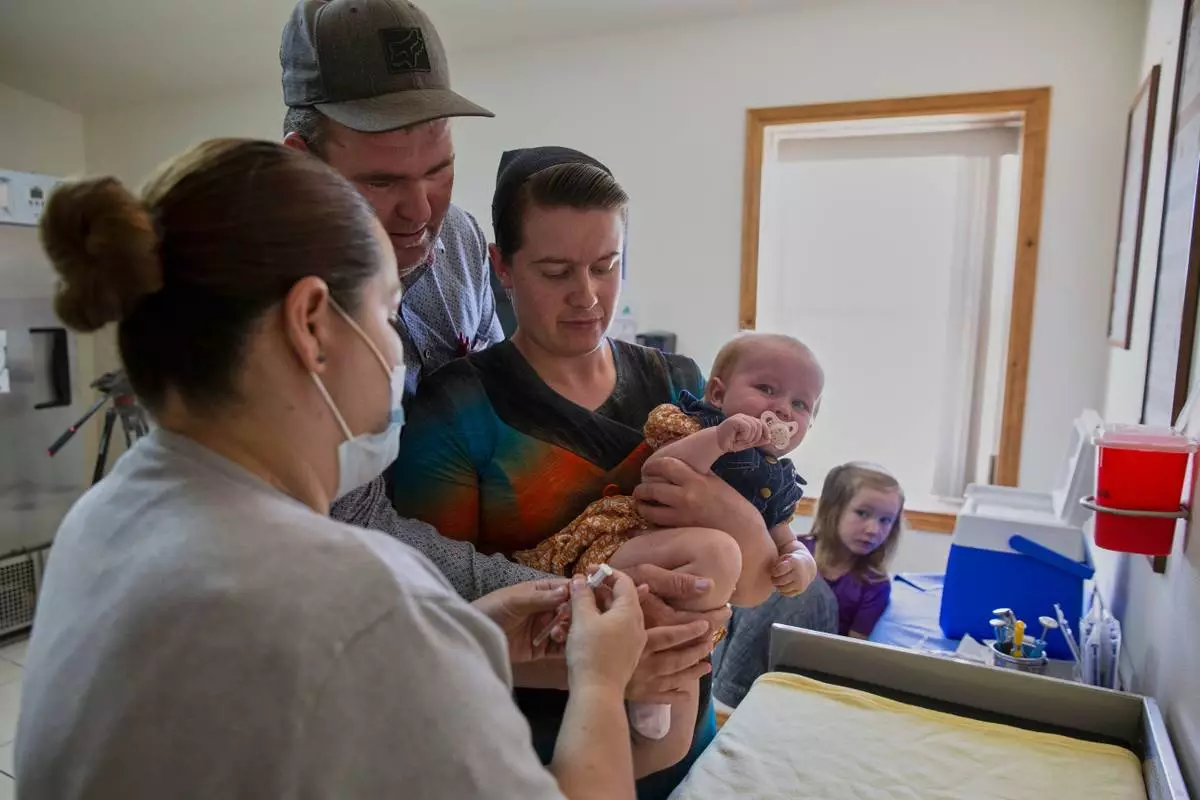
Mennonites Abraham Fehr and Katarina Wall hold their baby as he gets vaccinated weeks after the family fell sick with measles during an outbreak in Cuauhtemoc, Chihuahua state, Mexico, Thursday, May 1, 2025. (AP Photo/Megan Janetsky)
Mennonites Abraham Fehr and Katarina Wall hold their baby as he gets vaccinated weeks after the family fell sick with measles during an outbreak in Cuauhtemoc, Chihuahua state, Mexico, Thursday, May 1, 2025. (AP Photo/Megan Janetsky)

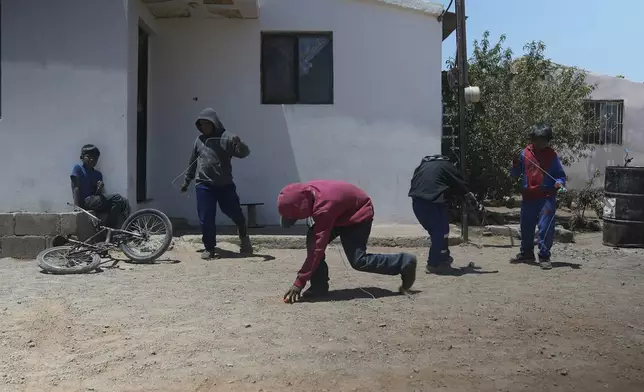
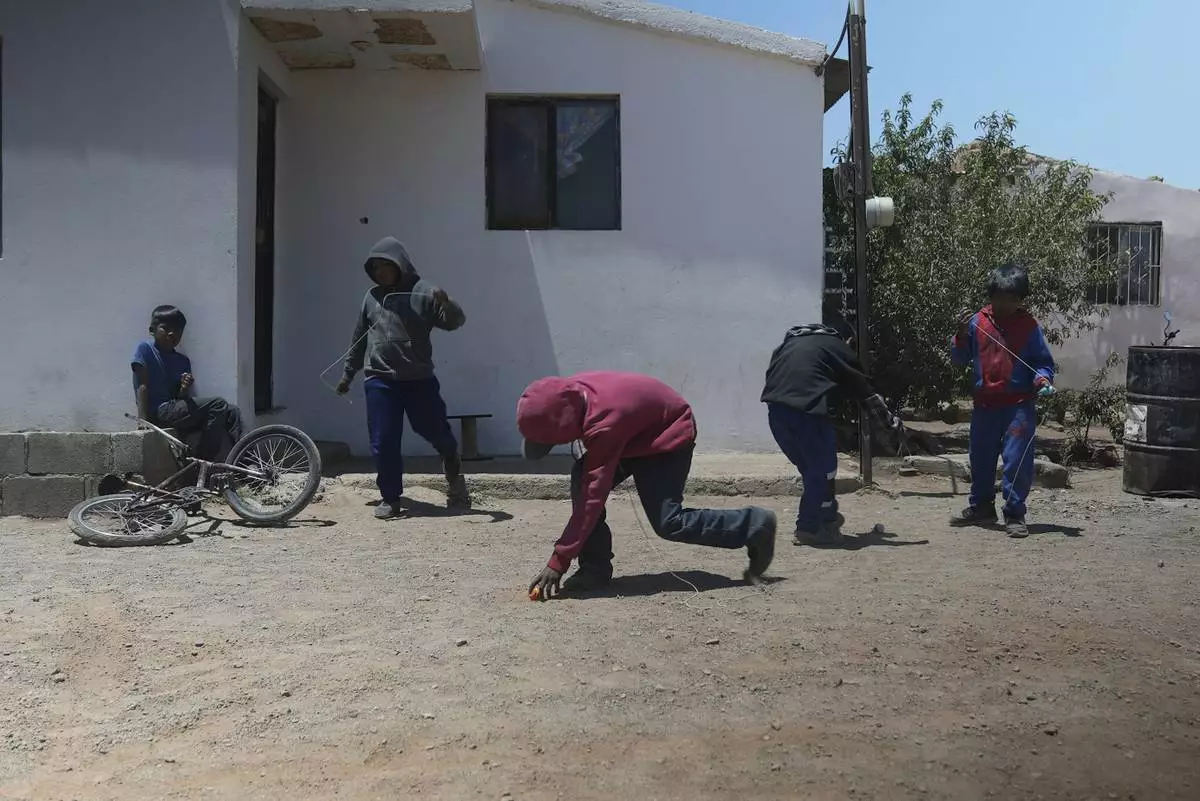
Tarahumara Indigenous children play outside their homes in Cuauhtemoc, Mexico, Thursday, May 1, 2025. (AP Photo/Martin Silva Rey)
Tarahumara Indigenous children play outside their homes in Cuauhtemoc, Mexico, Thursday, May 1, 2025. (AP Photo/Martin Silva Rey)

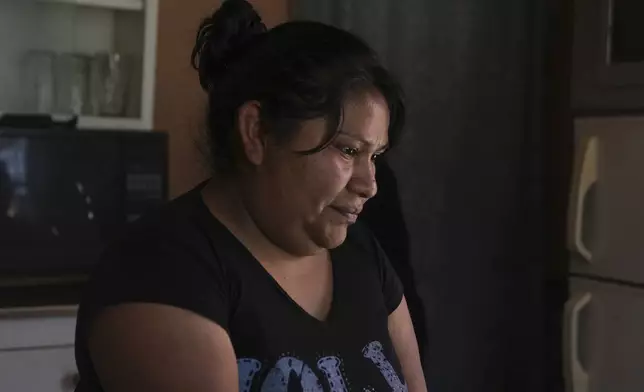
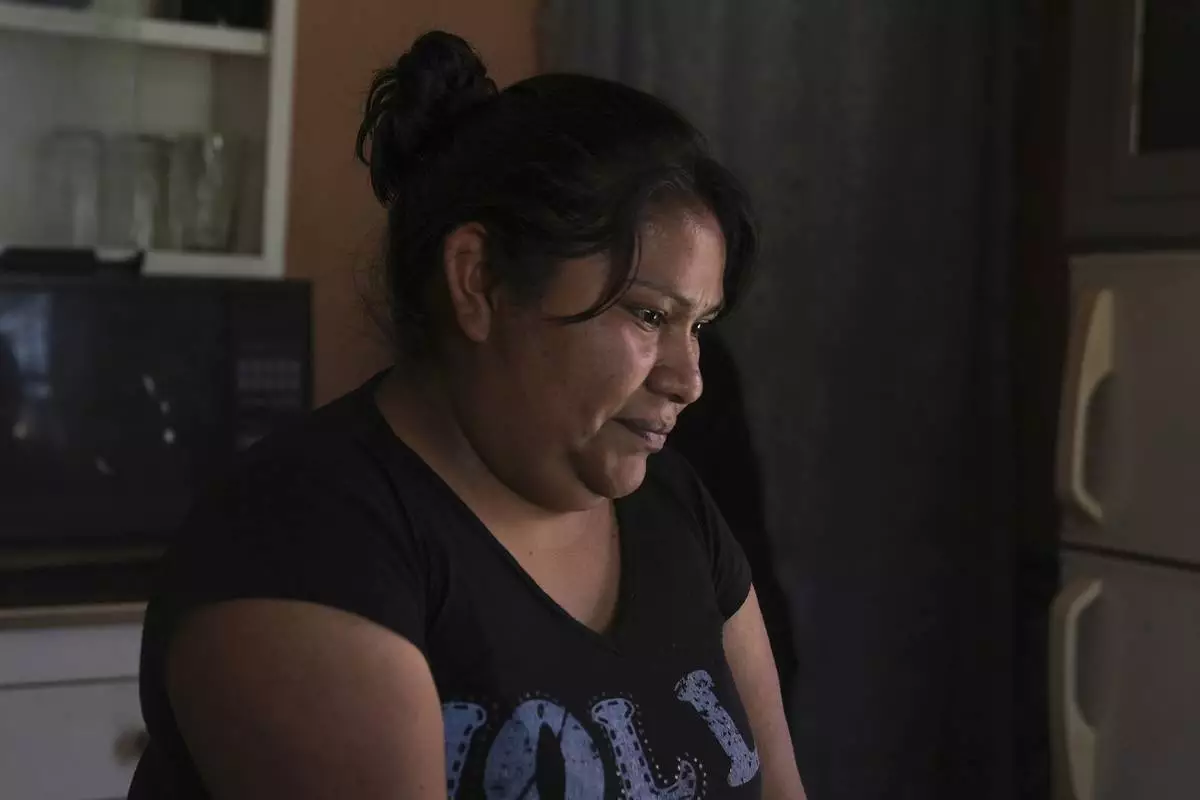
Tarahumara Indigenous woman Gloria Vega, 29, sits at her home after recovering from measles in Cuauhtemoc, Mexico, Thursday, May 1, 2025. (AP Photo/Martin Silva Rey)
Tarahumara Indigenous woman Gloria Vega, 29, sits at her home after recovering from measles in Cuauhtemoc, Mexico, Thursday, May 1, 2025. (AP Photo/Martin Silva Rey)

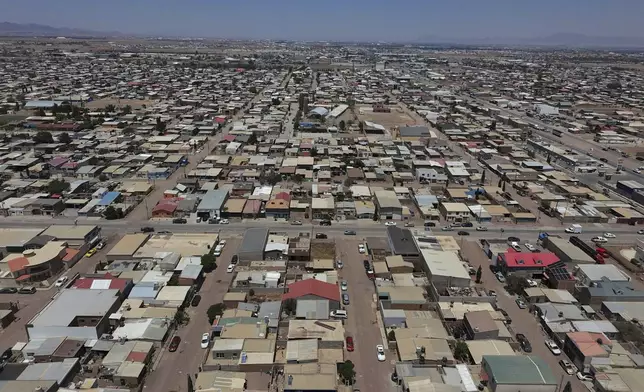
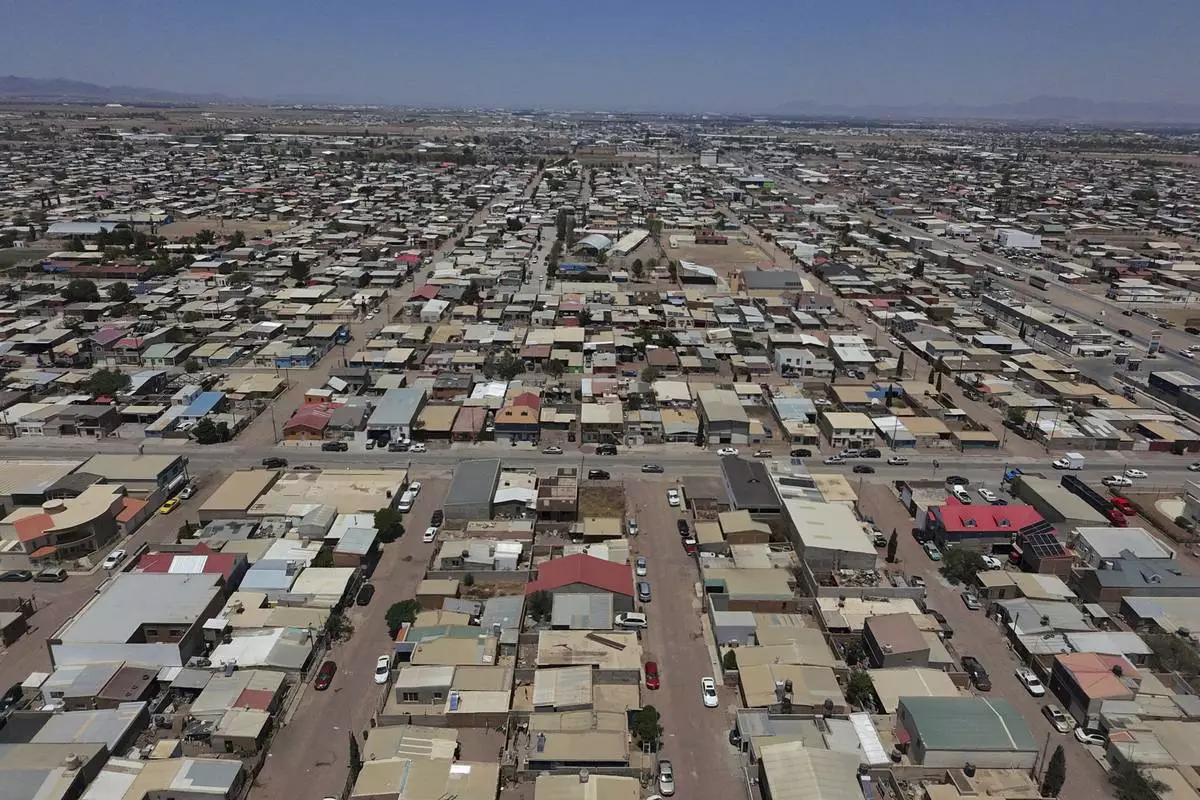
CORRECTS TO REMOVE THAT VIEW IS OF MENNONITE HOMES AND CROPS - An aerial view of Cuauhtemoc, Mexico, Thursday, May 1, 2025. (AP Photo/Martin Silva Rey)
CORRECTS TO REMOVE THAT VIEW IS OF MENNONITE HOMES AND CROPS - An aerial view of Cuauhtemoc, Mexico, Thursday, May 1, 2025. (AP Photo/Martin Silva Rey)

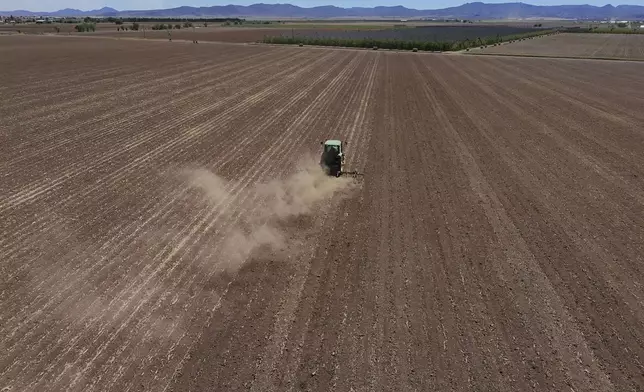
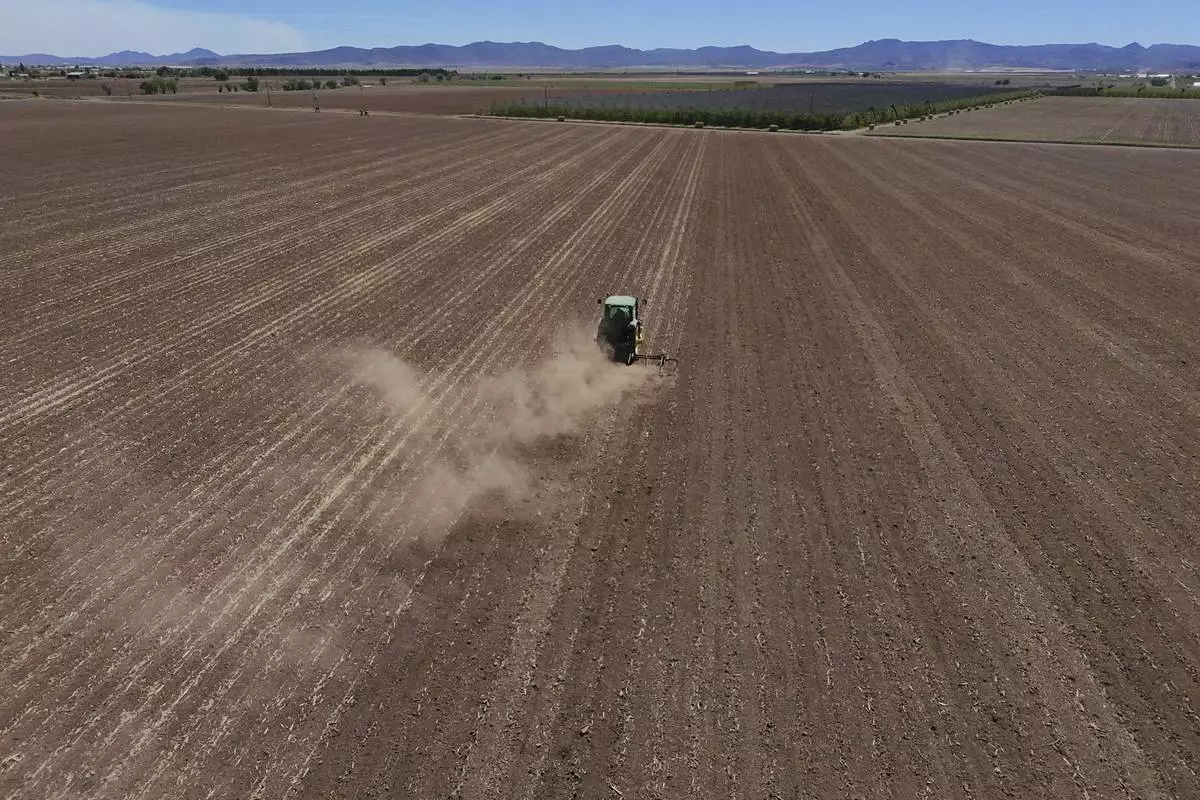
A tractor works a field belonging to members of the Mennonite community in Cuauhtemoc, Mexico, Thursday, May 1, 2025. (AP Photo/Martin Silva Rey)
A tractor works a field belonging to members of the Mennonite community in Cuauhtemoc, Mexico, Thursday, May 1, 2025. (AP Photo/Martin Silva Rey)

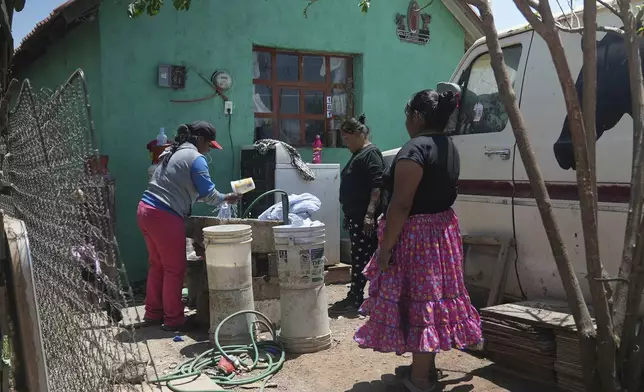
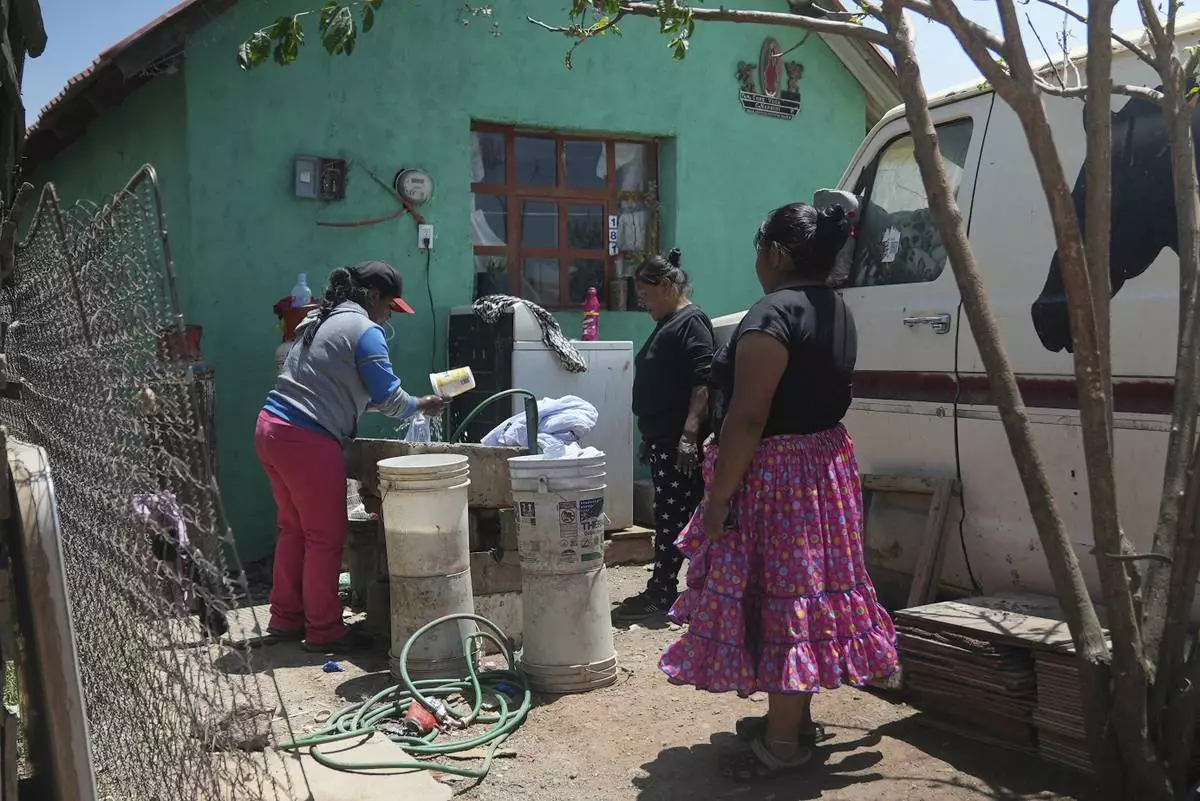
Tarahumara Indigenous woman Gloria Vega, right, watches a neighbor wash clothes outside her home in Cuauhtemoc, Mexico, Thursday, May 1, 2025. (AP Photo/Martin Silva Rey)
Tarahumara Indigenous woman Gloria Vega, right, watches a neighbor wash clothes outside her home in Cuauhtemoc, Mexico, Thursday, May 1, 2025. (AP Photo/Martin Silva Rey)

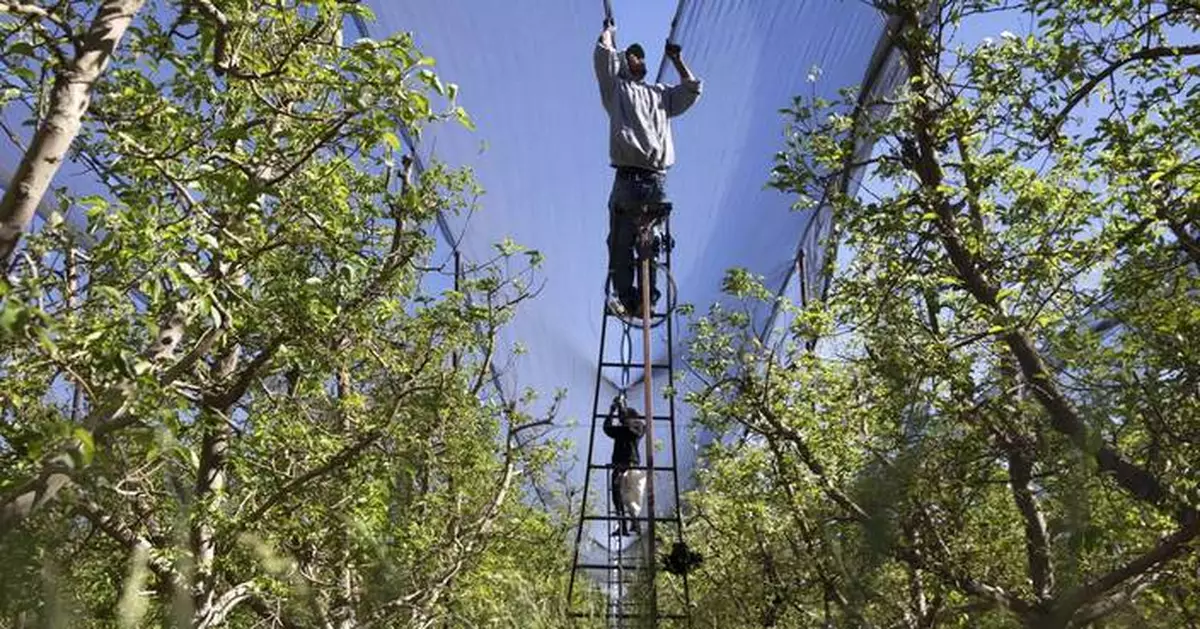
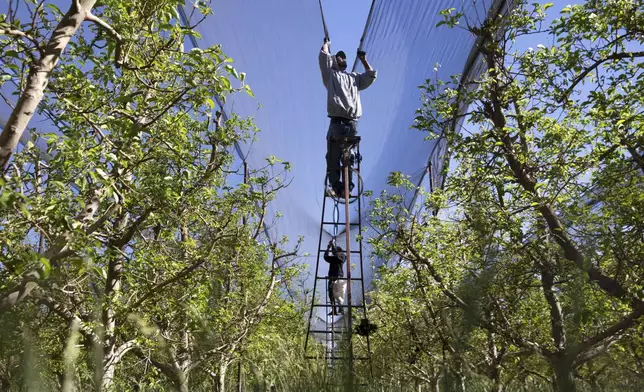
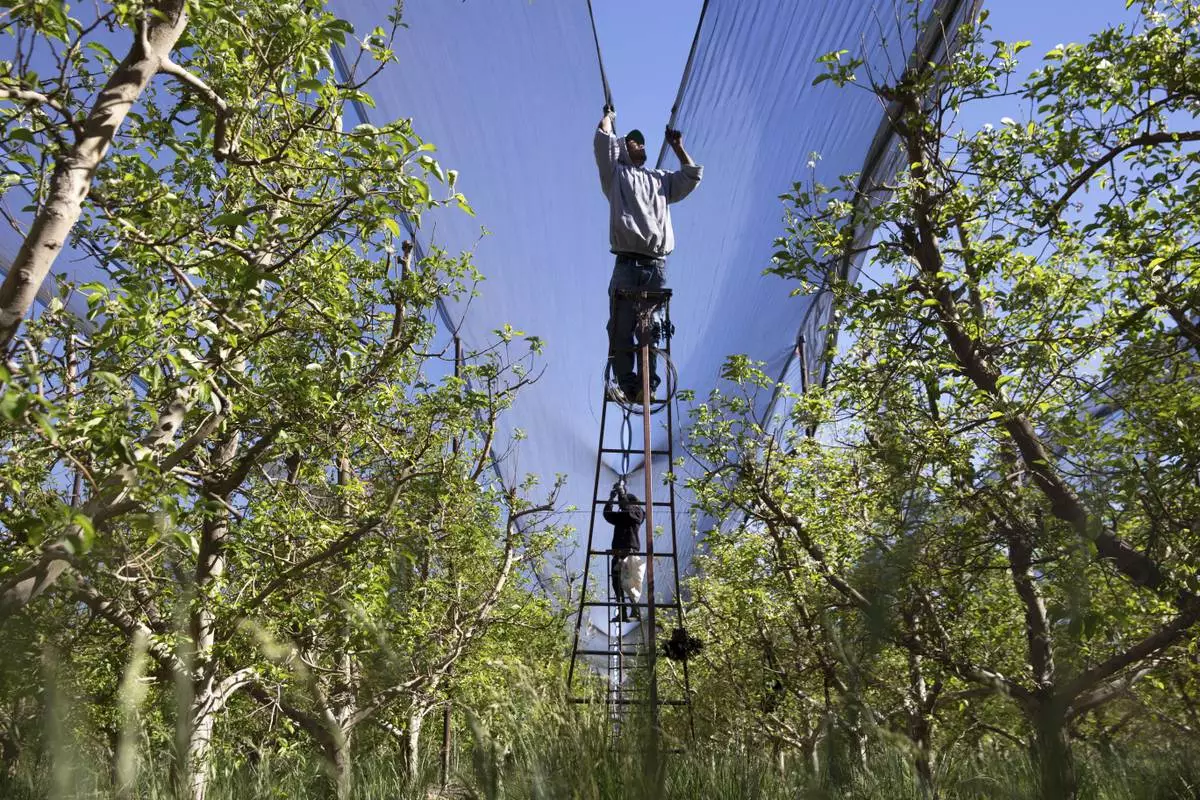
Farm worker Fernando Pedro Cruz Vencinos tends to an apple orchard in a Mennonite community, the epicenter of a measles outbreak, in Cuauhtemoc, Mexico, Mexico, Thursday, May 1, 2025. (AP Photo/Megan Janetsky)

Farm worker Fernando Pedro Cruz Vencinos tends to an apple orchard in a Mennonite community, the epicenter of a measles outbreak, in Cuauhtemoc, Mexico, Mexico, Thursday, May 1, 2025. (AP Photo/Megan Janetsky)

Aguirre's work is part of an effort by health authorities across the country to contain Mexico's biggest measles outbreak in decades, as cases climb not only here but in the U.S. and Canada. In Mexico, cases have been concentrated in the Mennonite community — long skeptical of vaccines and distrustful of authorities — in the northern border state of Chihuahua.

Officials say results of their campaign alongside Mennonite leaders have been mixed — they cite tens of thousands of new vaccinations in Chihuahua, but infections have ballooned and spread past the community to Indigenous and other populations.

Federal officials have documented 922 cases and one death in Chihuahua. Officials, health workers and local leaders say the numbers are likely underestimated, and misinformation about vaccines and endemic distrust of authorities are their biggest obstacles.

Pressed against the fringes of the small northern city of Cuauhtemoc, the Mennonite settlement here spans about 40 kilometers (25 miles). With 23,000 residents, it's one of Cuauhtemoc's primary economic engines, but it's an isolated place where families keep to themselves. Some have turned to social media and anti-vaccine websites for research. Others use little technology but visit family in the United States, where they also hear misinformation — which then spreads through word of mouth.

Chihuahua is a particularly worrisome place, officials say — as a border state, the risk that the preventable disease will continue spreading internationally and affect the most vulnerable is high.

“We have a massive flow of people,” said Alexis Hernández, a Cuauhtemoc health official. “That makes things a lot more complicated.”

Mexico considered measles eliminated in 1998. But its vaccination rate against the virus was around 76% as of 2023, according to the World Health Organization — a dip from previous years and well below the 95% rate experts say is needed to prevent outbreaks.

Mexico’s current outbreak began in March. Officials traced it to an 8-year-old unvaccinated Mennonite boy who visited relatives in Seminole, Texas — at the center of the U.S. outbreak.

Cases rapidly spread through Chihuahua's 46,000-strong Mennonite community via schools and churches, according to religious and health leaders. From there, they said, it spread to workers in orchards and cheese plants.

Gloria Elizabeth Vega, an Indigenous Raramuri woman and single mother, fell sick in March. Because she's vaccinated, measles didn't occur to her until she broke out in hives. Her supervisor at the cheese factory — who also caught measles — told her she had to take 10 days of leave and docked her pay 40% for the week, Vega said.

It's rare for vaccinated people to get measles, but officials say that may account for up to 10% of cases here, though they're milder.

Vega tucked herself away in the back of her two-room home, hoping her daughter and mother — also vaccinated — wouldn’t get sick. She wishes people would think of others when considering vaccination.

“They say, ‘Well, I have enough to be fine,’” she said. “But they don’t think about that other person next to them, or wonder if that person has enough to live off of.”

Vaccination isn't required in Mexico. Schools can request vaccination records, federal health department spokesman Carlos Mateos said, but they cannot deny anyone access to education.

In Chihuahua, some schools started reaching out to parents for copies of vaccination cards and encouraging shots, said Rodolfo Cortés, state health ministry spokesman.

It's unknown how many in the Mennonite community have gotten the vaccine — which is safe, with risks lower than those of measles complications.

Gabriella Villegas, head of vaccination at a clinic treating Mennonites with measles, estimated 70% of community members are not vaccinated. Other health authorities estimated the vaccination rate around 50%.

Mennonites who spoke to The Associated Press — most on condition of anonymity, fearing backlash — repeatedly cited vaccine misinformation. One man said U.S. Health Secretary Robert F. Kennedy Jr., who has a long record of promoting anti-vaccine views and has called vaccination a personal choice, is a hero.

“I don’t accept vaccines; it’s that easy. Because that’s where freedom of expression comes in,” said the man, Jacob Goertzen. "If we can’t make out own decisions, we don’t live in a democracy.”

Hernández, Cuauhtemoc’s health director, said outside influences affect community vaccine views.

“The Mennonite population has a lot of access to social media and family members in the U.S. and Canada, where there are a lot of myths that have taken hold and many more ‘anti-vaccine’ groups than we have in Mexico,” he said.

During nurse Aguirre's vaccination drive, one man simply said people here “prefer to cure themselves in their own way." A mother described getting sick with measles as a "privilege" and spoke of putting her unvaccinated 5- and 7-year-olds in a party so everyone could get sick and recover — a risky tactic doctors have long denounced.

Mexico's lone death from measles was a 31-year-old Mennonite man in the settlement who had diabetes and high blood pressure, underlying conditions that often complicate sicknesses.

Most people in Indigenous and other communities quickly agreed to vaccinate, officials told AP, but in Mennonite areas crews have to do more vigorous outreach — the door-to-door visits, follow-up calls and conversations, and involvement of local leaders.

In Cuauhtemoc's settlement, that's leaders like Jacob Dyck Penner. As colony president, he and other leaders closed school for two weeks to slow infections, have made a push to show residents they’re working with health authorities, and are encouraging vaccination.

Leaders translate health information into Low German, the native language of most of the community. Penner and others are assisting vaccination teams, making sure families know how to access health services.

“We had to find this way, together with doctors, to not pressure people or inspire distrust, so they can take their time and make their own decision to accept (being vaccinated),” Penner said.

Medics report more people visiting clinics, seeking vaccines for measles and other diseases. Still, Penner said, there a swath of people will always reject vaccinations.

Health officials like Hernández say they're concerned in particular for vulnerable populations including Indigenous groups, many of whom have fewer resources to cope.

Vega, the single mother who got measles, said her job at the cheese factory was once a blessing, providing health insurance and steady pay.

But the forced leave and docked pay left her reeling. She said she's living paycheck to paycheck and wonders how she'll pay the bills — her daughter's school supplies, lunches, tennis shoes.

“I have a daughter to keep afloat," she said. "It’s not like I have the option to wait and pay for things, for food.”

Associated Press videojournalist Martín Silva Rey contributed to this report from Cuauhtemoc, Mexico.
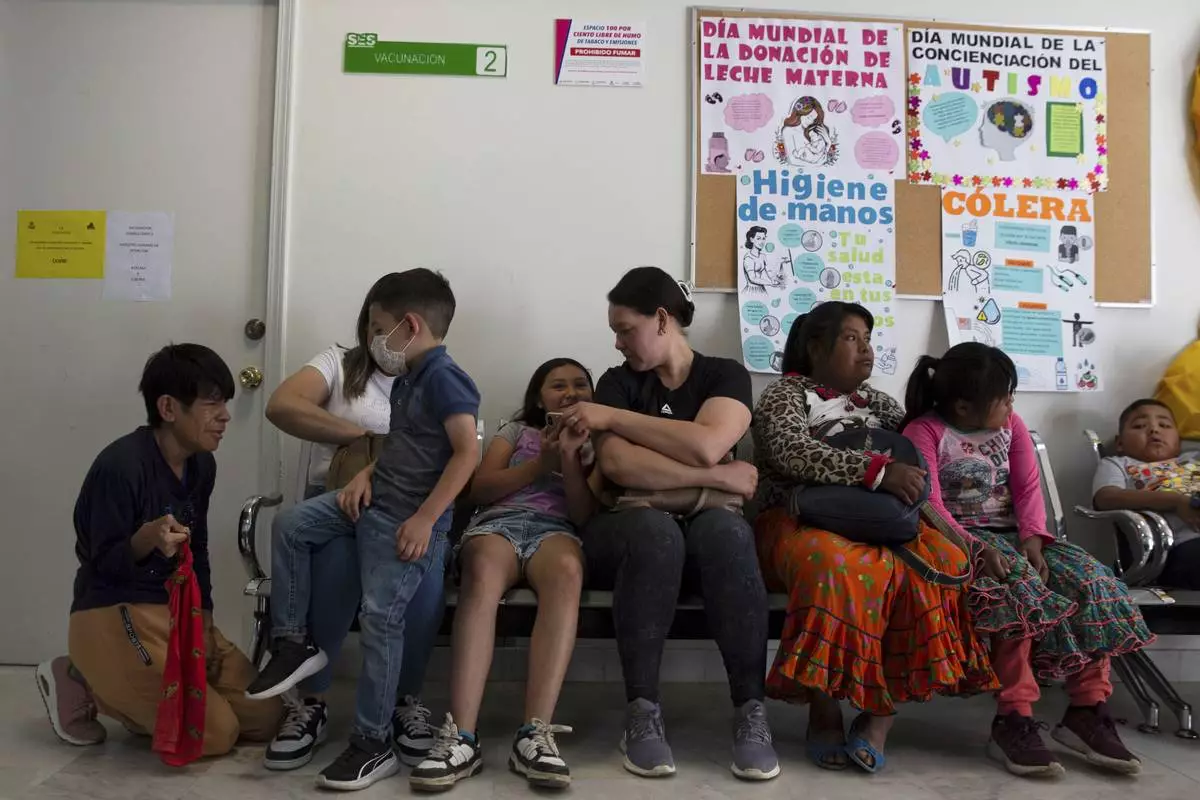
People wait to get vaccinated for measles at a health center in Cuauhtemoc, Chihuahua state, Mexico, Wednesday, April 30, 2025. (AP Photo/Megan Janetsky)
People wait to get vaccinated for measles at a health center in Cuauhtemoc, Chihuahua state, Mexico, Wednesday, April 30, 2025. (AP Photo/Megan Janetsky)

Mennonites Abraham Fehr and Katarina Wall hold their baby as he gets vaccinated weeks after the family fell sick with measles during an outbreak in Cuauhtemoc, Chihuahua state, Mexico, Thursday, May 1, 2025. (AP Photo/Megan Janetsky)
Mennonites Abraham Fehr and Katarina Wall hold their baby as he gets vaccinated weeks after the family fell sick with measles during an outbreak in Cuauhtemoc, Chihuahua state, Mexico, Thursday, May 1, 2025. (AP Photo/Megan Janetsky)

Tarahumara Indigenous children play outside their homes in Cuauhtemoc, Mexico, Thursday, May 1, 2025. (AP Photo/Martin Silva Rey)
Tarahumara Indigenous children play outside their homes in Cuauhtemoc, Mexico, Thursday, May 1, 2025. (AP Photo/Martin Silva Rey)

Tarahumara Indigenous woman Gloria Vega, 29, sits at her home after recovering from measles in Cuauhtemoc, Mexico, Thursday, May 1, 2025. (AP Photo/Martin Silva Rey)
Tarahumara Indigenous woman Gloria Vega, 29, sits at her home after recovering from measles in Cuauhtemoc, Mexico, Thursday, May 1, 2025. (AP Photo/Martin Silva Rey)

CORRECTS TO REMOVE THAT VIEW IS OF MENNONITE HOMES AND CROPS - An aerial view of Cuauhtemoc, Mexico, Thursday, May 1, 2025. (AP Photo/Martin Silva Rey)
CORRECTS TO REMOVE THAT VIEW IS OF MENNONITE HOMES AND CROPS - An aerial view of Cuauhtemoc, Mexico, Thursday, May 1, 2025. (AP Photo/Martin Silva Rey)

A tractor works a field belonging to members of the Mennonite community in Cuauhtemoc, Mexico, Thursday, May 1, 2025. (AP Photo/Martin Silva Rey)
A tractor works a field belonging to members of the Mennonite community in Cuauhtemoc, Mexico, Thursday, May 1, 2025. (AP Photo/Martin Silva Rey)

Tarahumara Indigenous woman Gloria Vega, right, watches a neighbor wash clothes outside her home in Cuauhtemoc, Mexico, Thursday, May 1, 2025. (AP Photo/Martin Silva Rey)
Tarahumara Indigenous woman Gloria Vega, right, watches a neighbor wash clothes outside her home in Cuauhtemoc, Mexico, Thursday, May 1, 2025. (AP Photo/Martin Silva Rey)

Farm worker Fernando Pedro Cruz Vencinos tends to an apple orchard in a Mennonite community, the epicenter of a measles outbreak, in Cuauhtemoc, Mexico, Mexico, Thursday, May 1, 2025. (AP Photo/Megan Janetsky)
Farm worker Fernando Pedro Cruz Vencinos tends to an apple orchard in a Mennonite community, the epicenter of a measles outbreak, in Cuauhtemoc, Mexico, Mexico, Thursday, May 1, 2025. (AP Photo/Megan Janetsky)
WASHINGTON (AP) — President Donald Trump has arrived at a delicate moment as he weighs whether to order a U.S. military response against the Iranian government as it continues a violent crackdown on protests that have left nearly 600 dead and led to the arrests of thousands across the country.

The U.S. president has repeatedly threatened Tehran with military action if his administration found the Islamic Republic was using deadly force against antigovernment protesters. It's a red line that Trump has said he believes Iran is “starting to cross” and has left him and his national security team weighing “very strong options.”

But the U.S. military — which Trump has warned Tehran is “locked and loaded” — appears, at least for the moment, to have been placed on standby mode as Trump ponders next steps, saying that Iranian officials want to have talks with the White House.

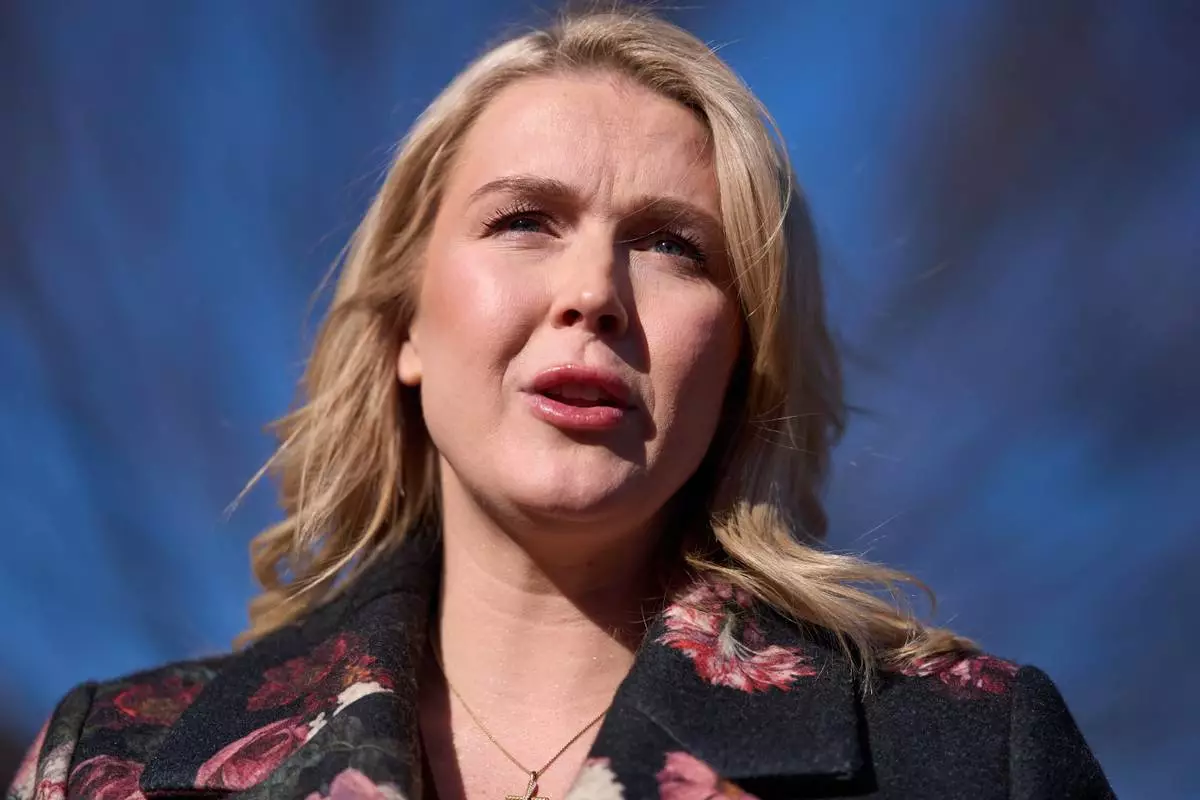
“What you’re hearing publicly from the Iranian regime is quite different from the messages the administration is receiving privately, and I think the president has an interest in exploring those messages,” White House press secretary Karoline Leavitt told reporters Monday. “However, with that said, the president has shown he’s unafraid to use military options if and when he deems necessary, and nobody knows that better than Iran.”

Hours later, Trump announced on social media that he would slap 25% tariffs on countries doing business with Tehran “effective immediately” — his first action aimed at penalizing Iran for the protest crackdown, and his latest example of using tariffs as a tool to force friends and foes on the global stage to bend to his will.

China, the United Arab Emirates, Turkey, Brazil and Russia are among economies that do business with Tehran. The White House declined to offer further comment or details about the president’s tariff announcement.

The White House has offered scant details on Iran's outreach for talks, but Leavitt confirmed that the president's special envoy Steve Witkoff will be a key player engaging Tehran.

Meanwhile, Vice President JD Vance, Secretary of State Marco Rubio and key White House National Security Council officials began meeting Friday to develop a “suite of options,” from a diplomatic approach to military strikes, to present to Trump in the coming days, according to a U.S. official familiar with the internal administration deliberations. The official was not authorized to comment publicly and spoke on the condition of anonymity.

Trump told reporters Sunday evening that a “meeting is being set up” with Iranian officials but cautioned that “we may have to act because of what’s happening before the meeting.”

“We’re watching the situation very carefully,” Trump said.

Demonstrations in Iran continue, but analysts say it remains unclear just how long protesters will remain on the street.

An internet blackout imposed by Tehran makes it hard for protesters to understand just how widespread the demonstrations have become, said Vali Nasr, a State Department adviser during the early part of the Obama administration, and now professor of international affairs and Middle East studies at Johns Hopkins University.

“It makes it very difficult for news from one city or pictures from one city to incense or motivate action in another city,” Nasr said. “The protests are leaderless, they're organization-less. They are actually genuine eruptions of popular anger. And without leadership and direction and organization, such protests, not just in Iran, everywhere in the world — it’s very difficult for them to sustain themselves.”

Meanwhile, Trump is dealing with a series of other foreign policy emergencies around the globe.

It's been just over a week since the U.S. military launched a successful raid to arrest Venezuela's Nicolás Maduro and remove him from power. The U.S. continues to mass an unusually large number of troops in the Caribbean Sea.

Trump is also focused on trying to get Israel and Hamas onto the second phase of a peace deal in Gaza and broker an agreement between Russia and Ukraine to end the nearly four-year war in Eastern Europe.

But advocates urging Trump to take strong action against Iran say this moment offers an opportunity to further diminish the theocratic government that's ruled the country since the Islamic revolution in 1979.

The demonstrations are the biggest Iran has seen in years — protests spurred by the collapse of Iranian currency that have morphed into a larger test of supreme leader Ayatollah Ali Khamenei's repressive rule.

Iran, through the country’s parliamentary speaker, has warned that the U.S. military and Israel would be “legitimate targets” if Washington uses force to protect demonstrators.

Some of Trump's hawkish allies in Washington are calling on the president not to miss the opportunity to act decisively against a vulnerable Iranian government that they argue is reeling after last summer's 12-day war with Israel and battered by U.S. strikes in June on key Iranian nuclear sites.

Sen. Lindsey Graham, R-S.C., said on social media Monday that the moment offers Trump the chance to show that he's serious about enforcing red lines. Graham alluded to former Democratic President Barack Obama in 2012 setting a red line on the use of chemical weapons by Syria's Bashar Assad against his own people — only not to follow through with U.S. military action after the then-Syrian leader crossed that line the following year.

“It is not enough to say we stand with the people of Iran,” Graham said. “The only right answer here is that we act decisively to protect protesters in the street — and that we’re not Obama — proving to them we will not tolerate their slaughter without action.”

Former Republican House Speaker Newt Gingrich, another close Trump ally, said the “goal of every Western leader should be to destroy the Iranian dictatorship at this moment of its vulnerability.”

“In a few weeks either the dictatorship will be gone or the Iranian people will have been defeated and suppressed and a campaign to find the ringleaders and kill them will have begun,” Gingrich said in an X post. “There is no middle ground.”

Indeed, Iranian authorities have managed to snuff out rounds of mass protests before, including the “Green Movement” following the disputed election in 2009 and the “woman, life, freedom” protests that broke out after 22-year-old Mahsa Amini died in custody of the state’s morality police in 2022.

Trump and his national security team have already begun reviewing options for potential military action and he is expected to continue talks with his team this week.

Behnam Ben Taleblu, senior director of the Iran program at the Foundation for Defense of Democracies, a hawkish Washington think tank, said “there is a fast-diminishing value to official statements by the president promising to hold the regime accountable, but then staying on the sidelines.”

Trump, Taleblu noted, has shown a desire to maintain “maximum flexibility rooted in unpredictability” as he deals with adversaries.

“But flexibility should not bleed into a policy of locking in or bailing out an anti-American regime which is on the ropes at home and has a bounty on the president’s head abroad,” he added.

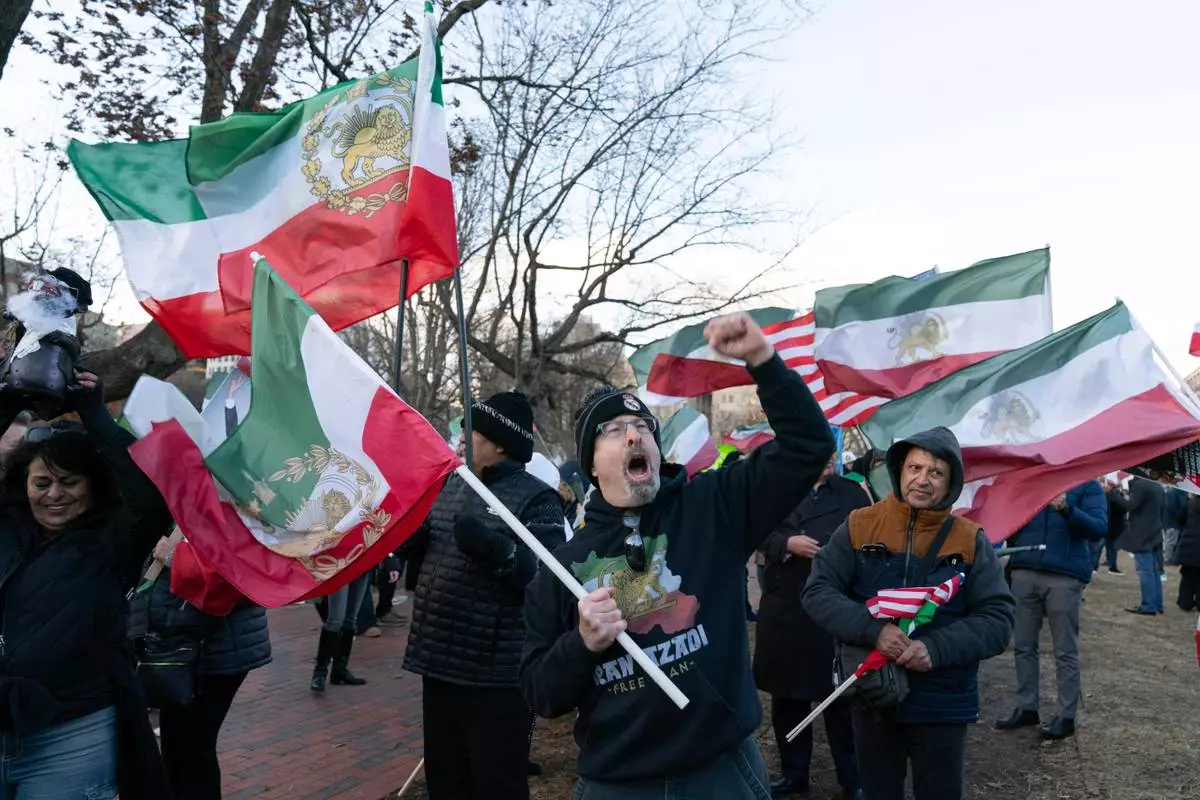
Activists take part in a rally supporting protesters in Iran at Lafayette Park, across from the White House, in Washington, Sunday, Jan. 11, 2026. (AP Photo/Jose Luis Magana)

Activists take part in a rally supporting protesters in Iran at Lafayette Park, across from the White House, in Washington, Sunday, Jan. 11, 2026. (AP Photo/Jose Luis Magana)

White House press secretary Karoline Leavitt speaks with reporters at the White House, Monday, Jan. 12, 2026, in Washington. (AP Photo/Evan Vucci)

White House press secretary Karoline Leavitt speaks with reporters at the White House, Monday, Jan. 12, 2026, in Washington. (AP Photo/Evan Vucci)

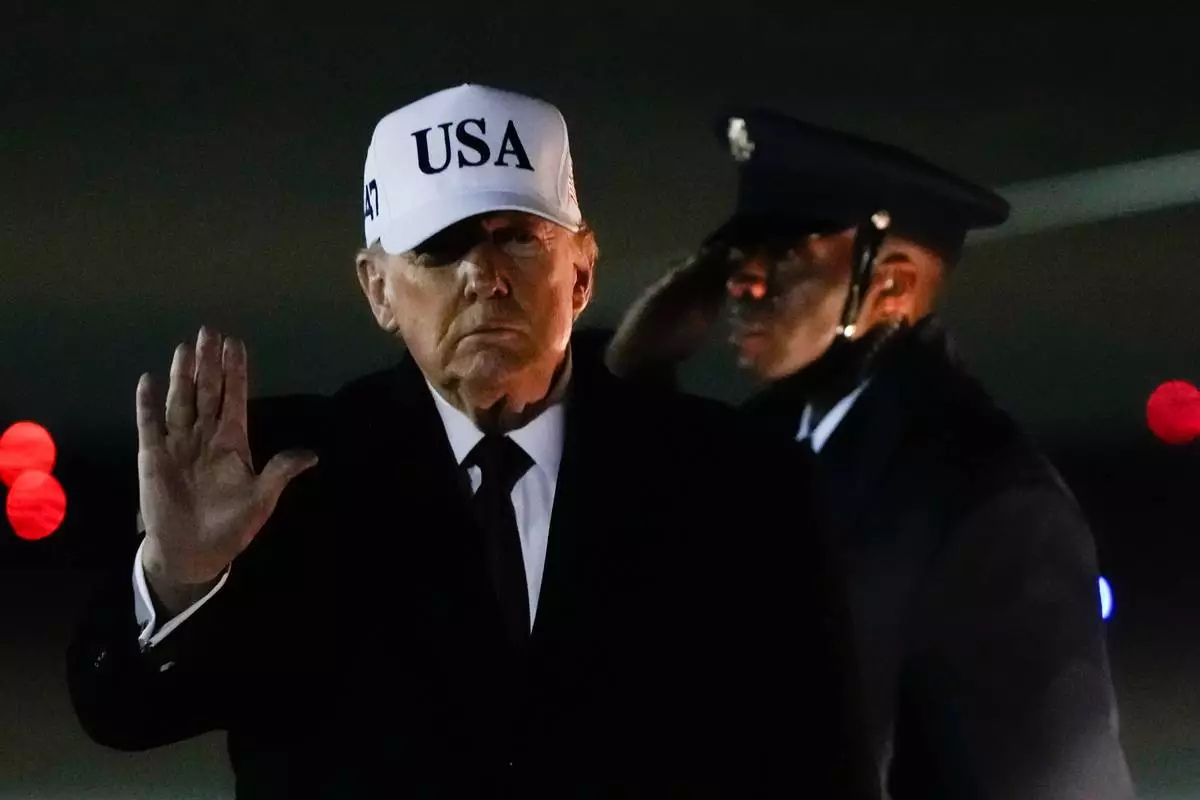
President Donald Trump waves after arriving on Air Force One from Florida, Sunday, Jan. 11, 2026, at Joint Base Andrews, Md. (AP Photo/Julia Demaree Nikhinson)

President Donald Trump waves after arriving on Air Force One from Florida, Sunday, Jan. 11, 2026, at Joint Base Andrews, Md. (AP Photo/Julia Demaree Nikhinson)

Recommended Articles