The U.S. tariff policy has not only impacted Japan's economy, particularly its automotive industry, but also posed a threat to its own supply chains, said Japanese economist in Tokyo on Thursday.
The U.S. administration imposed a new 25-percent tariff on imported auto components, including engines and transmissions on May 3, in another blow to Japan's mainstay car industry which has already been slapped with the same rate of tariff on automobiles that took effect in early April.
The U.S. administration told Japan in their second round of negotiations, held in Washington on May 1, that it aims to focus mainly on reciprocal tariffs in its negotiations with Tokyo while not including duties on automobiles, steel and aluminum, Kyodo News reported, citing Japanese government sources.
Yayoi Sakanaka, a senior economist at Mizuho Research and Technologies, said that the U.S. tariffs will deal a heavy blow to Japan's auto sector, the country's pillar industry.
"The entire automotive industry will face extremely serious repercussions. The Japanese automotive sector has a vast network of partners, and it is a pillar industry. Its associated industrial chain is also extremely broad. Therefore, if the automotive industry is hit hard, it could very likely become a significant cause of economic turmoil in Japan," she said in an interview with the China Central Television (CCTV).
The economist noted that U.S. carmakers depend on certain Japanese-made auto parts, and high tariffs will not only raise their manufacturing costs, but also will lead to the disruption of their supply chains.
"As for auto parts, not all Japanese components are used solely by Japanese car manufacturers. Some U.S. car manufacturers also use these Japanese parts. From this perspective, imposing tariffs on auto parts will grossly impact U.S. carmakers as well," said the economist.

US tariff policy impacts Japanese automakers, threatens US supply chains: economist
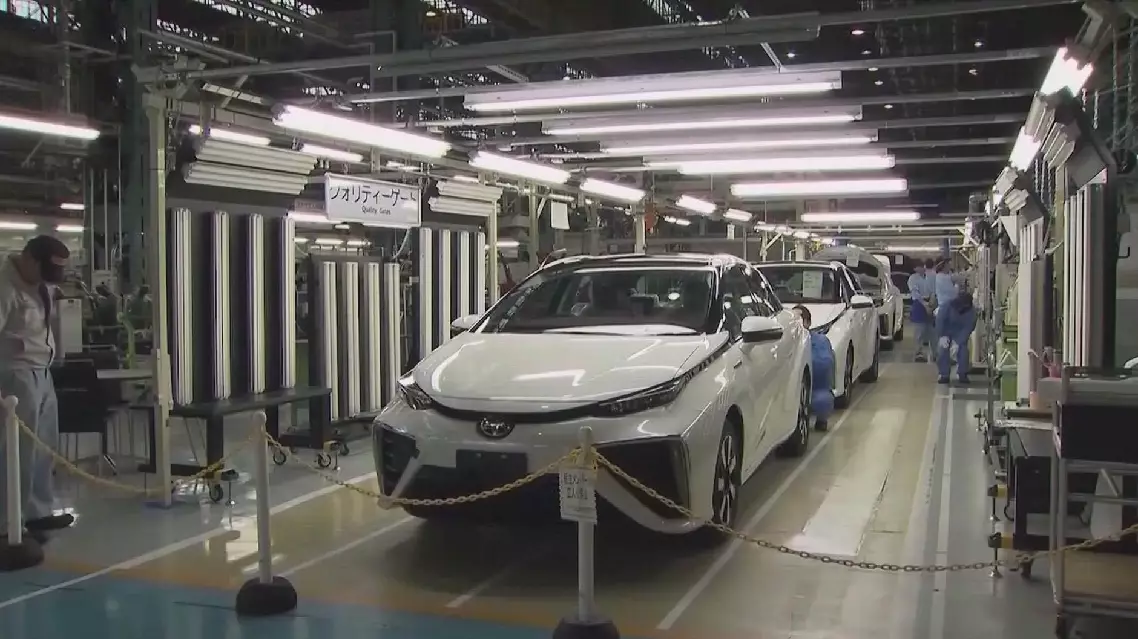
US tariff policy impacts Japanese automakers, threatens US supply chains: economist
The agreement between China and the European Union (EU) on providing general guidance on price undertakings for Chinese exporters of passenger battery electric vehicles (BEVs) to the EU will help stabilize industrial and supply chains, said an industry analyst.
The move aims to address relevant concerns in a more practical, targeted, and consistent manner with World Trade Organization (WTO) rules, according to the Ministry of Commerce in a statement on Monday.
The statement noted that in the spirit of mutual respect, the two sides have conducted multiple rounds of consultations in order to implement the consensus of the China-EU Summit and properly resolve the EU's anti-subsidy case concerning Chinese BEVs.
To that end, the European Commission on Monday issued guidance on the submission of price undertaking offers, covering various aspects that should be addressed in any such offer, including the minimum import price, sales channels, cross-compensation, and future investments in the EU.
Each price undertaking offer is subject to the same legal criteria, and the commission will conduct each assessment in an objective and fair manner, following the principle of non-discrimination and in accordance with WTO rules, the commission said.
On the same day, the China Chamber of Commerce for Import and Export of Machinery and Electronic Products (CCCME) also issued a statement welcoming the positive outcome of the consultations.
Chen Huiqing, director of the CCCME's Legal Department, said that reaching a price commitment helps companies protect their profits from tariffs.
"For companies, reaching a price commitment means profits stay with the firm, instead of being taken away as EU anti-subsidy tariffs," said Chen.
The price-undertaking option will help stabilize supply chains and support global trade, she added.
"After multiple rounds of talks, China and the EU have reached a positive, 'soft-landing' outcome that helps stabilize industrial and supply chains and supports broader China-EU trade and the global trade order," Chen said.
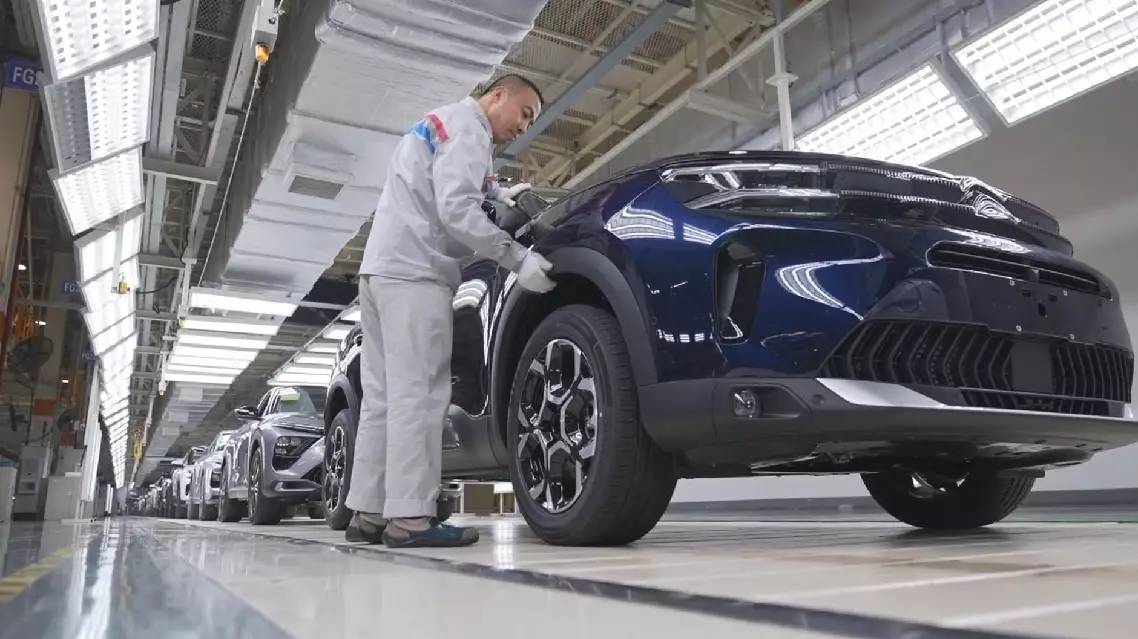
China-EU agreement on price undertaking guidance for EV exports to stabilize supply chains: analyst