Economic managers in Nigeria, Africa's largest oil producer, are increasingly concerned about the continued drop in global oil prices, which poses a serious threat to its economy.
The sharp drop in oil prices is fueled by rapid increases in OPEC+ supply and weakening global demand, triggering anxiety in the country.
For Nigeria, a country heavily reliant on oil revenues to support its economy, the combination of falling oil prices and challenges in crude production is alarming.
"The implications could be severe depending on how low the oil prices eventually go. Unfortunately, we do not control what happens in the international oil space, so it is only what is within our own control that we can deal with. What is within our control is to see how we can improve production, so that with increased production we will be able to defray part of the losses from price," said Gbolahan Olojede, Group Managing Director of Capital Bancorp PLC, a Nigerian investment banking and financial services company.
The country is also falling short of its oil production target for this year, which is set at over 2 million barrels per day. Currently, it is producing only about 1.6 million barrels daily.
"A few days ago, crude oil dropped to about 60 dollars per barrel. And our budget benchmark for crude oil was 75 dollars per barrel. So already, if this trajectory continues, we are already seeing a major shortfall in terms of revenue and in terms of foreign exchange earnings. And this, of course, has major implications, because if it continues that way, and our foreign earnings begin to drop, that means that our exchange rate will come under pressure. And we are beginning to see indications of that. Once exchange rate begins to depreciate, it triggers inflation. You know, it affects the cost of living, it affects the welfare of the people, it takes a lot of toll. You know, cost drives up the level of poverty in the economy. So, these are the concerns that we have," said Muda Yusuf, CEO of Center for the Promotion of Private Enterprise, a non-governmental organization.
"If the shortfall materializes, we may need to borrow more to be able to implement the budget. That's what it means. So the debt burden will increase," said Olojede.
The government's economic management team is monitoring the situation closely and will provide a clear strategy if the trend continues, according to Nigeria's Minister of Finance.
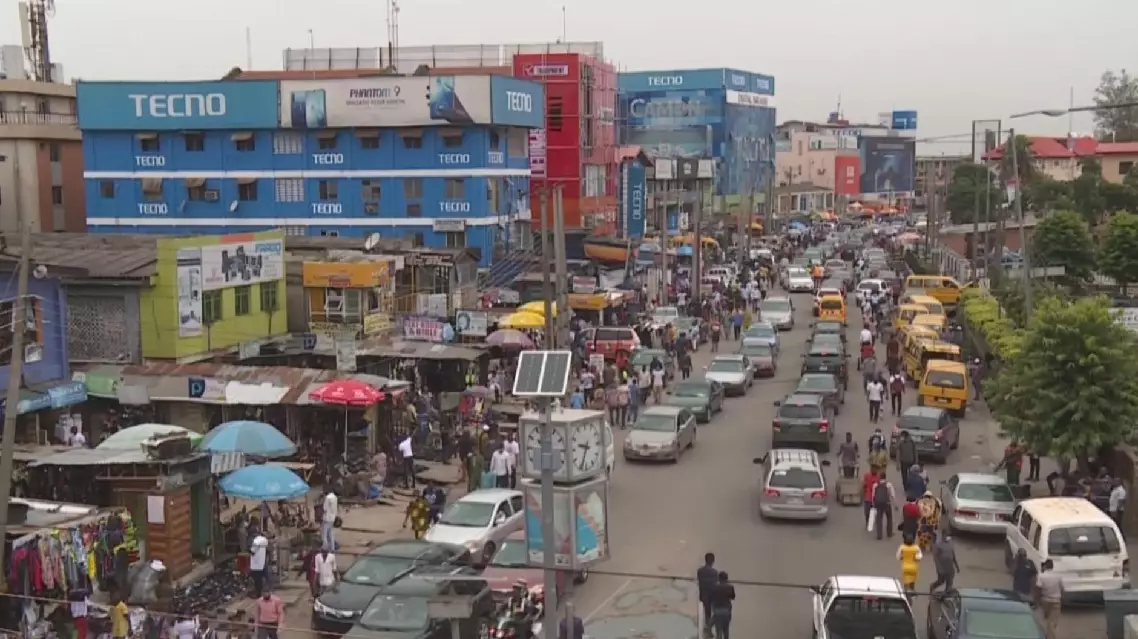
Concerns loom in Nigeria over continued drop in global oil prices