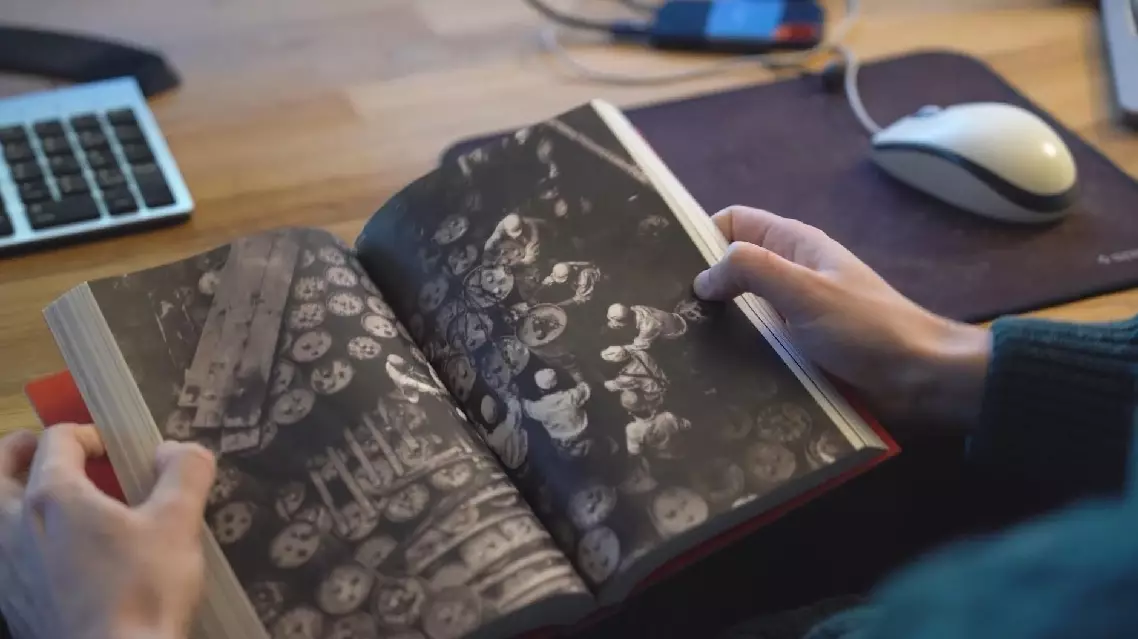
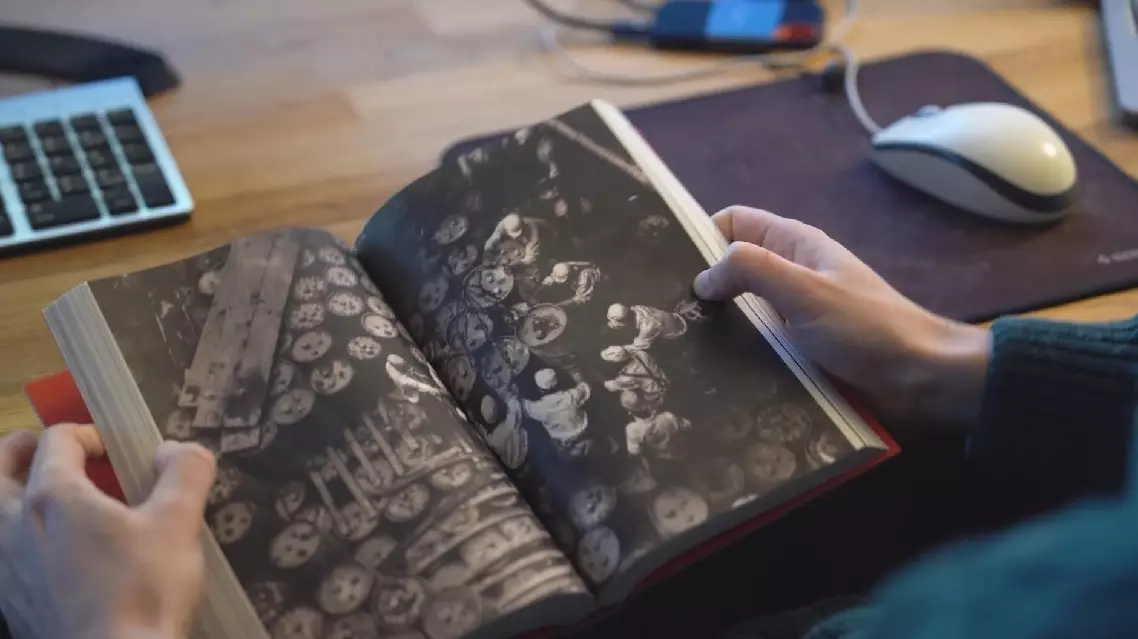
In Germany, a father and son are collaborating on a book detailing the Japanese army's war crimes and atrocities in China during World War II, hoping to raise awareness of this dark chapter of history among more Europeans through historical research.
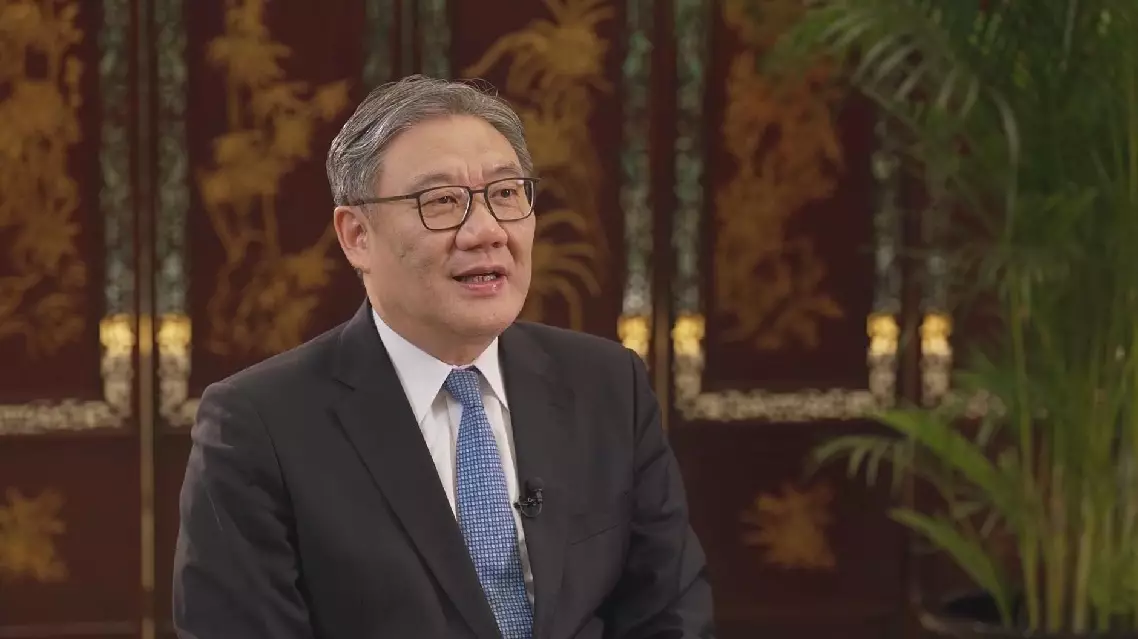
German publisher and writer Frank Schumann, 74, finds Europeans have very limited knowledge of the history of the Asian theater of the World War II, especially the Chinese theater.
"Fifty or sixty years ago, I started working as a journalist and came into contact with the history of World War II, mainly focusing on the European theater. Later, I discovered that European society had very limited understanding of the Asian theater, especially the war that took place in China. Japan's war of aggression against China did not receive due attention it deserved," he said.
In 2014, while studying in Japan, Frank Schumann's son Fritz Schumann, now a freelance writer, visited the site of a World War II-era Japanese poison gas factory near Hiroshima. Intrigued by this piece of history, he began researching related materials. "While studying in Hiroshima, I discovered Okunoshima, an small island [located off the Hiroshima coast] where Japan once operated Asia's largest poison gas factory. The chemical gas produced there was intended specially for the use by Japanese forces in China. What shocked me was that this history remained largely unknown within Japan itself. Neither the fact of Japan's use of poison gas in China nor the existence of the factory is widely discussed or acknowledged. So I began an investigation, reviewing archives and visiting museums," said Fritz Schumann.
As they learned more and more about the war crimes committed by the Japanese military in China during the World War II, they decided to write a book to let more people know about this history.
"This book examines Japan's use of chemical weapons in China, detailing the historical context, Germany's involvement, and, most importantly, the episode's relevance to the contemporary society," said Fritz Schumann.
They believe that the war crimes committed by Japan in China during the WWII have left deep rifts between the two societies and peoples, but what the sitting Japanese government has done is not to remedy these rifts. Instead it is exacerbating them.
"The Japanese government's current policies are actually deepening these rifts. Neither the government nor Japan's overall political orientation has shown genuine commitment to bridging the differences and estrangement between Japan and China. In contrast, China has consistently striven for peaceful coexistence with its neighboring countries. In China, it is often said that all under heaven are one family'," said Frank Schumann. The book is expected to be completed and published in multiple languages this year, which will help readers better understand that period of history and its contemporary relevance, and encourage more people to work together for a peaceful future free from war.
German authors reveal Japan's WWII war crimes in China
German authors reveal Japan's WWII war crimes in China