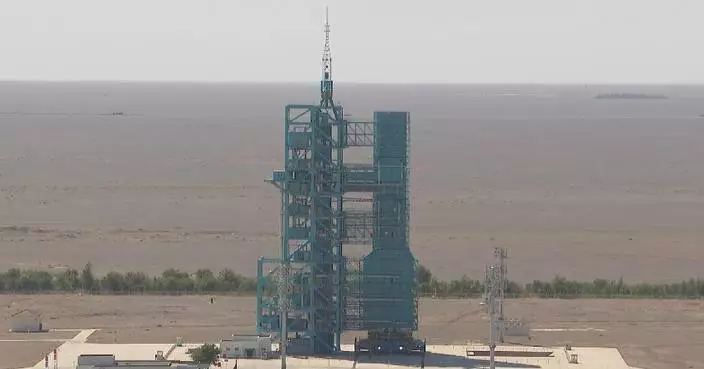
China's Xi'an Satellite Control Center and its control stations have completed all coordinating and testing work related to the the upcoming launch of Shenzhou-23 crewed spaceship.
At one of the control stations, technicians are conducting the final comprehensive rehearsal for the mission.
To maintain real-time awareness of the status of the spacecraft and the astronauts onboard, engineers use TT and C (telemetry, tracking and command) communications to connect space and ground. Only by reaching designated positions at scheduled times can rendezvous and docking be completed.
"From the launch of Shenzhou-23, the entry of its crew into the space station to the return of the Shenzhou-22 crew, the ground stations will use TT and C equipment deployed across various locations to conduct 'tracking whenever visible' of the spacecraft based on its visibility from the ground. During some key mission arcs, we will also arrange multiple sets of equipment located in different areas to conduct simultaneous tracking, so as to ensure the reliability of space-ground communications," said Liu Fang from the Xi'an Satellite Control Center.
The scheduling and allocation of TT and C resources across different regions are mainly carried out by the control center.
At the management center of China's aerospace TT and C network, scientists and technicians there have completed conflict analysis of TT and C resources and resource allocation work for the launch, orbiting and rendezvous and docking phases of the Shenzhou-23 mission, ensuring the orderly deployment of TT and C resources and the successful completion of the mission.
"During the Shenzhou-23 mission, ground-based TT and C stations, the Yuanwang tracking ships, and the Tianlian relay satellites will work in coordination to complete TT and C tasks during various mission phases, including spacecraft launch and orbiting, rendezvous and docking, and in-orbit operation. By using our independently-developed automated TT and C resource scheduling system, we conducted automated analysis of multiple launch windows and scientifically and efficiently allocated TT and C resources," said Zhao Wentao from the Xi'an Satellite Control Center.
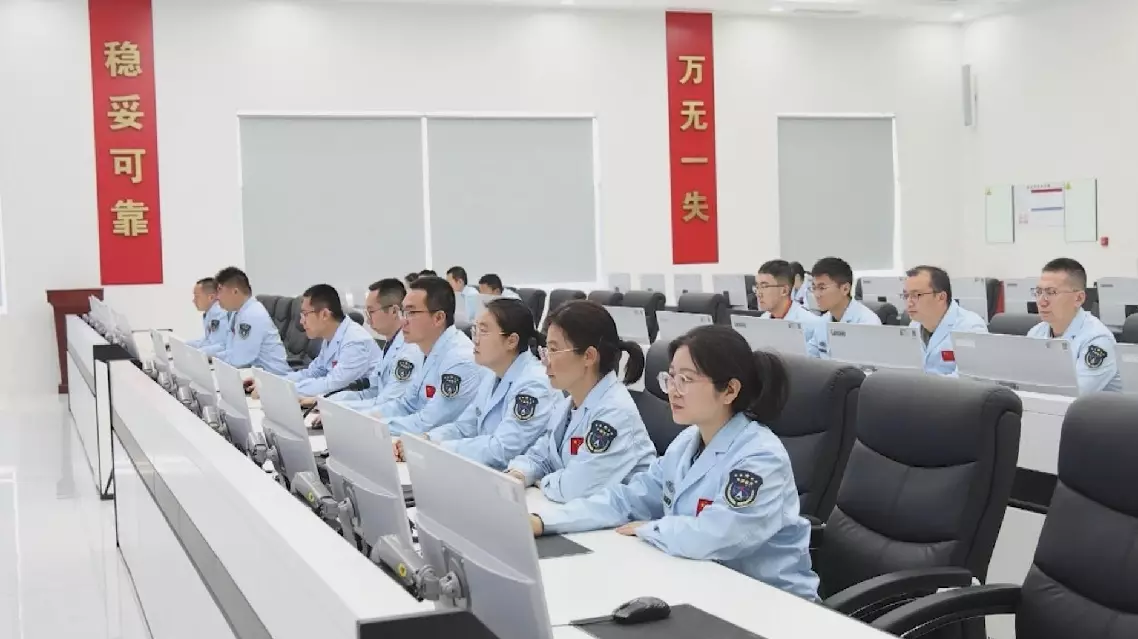
China's satellite control center gears up for Shenzhou-23 mission
China's Minister of Commerce Wang Wentao outlined the key priorities of the 32nd Asia-Pacific Economic Cooperation (APEC) Ministers Responsible for Trade Meeting, which opened on Friday in Suzhou, East China's Jiangsu province.
In an interview with CGTN ahead of the two-day meeting, Wang said free trade, digital cooperation and green economy are high on the agenda of the meeting.
"The key areas include advancing regional economic integration and the Free Trade Area of the Asia-Pacific, supporting the World Trade Organization (WTO) in strengthening digital cooperation and developing green economy. At present, the international situation is marked by intertwined turbulence and chaos, with intensified geopolitical instability. The rise of unilateralism and protectionism poses serious challenges to the international economic and trade order, disrupting global and Asia-Pacific development. Against this backdrop, all parties have higher expectations for this trade ministers' meeting, hoping that it can build consensus and deliver outcomes," Wang said.
This year marks China's third time hosting the APEC meetings and the 35th anniversary of its membership.
By 2025, China had become the largest trading partner of 13 APEC economies. Trade between China and APEC economies reached 3.7 trillion U.S. dollars, accounting for 57.8 percent of China's total foreign trade.
China has signed 24 free trade agreements or economic and trade arrangements with 31 countries and regions, including 15 APEC economies. In recent years, China has also completed upgrades of free trade agreements with APEC economies such as Singapore and Peru.
The minister said that China has always been a firm supporter and an important contributor to APEC.
"We have actively shared our vast market and development opportunities with all parties. China's door to the world will only open wider and wider. Facing the common challenges, China will continue to fulfill its responsibilities as a major country, further deepen reform, expand high-standard opening-up, and continue to provide new opportunities for the Asia-Pacific region and the world with its new achievements in Chinese modernization," the minister said.
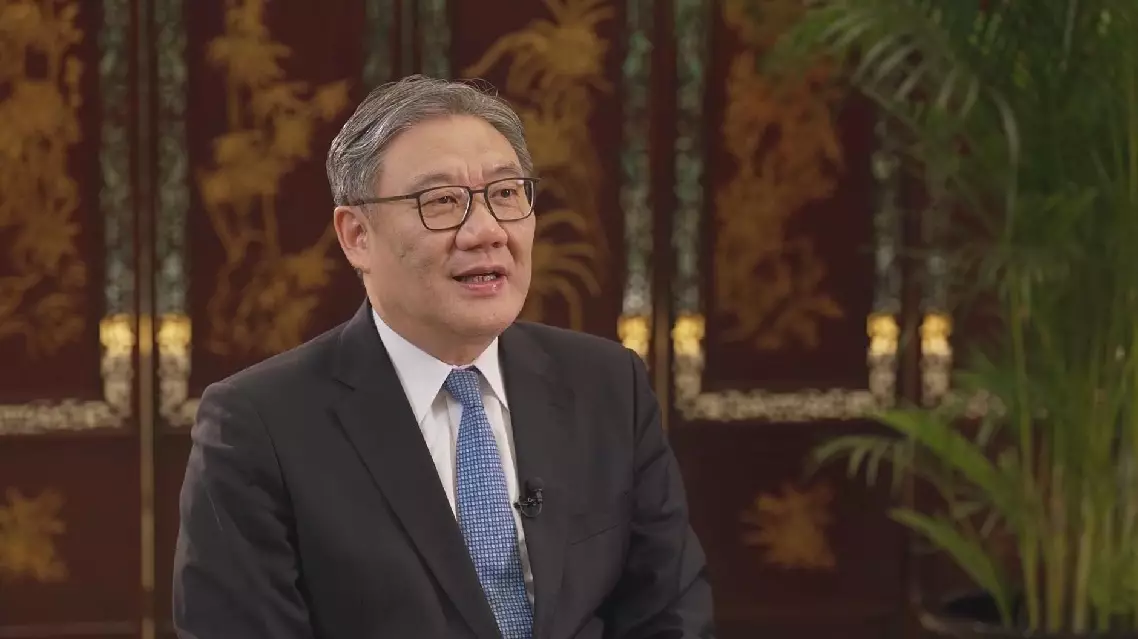
China's Commerce Minister outlines priorities for 32nd APEC trade ministers' meeting