For the first time, treasures from the National Museum of China are on display in Russia, marking a historic highlight of the China-Russia Year of Culture and showcasing an essential aspect of Chinese food traditions.
The Moscow Kremlin Museums is showcasing an exhibition titled "Exquisite Feast," exploring the history of food in ancient China. Featuring 145 rare items, many displayed for the first time, the exhibition highlights the rich traditions, rituals, and consumption habits of Chinese cuisine.
Nina Pavlova, curator of Moscow Kremlin Museums, believes the exhibition will foster stronger cultural and diplomatic relations between China and Russia.
"This exhibition is a continuation of our cooperation with the National Museum of China. In November 2024, the National Museum of China opened an exhibition dedicated to the Russian feast. And, of course, it was a great success. And 'Exquisite Feast' is a kind of reply. Both exhibitions talk about the culture of nutrition, featuring national traditions related to eating in different time periods. And any joint meal improves friendly feelings, so it seems to us that such cross-exhibitions will contribute to strengthening friendly relations between countries," she said.
Dining culture is bridging Russia and China, deepening mutual understanding between the two nations. The exhibition, tailored specifically for the Russian audience, is part of the China-Russia cross culture years.
Chinese feasting traditions extend beyond food, encompassing rich symbolism, intricate aesthetics, and profound intellectual heritage. This has captivated Russian viewers, unveiling traditions from Neolithic kitchen tools to ceremonial utensils of imperial times.
"I'm very interested in jade products. I own some items myself. There are such interesting things in the collection, and Chinese painting is very interesting to me too. I have albums of Chinese art at home. I always admire it," said Liudmila, said a visitor.
"I am always interested in the art of China, the history of China. It's very always fascinating. Probably, you should always look for something in common between the two cultures, and it's desirable to find it," said Alexandra, another visitor.
The organizers say they are presenting Chinese culture in volumes: Ceramics, bronzes, calligraphy, archaeological finds, and paintings, which make up a crucial part of human culture.
With the two nations aiming to understand each other better, this exhibition serves as a bridge and may boost the already growing popularity of Chinese cuisine among Russians.
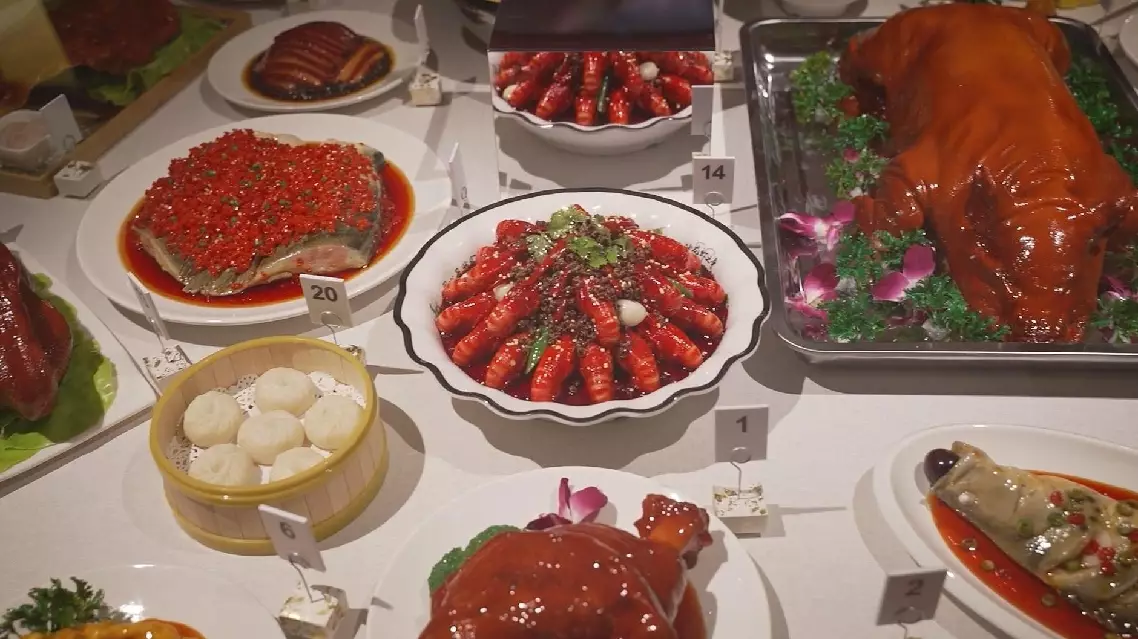
Moscow Kremlin Museums holds Chinese culture expo, highlighting food traditions
The World Data Organization (WDO) has brought together more than 200 members from over 40 countries worldwide, as a newly established international platform for cross-border data collaboration.
The World Data Organization is the first professional international organization focused on advancing data development and governance practices. Established on Monday with its headquarters in Beijing, the organization serves as a global, non-governmental, and non-profit platform for dialogue, rule-making, and collaboration.
The diverse membership of the WDO includes enterprises, universities, think tanks, international organizations and financial institutions, spanning 14 industries such as manufacturing, finance, healthcare, e-commerce, transportation, energy and agriculture, with members from over 40 countries. This broad global footprint and diversified membership have enabled the WDO to preliminarily form a collaborative ecosystem with broad coverage and multi-party synergy.
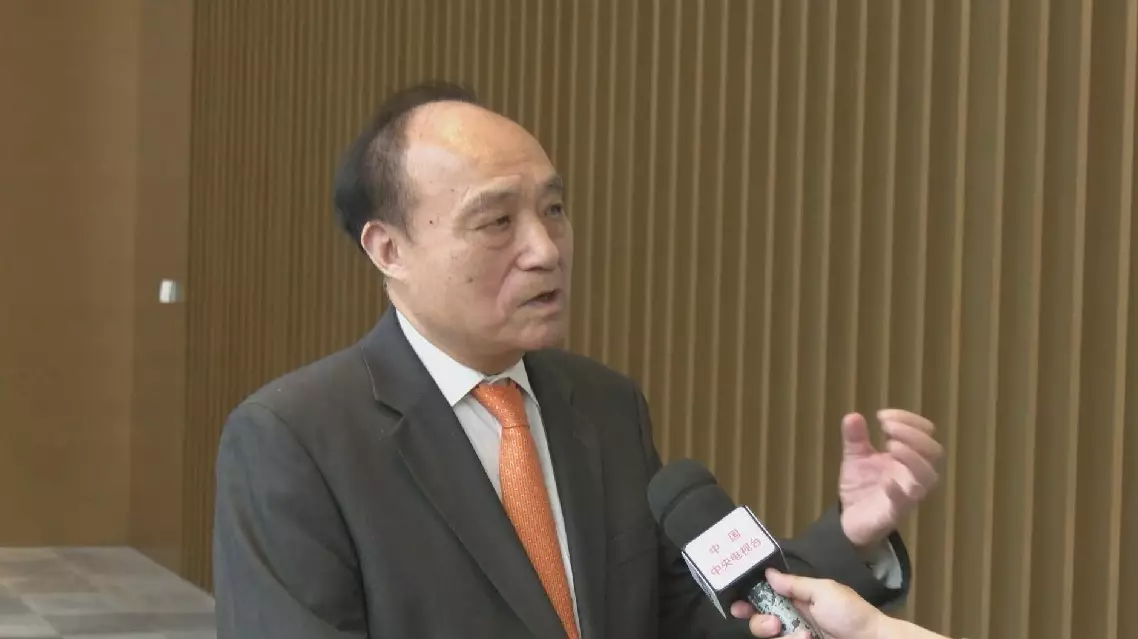
Zhao Houlin, former secretary-general of the International Telecommunication Union, noted its unique value in nurturing global digital talent and facilitating cross-border knowledge sharing.
"This platform can help us train and cultivate leading talent in the field of data communications from all countries. Through this platform, these professionals will gain insights into China's development experience as well as that of other nations, and can better apply what they have learned to the economic construction and technological advancement of their home countries," said Zhao Houlin, former secretary-general of the International Telecommunication Union.
While talent development stands as a core pillar of the WDO's mission, global industry leaders also highlighted the organization's critical role in bridging data division and advancing inclusive digital growth, as cross-border data flows face rising risks of division and barriers.
"Data in the cloud is one thing that can create huge borders, so we must work together. So I think what you're seeing now is China saying we're looking into the problems and the solutions and we're trying to address that," said Jack Perry, chairman of the 48 Group.
Looking ahead, the WDO will focus on two core missions. The first is breaking barriers by harmonizing global data policies to support governments and research institutions, while lowering compliance costs for multinational enterprises. The second is building ecosystems through the deployment of data applications in sectors such as healthcare and education. Through these efforts, the organization aims to strengthen talent development, particularly in the Global South, to effectively bridge the digital divide.
It is expected that by 2030, the World Data Organization will become an internationally influential platform and a trusted hub in the data field.
World Data Organization gathers over 200 members across more than 40 countries