Multiple civil groups in Japan attended a negotiation with the Ministry of Defense on Monday in Tokyo to demand the latter stop its military expansion moves, while only received perfunctory response, arousing people's dissatisfaction and criticism.
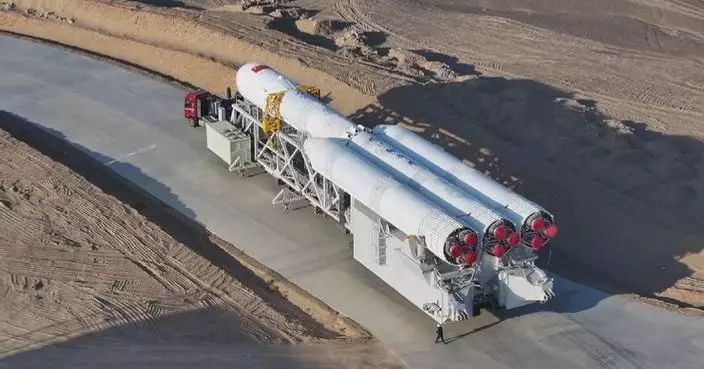
Japan's Ministry of Defense has delivered a launcher for the upgraded Type 12 surface-to-ship missile to Camp Kengun in Kumamoto City, which is set to be formally deployed on Tuesday.
Though designated as an "anti-ship missile", the upgraded Type 12 is also capable of striking land targets. With a range of about 1,000 km, it can reach the territories of neighboring countries from Japan.
In the negotiation, representatives of civil groups said it is unacceptable that the Japanese government has forcibly advanced the deployment of missile without holding a briefing to the public amid strong opposition from local residents.
"It's been eight months. Please tell us whether a residents' briefing has been held, what kind of discussion has been carried out, what's the current situation? Please tell us the progress," Koji Sugihara, a representative of civil groups, asked at the meeting.
"We have been seriously studying whether to hold a briefing for local residents all along," an official of the Ministry of Defense responded.
"So what I'm asking is exactly what discussions have been held over the past eight months. Which department of the Ministry of Defense is in charge of it? What stage are you currently at and how is the process going?" Koji Sugihara continued his question.
But he still didn't get a satisfactory reply, as the official said no details of the internal situation are available.
In hearing the ambiguous reply, Koji Sugihara reiterated his appeal.
"It is not an internal detail issue, is it? We've been waiting for eight months and have mentioned it many times. Aren't you going to force the deployment tomorrow? It's a local consensus that the deployment can't be carried out without a residents' briefing," he said.
"We have asked in the previous negotiations whether it was the Kyushu Defense Bureau and other local defense agencies that did not hold the briefing, or the Ministry of Defense headquarters in Tokyo that ordered the briefing not to be held. The response we received was that the headquarters had issued instructions, meaning that the Ministry of Defense ordered the briefing not to be held. This is very inappropriate," said Kimoto Sigeo, a representative of civil groups.
In addition, people attending the meeting also expressed their dissatisfaction and opposition to the Japanese government's continuous increase in defense spending, and its efforts to amend the constitution in recent years.
"We must reflect on the aggressive wars we launched. Now the government seems to be trying to cover up these historical facts and is reluctant to face up to the fact of the aggressive wars. Therefore, history must be disseminated truthfully and this situation cannot be allowed to develop continuously," said a attendee of the meeting.
"It was precisely based on the reflection on the war that Japan formulated Paragraph 2, Article 9 of the Constitution, stipulating that it would not maintain the power of war and would not recognize the right to engage in war. However, after 80 years, it has gradually become recognized in form only. Therefore, I believe that we should return to the starting point and resolutely safeguard the Constitution," said another attendee.
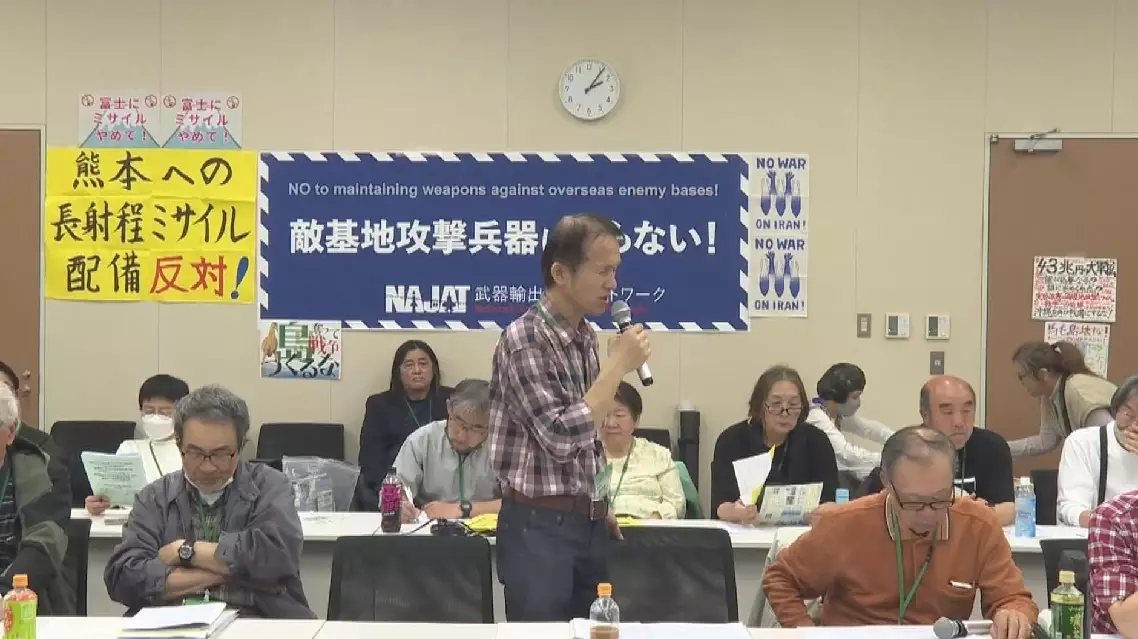
Japan's civil groups gather to oppose government's missile deployment
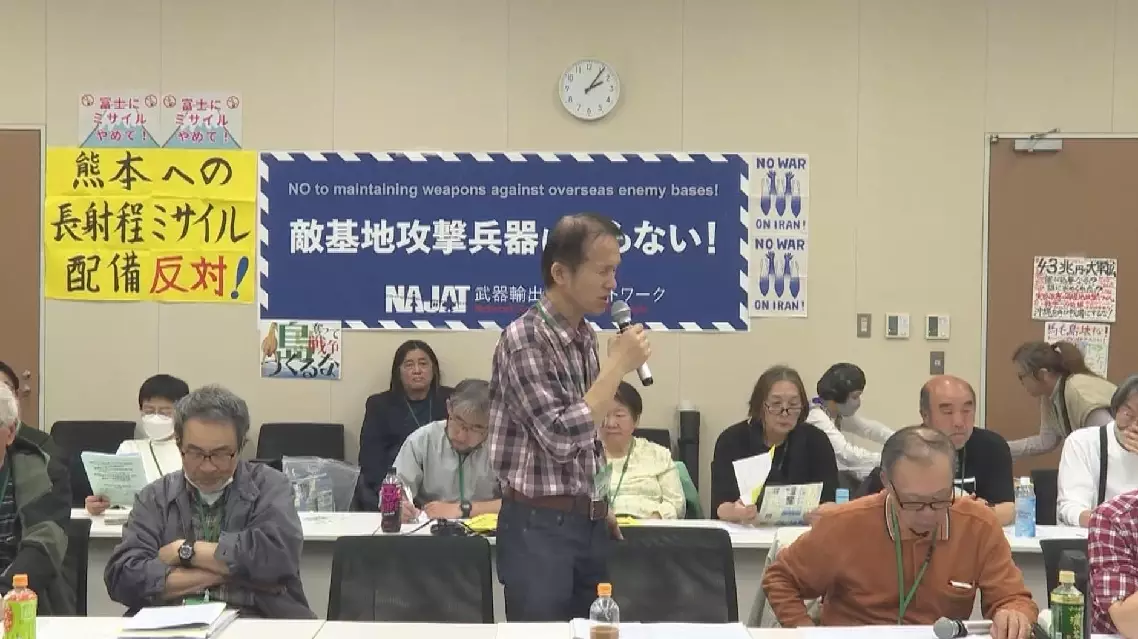
Japan's civil groups gather to oppose government's missile deployment