Coffee brands in Colombia are hoping to expand their exports to China, one of the largest and most rapidly expanding coffee markets in the world, by winning over consumers who are less familiar with Latin American roasts.
According to the 2025 China urban coffee development report unveiled in late April, China's coffee industry reached 313.3 billion yuan (45.78 billion US dollars) in 2024, up 18.1 percent year-on-year, with annual per capita consumption rising to 22.24 cups.
The surging demand in China has stimulated its coffee import, with Colombia as one of its major trading partners in the coffee industry. According to estimates, China could be the second export destination of Colombian coffee in 2026 if the trend continues, which creates huge potential for its coffee producers.
Luis Fernando Velez, founder of Amor Perfecto Coffee, a local coffee brand in Bogota, shared his plans and expectations to explore the emerging market. Coming from humble beginnings as gift shop that served coffee, Amor Perfecto became a coffee brand in 1997 after customers discovered the top-quality of their brews.
"Clients began to say that the new thing to do in Bogota was to go have coffee at Amor Perfecto. And the clients would come asking for coffee, and we would say, we don't have coffee! We just serve coffee to our clients! Want a good cup of coffee?" said Velez, recalling the founding of the brand.
After years of development, Velez has exported his coffee to many countries and aims to bring his best-flavored coffee to China to promote Colombian coffee in the vast market.
"Worldwide recognition involves good branding. But they don't know that brands like 'Italian Coffee' don't even exist! Coffee can be roasted in Italy, but it is not produced there. One of our challenges is to show Chinese consumers that we have the knowledge, technology, and quality, to try our original roasted Coffee and have them notice the difference with a coffee roasted in Italy, for example," he said.
As China and Colombia seek larger trade and cooperation, the ambitions of coffee producers are receiving support. Platforms like the Community of Latin American and Caribbean States (CELAC) forums are playing an important role to help not only local coffee, but agricultural sector as a whole, to enter the Chinese market.
"Colombian coffee, cacao, and meat are all leading the way for other agricultural products in China. China is looking for new experiences, and is constantly changing, and Colombia needs to learn to adapt to their high demands in technology, and we will need investment and support to do that," said Camilo Defelipe Villa, a researcher on Asia Studies from Javeriana University.
With all the global tailwinds on their back, Colombian coffee companies are ready to go global, said Velez.
"We shouldn't be forced to trade with just one region. Years ago, we would have been forced to choose between Europe and the U.S. The U.S. was a natural associate because they are 2 hours away on a plane and 24 hours on a boat. But that doesn't mean we can't explore other lands like China. Especially with the global trade context in this day and age," he said.
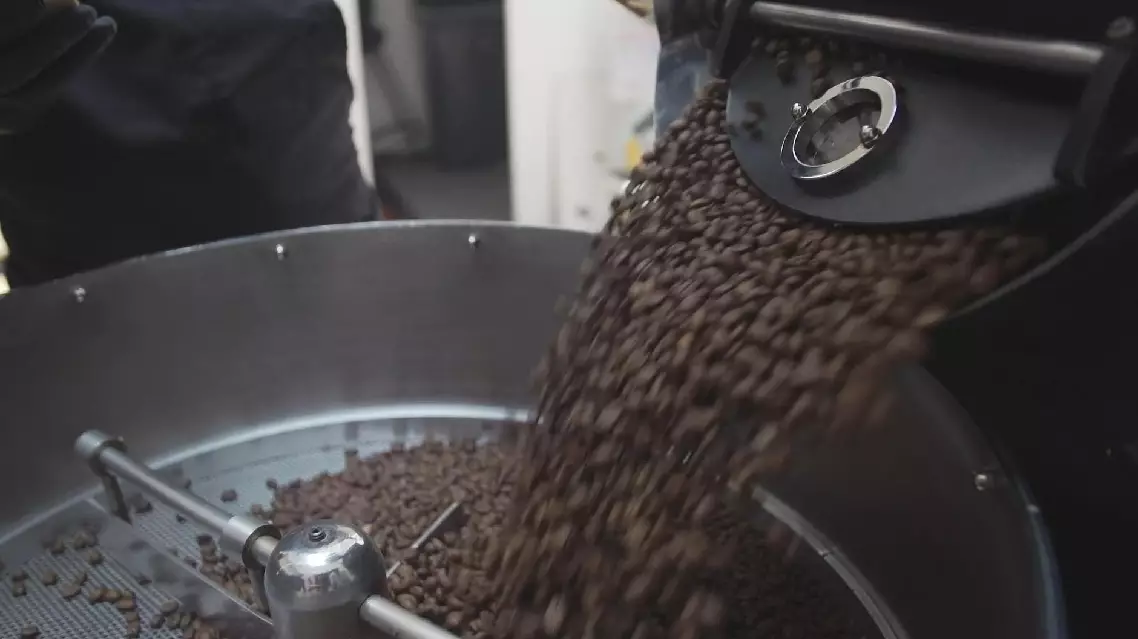
Colombian coffee roasters seek to expand recognition in Chinese market
Colombian coffee roasters seek to expand recognition in Chinese market
Colombian coffee roasters seek to expand recognition in Chinese market