Two years after the 2024 earthquake that struck the Noto Peninsula in central Japan, many parts of the most heavily hit coastal city of Wajima in Ishikawa Prefecture still await full reconstruction despite major progress in clearing rubble.
A series of earthquakes of up to 7.6 magnitude struck the central Japanese prefecture of Ishikawa and its vicinity on January 1, 2024. The earthquake also triggered a severe fire at the renowned Wajima Asaichi morning market, a century-old shopping district, destroying over 200 buildings.
According to local government officials, the number of buildings dismantled using public funds has exceeded 16,000 in Wajima, with an overall demolition completion rate of approximately 92 percent. The vast majority of house rubble has now been cleared.
While emergency repairs to roads, water pipes, and other infrastructure have been largely completed, a full restoration will still take considerable time due to labor shortages, according to officials.
"Even when repairing roads, it is often necessary to first stabilize slopes and river channels, which presents another challenge. Additionally, issues such as restoring water supply pipes and sewer lines to their original conditions must be addressed. For these reasons, it will likely take several years, or even a decade, before roads can be fully restored to a smooth and functional state. Due to the combined pressures of rising costs and labor shortages, finding construction workers for either building new structures or repairing existing facilities has become extremely difficult, making such projects unfeasible," said Iponmatsu Yasuaki, officer of the rehabilitation promotion department of Wajima City.
Over 18,000 people in affected areas are still living in temporary housing two years after a massive earthquake, according to reports.
Due to difficulties in rebuilding the houses, local governments in the areas have decided to extend the occupancy period for temporary emergency housing by one year. The initial residency period was set to expire at the end of 2025.
The Ishikawa prefectural government said that, drawing on experiences following the Tohoku earthquake in 2011 and the Kumamoto earthquake in 2016, it is possible that affected residents may need to live in temporary emergency housing for a long period.
"For example, during the Tohoku earthquake, some people lived in temporary housing for as long as 10 years. During the Kumamoto earthquake, some people stayed for 7 years. Compared to those earthquakes, the number of people currently living in temporary housing due to the Noto earthquake exceeds even that of Kumamoto. I believe their occupancy periods may continue to extend in the future," said Nakatsuka Kenya, head of the publicity department of the Ishikawa prefectural government.
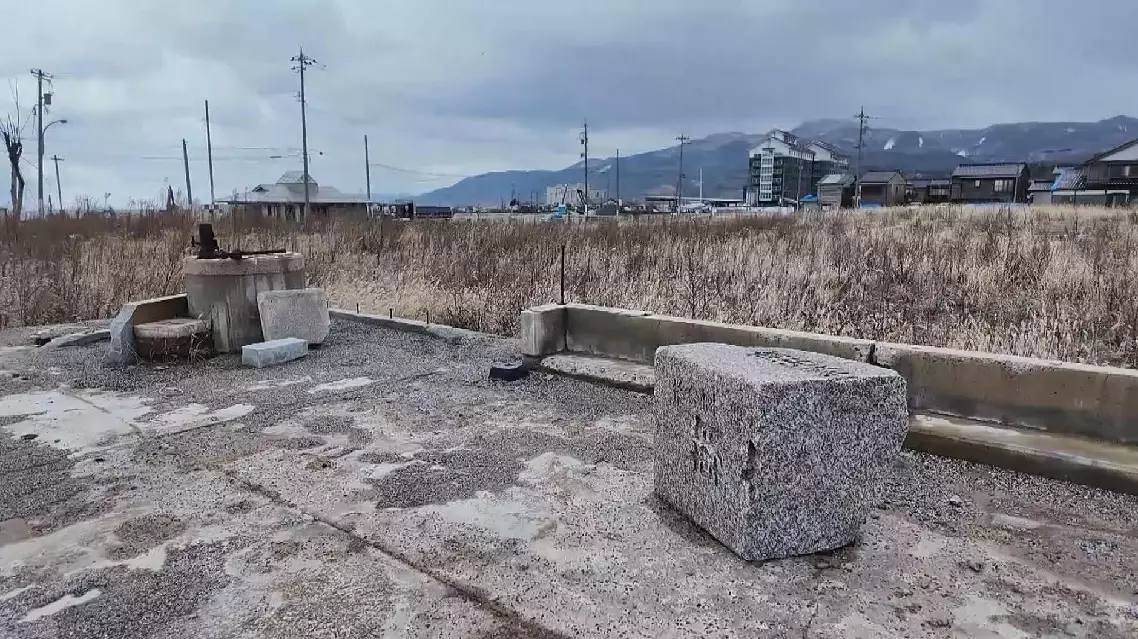
Central Japan's Wajima continues slow path toward reconstruction 2 years after earthquake
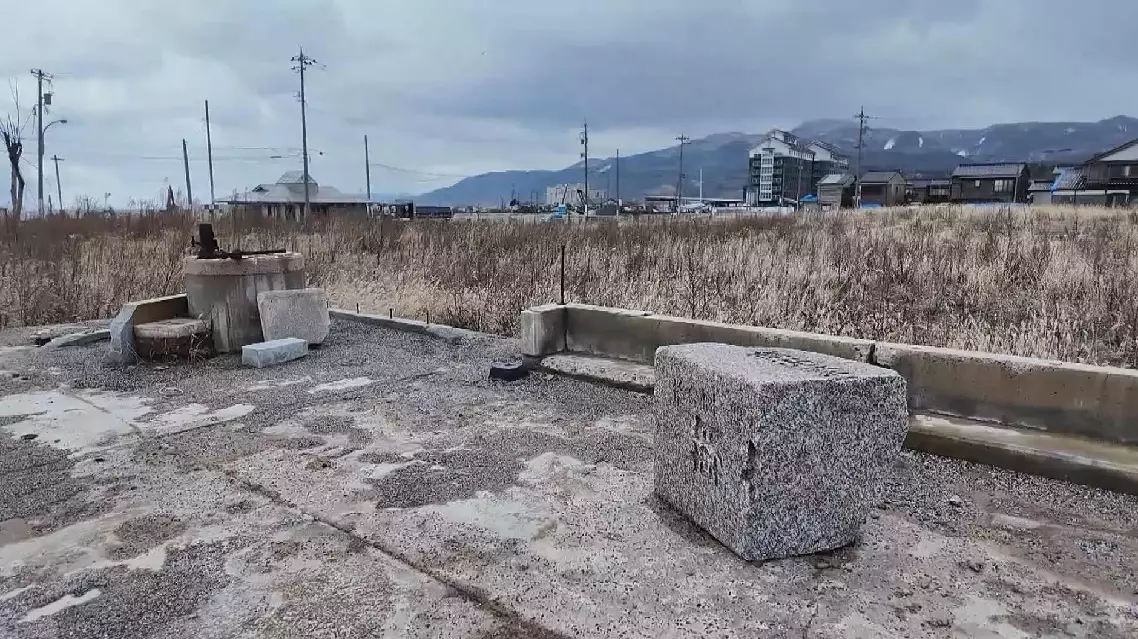
Central Japan's Wajima continues slow path toward reconstruction 2 years after earthquake