Skip to Content Facebook Feature Image

Nissan slashes 15% of its global work force as the Japan automaker sinks into losses

News

Nissan slashes 15% of its global work force as the Japan automaker sinks into losses
News

News

Nissan slashes 15% of its global work force as the Japan automaker sinks into losses

2025-05-13 17:39 Last Updated At:17:41

TOKYO (AP) — Nissan is slashing about 15% of its global work force, or about 20,000 employees, as the Japanese automaker reported a loss Tuesday for the fiscal year that just ended amid slipping vehicle sales in China and other nations, and towering restructuring costs.

Nissan Motor Corp. said it will reduce the number of its auto plants to 10 from 17, under what it called its recovery plan to carry out “decisive and bold actions to enhance performance and create a leaner, more resilient business that adapts quickly to market changes.” It did not say which plants were being closed but confirmed the closures will include factories in Japan.

More Images
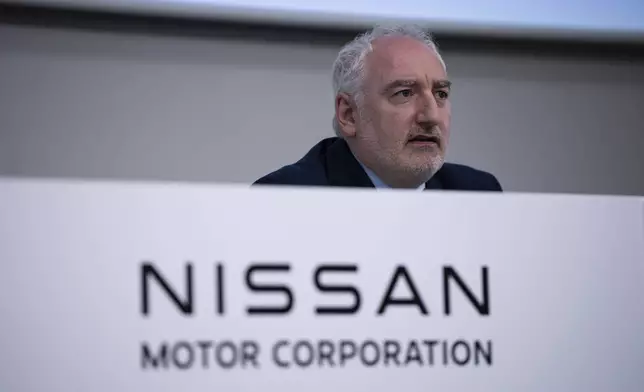
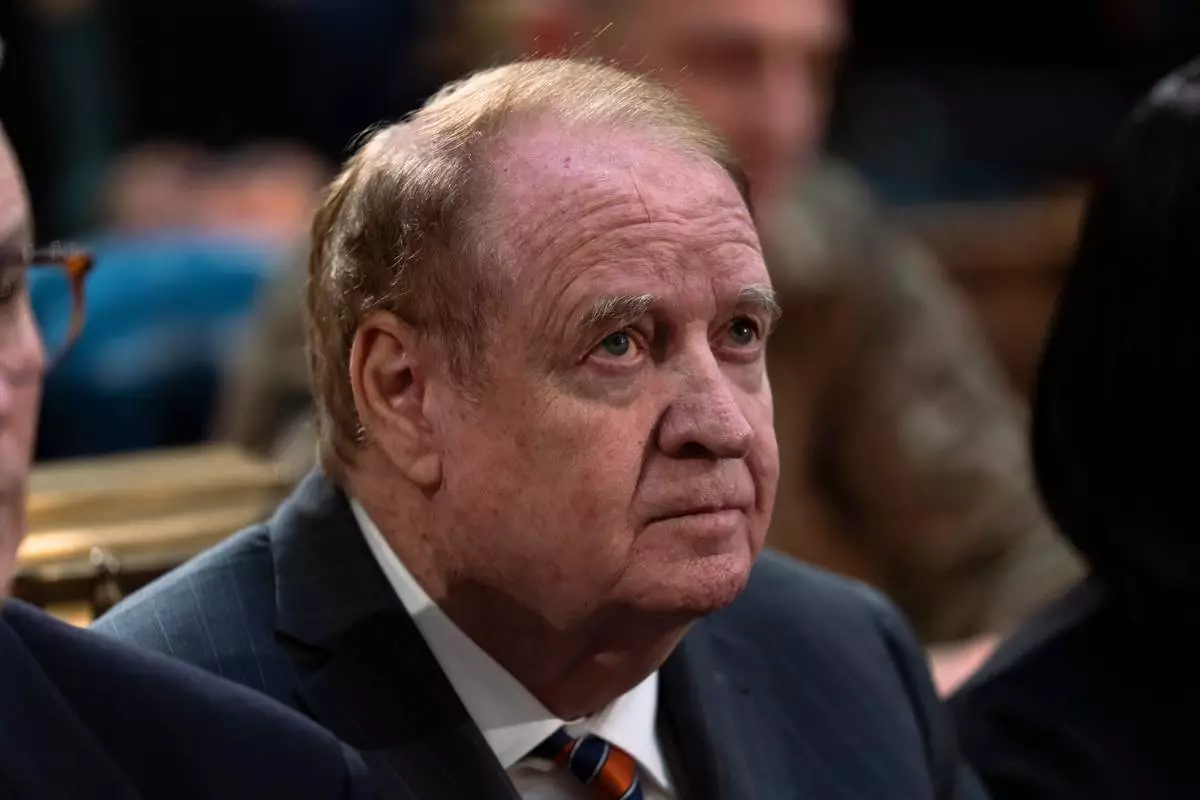
Nissan CFO Jeremie Papin attends a press conference to announce 2024 fiscal year financial results in Yokohama, Tuesday, May 13, 2025. (AP Photo/Louise Delmotte)

Nissan CFO Jeremie Papin attends a press conference to announce 2024 fiscal year financial results in Yokohama, Tuesday, May 13, 2025. (AP Photo/Louise Delmotte)

Visitors walk through a showroom at Nissan headquarters in Yokohama, Tuesday, May 13, 2025. (AP Photo/Louise Delmotte)
Visitors walk through a showroom at Nissan headquarters in Yokohama, Tuesday, May 13, 2025. (AP Photo/Louise Delmotte)

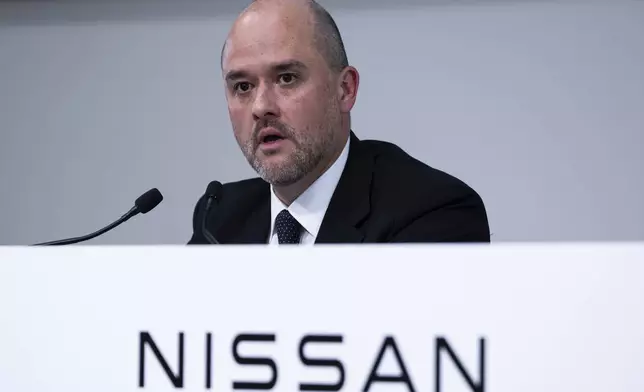
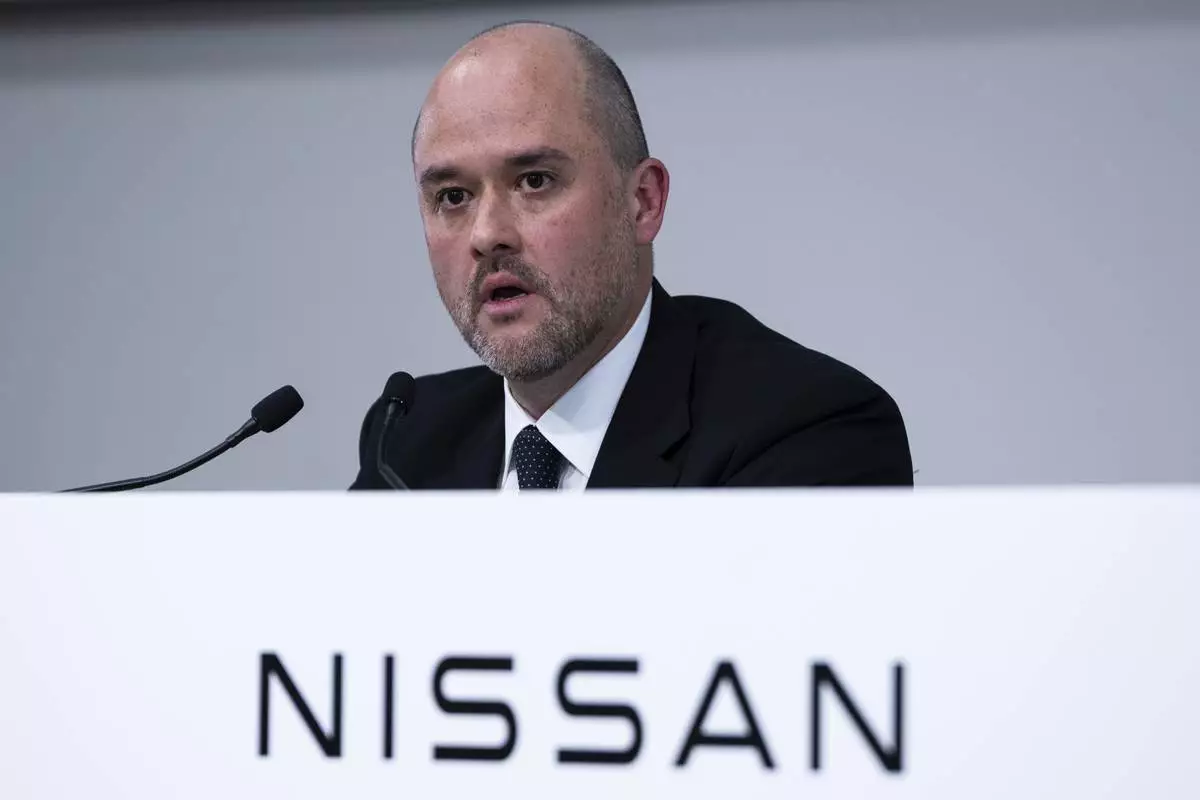
Nissan CEO Ivan Espinosa attends a press conference to announce 2024 fiscal year financial results in Yokohama, Tuesday, May 13, 2025. (AP Photo/Louise Delmotte)
Nissan CEO Ivan Espinosa attends a press conference to announce 2024 fiscal year financial results in Yokohama, Tuesday, May 13, 2025. (AP Photo/Louise Delmotte)

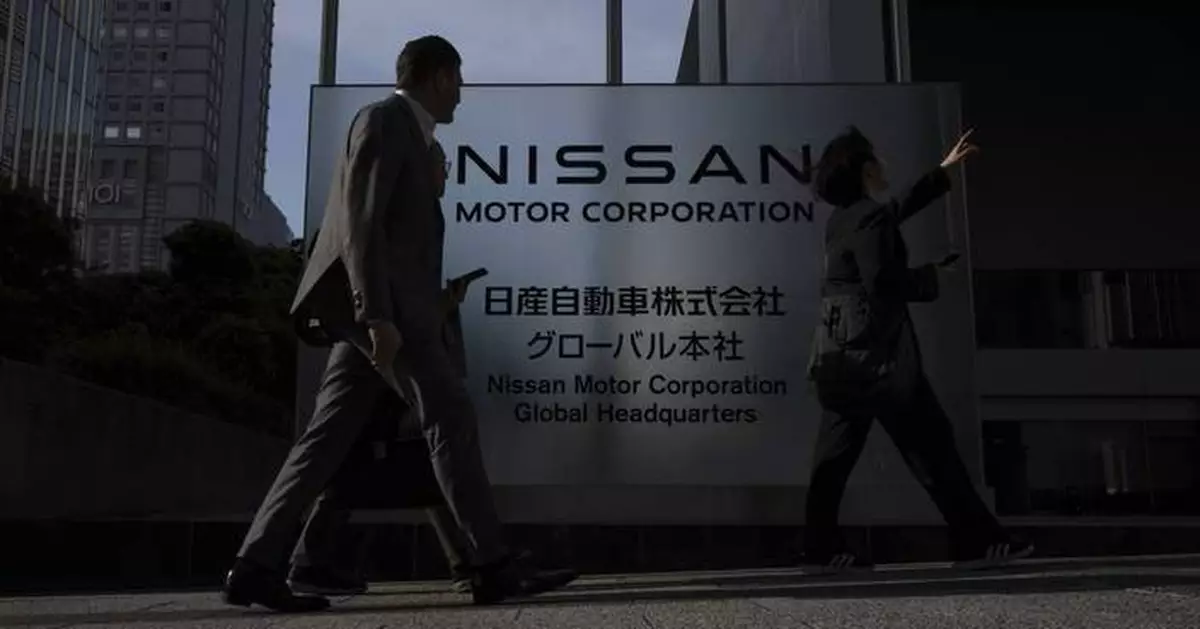
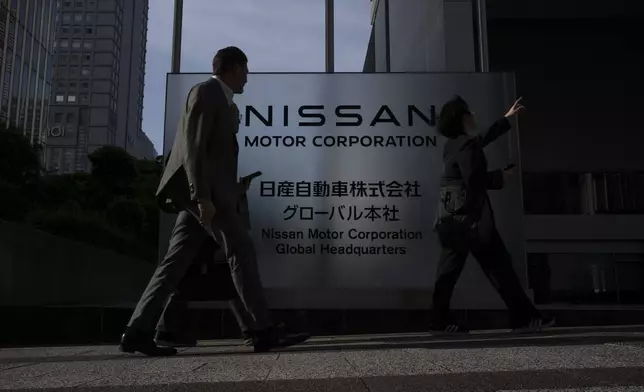
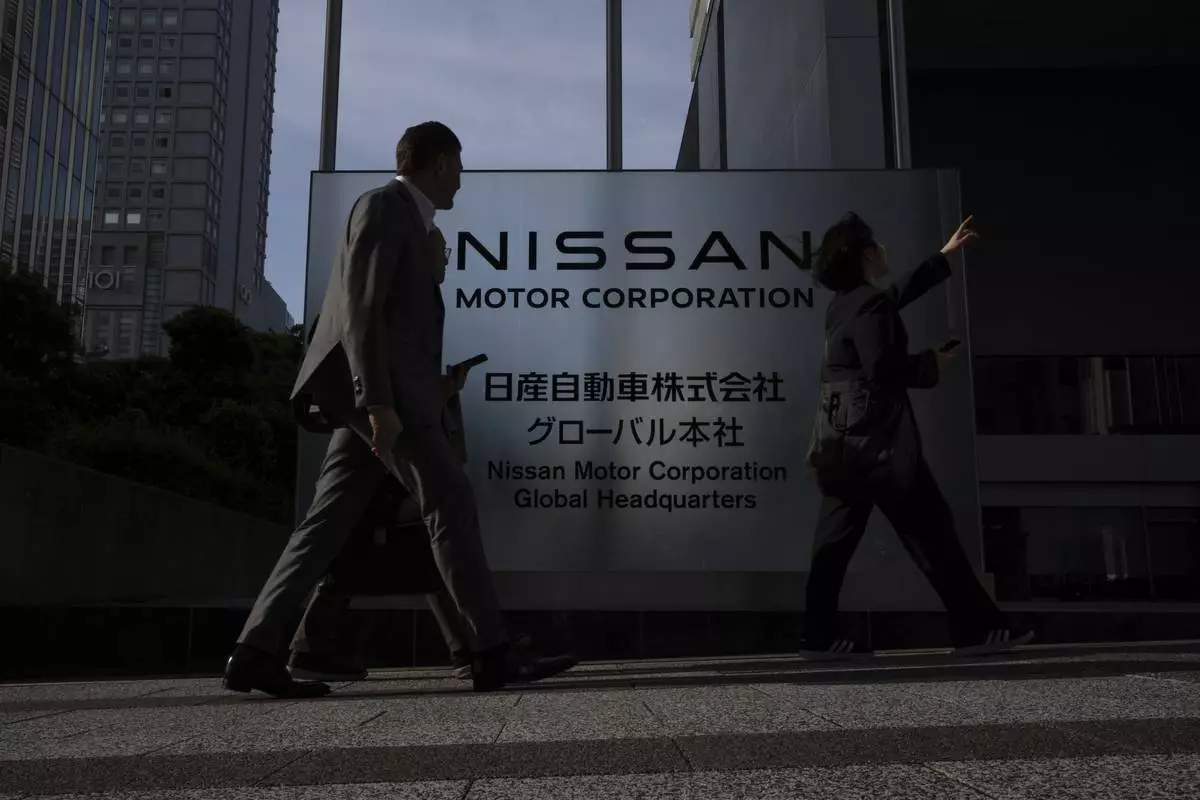
Visitors walk past Nissan signage at Nissan headquarters in Yokohama, Tuesday, May 13, 2025. (AP Photo/Louise Delmotte)

Visitors walk past Nissan signage at Nissan headquarters in Yokohama, Tuesday, May 13, 2025. (AP Photo/Louise Delmotte)

“We have a mountain to climb,” its Chief Executive Ivan Espinosa told reporters, stressing the task will not be easy, requiring discipline and team work. “Starting today, we build the future for Nissan.”

The job cuts to be done by March 2028 include the 9,000 head count reduction announced last year. Nissan also previously announced the scrapping of plans to build a battery plant in Japan.

Espinosa, who took the helm earlier this year, said the latest plans followed a careful review of operations, to align production with demand, including coming up with market and product strategies. Nissan will also leverage its partnerships such as the one with Renault SA of France in Europe and Dongfeng Nissan in China, he said.

The Yokohama-based automaker said U.S. President Donald Trump’s tariffs on auto imports also hurt its results.

Nissan racked up a loss of 670.9 billion yen ($4.5 billion) for the fiscal year through March, down from a 426.6 billion yen profit recorded the previous fiscal year.

For the latest quarter through March, Nissan recorded red ink totaling 676 billion yen ($4.6 billion). It also said its recovery plan includes trying to reduce costs by 500 billion yen ($3.4 billion) compared to current costs.

“As new management, we are taking a prudent approach to reassess our targets and actively seek every possible opportunity to implement and ensure a robust recovery,” Espinosa said.

"All employees are committed to working together as a team to implement this plan, with the goal of returning to profitability by fiscal year 2026,” he said.

But Nissan Chief Financial Officer Jeremie Papin acknowledged the automaker faces serious challenges. Nissan did not give a profit projection for the fiscal year through March 2026, citing uncertainties.

Yuri Kageyama is on Threads:
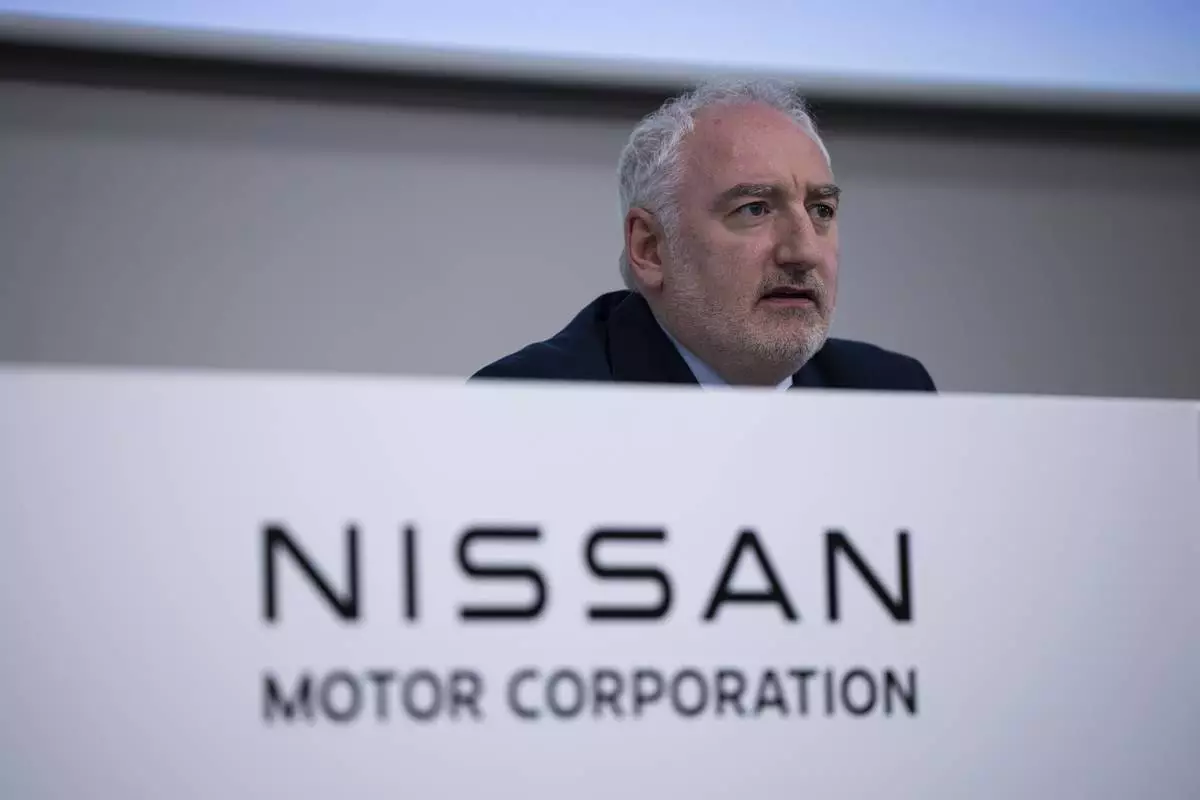
Nissan CFO Jeremie Papin attends a press conference to announce 2024 fiscal year financial results in Yokohama, Tuesday, May 13, 2025. (AP Photo/Louise Delmotte)

Nissan CFO Jeremie Papin attends a press conference to announce 2024 fiscal year financial results in Yokohama, Tuesday, May 13, 2025. (AP Photo/Louise Delmotte)

Visitors walk through a showroom at Nissan headquarters in Yokohama, Tuesday, May 13, 2025. (AP Photo/Louise Delmotte)
Visitors walk through a showroom at Nissan headquarters in Yokohama, Tuesday, May 13, 2025. (AP Photo/Louise Delmotte)

Nissan CEO Ivan Espinosa attends a press conference to announce 2024 fiscal year financial results in Yokohama, Tuesday, May 13, 2025. (AP Photo/Louise Delmotte)
Nissan CEO Ivan Espinosa attends a press conference to announce 2024 fiscal year financial results in Yokohama, Tuesday, May 13, 2025. (AP Photo/Louise Delmotte)

Visitors walk past Nissan signage at Nissan headquarters in Yokohama, Tuesday, May 13, 2025. (AP Photo/Louise Delmotte)

Visitors walk past Nissan signage at Nissan headquarters in Yokohama, Tuesday, May 13, 2025. (AP Photo/Louise Delmotte)

WASHINGTON (AP) — President Donald Trump is meeting with oil executives at the White House on Friday in hopes of securing $100 billion in investments to revive Venezuela’s ability to fully tap into its expansive reserves of petroleum — a plan that rides on their comfort in making commitments in a country plagued by instability, inflation and uncertainty.

Since the U.S. military raid to capture former Venezuelan leader Nicolás Maduro on Saturday, Trump has quickly pivoted to portraying the move as a newfound economic opportunity for the U.S., seizing tankers carrying Venezuelan oil, saying the U.S. is taking over the sales of 30 million to 50 million barrels of previously sanctioned Venezuelan oil and will be controlling sales worldwide indefinitely.

On Friday, U.S. forces seized their fifth tanker over the past month that has been linked to Venezuelan oil. The action reflected the determination of the U.S. to fully control the exporting, refining and production of Venezuelan petroleum, a sign of the Trump administration's plans for ongoing involvement in the sector as it seeks commitments from private companies.

It's all part of a broader push by Trump to keep gasoline prices low. At a time when many Americans are concerned about affordability, the incursion in Venezuela melds Trump’s assertive use of presidential powers with an optical spectacle meant to convince Americans that he can bring down energy prices.

The meeting, set for 2:30 p.m. EST, will be open to the news media, according to an update to the president's daily schedule. “At least 100 Billion Dollars will be invested by BIG OIL, all of whom I will be meeting with today at The White House,” Trump said Friday in a pre-dawn social media post.

Trump is set to meet with executives from 17 oil companies, according to the White House. Among the companies attending are Chevron, which still operates in Venezuela, and ExxonMobil and ConocoPhillips, which both had oil projects in the country that were lost as part of a 2007 nationalization of private businesses under Maduro’s predecessor, Hugo Chávez.

The president is meeting with a wide swath of domestic and international companies with interests ranging from construction to the commodity markets. Other companies slated to be at the meeting include Halliburton, Valero, Marathon, Shell, Singapore-based Trafigura, Italy-based Eni and Spain-based Repsol.

Large U.S. oil companies have so far largely refrained from affirming investments in Venezuela as contracts and guarantees need to be in place. Trump has suggested on social media that America would help to backstop any investments.

Venezuela’s oil production has slumped below one million barrels a day. Part of Trump's challenge to turn that around will be to convince oil companies that his administration has a stable relationship with Venezuela’s interim President Delcy Rodríguez, as well as protections for companies entering the market.

Secretary of State Marco Rubio, Energy Secretary Chris Wright and Interior Secretary Doug Burgum are slated to attend the oil executives meeting, according to the White House.

Meanwhile, the United States and Venezuelan governments said Friday they were exploring the possibility of r estoring diplomatic relations between the two countries, and that a delegation from the Trump administration arrived to the South American nation on Friday.

The small team of U.S. diplomats and diplomatic security officials traveled to Venezuela to make a preliminary assessment about the potential re-opening of the U.S. Embassy in Caracas, the State Department said in a statement.

Trump also announced on Friday he’d meet with President Gustavo Petro in early February, but called on the Colombian leader to make quick progress on stemming flow of cocaine into the U.S.

Trump, following the ouster of Maduro, had made vague threats to take similar action against Petro. Trump abruptly changed his tone Wednesday about his Colombian counterpart after a friendly phone call in which he invited Petro to visit the White House.

President Donald Trump waves as he walks off stage after speaking to House Republican lawmakers during their annual policy retreat, Tuesday, Jan. 6, 2026, in Washington. (AP Photo/Evan Vucci)

President Donald Trump waves as he walks off stage after speaking to House Republican lawmakers during their annual policy retreat, Tuesday, Jan. 6, 2026, in Washington. (AP Photo/Evan Vucci)

Recommended Articles