Iranian Foreign Minister Seyed Abbas Araghchi on Thursday rejected a report by the U.S.-based news website Axios that the U.S. administration had given Tehran a proposal for a nuclear deal during the fourth round of indirect negotiations, according to the semi-official Tasnim news agency.
He made the remarks on the sidelines of his visit to the 36th Tehran International Book Fair in Tehran, Iran's capital, just hours after Axios reported that U.S. Special Envoy to the Middle East Steve Witkoff had presented a written proposal for a nuclear deal to the Iranian side during their fourth round of indirect negotiations in the Omani capital Muscat on Sunday.
Araghchi said they had so far received no written proposal or text (from the other side). However, it is possible that the Omani side would later convey something to them.
He noted that during the four rounds of negotiations, the Iranian delegation had "once or twice" submitted its positions in writing to the Omani side but had not received any documents in return.
Talking about the date and venue of the fifth round of negotiations, Araghchi said Oman would announce them.
Referring to military action against Iran, U.S. President Donald Trump said that "I think we're getting close to maybe doing a deal without having to do this."
Trump made the comments on Thursday in Qatar, the second leg of his Gulf tour.
"You probably read the story that Iran has sort of agreed to the terms," the U.S.president said.
The Iranian and U.S. delegations held the first and third rounds of their indirect talks on Tehran's nuclear program and the lifting of U.S. sanctions in Muscat on April 12 and 26, while the second round took place in Rome on April 19.
In the same context, Araghchi stressed that none of the country's uranium enrichment facilities would be dismantled, according to the semi-official Fars news agency.
"We may be building trust and offering transparency regarding the nuclear issue, but we will not forgo our (uranium) enrichment. None of our enrichment facilities will be dismantled, and this is our principled position," Araghchi said.
He stressed that in addition to upholding its nuclear rights, Iran sought sanctions relief through indirect negotiations with the United States.
Araghchi underscored that defending the Iranian people's nuclear rights, including uranium enrichment, was among the country's principles and fundamental positions in the negotiations.
Iranian President Masoud Pezeshkian has strongly condemned recent anti-Tehran remarks by Trump, calling them evidence of Trump's failure to understand the true character of the Iranian people.
Pezeshkian made the condemnation during a meeting with Iranian elites and cultural figures in the western province of Kermanshah on Wednesday evening, following Trump's comments in Riyadh the day before, said a statement posted on his office's website.
On Tuesday, Trump denounced Iran as "the most destructive force" in the Middle East and accused it of fueling regional instability, vowing that the United States would never allow it to acquire a nuclear weapon.
In response, Pezeshkian said the remarks revealed Trump's failure to grasp the Iranian people's "truth, honor, magnanimity and selflessness."
He added that while Trump portrayed Iran as a source of regional insecurity, thousands of women and children had been killed in Israeli bombardments of Gaza, where residents have also been deprived of water and medicine.
Pezeshkian said for the past 47 years, the United States and its allies have strained every nerve and sinew to bring Iran's government and people to their knees, but they have failed, and will not succeed.
Expressing confidence in Iran's resilience, he said the country would continue to advance by relying on its scientists, intellectuals and entrepreneurs. He added that while Iran does not seek war, it will never trade its honor and glory for the sake of peace.
Meanwhile, Iran's Foreign Ministry issued a statement late on Wednesday, condemning Trump's comments as "false, divisive and deliberately misleading." It accused Trump of attempting to deflect international attention from Israel's actions in the region.
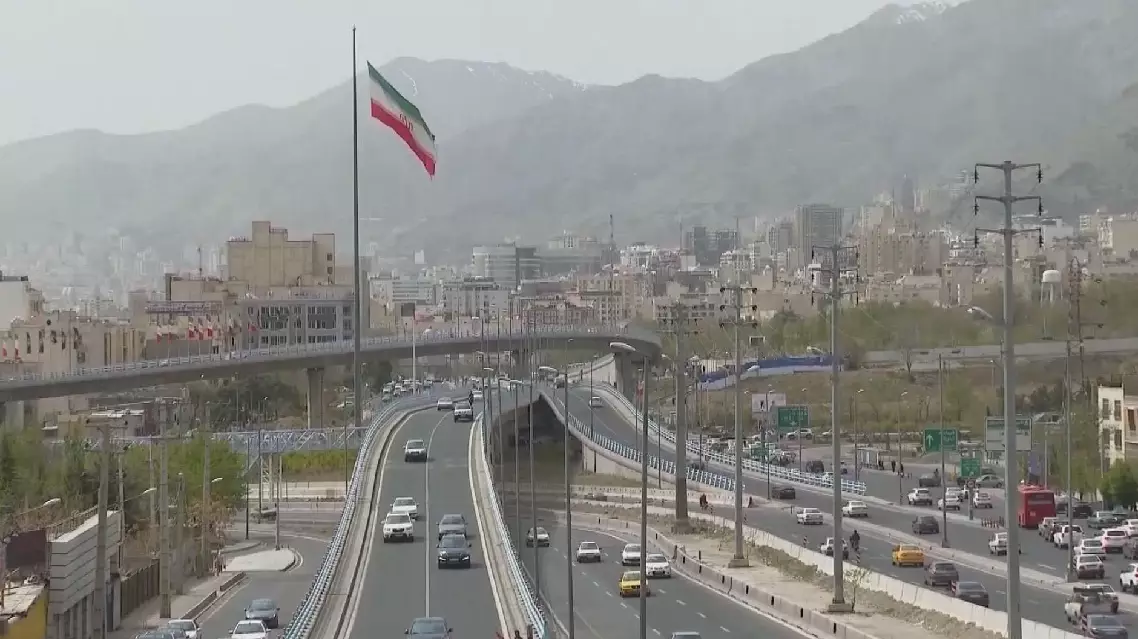
Iran says no written proposal received from US in indirect nuclear talks
Iran says no written proposal received from US in indirect nuclear talks