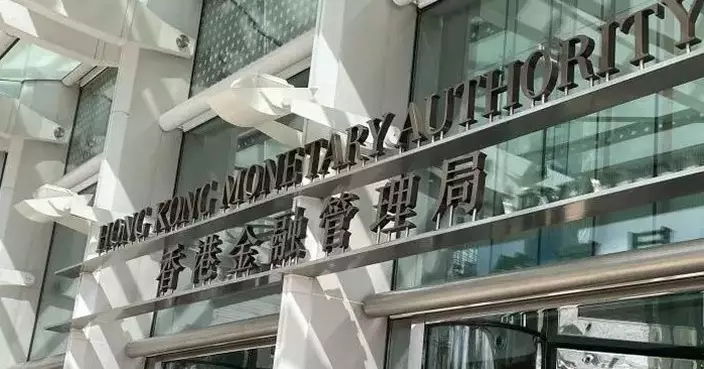
Fraudulent website and internet banking login screen related to The Bank of East Asia, Limited
The following is issued on behalf of the Hong Kong Monetary Authority:
The Hong Kong Monetary Authority (HKMA) wishes to alert members of the public to a press release issued by The Bank of East Asia, Limited relating to a fraudulent website and an internet banking login screen, which have been reported to the HKMA. A hyperlink to the press release is available on theHKMA website.
The HKMA wishes to remind the public that banks will not send SMS or emails with embedded hyperlinks which direct them to the banks' websites to carry out transactions. They will not ask customers for sensitive personal information, such as login passwords or one-time password, by phone, email or SMS (including via embedded hyperlinks).
Anyone who has provided his or her personal information, or who has conducted any financial transactions, through or in response to the website or login screen concerned, should contact the bank using the contact information provided in the press release, and report the matter to the Police by contacting the Crime Wing Information Centre of the Hong Kong Police Force at 2860 5012.
CHP investigates two suspected food poisoning clusters with epidemiological linkage
The Centre for Health Protection (CHP) of the Department of Health (DH) is today (January 9) investigating two epidemiologically linked suspected food poisoning clusters affecting 39 students from two primary schools. The students developed symptoms after consuming lunch provided by the Sailing Boat Luncheon Production Limited. The CHP reminded the public to maintain good personal, food and environmental hygiene to prevent foodborne diseases.
The first cluster involves 12 boys and 16 girls aged between 6 and 11. They attend a primary school in Sham Shui Po. The investigation revealed that the affected students developed abdominal pain and diarrhoea approximately three to 31 hours after eating school lunch containing fish, chicken cutlets, sauce, garnish and rice, which was provided by the abovementioned school lunch supplier on January 6.
While investigating the first cluster, the CHP of the DH traced the supply chain of the school lunch supplier and identified another cluster, involving eight boys and three girls, aged between 10 and 12, who attend a primary school in Diamond Hill. The investigation revealed that the affected students developed abdominal pain and diarrhoea approximately five to 15 hours after eating lunch containing chicken, cervelat sausage, sauce and fusilli at school yesterday (January 8). The food concerned was also provided by the same school lunch supplier.
None of the affected students required hospitalisation and they are all currently in stable condition.
Officers of the CHP and the Food and Environmental Hygiene Department, including personnel of the Centre for Food Safety (CFS) and the Environmental Hygiene Branch, have inspected the food factory of the school lunch supplier concerned and the kitchen of the first school. They inspected the food storage, the food preparation process and environmental hygiene. Investigation revealed that some food items, such as meat and sauce, were prepared at the food factory, while the other food items, such as rice and garnish, were prepared at the school kitchen. It is suspected that some food items were prepared too early in advance. The CFS immediately instructed the premises concerned to suspend operations for thorough cleaning and disinfection, improve food preparation process and hygiene standards. The CFS has provided food safety and environmental hygiene education to the staff. Food and environmental samples were collected for testing.
The investigation of the CHP and CFS is ongoing.
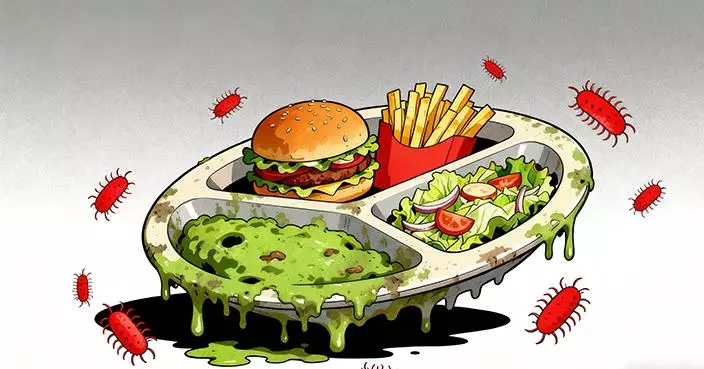
To prevent foodborne diseases, members of the public are reminded to maintain personal, food and environmental hygiene at all times. When dining out, one should:
 Avoid eating raw seafood;
Be a discerning consumer in choosing cold dishes, including sashimi, sushi and raw oysters at a buffet;
Choose pasteurised eggs, egg products or dried egg powder for dishes that often use undercooked eggs;
Patronise only reliable and licensed restaurants;
Ensure food is thoroughly cooked before eating during a hotpot or barbecue meal;
Handle raw and cooked foods carefully and separate them completely during the cooking process;
Use two sets of chopsticks and utensils to handle raw and cooked foods;
Avoid patronising illegal food hawkers;
Drink boiled water;
Susceptible populations, including those with weakened immunity, the elderly, pregnant women and young children are at a higher risk of foodborne diseases, so they should not consume raw or undercooked foods;
Refrain from trying to use salt, vinegar, wine or wasabi to kill bacteria as they are not effective; and
Always wash hands before eating and after going to the toilet.
Avoid eating raw seafood;
Be a discerning consumer in choosing cold dishes, including sashimi, sushi and raw oysters at a buffet;
Choose pasteurised eggs, egg products or dried egg powder for dishes that often use undercooked eggs;
Patronise only reliable and licensed restaurants;
Ensure food is thoroughly cooked before eating during a hotpot or barbecue meal;
Handle raw and cooked foods carefully and separate them completely during the cooking process;
Use two sets of chopsticks and utensils to handle raw and cooked foods;
Avoid patronising illegal food hawkers;
Drink boiled water;
Susceptible populations, including those with weakened immunity, the elderly, pregnant women and young children are at a higher risk of foodborne diseases, so they should not consume raw or undercooked foods;
Refrain from trying to use salt, vinegar, wine or wasabi to kill bacteria as they are not effective; and
Always wash hands before eating and after going to the toilet.
Source: AI-found images