Pop-up stores, temporary retail spaces that are open in hustle and bustle business districts for a limited period, typically a few days to weeks, have emerged as a popular sales strategy among retailers targeting young consumers and became a significant driver of increased consumption.
Compared with traditional brick-and-mortar stores or online sales channels, the pop-up store model can efficiently reach a wide range of potential buyers in multiple cities and scenarios at a lower cost.
For instance, at Gate M West Bund Dream Center in east China's Shanghai, a pop-up store, featuring a six-meter-tall Disney's Stitch figure plus exclusive limited-edition merchandise, made this cute fictional character a top hit this May along the Huangpu River. Despite the event lasting only over 40 days, it attracted thousands of people every day to take photos.
According to staff there, many of the blind boxes and dolls for sale are limited editions and were already sold out upon release.
"I feel that exclusive sales can really arouse people's desire to consume. If you miss it, it will be gone. And it is very cute and pretty. It can be posted on moments," said a consumer.
Limited-time offers, exclusive products, or special events associated with pop-up shops creates a sense of scarcity, generate buzz and create a fear of missing out among customers.
Pop-up shops also allow brands to create immersive experiences that go beyond traditional retail environments. By carefully curating the ambiance, decorations, and interactive elements, brands can captivate customers, add excitement and novelty to their shopping journey, and leave a lasting impression.
Since April, China's first-ever LEGO-themed garden has been unveiled at the Bund Finance Center in Shanghai for a limited period, converting the shopping mall into a temporary giant garden featuring thousands of stunning floral creations made from colorful LEGO bricks. By encouraging consumer participation through photo-taking, check-ins, and interactive experiences, the pop-up has successfully pushed the sales of new products to record highs.
"By introducing our new products in this way, our overall sales have been greatly boosted. Consumers' comments can also be fed back to our brand, providing more inspiration for our future product planning and event planning," said Liu Mingsheng, brand manager at LEGO China.
Through the model, brands can enhance their visibility, explore new markets, and trial new product launches. Simultaneously, shopping malls and commercial districts can effectively generate foot traffic in a short period.
"During the period of pop-up activities, the foot traffic is basically doubled compared to regular days. These activities also prolong customers' dwell time within the mall, encouraging spending on dining, leisure browsing, and other purchases, thereby enhancing overall consumption conversion rates," said Wu Yiping, director of Marketing Department at Shanghai Bund Financial Center.
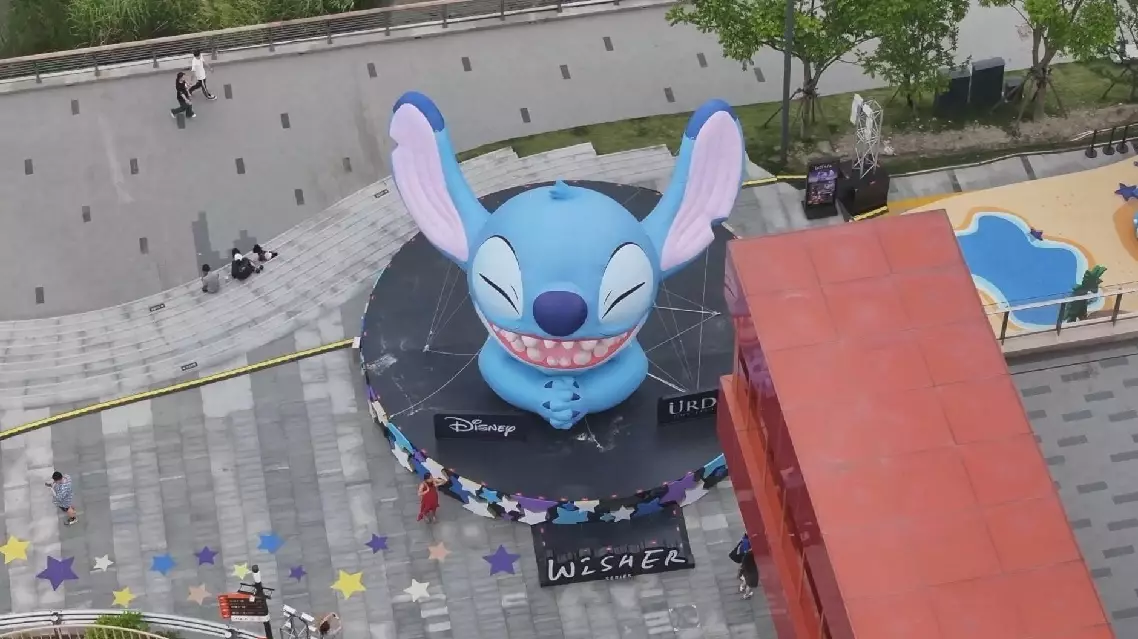
Pop-up stores fuel consumption in China