COLUMBIA, S.C. (AP) — After his best friend and four other fellow death row inmates have been put to death in less than a year, a South Carolina inmate wants to become his own attorney which would likely mean his own execution in weeks or months.
A federal judge has ordered a 45-day delay in James Robertson's request to have a different lawyer talk to him and make sure he really wants to fire his own attorneys and deal with the likely lethal consequences of his decision.
Robertson, 51, has been on death row since 1999 after killing both his parents in their Rock Hill home. He beat his father with the claw end of a hammer and a baseball bat and stabbed his mother. He tried to make it look like a robbery in hopes he would get his part of their $2.2 million estate, prosecutors said.
Robertson has fired his lawyers before. Not long after he arrived on death row he wanted to drop his appeals after a card-playing buddy never appealed his death sentence for setting a van on fire with his daughter inside outside his ex-wife's house.
A one-page letter from Robertson landed in a federal judge's mailbox on April 7, four days before South Carolina executed its fifth inmate in seven months. It said Robertson and his lawyer had a difference of opinion.
Since “no ethical attorney will withdraw an appeal that will result in their client's execution,” Robertson said he was ready to represent himself.
Robertson's attorney Emily Paavola responded in court documents that Robertson wasn't taking medication for depression, suffered from chronic back pain and a skin condition that made him more depressed and was distressed over those five executions that dropped the close-knit death row population from 30 to 25.
Included was Robertson's best friend on death row, Marion Bowman Jr., killed by lethal injection on Jan. 31, Paavola said.
Paavloa asked the judge to hold off on Robertson's request for four months so he could have a full psychiatric evaluation to decide if he is mentally competent. Prosecutors suggested the judge could talk to Robertson on her own and decide if was able to act as his own lawyer.
Judge Mary Gordon Baker decided to have a different lawyer talk to Robertson, making sure he understands the implications and consequences of his decision and report back by early July.
Back in the early 2000s, Robertson also sought to drop all his appeals. He told a judge at the time he thought he got the better end of the deal with a death sentence instead of life in prison without parole and he had been let down by every lawyer he had encountered since his arrest.
A judge asked Robertson at a 2002 hearing about his friend Michael Passaro's decision to volunteer for the death chamber.
“It hasn't changed my view. What it did was it made me understand — enhanced reality a bit — to see my best friend go from one day playing cards with me to the next day not being here any more,” Robertson said. “He basically has taken a similar route that I'm choosing to take now and we spoke often about his decision.”
Volunteers, as they are called in death penalty circles, have been around since the death penalty was reinstated 50 years ago. About 10% of all U.S. executions are inmates who agree to die before finishing all their appeals, according to statistics from the Death Penalty Information Center.
Research by the center and academics found that nearly all volunteers had mental illness that may have led them to decide they no longer wanted to live.
The rate of volunteers has taken a steady decline along with the number of executions.
From 2000 to 2009, 65 of the 590 U.S. executions involved an inmate who dropped appeals, including Timothy McVeigh for killing 148 people in the Oklahoma City bombing. From 2020 to now, just seven of the 111 people put to death have been considered volunteers by the center.
The prosecutor who sent Robertson to death row said he can understand why inmates choose to stop fighting their sentences.
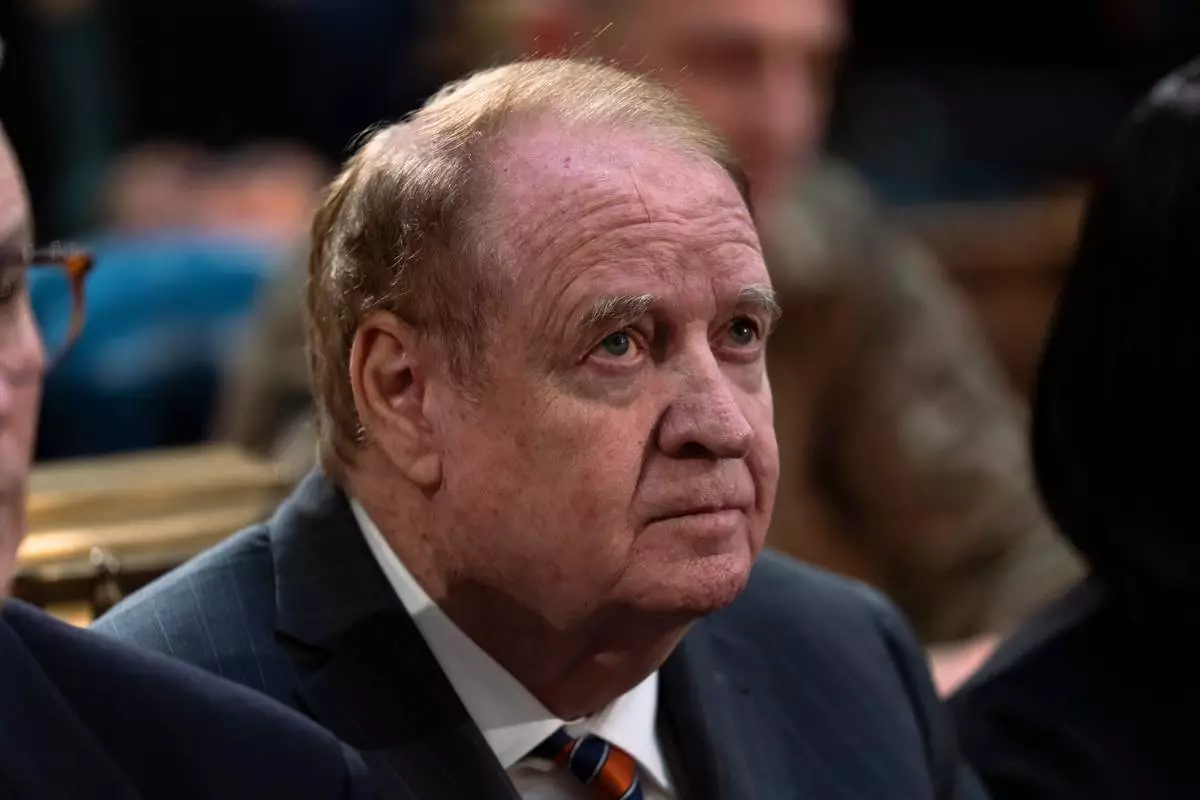
“If you told me — be incarcerated on death row the rest of your life or just go ahead and go to the Lord, you know, I might choose the latter too,” said Tommy Pope, now Speaker Pro Tem of the South Carolina House.
But Pope said 26 years ago, he also observed a young man with above average intelligence who likes to work the system when he can and often thinks he is smarter than his attorneys.
“As usual with Jimmy, it will remain to be seen how it plays out until the very end,” Pope said.
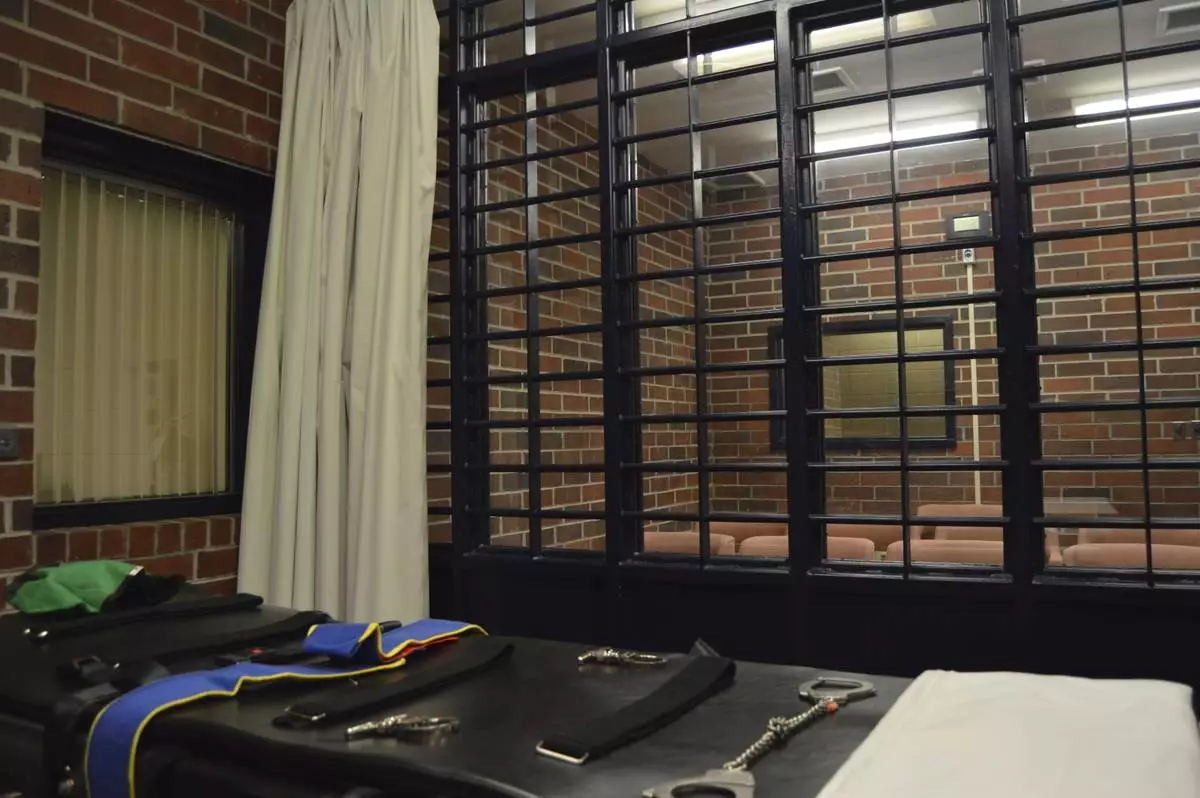
FILE - This undated photo released by the South Carolina Department of Corrections shows the room where inmates are executed in Columbus, S.C. (South Carolina Department of Corrections via AP, File)