Slovenia's Economy Ministry official highlighted that the country desires to deepen trade and investment ties with China while attending the ongoing 4th China-Central and Eastern European Countries (CEEC) Expo and International Consumer Goods Fair in east China's Ningbo.
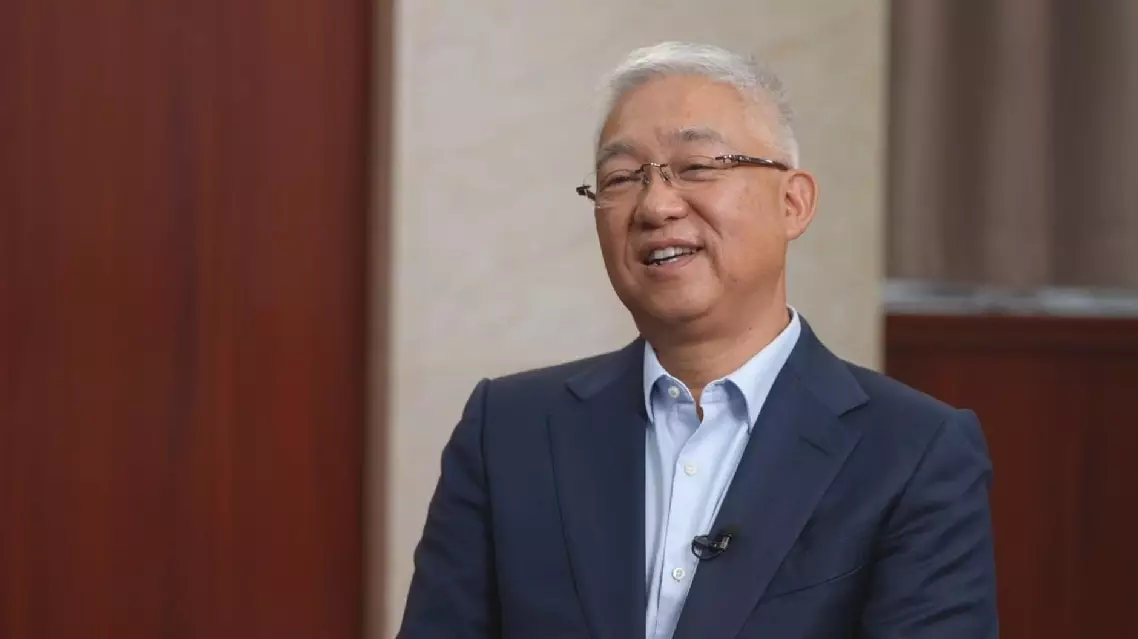
Matevz Frangez, State Secretary of the Ministry of the Economy, Tourism, and Sport of the Republic of Slovenia, said in an interview with China Global Television Network (CGTN) on the sidelines of the expo that Slovenia is positioned both geographically and economically as a prime partner for facilitating Chinese trade with Europe.
"I'm pretty much sure that the Slovenian economy, with its advantages, highly innovative, complex, automated, the digitalized and robotized economy, can prove itself with its products, also on the demanding Chinese market. Slovenia is a country in the heart of Europe. It is the best possible entrance to the European market because it provides the best and shortest gateway for shipping from China to Europe, from Europe to China. We would like to enhance and evolve ourselves into the next European hub for innovation of advanced and sustainable technologies," he said.
The minister also underscored the significance of China-CEEC cooperation in fostering economic ties.
"I think that the China-CEEC mechanism is already the best possible tool to see where are untapped potentials, how we can bring Slovenian small, medium enterprises to the China market, and it provides the tools and support in order to do so. Our strong biopharmaceutical industry that presents nearly a third of our exports, because we import a lot of medical substances from China. We saw a great growth of Chinese exports to Slovenia. In just five years, it multiplied by five," said Frangez.
In addition to medicine, Frangez shared Slovenia's aspirations to build partnerships with the rapidly growing Chinese EV market.
"We met with a lot of companies these days from the emerging Chinese automotive sector. We don't hide the ambition to localize a portion of Chinese EV production in Europe, in Slovenia. In that sense, we are in communication with several of the Chinese automakers, but also, we would like to bring Slovenian automotive industries, Slovenian suppliers, tested throughout the decades of collaborating with the European automotive industry, to China," he said.
Held in Ningbo, east China's Zhejiang Province, from Thursday to Sunday, the exhibits at the expo include over 8,000 products from Central and Eastern European countries and a variety of Chinese consumer goods for exports.
Under the theme "New Visions for the Future", the four-day event features business matchmaking sessions, investment promotion and cultural exchange activities alongside an 80,000-square-meter trade exhibition.
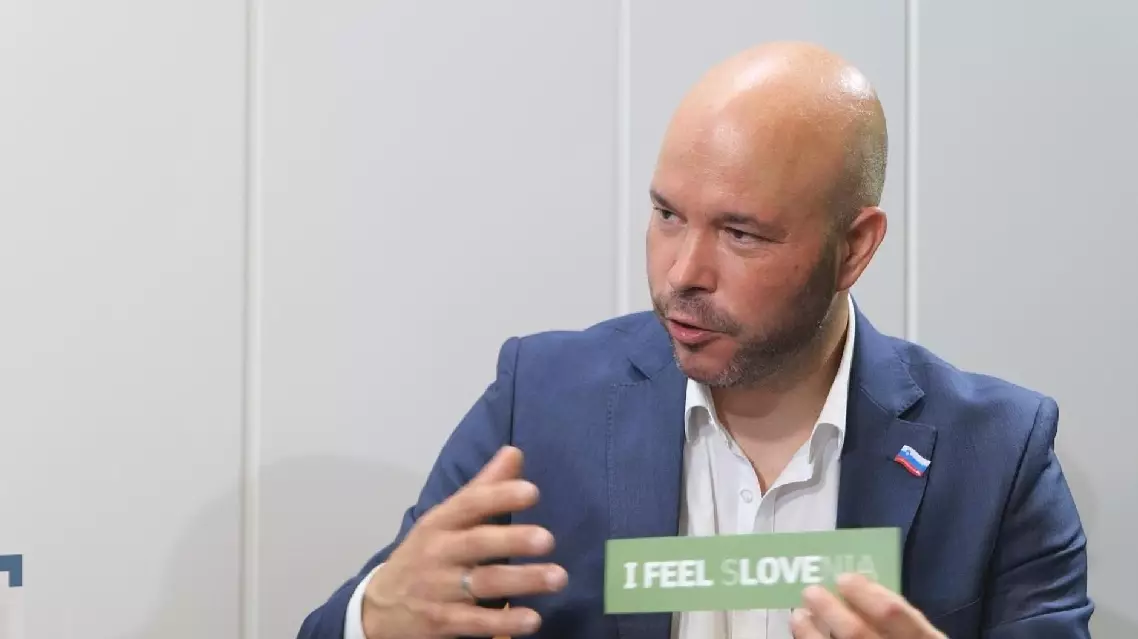
Trade ties with China could turn Slovenia into next European innovation hub: Slovenian official