Skip to Content Facebook Feature Image

Hong Kong Officials Explore AI Innovations in Shenzhen for Enhanced Government Services and Efficiency.

HK

Hong Kong Officials Explore AI Innovations in Shenzhen for Enhanced Government Services and Efficiency.
HK

HK

Hong Kong Officials Explore AI Innovations in Shenzhen for Enhanced Government Services and Efficiency.

2025-05-26 21:14 Last Updated At:21:28

SCS visits Shenzhen with LegCo Members

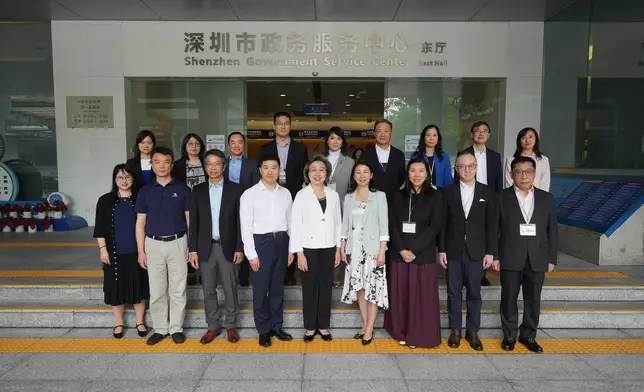
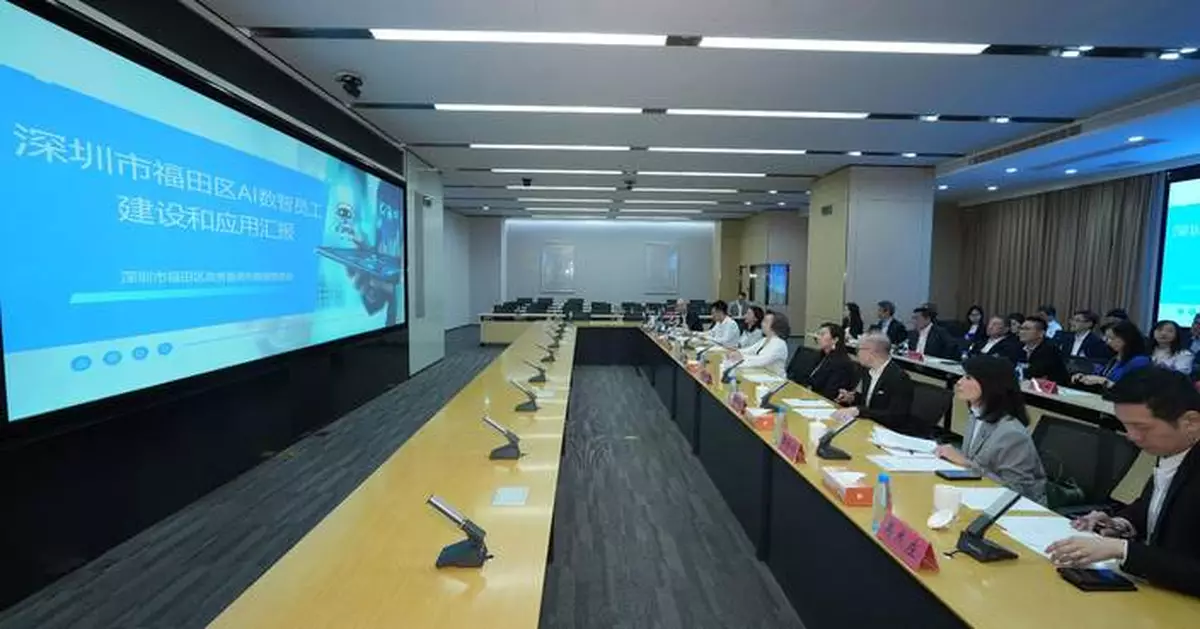
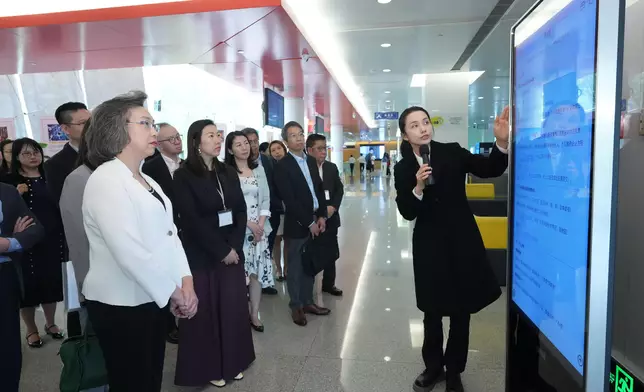
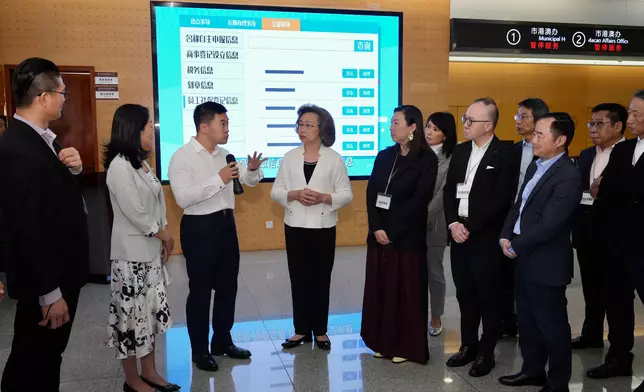
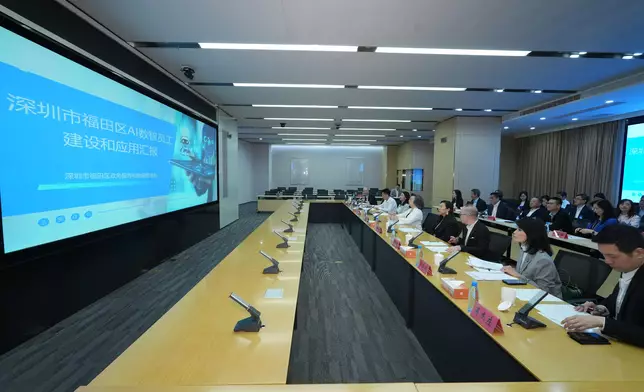
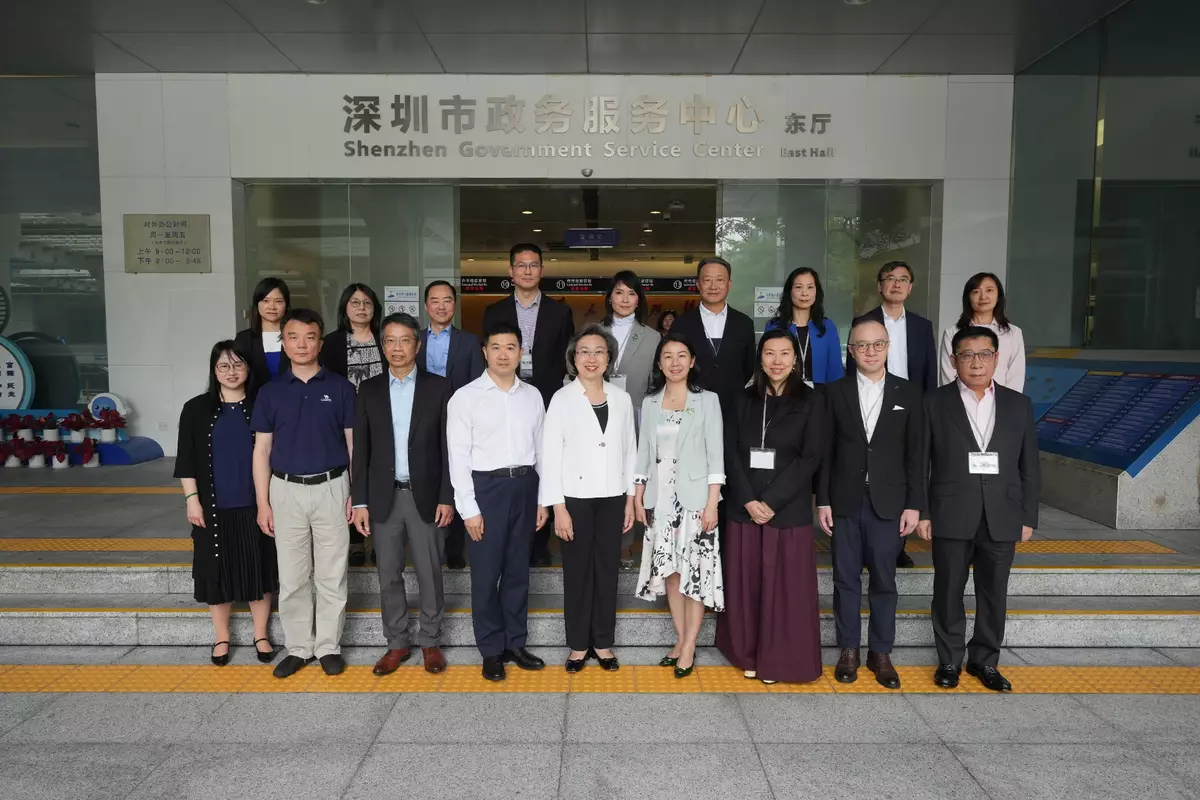
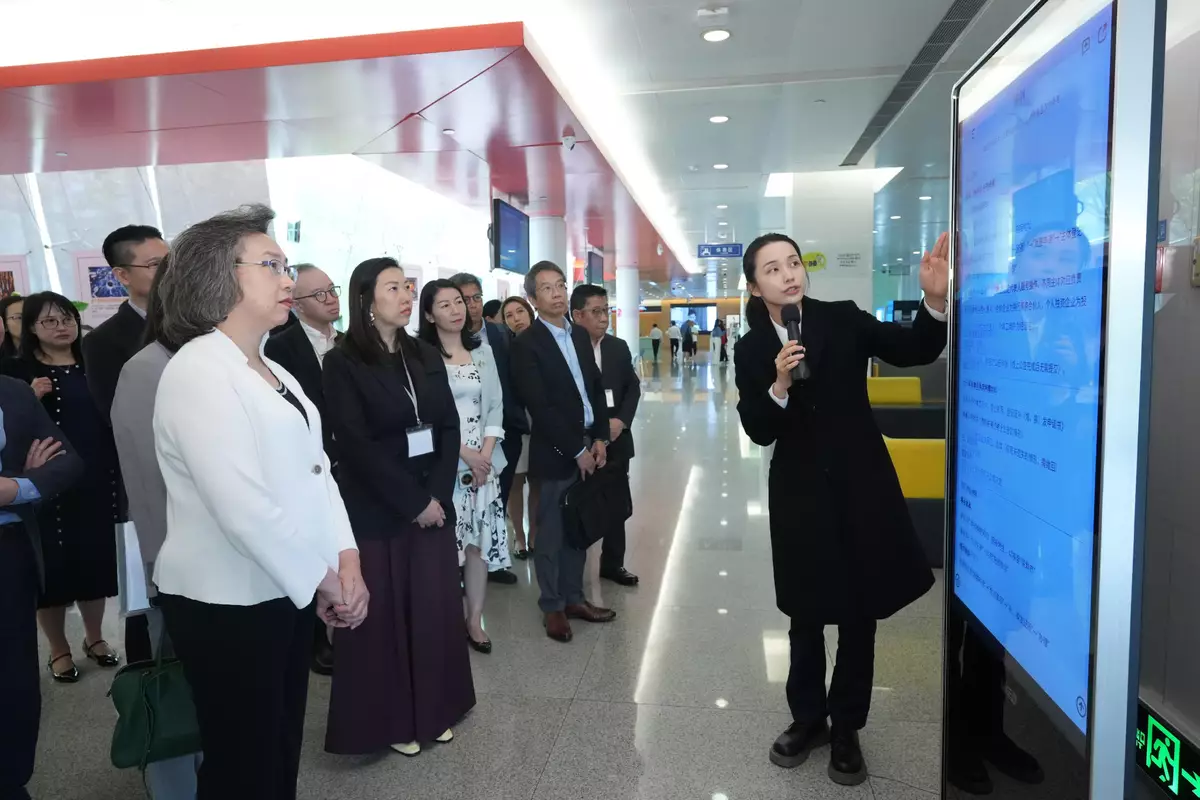
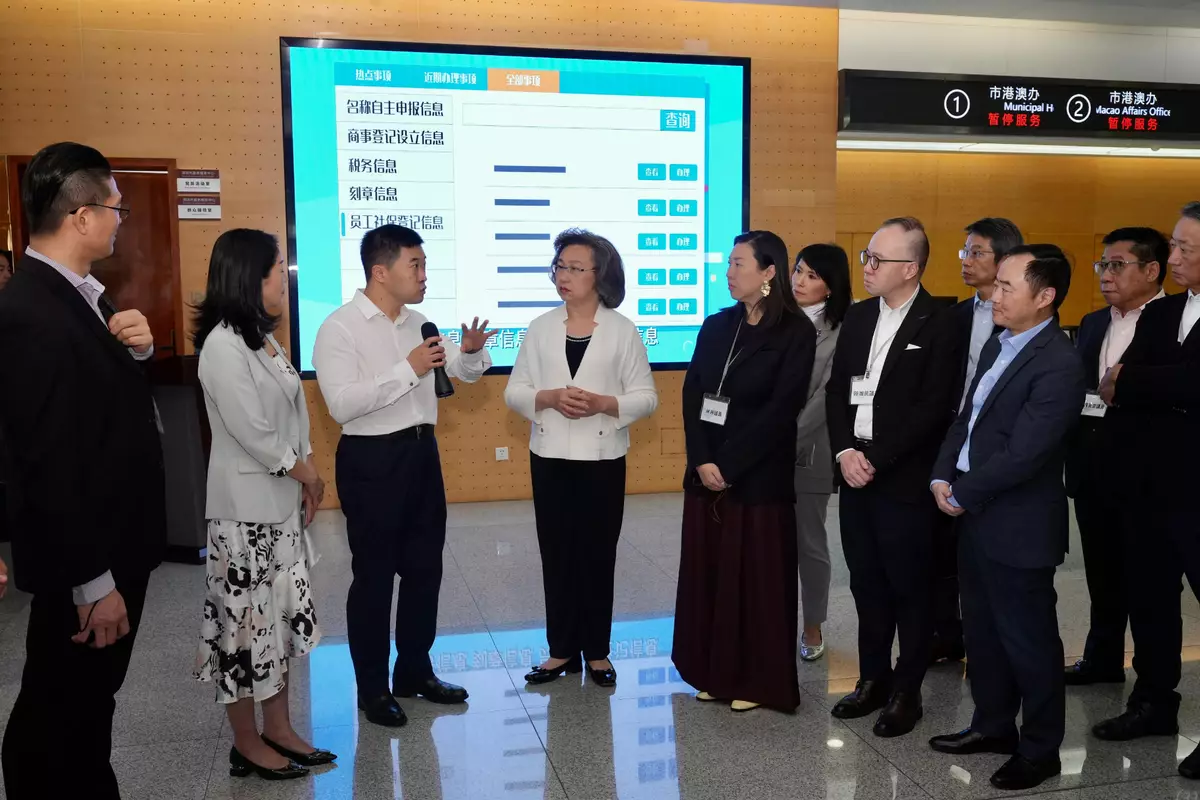
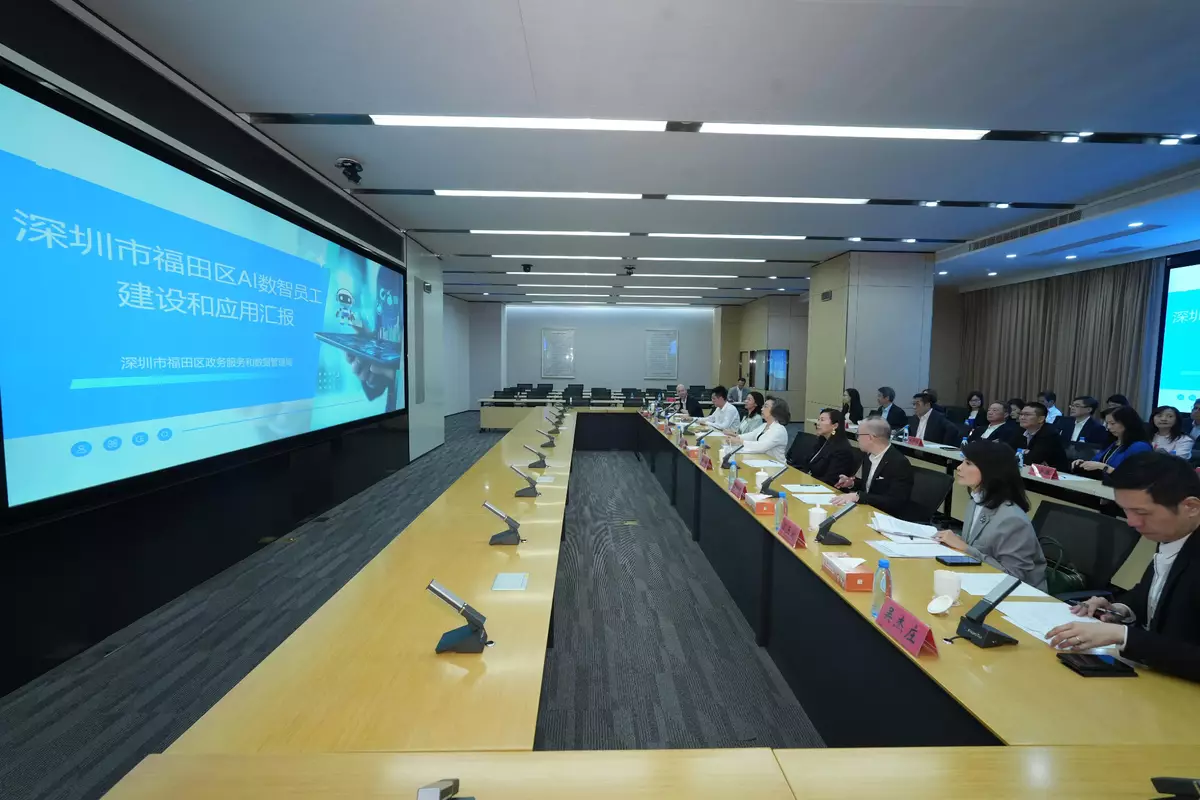
The Secretary for the Civil Service, Mrs Ingrid Yeung, led officials from the Civil Service Bureau (CSB) and the Digital Policy Office (DPO) on a duty visit to Shenzhen together with the delegation of the Legislative Council Panel on Public Service today (May 26). They went to learn about the use of AI by relevant local organisations there to assist in handling government administrative work. Government officials joining the visit included the Permanent Secretary for the Civil Service, Mr Clement Leung, and the Commissioner for Digital Policy, Mr Tony Wong.

More Images
SCS visits Shenzhen with LegCo Members  Source: HKSAR Government Press Releases
SCS visits Shenzhen with LegCo Members Source: HKSAR Government Press Releases
SCS visits Shenzhen with LegCo Members  Source: HKSAR Government Press Releases

SCS visits Shenzhen with LegCo Members Source: HKSAR Government Press Releases
SCS visits Shenzhen with LegCo Members  Source: HKSAR Government Press Releases

SCS visits Shenzhen with LegCo Members Source: HKSAR Government Press Releases

SCS visits Shenzhen with LegCo Members  Source: HKSAR Government Press Releases

SCS visits Shenzhen with LegCo Members Source: HKSAR Government Press Releases

They first visited the Government Services and Data Management Bureau of the Shenzhen Municipality in Futian District to learn about the introduction and application of "AI digital employees". They then visited the Shenzhen Government Service Center to learn about the hotline 12345 and its technological application. They also visited the Shenzhen Intermediate People's Court and an innovation and technology company to learn how the AI-Enhanced Adjudication Assisting System is used and how AI assists in enhancing legal services respectively.

The Hong Kong Special Administrative Region Government is committed to promoting the development of a smart city and digital government. With over 100 digital government initiatives being rolled out to promote digital government and the smart city, half of them involve the application of big data analytics and AI technologies. Mrs Yeung said that with the assistance of the DPO, the CSB endeavours to drive the adoption of management measures and digitalisation among bureaux and departments to reprioritise and reorganise their work, capitalise on technological solutions and streamline work processes, thereby not only enhancing work efficiency and providing convenience to the public but also optimising the use of civil service manpower resources.

The departments are actively promoting e-government services and AI, and many of them have successfully developed their own AI systems for data processing, statistics, traffic management and environmental detection, and more. They also use big data to analyse weather data, and the kiosks forself-service applications have been well received by the public.

Apart from the smart solutions developed by departments for their respective professional needs, in terms of common needs within the Government, HKPilot, a large language model version of a generative AI document processing copilot application self-developed by the Hong Kong Generative AI Research and Development Center (HKGAI) established under the InnoHK research clusters, is currently being piloted within the Government. It will help reduce the manpower required for handling general document processing tasks in the longer term. The HKGAI will also develop a number of applications for different areas of public affairs, such as the legal-related "LexiHK", to further integrate the application of generative AI into government affairs.
SCS visits Shenzhen with LegCo Members  Source: HKSAR Government Press Releases
SCS visits Shenzhen with LegCo Members Source: HKSAR Government Press Releases
SCS visits Shenzhen with LegCo Members  Source: HKSAR Government Press Releases

SCS visits Shenzhen with LegCo Members Source: HKSAR Government Press Releases
SCS visits Shenzhen with LegCo Members  Source: HKSAR Government Press Releases

SCS visits Shenzhen with LegCo Members Source: HKSAR Government Press Releases

SCS visits Shenzhen with LegCo Members  Source: HKSAR Government Press Releases
SCS visits Shenzhen with LegCo Members Source: HKSAR Government Press Releases

EDB announces Values Education Curriculum Framework (2026)

The Education Bureau (EDB) today (April 16) announced the Values Education Curriculum Framework (2026) (Curriculum Framework (2026)) prepared by the Standing Committee on Values Education (Standing Committee) under the Curriculum Development Council as a guiding document for schools to plan and implement the values education curriculum.

A spokesperson for the EDB said, "With Chinese culture as its backbone, the Curriculum Framework (2026) sets the overarching direction of "Taking root in Chinese Culture, Connecting with the World, Embracing the Future". It elaborates on major focuses of values education that schools should continuously strengthen, curriculum content, curriculum planning and implementation strategies, and sets out suggestions on expected learning outcomes for students at each key learning stage as well as providing relevant resources and support. It provides schools with a clearer and more forward-looking direction to further enhance values education, and supports schools in equipping students to face current and future opportunities and challenges."

The spokesman continued, "In response to the rapid development of society and technology, the Curriculum Framework (2026) recommends that schools continue to strengthen the learning of Chinese culture, national education, life education, sex education, health education (including anti-drug education, resistance to harmful substances and promotion of physical and psychological well-being), and the relevant content and learning elements of education for sustainable development, as well as fostering students' media and information literacy (covering Artificial Intelligence Literacy), international perspectives, and awareness of 'building a community with a shared future for mankind', with a view to nurturing students to become self-disciplined, committed and aspiring future pillars of society with an affection for Hong Kong, a sense of belonging to our country, as well as an international perspective."

Since the release of the Values Education Curriculum Framework (Pilot Version) in 2021 (Pilot Version), primary and secondary schools, taking into account their respective developmental progress, have made reference to the direction set out in the Pilot Version to review, plan, or refine their existing school-based values education curricula from different entry points. In light of the education policies and curriculum development of our country and Hong Kong, changes in social environment, technological advancement, and students' learning and developmental needs, the Standing Committee, with reference to the Pilot Version, has continuously collected views from relevant stakeholders through various channels including talks, workshops and focus group interviews. With reference to schools' practical experiences and in alignment with updates to various secondary and primary curricula, the Curriculum Framework (2026) was compiled for adoption by all secondary and primary schools in Hong Kong starting from the 2026/27 school year.

To support teachers in promoting values education within and beyond the classroom, the EDB not only organises a variety of teacher professional development courses such as talks, seminars, workshops, visits and study tours, interschool visits and exchanges, on-site support, film appreciation and learning communities, but also continuously develops diversified and down-to-earth learning and teaching resources. They include "Life Events" Exemplars, learning resource webpages, short videos, animations and promotional materials. These resources are progressively uploaded to the EDB's webpage for schools' reference and use. Furthermore, the EDB continues to organise a variety of promotional activities, including the Values Education Promotion Campaign with the theme "Building Our Dream". Schools are encouraged to respond by organising or participating in different forms of values education activities in the 2026/27 school year, with due regard to their own characteristics, annual themes for values education, as well as students' abilities, learning and developmental needs to deepen students' understanding of proper values and put them into practice.

The Values Education Curriculum Framework (2026) has been uploaded to the EDB's website for schools' and teachers' reference.

Source: AI-found images

Source: AI-found images

Recommended Articles