China is promoting reform, innovation and open development of national-level economic and technological development zones, official said on Tuesday in Beijing.
The Ministry of Commerce has released a work plan to deepen reform and innovation of national-level economic and technological development zones for high-quality development through high-standard opening-up.
Noting that building these development zones is an important measure for China to advance reform and opening up, the work plan stresses that these development zones should be pioneers in reform and opening up and further improve the institutions and mechanisms of high-standard opening up.
At a press conference, Ling Ji, vice minister of Commerce and deputy China international trade representative, briefed the media about the background of the work plan.
In 1984, drawing on the successful experience of special economic zones, China set up the first 14 national-level economic and technological development zones in coastal cities.
In 1992, former Chinese leader Deng Xiaoping visited south China and delivered an important speech that encouraged further expansion of opening up.
As a result, the national-level economic and technological development zones expanded from coastal cities to inland areas, growing from 14 to 54.
Since then, as reform and opening-up have deepened, the planning of such zones has become more comprehensive and refined, with significant improvements in openness, economic strength, and innovation vitality.
"By 2024, there were 232 national economic and technological development zones across all 31 provinces (regions and municipalities), generating a regional GDP of 16.9 trillion yuan (about 2.35 trillion U.S. dollars). These zones hosted 85,000 high-tech enterprises, accounting for 18.3 percent of the national total. They achieved foreign trade imports and exports of 10.7 trillion yuan (about 1.49 trillion U.S. dollars), representing 24.5 percent of the country's total. Additionally, the actual use of foreign capital reached 27.2 billion U.S. dollars , making up 23.4 percent of the national total. These zones made contributions to building a new open economic system, promoting coordinated regional development, and facilitating high-quality industrial growth," said Ling.
Currently, the international economic and trade order is experiencing significant disruptions, with rising protectionism and unilateralism. This has led to greater uncertainty and instability in the external environment for China's development, highlighting the role of national-level economic and technological development zones in stabilizing foreign trade and investment, said Ling.
The Central Committee of the Communist Party of China (CPC) and the State Council have outlined plans to promote reform, innovation, and open development in these zones.
"In October 2024, while marking the 40th anniversary of the first national-level economic and technological development zones, General Secretary Xi Jinping gave important instructions, calling on these zones to promote deep reforms and high-quality development through high-level openness. The Third Plenary Session of the 20th CPC Central Committee also outlined plans to reform the management system for development zones. The 2025 Government Work Report emphasized the need to improve policies for their open development. The Ministry of Commerce is committed to implementing General Secretary Xi's instructions and the decisions of the CPC Central Committee and the State Council. In collaboration with relevant departments and local authorities, and based on thorough research and communication, we formulated this work plan, which has been submitted for approval and issuance by the State Council," said Ling.

China promotes reform, innovation of national economic development zones
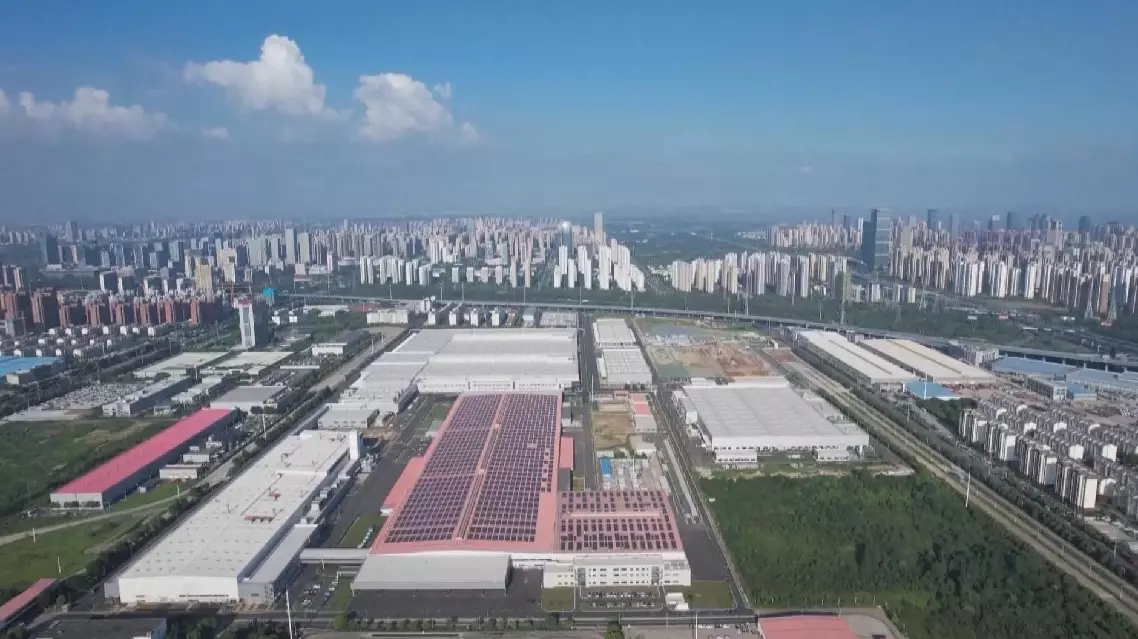
China promotes reform, innovation of national economic development zones