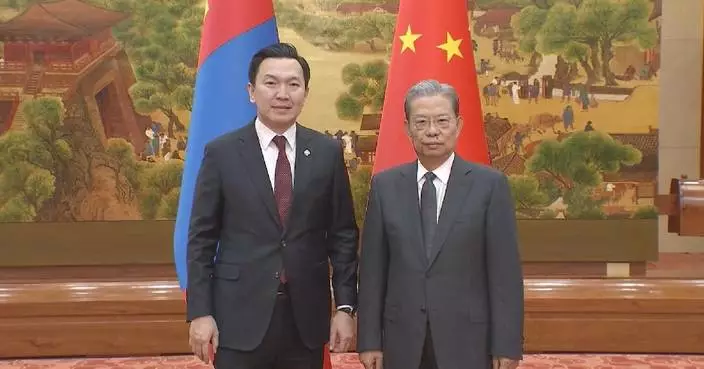
The Lancang-Mekong Cooperation (LMC) has grown from a seed to a towering tree, setting an example for the building of a community with a shared future for humanity, Chinese Foreign Minister Wang Yi said in Beijing on Monday.
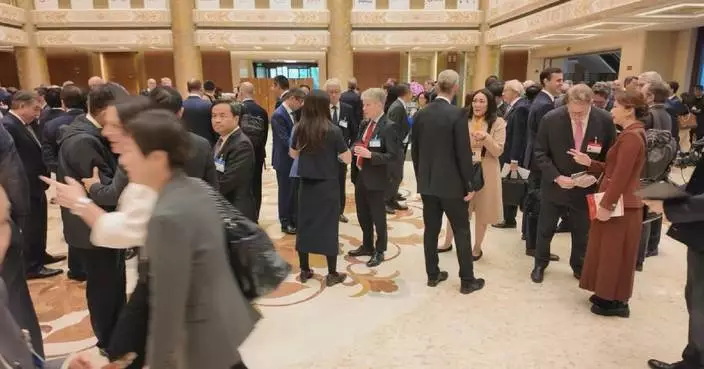
Wang, also a member of the Political Bureau of the Communist Party of China Central Committee, made the remarks when addressing the reception celebrating the 10th anniversary of the first LMC leaders' meeting.
Wang said over the past decade, the LMC countries have linked their future more closely together, gained more robust momentum for development, forged a stronger underpinning for security, and deepened their people-to-people exchanges.
He pointed out that upholding good neighborliness, friendship and a shared future, focusing on development to serve the people, as well as pursuing innovation and breaking new ground are the three principles essential to the robust development of the LMC.
Stressing the importance of better synergizing development strategies among the LMC countries, Wang called on the six countries to jointly build an LMC 2.0, and set an LMC example for global governance.
Wang called for unity and cooperation in the LMC, carrying forward the Asian values of peace, cooperation, openness and inclusiveness. He said the six countries should pursue openness and win-win outcomes, and press ahead with infrastructure connectivity.
China will work with the five Mekong countries to usher in a new golden decade of the LMC, Wang said, calling for building a peaceful, safe and secure, prosperous, beautiful and amicable home.
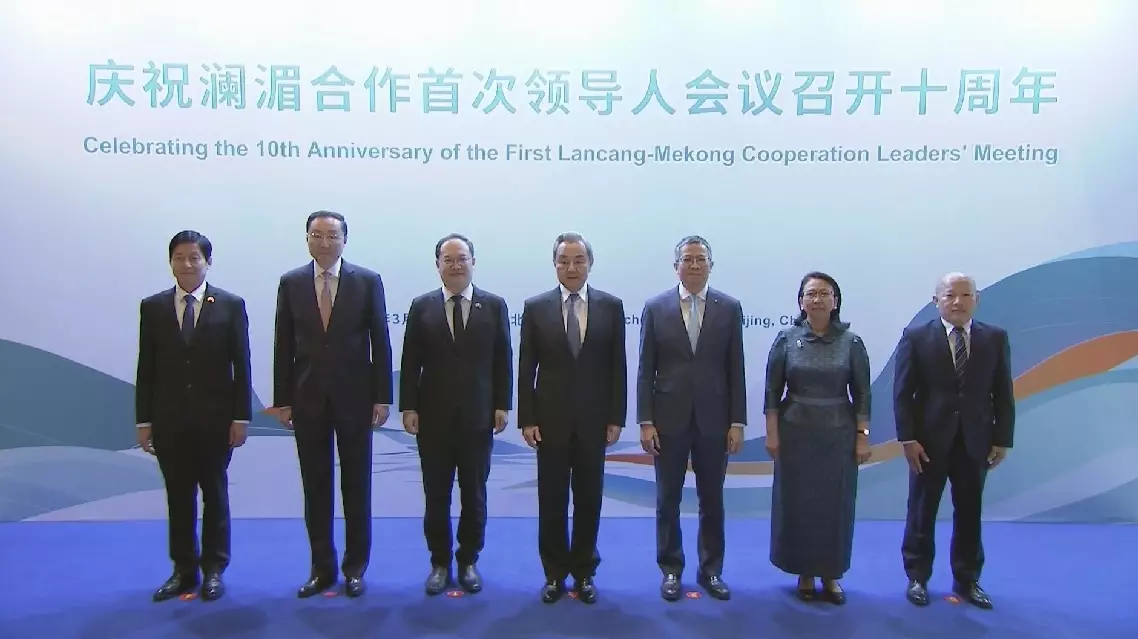
Lancang-Mekong cooperation sets example for building community with shared future for humanity: Chinese FM
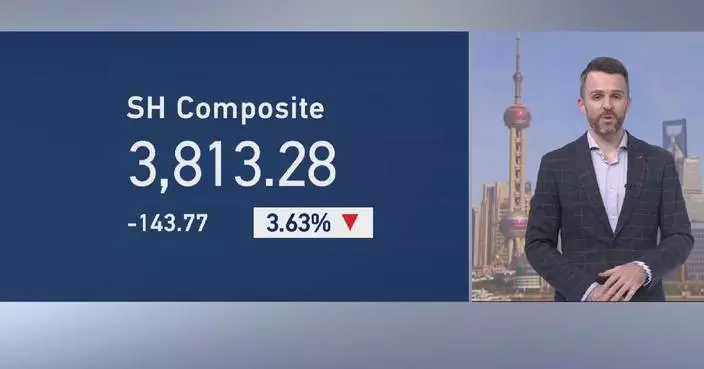
The Hong Kong and Tokyo stock markets plunged on Monday as investors are becoming increasingly worried about the prolonged conflict in the Middle East, which could potentially change the outlook for inflation and interest rates, according to a market analyst.
Hong Kong's stock market ended lower Monday with the benchmark Hang Seng Index down 3.54 percent to close at 24,382.47 points.
The Hang Seng China Enterprises Index fell 3.11 percent to end at 8,307.82 points, while the Hang Seng Tech Index fell 3.28 percent to end at 4,712.48 points.
Timothy Pope, a market analyst for China Global Television Network (CGTN), said stocks in gold producers and jewelry retailers dropped significantly, as precious metal prices tumbled.
"The Hang Seng was also down about 3.5 percent. Only 2 stocks gained on that index -- one the oil producer CNOOC and the other Geely Automobile. Gold producers and jewelry retailers were also down. The spot gold price fell to its lowest level this year today. Last week, actually, was the worst for gold in 43 years. It's down about 10 percent. So, that's the worst loss it has had since 1983 when the Volcker Fed rate hikes really crushed spot gold. And today marked the 9th session in a row of declines for the precious metal -- silver and platinum prices are also down. This turnaround for gold is essentially down to the fact that the war has completely flipped the inflation and interest rate outlook for many developed economies. A few weeks ago, we were looking at a market which expected rate cuts this year in the U.S., UK and Europe. Now rate hikes are back on the agenda and gold is a lot less appealing because it's not a yielding asset," said Pope.
Tokyo stocks ended sharply lower on Monday, with the benchmark Nikkei stock index falling to its lowest level since Jan 8.
The 225-issue Nikkei Stock Average ended down 1,857.04 points, or 3.48 percent, from Thursday at 51,515.49, after briefly losing over 2,600 points.
"The Nikkei 225 slid 3.5 percent, that was a very popular fall today, being down about 5 percent earlier on in the session. It's worth noting as well how the war has also completely flipped the outlook for the Nikkei. Before, the projections were broadly for a fairly steady path towards 60,000 points for the index. Now, we are looking at the very realistic prospect that it will slip below 50,000 points quite soon. Japan also gets about 90 percent of its oil from the Middle East, which obviously makes the country very exposed to the current conflict. Today we saw all the heavyweight stocks like Advantest plunging and 95 percent of Japanese prime equities actually traded lower this session," said Pope.
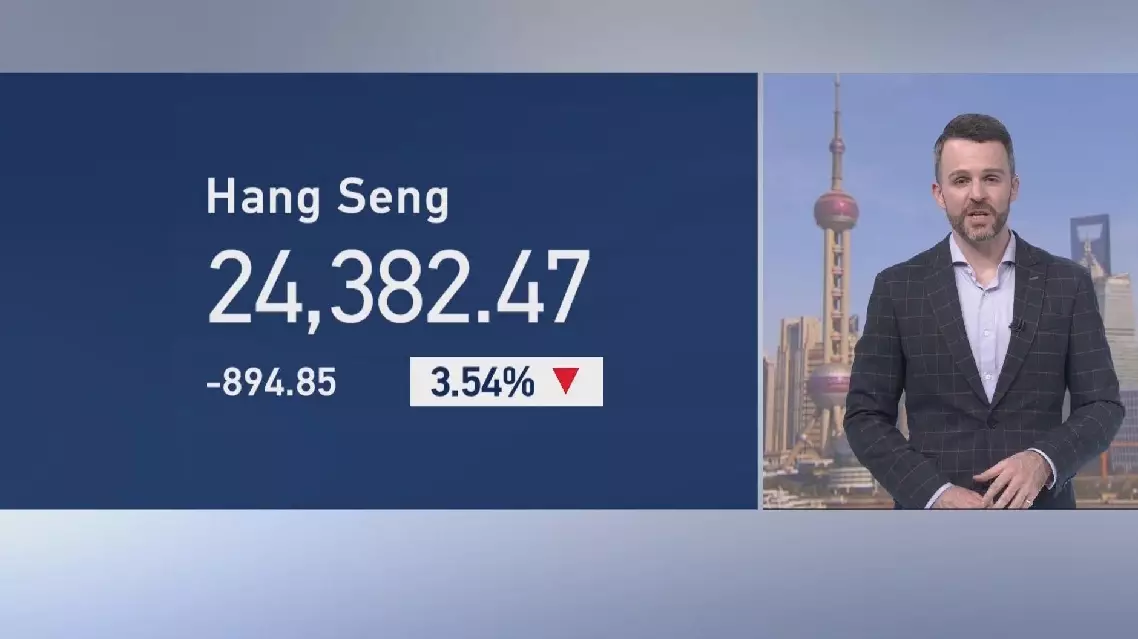
Hong Kong, Tokyo stock markets plunge on Monday as Middle East conflict continues