Chinese President Xi Jinping on Monday urged efforts to build the Xiong'an New Area in north China's Hebei Province into an innovation hub in the new era and a model of promoting high-quality development.
Xi, also general secretary of the Communist Party of China (CPC) Central Committee and chairman of the Central Military Commission, inspected the Xiong'an New Area on Monday, when he also chaired a symposium on further advancing the area's high-quality construction and development. At the symposium, Xi said that under the strong leadership of the CPC Central Committee and through the joint efforts of all parties, the construction and development of the Xiong'an New Area have achieved major phased results. It has been fully proved that the CPC Central Committee's decision to develop the new area is entirely correct, and all related work has been solid and effective, he added.
Xi pointed out that to further advance the high-quality construction and development of the Xiong'an New Area, it is essential to strictly adhere to the New Area's designated functional positioning and to promote, in a more forceful and orderly manner, the relocation and integration of Beijing's non-capital functions.
It is necessary to actively and steadily push forward the construction of relocation projects for central state-owned enterprises, universities, and hospitals in batches, promote, in an orderly way, the relocation of financial institutions, research institutes and public institutions, and support the better development of the relocated entities, said Xi.
Policy guarantees and services for relocation projects and personnel must be strengthened to guide and enable relocated functions to effectively drive the development of the Xiong'an New Area and its surrounding regions, he said. Xi said that to continuously enhance the Xiong'an New Area's overall carrying capacity, it is essential to adopt a systematic approach, comprehensively advancing both high-quality construction and high-efficiency governance.
He urged efforts to advance the construction of the start-up zone and the initial zone, and strive to create "Xiong'an Quality."
Public service system should be improved, and efforts must be focused on ensuring and improving people's livelihoods, Xi said, adding that active exploration of future-oriented smart city management models is needed to build a beautiful Xiong'an with blue skies, green land, and clear water.
Noting that the Xiong'an New Area should take reform and innovation as its driving force, Xi said the area must promote the deep integration of scientific and technological innovation with industrial innovation, develop new quality productive forces according to local conditions, and cultivate a modern industrial system that aligns with its actual conditions.
The Xiong'an New Area Zhongguancun (ZGC) Science Park should be built to a high standard to facilitate the transformation and application of more scientific and technological achievements, he said.
He stressed promoting clustered development of emerging and future industries, developing producer services, and supporting the transformation and upgrading of traditional industries.
He urged efforts to implement innovative policies in fields such as science, technology, and finance, striving to create a market-oriented, law-based, and internationalized business environment.
Xi further urged the new area to strengthen Party leadership and Party building while firmly establishing and practicing a correct understanding of governance performance.
Chinese Premier Li Qiang, Cai Qi, who is director of the General Office of the CPC Central Committee, and Vice Premier Ding Xuexiang also attended the symposium. They are all members of the Standing Committee of the Political Bureau of the CPC Central Committee.
In his speech, Premier Li emphasized seeking new progress in undertaking the relocation of Beijing's non-capital functions, accelerating the improvement of public services, fostering a first-class industrial ecosystem, and building an innovation highland for the new era in the Xiong'an New Area.
He also urged Xiong'an to pursue new achievements in promoting the coordinated development of the Beijing-Tianjin-Hebei region.
Vice Premier Ding said that the Xiong'an New Area should fully implement the innovation-driven development strategy. It should deeply integrate into the regional collaborative innovation network, and foster a first-class innovation ecosystem for the development of emerging and future industries, he said.
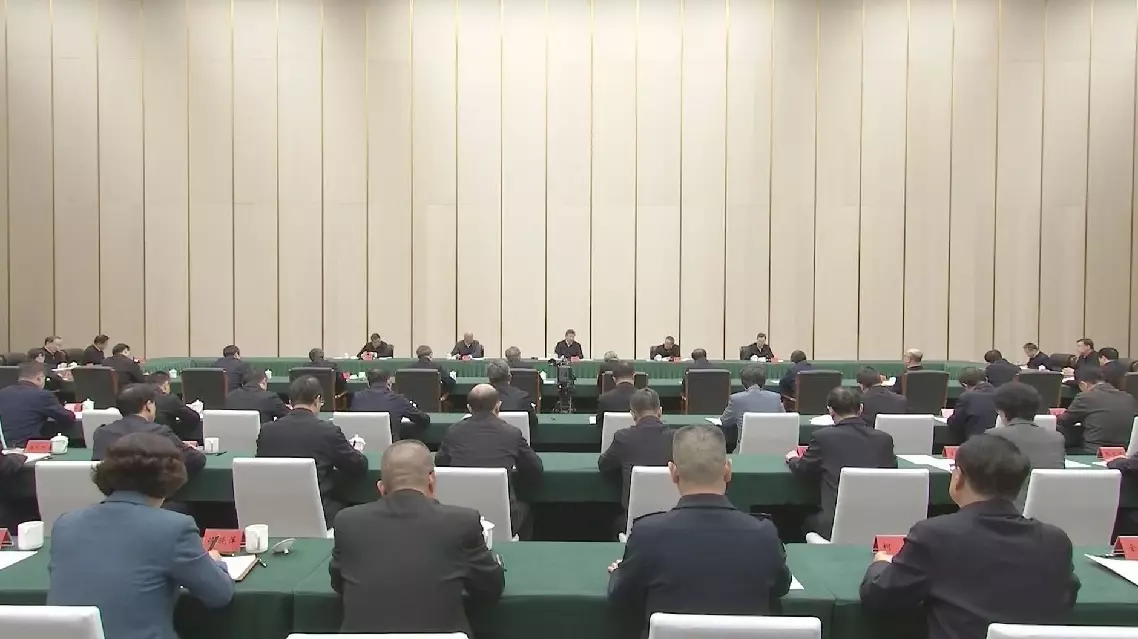
Xi urges efforts to build Xiong'an New Area into innovation hub, model of high-quality development
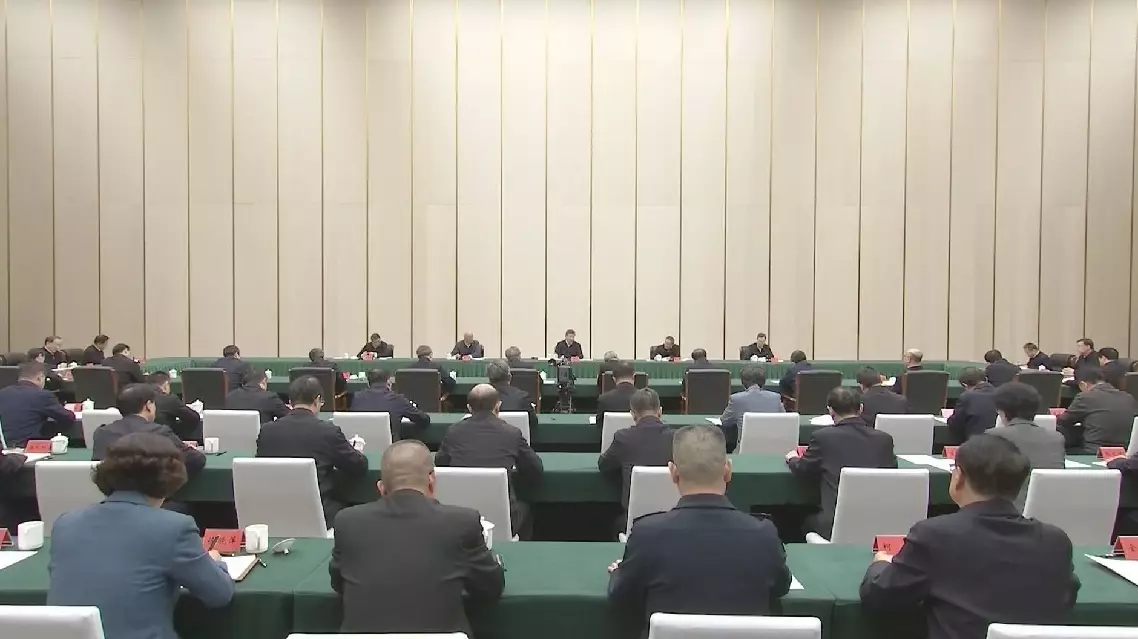
Xi urges efforts to build Xiong'an New Area into innovation hub, model of high-quality development
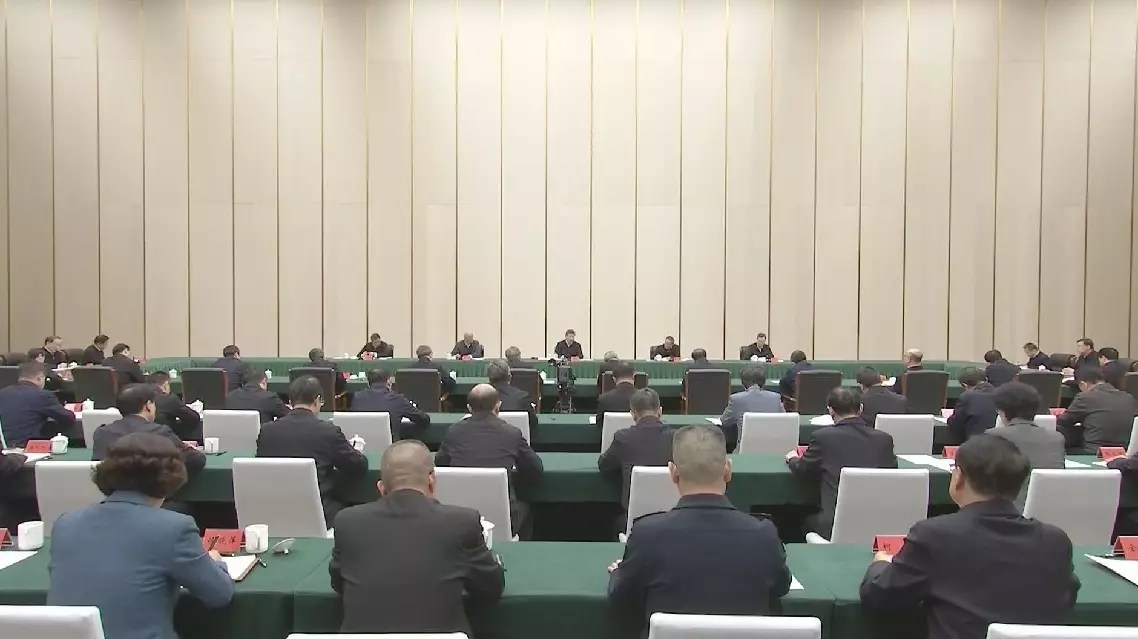
Xi urges efforts to build Xiong'an New Area into innovation hub, model of high-quality development