HARVEY, Ill. (AP) — Winfred Wilson was struggling to make ends meet on less than $700 a month, so he moved in with his daughter, gave up his car and started relying exclusively on public transit to take him wherever he needed to go across Chicago's southern suburbs.
As he waited for a bus connection in his hometown of Harvey on a recent trip to the grocery store, Wilson waved at familiar travelers who regularly pass through the key transportation hub serving one of the region's poorest areas. Many, he said, encounter little resistance from drivers when they board without paying.
Click to Gallery
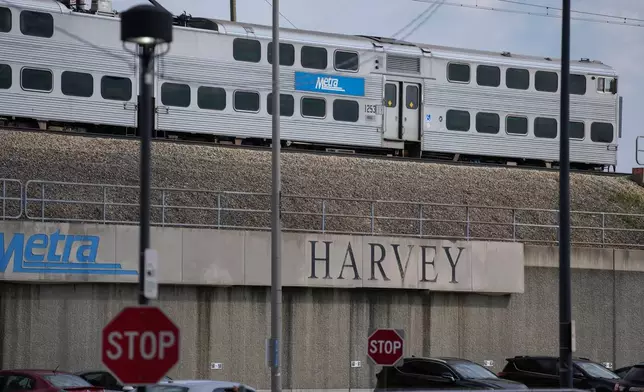
A Metra train, top, is seen in the tracks across from the Pace Harvey Transportation Center, Thursday, May 29, 2025, in Harvey, Ill. (AP Photo/Erin Hooley)
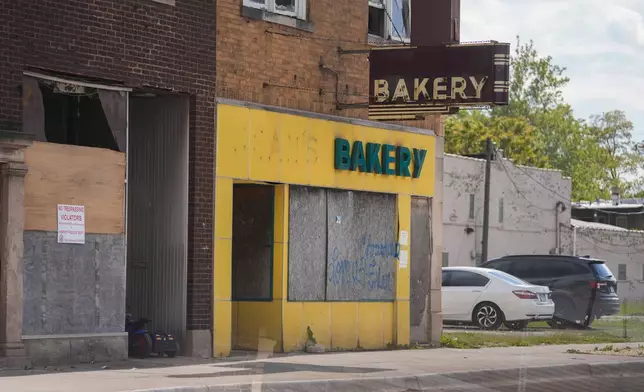
A shuttered bakery is seen near the Pace Harvey Transportation Center, Thursday, May 29, 2025, in Harvey, Ill. (AP Photo/Erin Hooley)
A Metra train leaves the station across from the Pace Harvey Transportation Center, Thursday, May 29, 2025, in Harvey, Ill. (AP Photo/Erin Hooley)
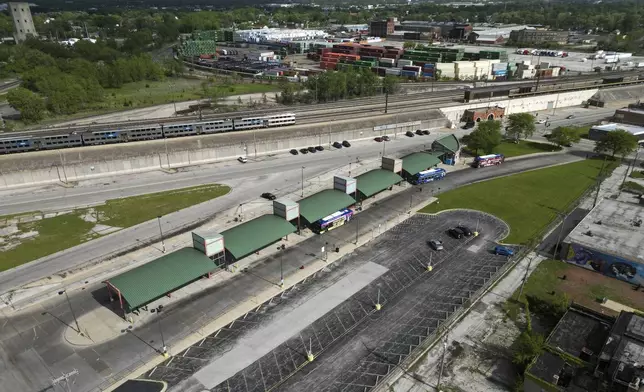
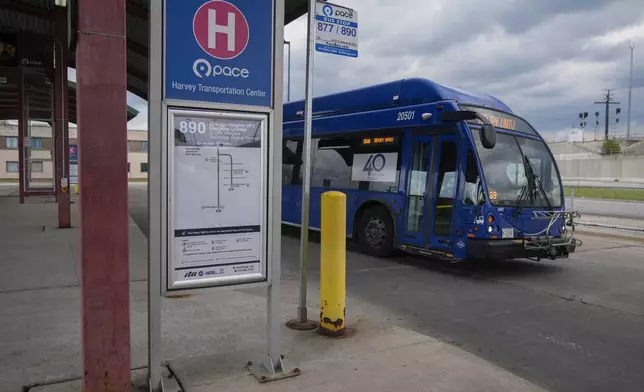
A bus leaves the Pace Harvey Transportation Center, Thursday, May 29, 2025, in Harvey, Ill. (AP Photo/Erin Hooley)
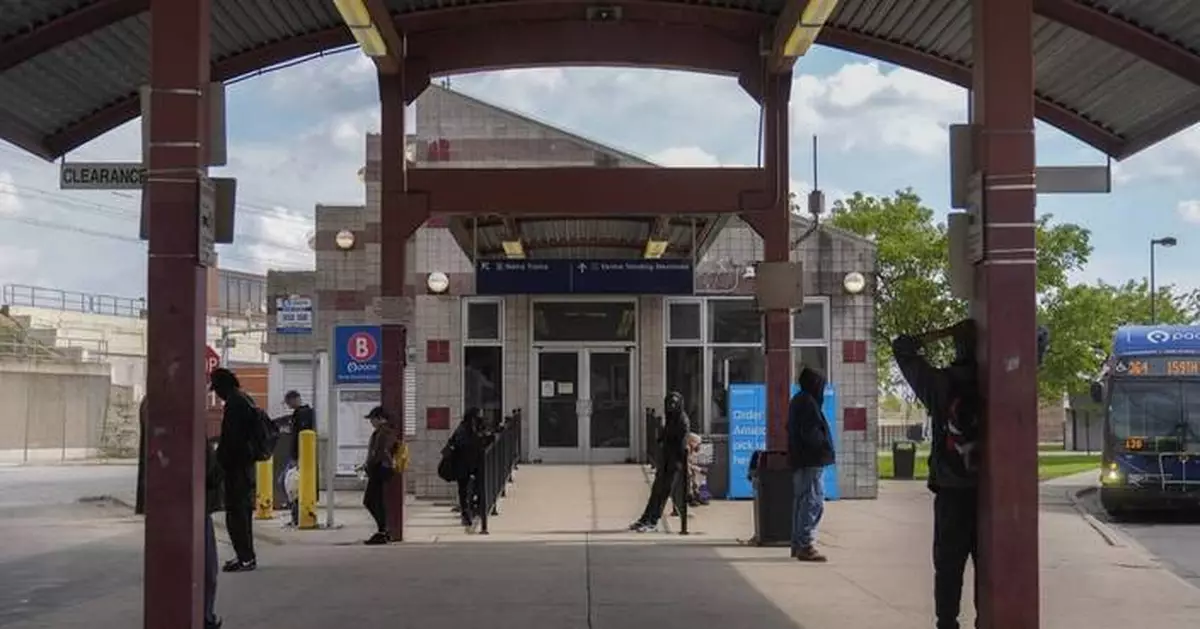
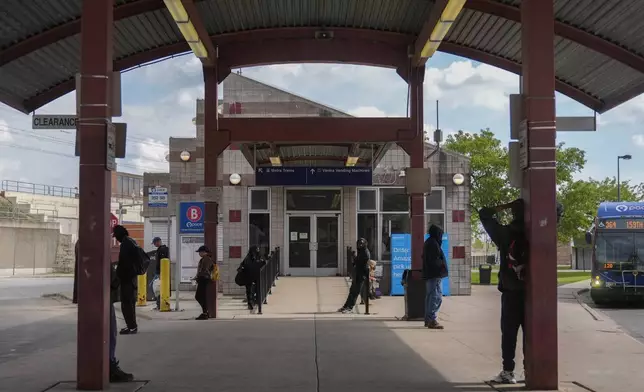
People wait at the Pace Harvey Transportation Center, Thursday, May 29, 2025, in Harvey, Ill. (AP Photo/Erin Hooley)
“People in affluent neighborhoods, they have cars and personal transportation, but they don’t want to get caught up in the rush hour,” so they use transit, Wilson said. “We couldn't live without it.”
Public transit agencies across the U.S. have been grappling with a fiscal cliff spurred by declining ridership and the impending sunset of federal COVID-19 relief funding. The Chicago area faces particularly bleak service cuts that officials warn could be set in motion as early as Saturday if Illinois legislators adjourn without plugging a $770 million hole in the transportation budget.
The big city's commuters would be hit hard, with the Chicago Transit Authority poised to shut down four of eight elevated train lines and 74 of 127 bus routes under the worst-case scenario. But perhaps no place illustrates the range of potential outcomes more vividly than Harvey, whose mayor, Christopher Clark — a lifelong resident — says was once “the metropolis of the Southland” before plants and factories closed and disinvestment took hold.
Already the busiest station for Pace, the region's suburban bus system that also serves paratransit customers, Harvey recently won state and federal grant money for a state-of-the-art facility that would put the buses under the same roof as the Metra commuter rail stop a block away. Plans eventually call for a high-speed bus line connecting the Harvey station to the Red Line L train that cuts through the downtown Chicago Loop.
Such an upgrade could be an economic boon for Harvey, where now-vacant businesses are found on almost every downtown block and where more than 1 in 4 residents live below the poverty line. But even if the new station is built, ending or severely cutting the buses and trains that pass through could send the city reeling in the opposite direction.
“It would be chaos for us in the suburbs,” said Cheyane Felton, after finishing her shift at a coffee stand in the basement of Harvey's City Hall. “It would cut us off.”
Without additional state funding, Pace could be forced to halt buses in Harvey and elsewhere on weekends and after 8 p.m. on weekdays, executive director Melinda Metzger said.
“The downside for this is disastrous,” she said in an interview at the Harvey stop. “You would be cutting back your service by at least 40%, not giving people viable rides. They might get to work, but they might have a late-night shift and can’t get home, so ridership also would plummet to match the service cuts.”
Major public transportation agencies across the country have had varying degrees of success lobbying their legislatures for more support with the federal emergency funding set to expire at the end of the year.
The metropolitan area that most closely mirrors Chicago's current situation is Philadelphia, which faces a $213 million transportation budget deficit next year, even after Pennsylvania Gov. Josh Shapiro authorized redirecting some of the state's highway money to mass transit. Absent more funding, riders could see a 20% spike in fares, a 9 p.m. curfew, and the elimination of 50 bus routes and five regional rail lines, the Southeastern Pennsylvania Transportation Authority has said.
New York Gov. Kathy Hochul signed a bailout package in 2023 to help fund New York City’s subway and buses. She also opened a major new source of transit revenue by implementing congestion pricing for drivers in Manhattan, but it remains to be seen whether the new tolls will survive threats from President Donald Trump’s administration to shut them down.
Boston, San Francisco, Washington, D.C., and numerous other transit-dependent cities have also been scrambling to avert major cuts.
“No funding without reform” has been a common mantra among Illinois legislators working to hash out a solution for Chicago's transit crisis before leaving Springfield on Saturday at the end of their regular session.
Technically, the money doesn't run out until the end of the year, and there will likely be a veto session that could provide another shot at an 11th-hour rescue. But transportation officials say they'll have to start laying out the specific cuts next week if the funding doesn't come through by then.
“It’s not a light switch we can just turn on or off," said Leanne Redden, executive director of the Regional Transportation Authority, which oversees planning and funding for the area's transit agencies. "Even if we find funding at a future point, it’s a slow process to kind of unwind the unwinding.”
So far, there have been no major breakthroughs on funding, although a compromise surfaced this week to create a new umbrella organization that, among other things, would ensure the various agencies work in unison rather than as competitors for the same customers.
“They should just be able to get on and go where they want to go, and that has not been happening with the governance that we’ve had up to now,” Gov. J.B. Pritzker said.
Chicago's transit agencies argue they’re more efficient than their peers in other states and get by with a smaller portion of state funding.
Clark, the Harvey mayor, said he still envisions his community benefitting from the economic promise of a new transit facility rather than enduring disappointment once again.
“I guess some people want me to paint a picture that it’s a nuclear Armageddon or something like that,” he said. “I can't paint that picture because I have to remain ever hopeful that we will get what we need to get in due time. Government is a long game.”
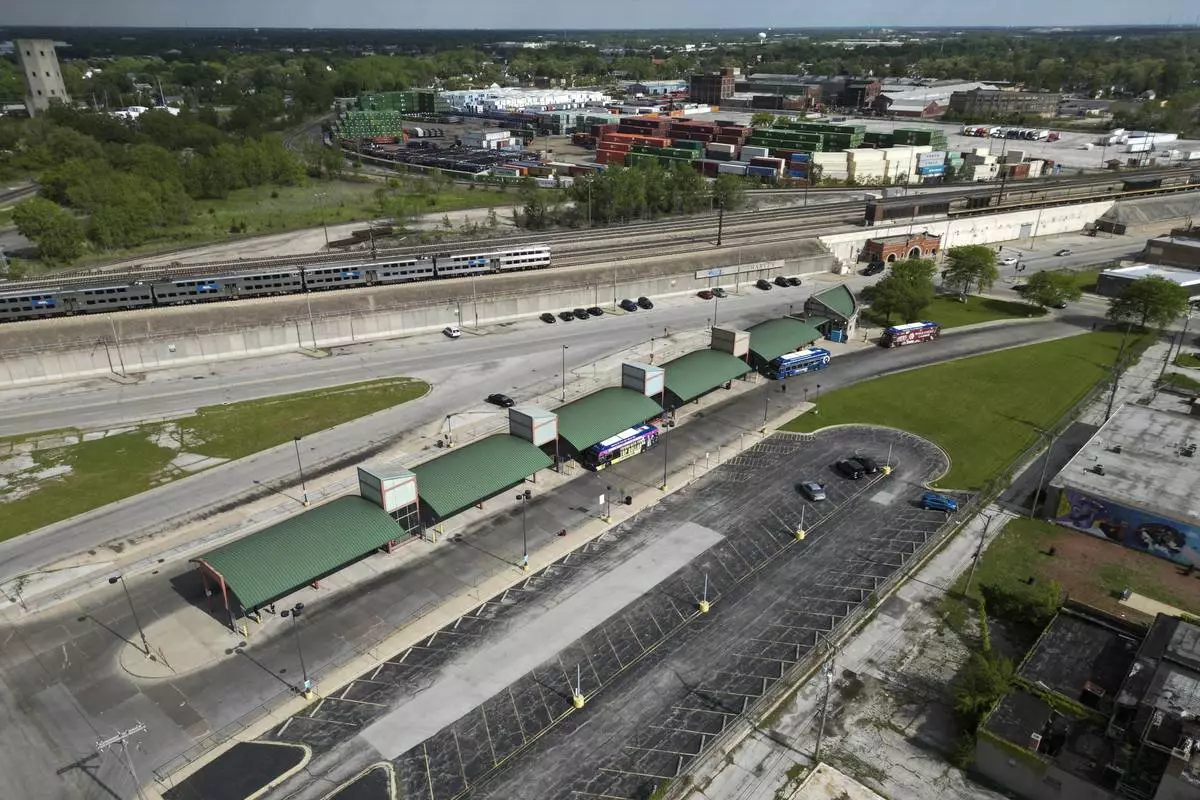
A Metra train, top, is seen in the tracks across from the Pace Harvey Transportation Center, Thursday, May 29, 2025, in Harvey, Ill. (AP Photo/Erin Hooley)
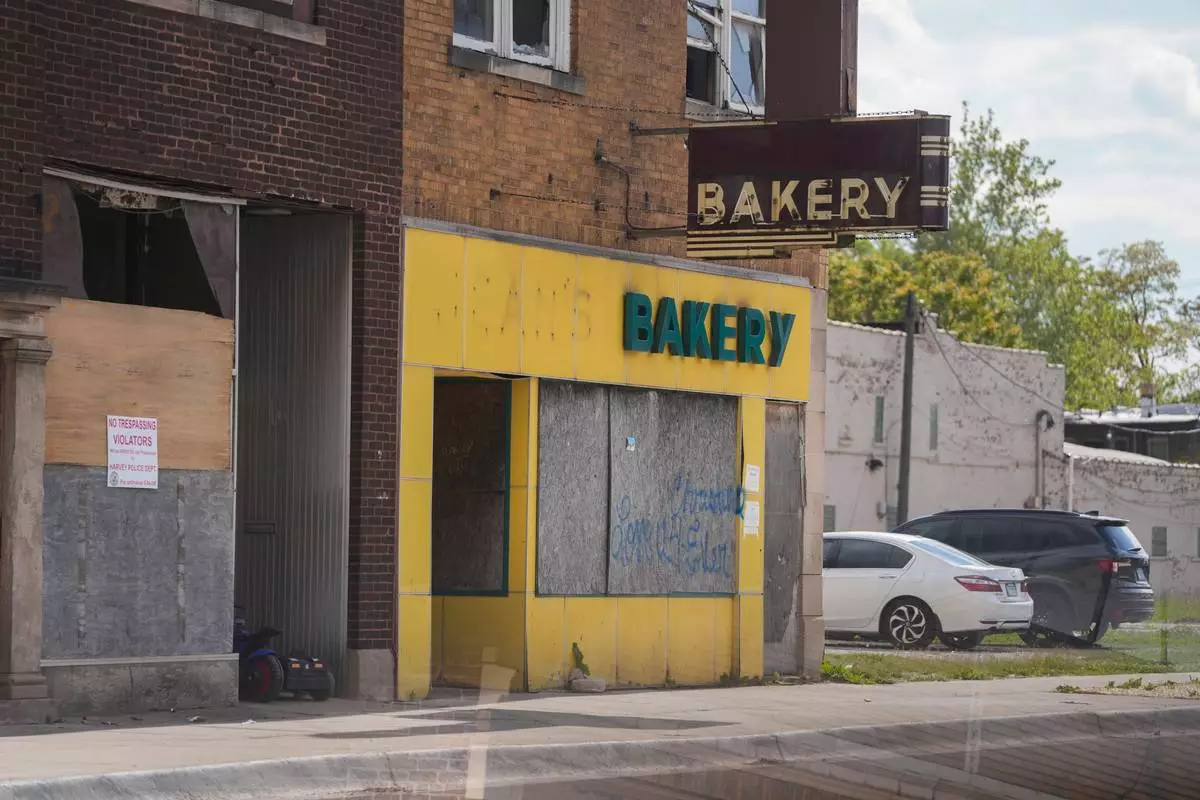
A shuttered bakery is seen near the Pace Harvey Transportation Center, Thursday, May 29, 2025, in Harvey, Ill. (AP Photo/Erin Hooley)
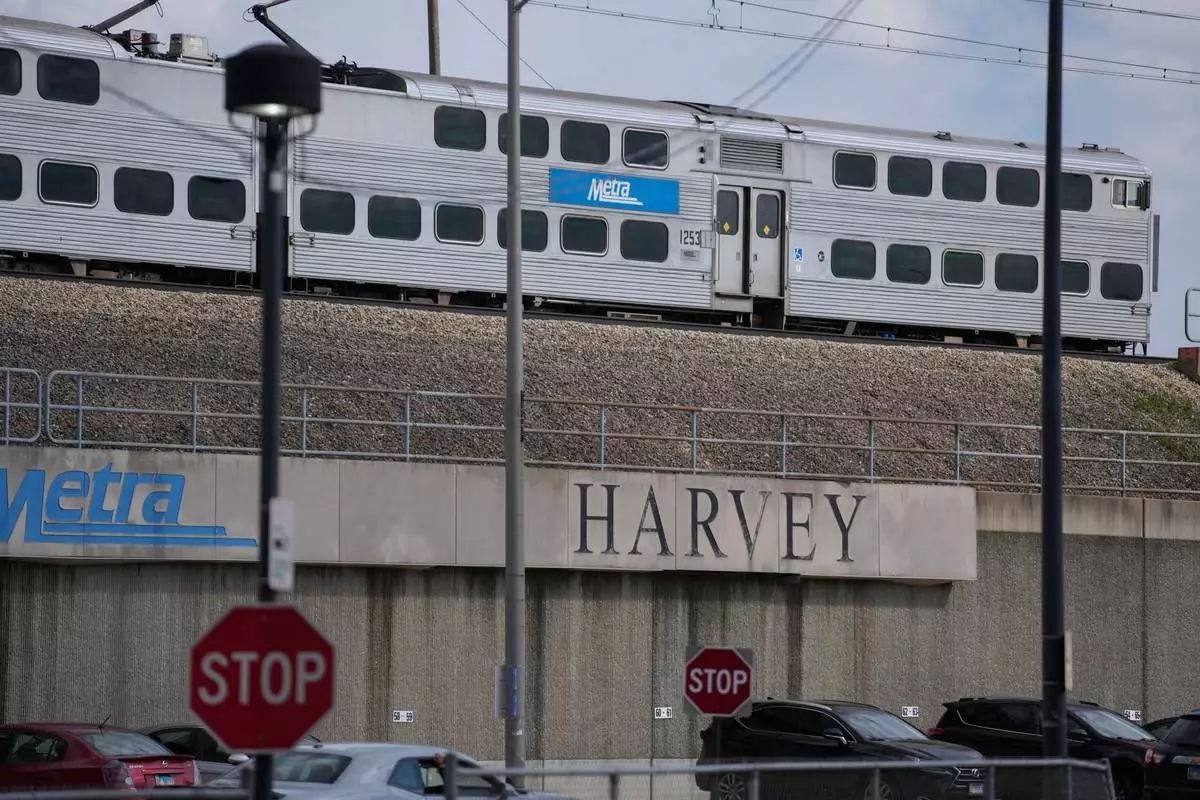
A Metra train leaves the station across from the Pace Harvey Transportation Center, Thursday, May 29, 2025, in Harvey, Ill. (AP Photo/Erin Hooley)
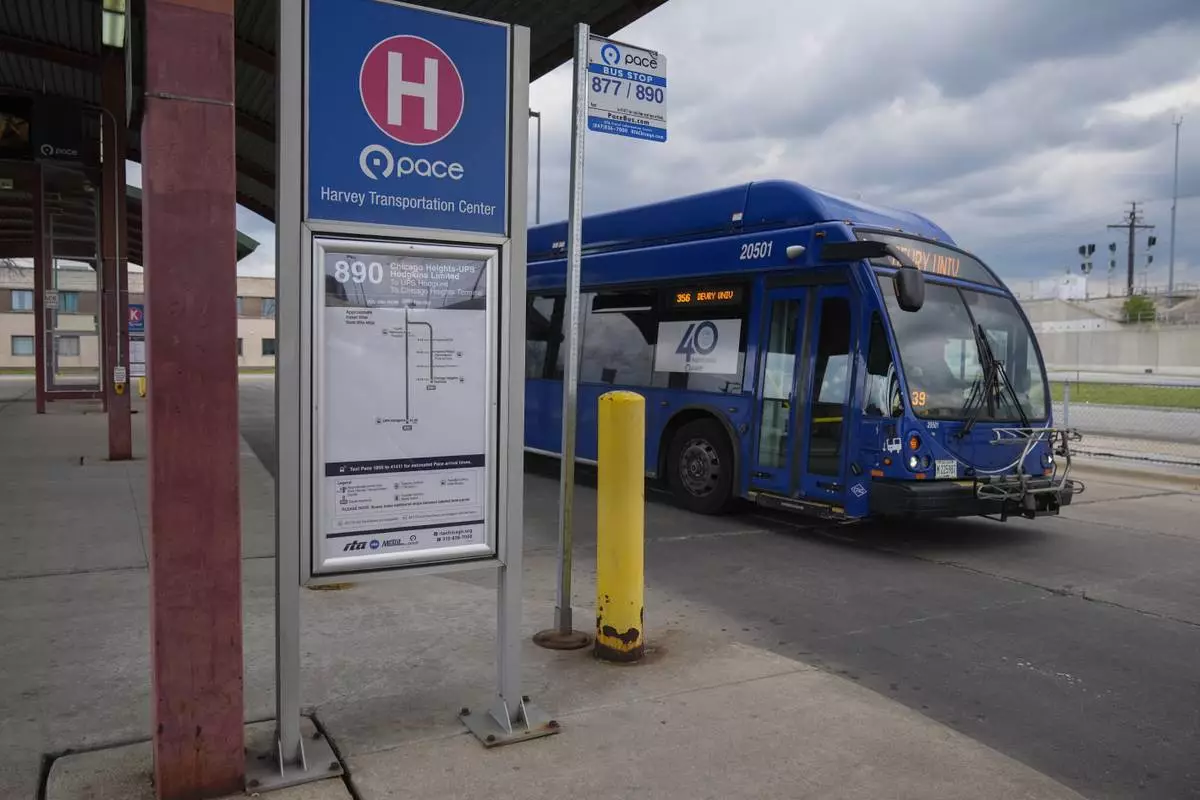
A bus leaves the Pace Harvey Transportation Center, Thursday, May 29, 2025, in Harvey, Ill. (AP Photo/Erin Hooley)
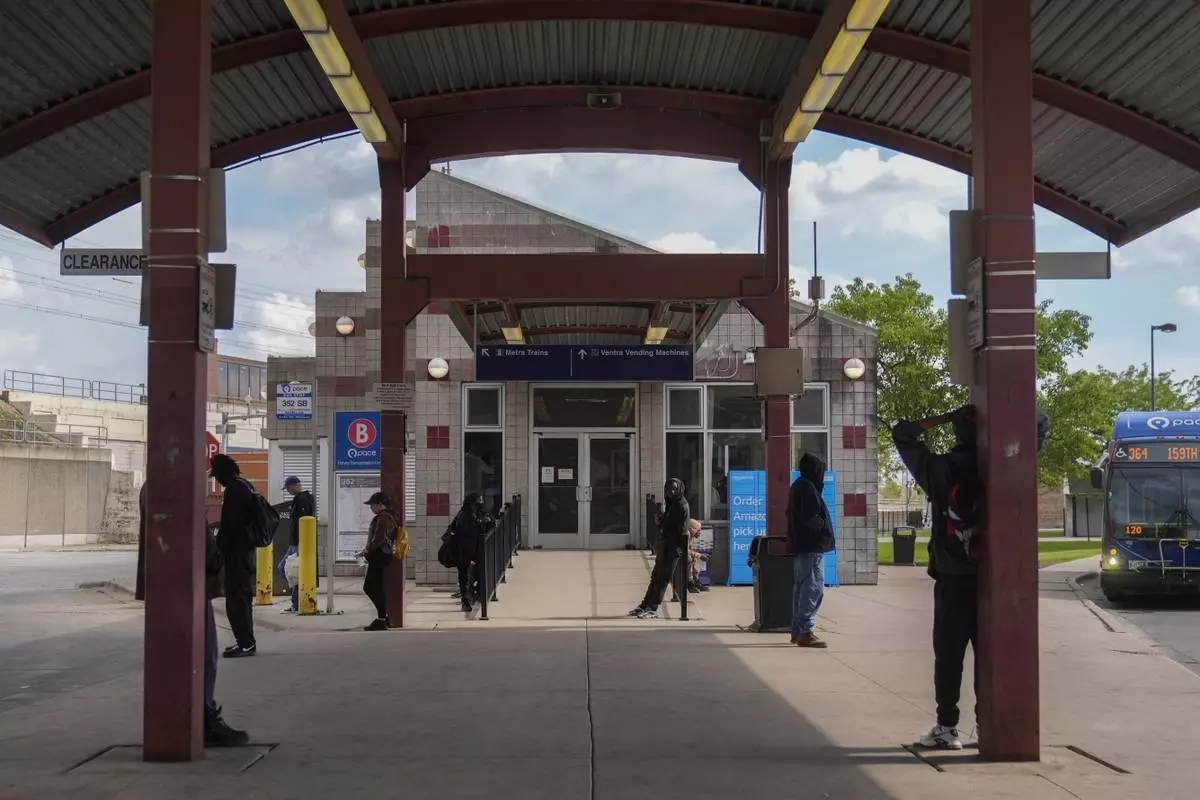
People wait at the Pace Harvey Transportation Center, Thursday, May 29, 2025, in Harvey, Ill. (AP Photo/Erin Hooley)
MINNEAPOLIS (AP) — Hennepin County Attorney Mary Moriarty on Friday called on members of the public to send any video or other evidence in the fatal shooting of Renee Good directly to her office, challenging the Trump administration's decision to leave the investigation solely to the FBI.
Moriarty said that although her office has collaborated effectively with the FBI in past cases, she is concerned by the Trump administration's decision to bar state and local agencies from playing any role in the investigation into Wednesday's killing of Good by an Immigration and Customs Enforcement officer in Minneapolis.
She also said that despite the Trump administration’s insistence that the officer who shot Good has complete legal immunity, that isn’t the case.
“We do have jurisdiction to make this decision with what happened in this case,” she said at a news conference. “It does not matter that it was a federal law enforcement agent.”
Moriarty said her office would post a link for the public to submit footage of the shooting, even though she acknowledged that she wasn't sure what legal outcome submissions might produce.
The prosecutor's announcement came on a third day of Minneapolis protests over Good's killing and a day after federal immigration officers shot and wounded two people in Portland, Oregon.
Good's wife, Becca Good, released a statement to Minnesota Public Radio on Friday saying, “kindness radiated out of her.”
"On Wednesday, January 7th, we stopped to support our neighbors. We had whistles. They had guns," Becca Good said.
“I am now left to raise our son and to continue teaching him, as Renee believed, that there are people building a better world for him,” she wrote. “That the people who did this had fear and anger in their hearts, and we need to show them a better way.”
The reaction to the Good's shooting was immediate in the city where police killed George Floyd in 2020, with hundreds of protesters converging on the shooting scene and the school district canceling classes for the rest of the week as a precaution.
On Thursday night, hundreds marched in freezing rain down one of Minneapolis’ major thoroughfares, chanting “ICE out now!” and holding signs saying, “Killer ice off our streets." And on Friday, protesters were out again demonstrating outside of a federal facility that is serving as a hub for the immigration crackdown that began Tuesday in the Twin Cities of Minneapolis and St. Paul. Authorities erected barricades outside the facility Friday.
City workers, meanwhile, removed makeshift barricades made of old Christmas trees and other debris that had been blocking the streets near the scene of Good's shooting. Officials said they would leave up a shrine to the 37-year-old mother of three.
The Portland shootings happened outside a hospital Thursday afternoon. Federal immigration officers shot and wounded a man and woman, identified by the Department of Homeland Security as Venezuela nationals Luis David Nico Moncada and Yorlenys Betzabeth Zambrano-Contreras, who were inside a vehicle, and their conditions weren't immediately known. The FBI and the Oregon Department of Justice were investigating.
Portland Mayor Keith Wilson and the city council called on ICE to end all operations in the city until a full investigation is completed. Hundreds protested Thursday night at a local ICE building. Early Friday, Portland police reported that officers had arrested several protesters after asking the to get out of a street to allow traffic to flow.
Just as it did following Good's shooting, DHS defended the actions of the officers in Portland, saying it occurred after a Venezuelan man with alleged gang ties and who was involved in a recent shooting tried to “weaponize” his vehicle to hit the officers. It wasn't immediately clear if the shootings were captured on video, as Good's was.
The Minneapolis shooting happened on the second day of the immigration crackdown in the Twin Cities, which Homeland Security said is the biggest immigration enforcement operation ever. More than 2,000 officers are taking part and Noem said they have made more than 1,500 arrests.
The government is also shifting immigration officers to Minneapolis from sweeps in Louisiana, according to documents obtained by The Associated Press. This represents a pivot, as the Louisiana crackdown that began in December had been expected to last into February.
Good's death — at least the fifth tied to immigration sweeps since Trump took office — has resonated far beyond Minneapolis, as protests happening in other places, including Texas, California, Detroit and Missouri.
In Washington, D.C., on Thursday, a woman held a sign that said, “Stop Trump’s Gestapo,” as hundreds of people marched to the White House. Protesters in Pflugerville, Texas, north of Austin, banged on the walls of an ICE facility. And a man in Los Angeles burned an American flag in front of federal detention center.
Homeland Security Secretary Kristi Noem, President Donald Trump and others in his administration have repeatedly characterized the Minneapolis shooting as an act of self-defense and cast Good as a villain, suggesting she used her vehicle as a weapon to attack the officer who shot her.
But state and local officials and protesters rejected that characterization, with Minneapolis Mayor Jacob Frey saying videos show the self-defense argument is “garbage.”
Several bystanders captured footage of Good's killing, which happened in a neighborhood south of downtown.
The recordings show an officer approaching an SUV stopped across the middle of the road, demanding the driver open the door and grabbing the handle. The Honda Pilot begins to pull forward and a different ICE officer standing in front of it pulls his weapon and immediately fires at least two shots at close range, jumping back as the vehicle moves toward him.
It is not clear from the videos if the vehicle makes contact with the officer, and there is no indication of whether the woman had interactions with agents earlier. After the shooting, the SUV speeds into two cars parked on a curb before crashing to a stop.
The federal agent who fatally shot Good is an Iraq War veteran who has served for nearly two decades in the Border Patrol and ICE, according to records obtained by AP.
Noem has not publicly named him, but a Homeland Security spokesperson said her description of his injuries last summer refers to an incident in Bloomington, Minnesota, in which court documents identify him as Jonathan Ross.
Ross got his arm stuck in the window of a vehicle whose driver was fleeing arrest on an immigration violation. Ross was dragged and fired his Taser. A jury found the driver guilty of assaulting a federal officer with a dangerous weapon.
Attempts to reach Ross, 43, at phone numbers and email addresses associated with him were not successful.
Associated Press reporters Steve Karnowski and Mark Vancleave in Minneapolis; Ed White in Detroit; Valerie Gonzalez in Brownsville, Texas; Graham Lee Brewer in Norman, Oklahoma; Michael Biesecker in Washington; Jim Mustian and Safiyah Riddle in New York; Ryan Foley in Iowa City, Iowa; and Hallie Golden in Seattle contributed to this report.
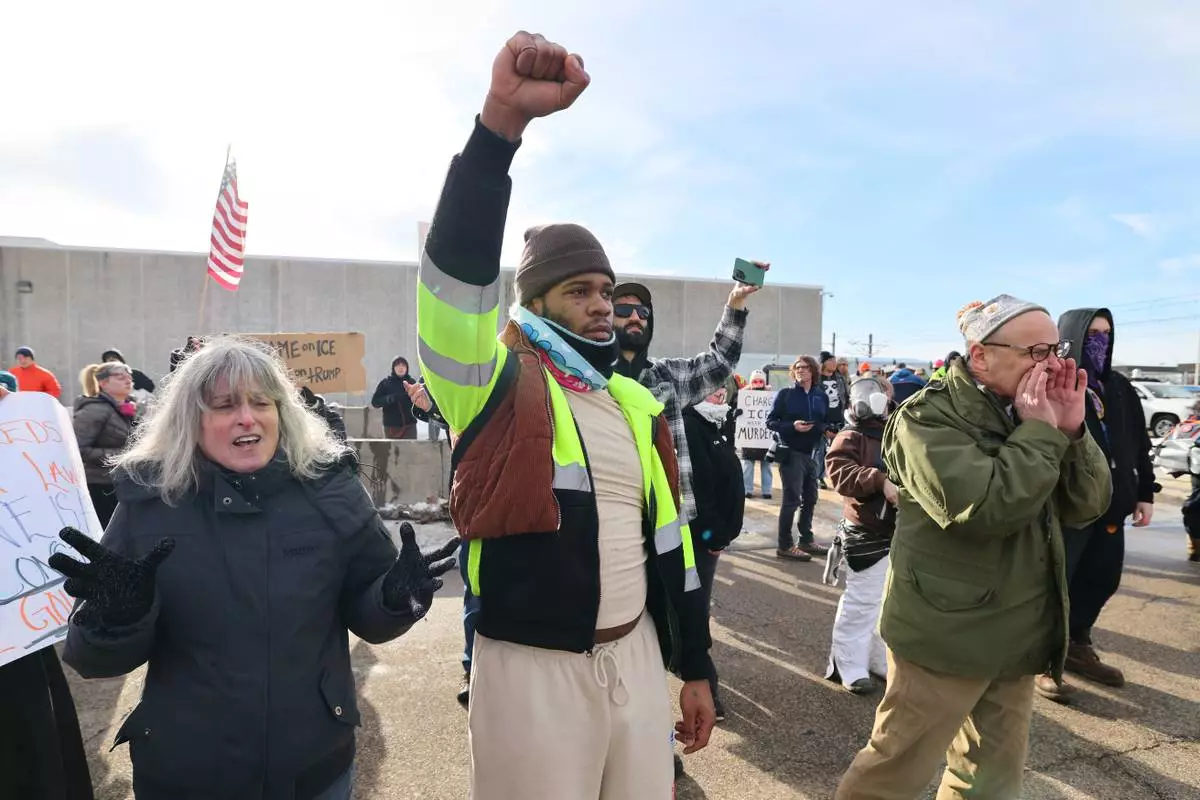
Protesters confront law enforcement outside the Bishop Henry Whipple Federal Building in Minneapolis, Friday, Jan. 9, 2026.(AP Photo/Adam Bettcher)
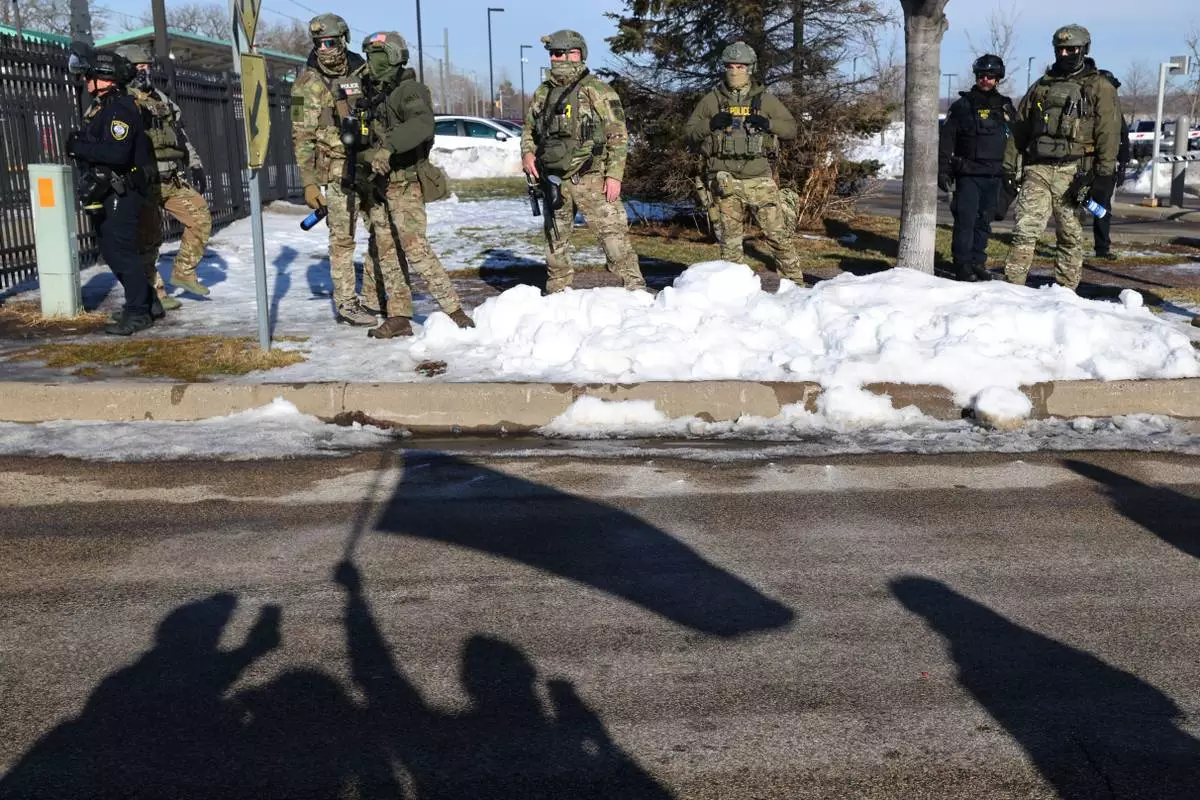
Protesters' shadows are cast on the street near law enforcement outside the Bishop Henry Whipple Federal Building in Minneapolis, Friday, Jan. 9, 2026. (AP Photo/Adam Bettcher)
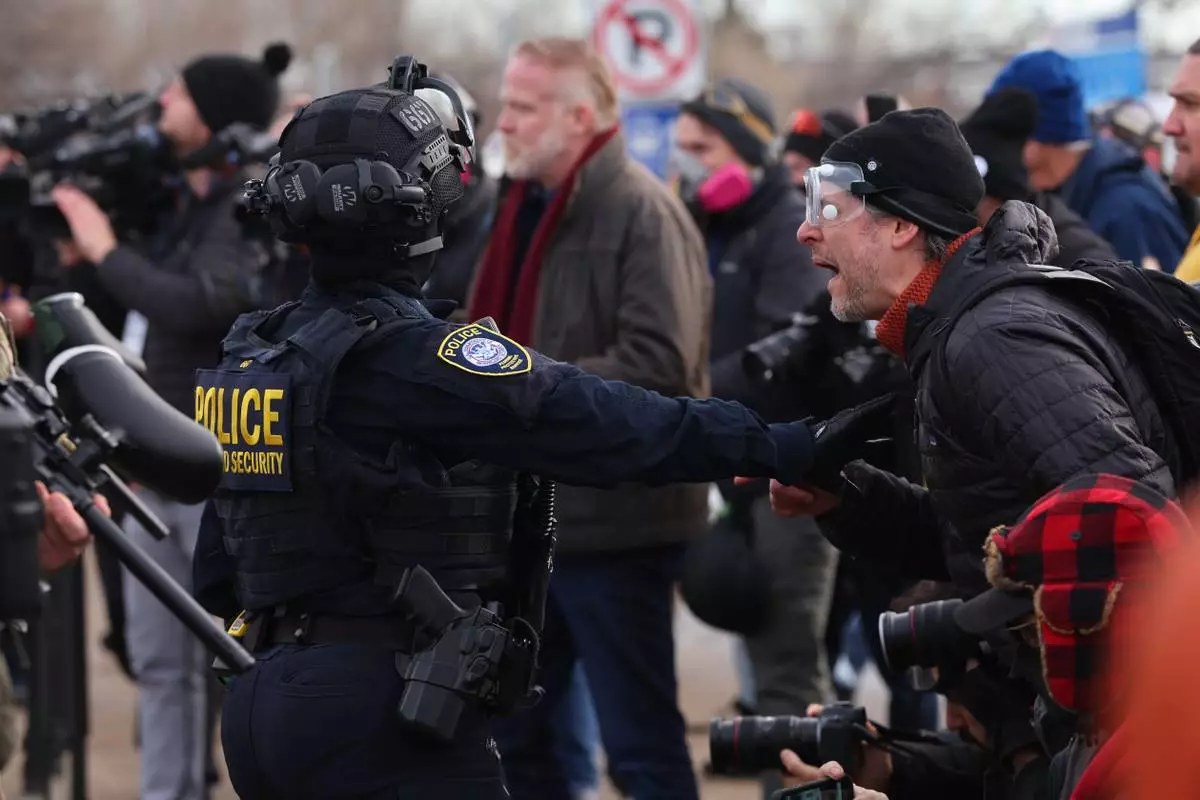
Protesters confront law enforcement outside the Bishop Henry Whipple Federal Building in Minneapolis, Friday, Jan. 9, 2026.(AP Photo/Adam Bettcher)
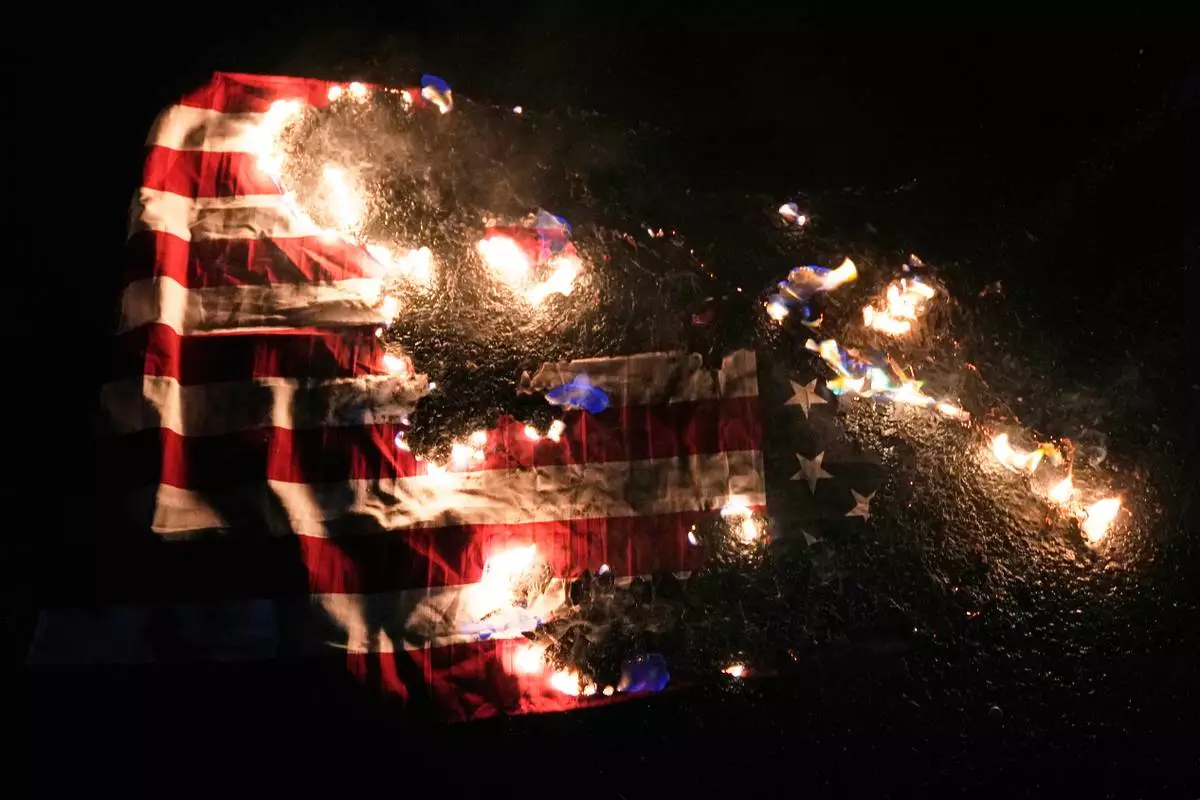
An American flag burns outside the U.S. Immigration and Customs Enforcement facility on Thursday, Jan. 8, 2026, in Portland, Ore. (AP Photo/Jenny Kane)
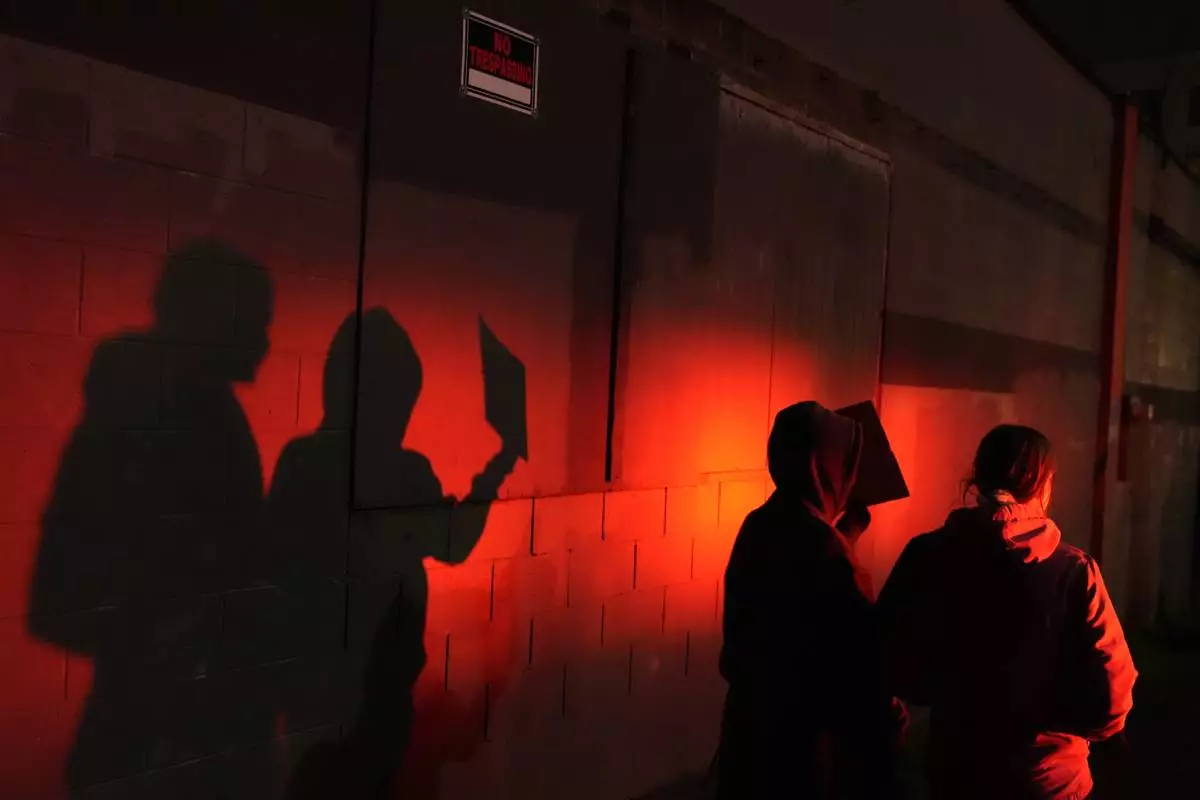
Two protesters are lit by a police light as they walk outside the U.S. Immigration and Customs Enforcement facility on Thursday, Jan. 8, 2026, in Portland, Ore. (AP Photo/Jenny Kane)
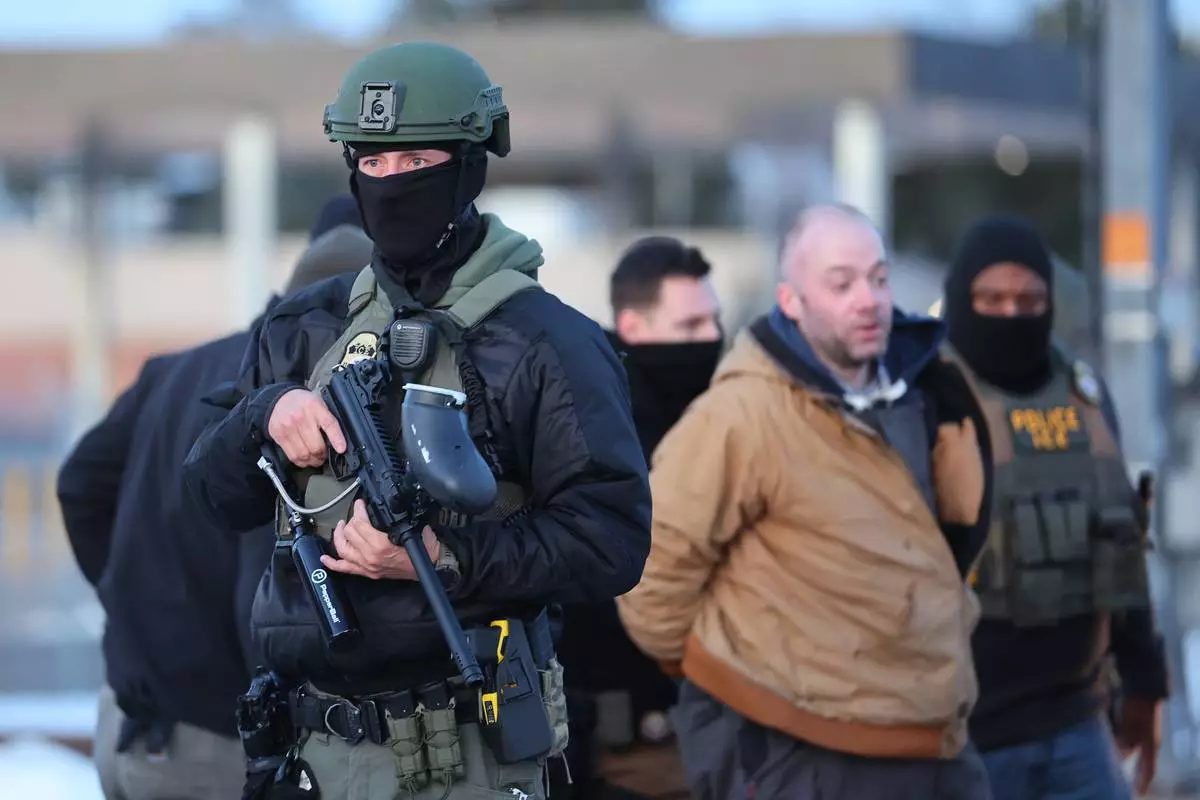
Protesters are arrested by federal agents outside the Bishop Henry Whipple Federal Building in Minneapolis, Friday, Jan. 9, 2026. (AP Photo/Adam Bettcher)
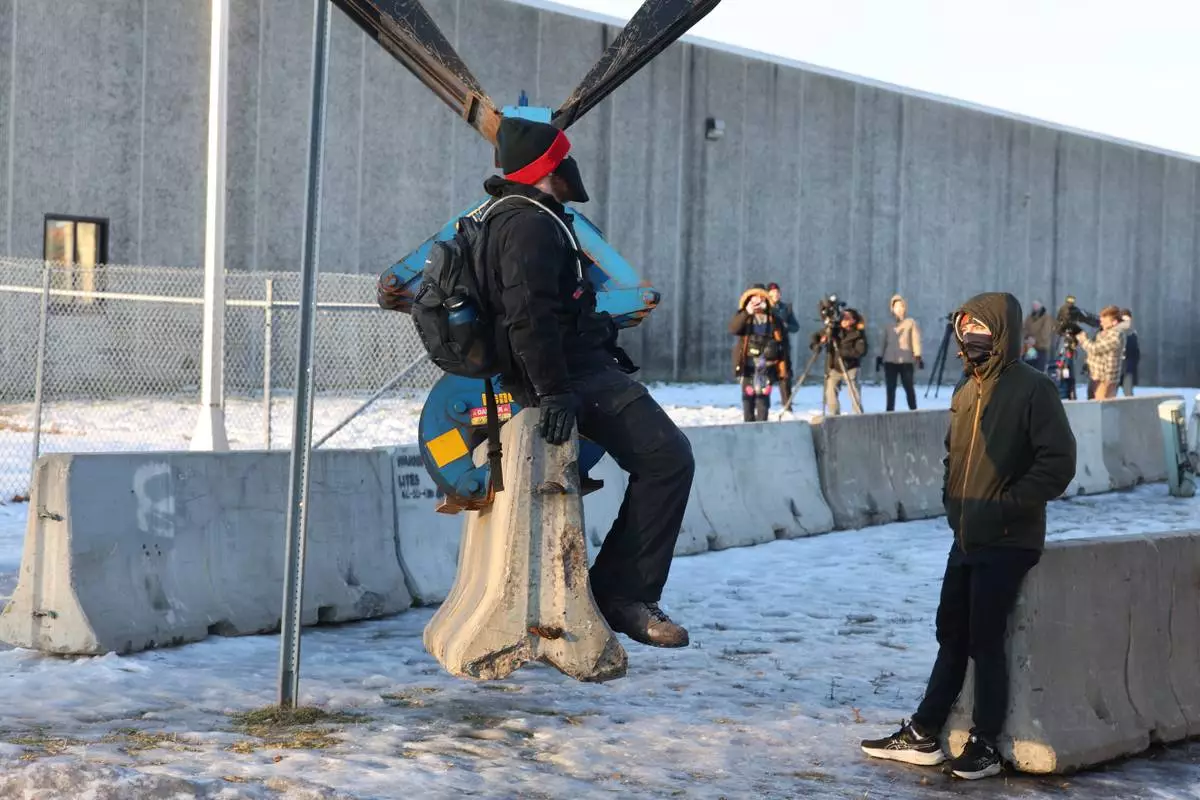
Protesters sit on a barrier that is being assembled outside the Bishop Henry Whipple Federal Building as protesters gather in Minneapolis, Friday, Jan. 9, 2026. (AP Photo/Adam Bettcher)
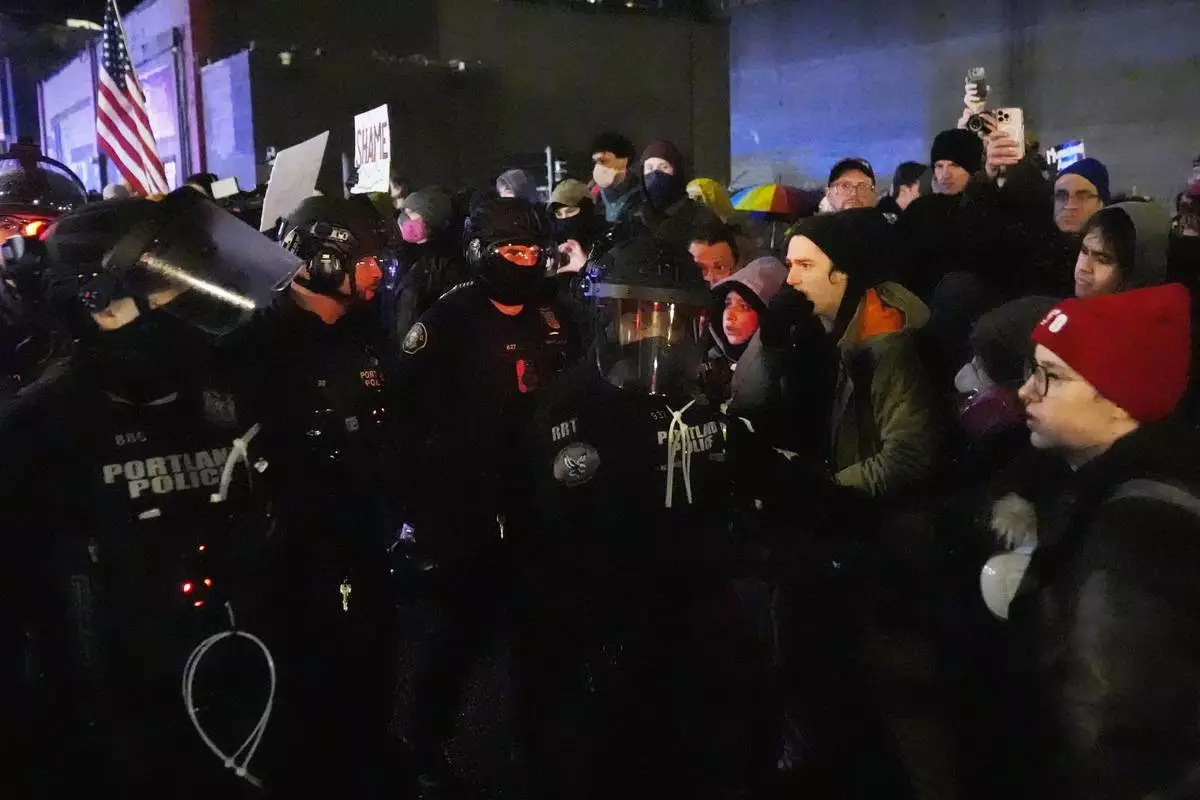
Protesters stand off against law enforcement outside the U.S. Immigration and Customs Enforcement facility in Portland, Ore., Thursday, Jan. 8, 2026. (AP Photo/Jenny Kane)
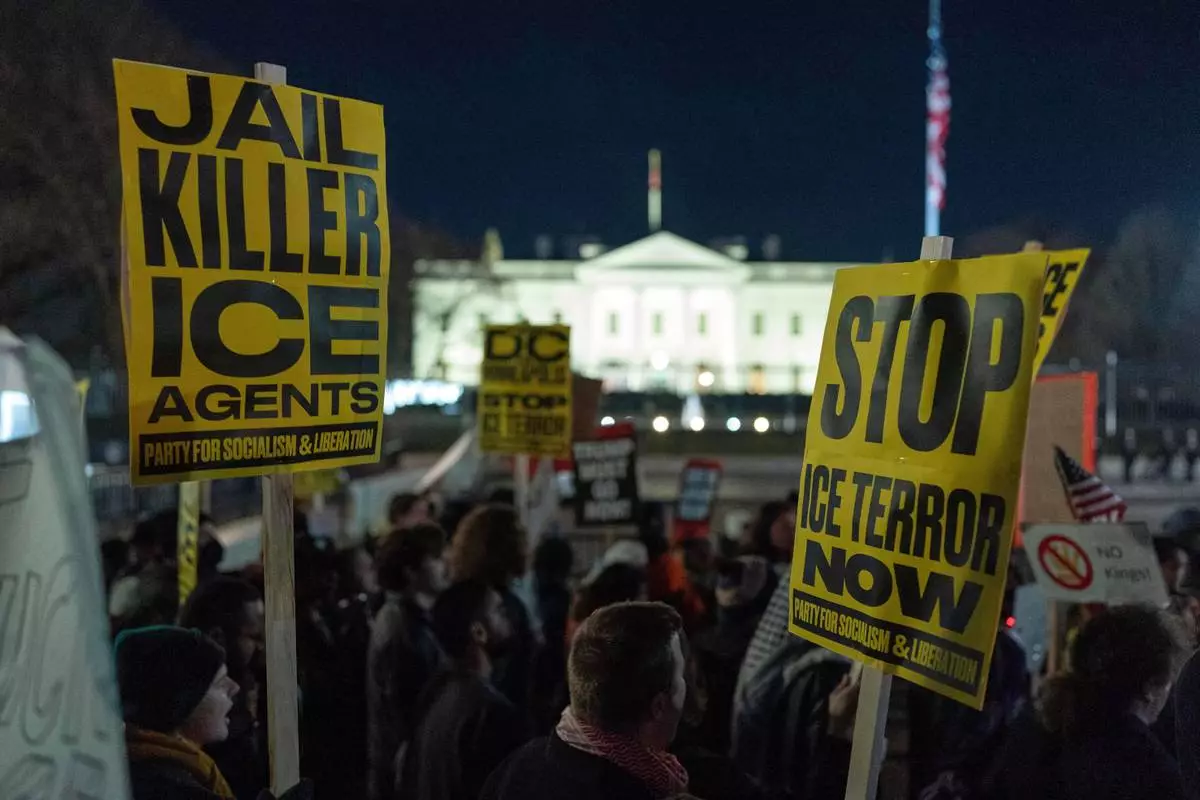
Demonstrators protest outside the White House in Washington, Thursday, Jan. 8, 2026, against the Immigration and Customs Enforcement (ICE) agent who fatally shot Renee Nicole Good in Minneapolis. (AP Photo/Jose Luis Magana)
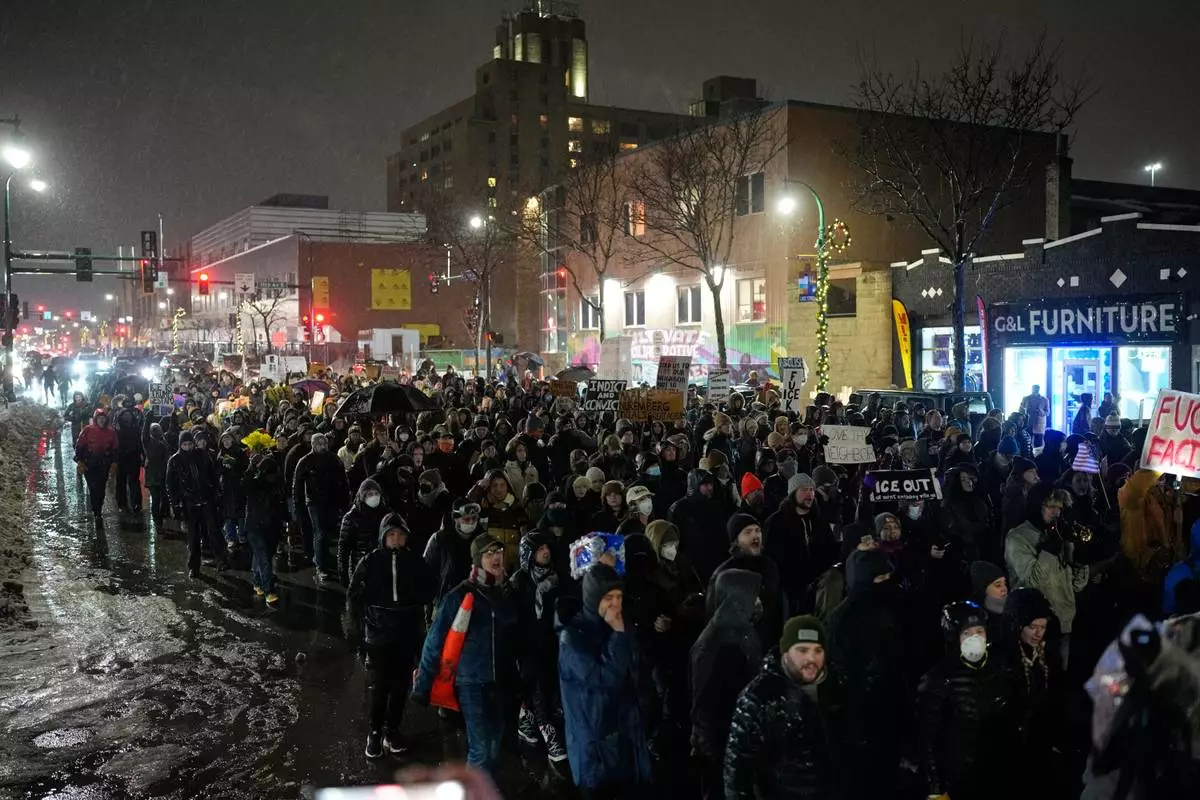
Protesters chant and march during a rally for Renee Good, who was fatally shot by an ICE officer the day before, Thursday, Jan. 8, 2026, in Minneapolis. (AP Photo/John Locher)
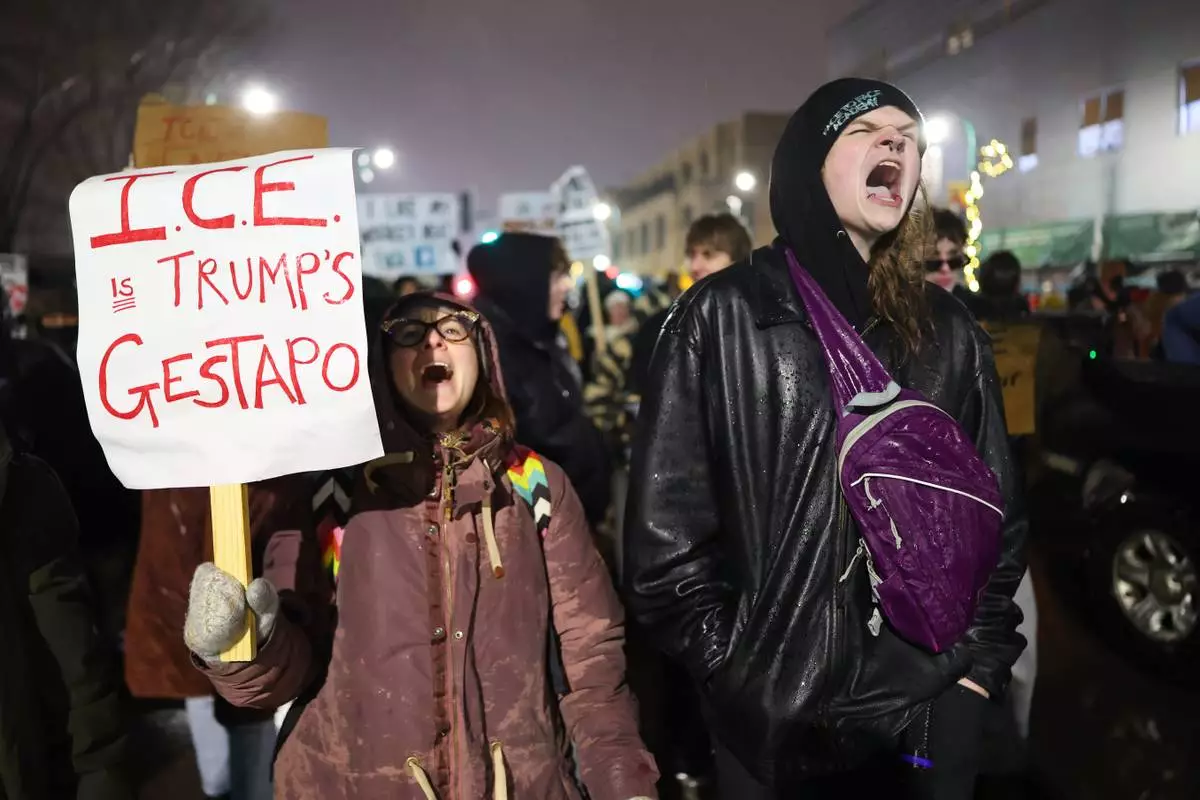
Protesters gather during a rally for Renee Good, Thursday, Jan. 8, 2026, in Minneapolis, after she was fatally shot by an ICE officer the day before. (AP Photo/Adam Bettcher)
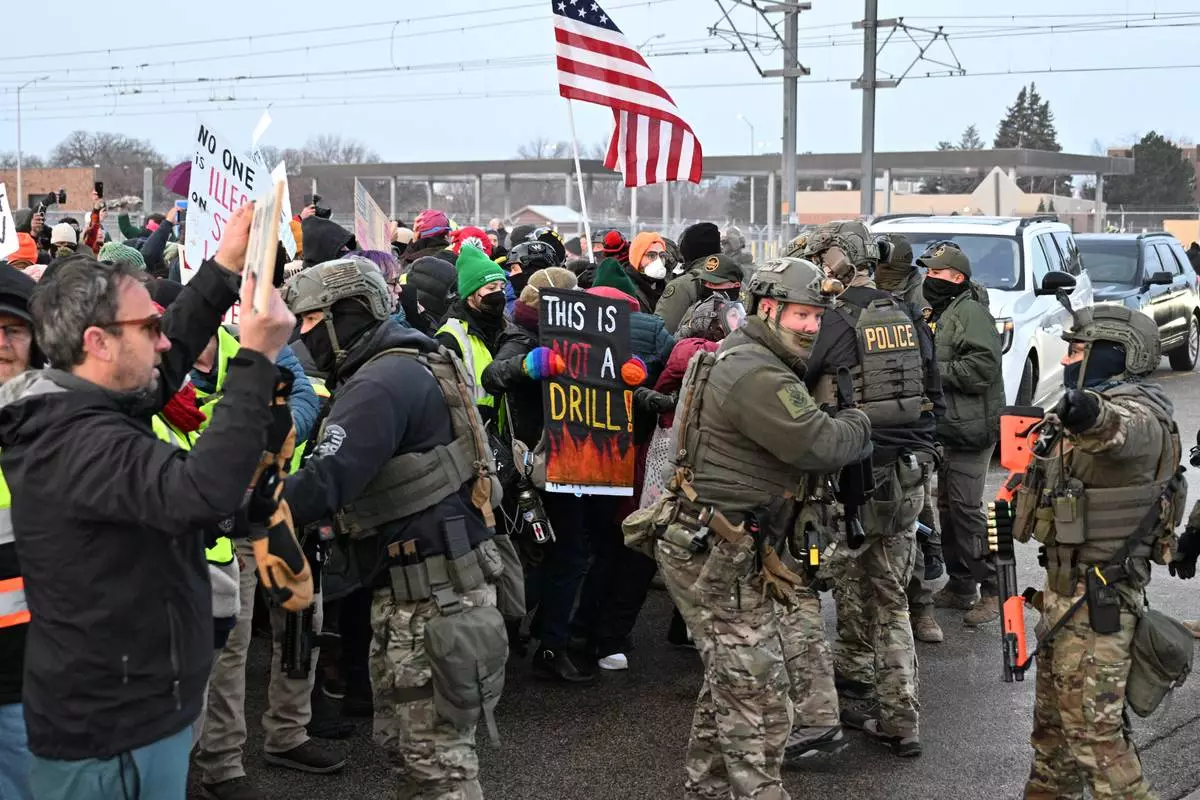
Protesters confront federal agents outside the Bishop Henry Whipple Federal Building, Thursday, Jan. 8, 2026, in Minneapolis, Minn. (AP Photo/Tom Baker)
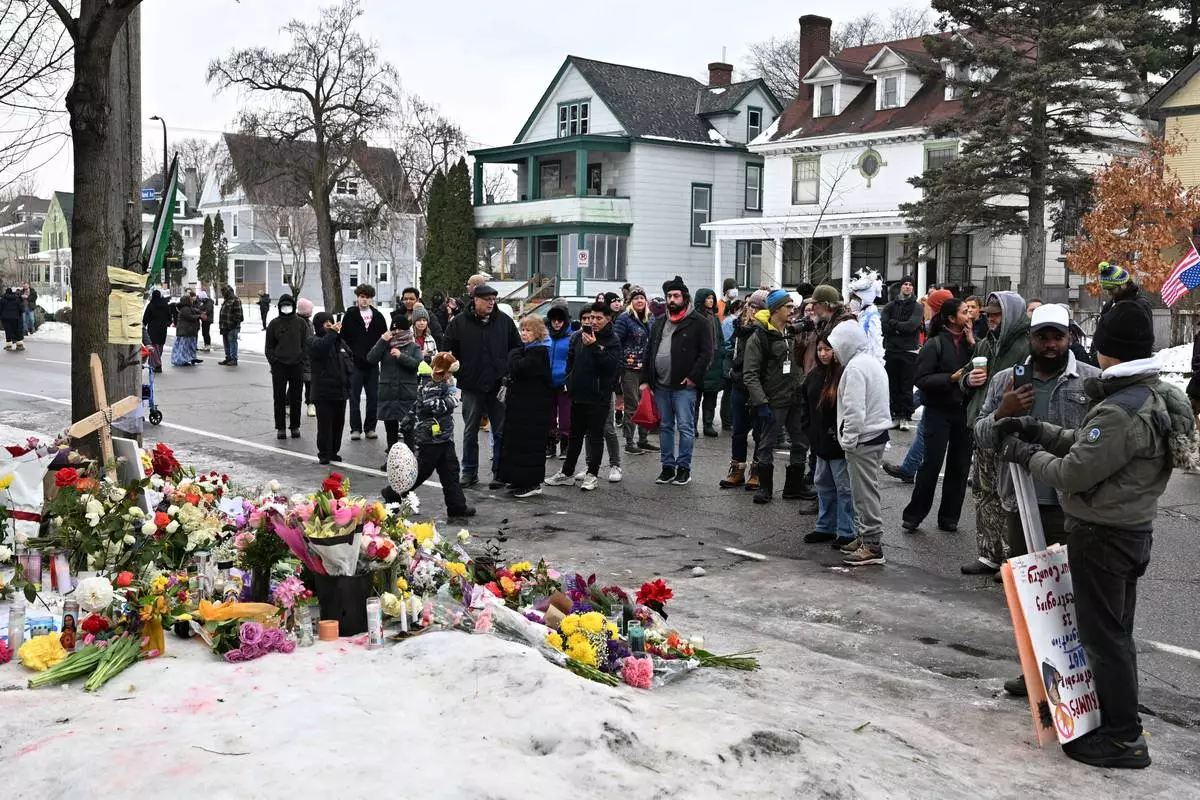
People gather around a makeshift memorial honoring the victim of a fatal shooting involving federal law enforcement agents, near the site of the shooting, Thursday, Jan. 8, 2026, in Minneapolis. (AP Photo/Tom Baker)
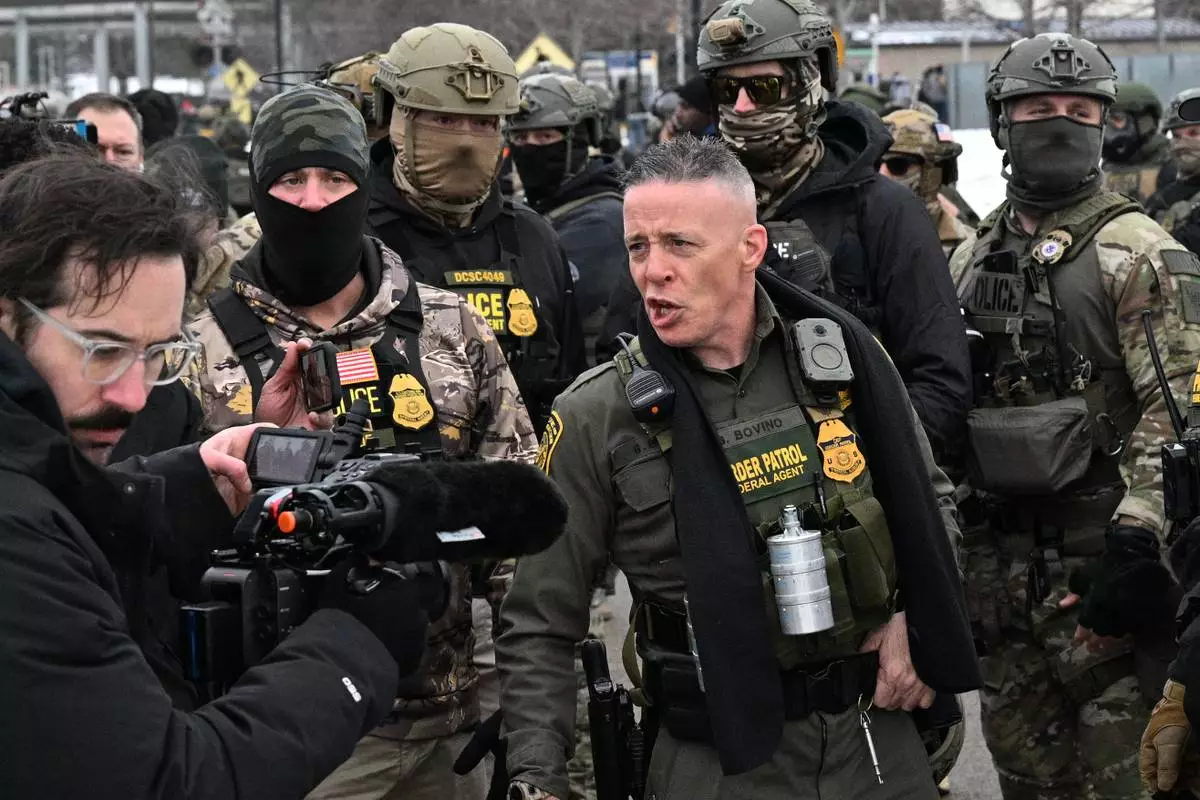
U.S. Border Patrol Cmdr. Gregory Bovino arrives as protesters gather outside the Bishop Henry Whipple Federal Building, Thursday, Jan. 8, 2026, in Minneapolis, Minn. (AP Photo/Tom Baker)
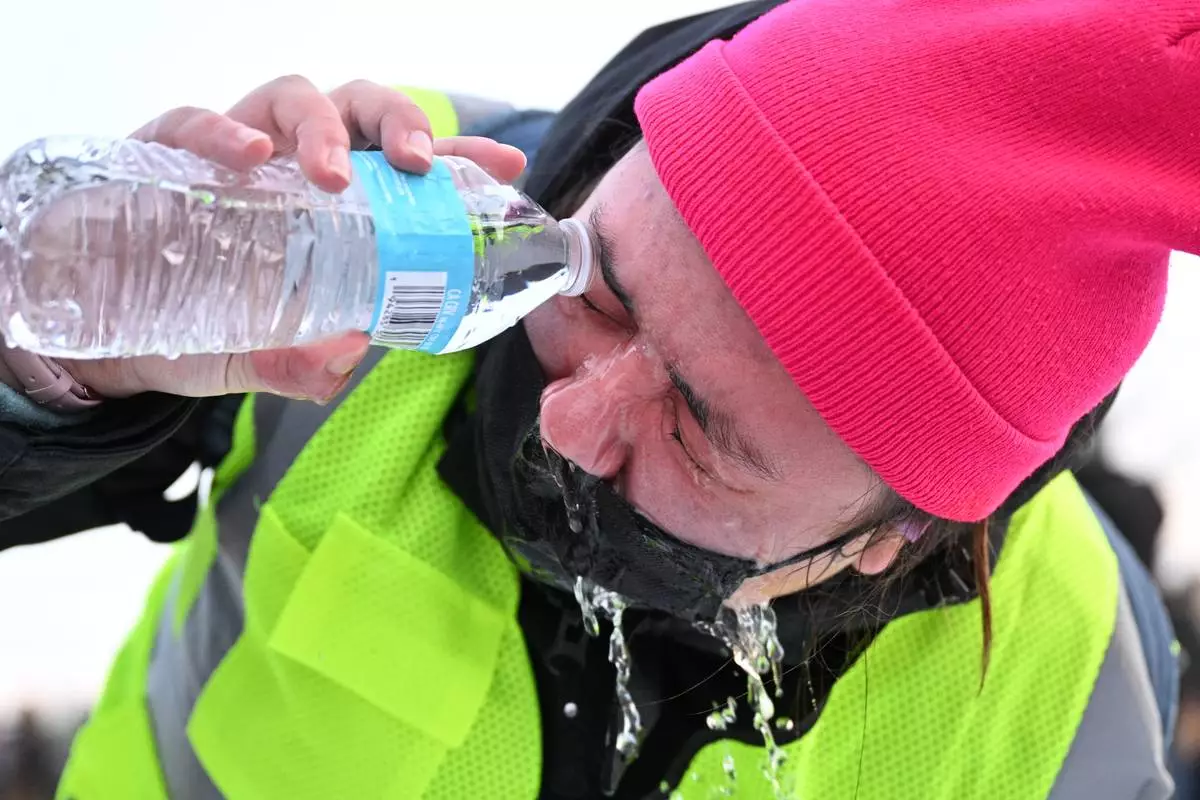
A protester pours water in their eye after confronting law enforcement outside the Bishop Henry Whipple Federal Building, Thursday, Jan. 8, 2026, in Minneapolis, Minn. (AP Photo/Tom Baker)
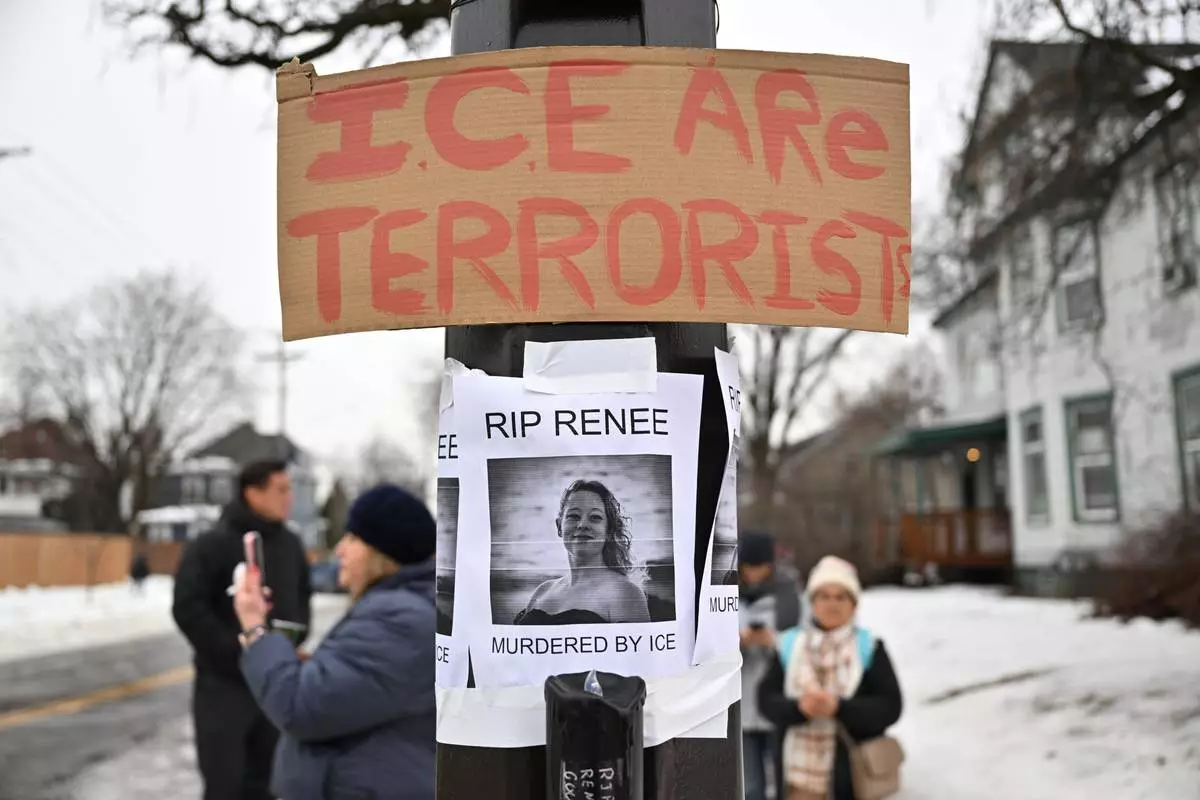
People gather around a makeshift memorial honoring the victim of a fatal shooting involving federal law enforcement agents, near the site of the shooting, Thursday, Jan. 8, 2026, in Minneapolis. (AP Photo/Tom Baker)