An official from the United Nations World Food Program (WFP) has warned that refugees in Kenya are facing heightened hunger risks as critical funding shortfalls force the agency to reduce food aid to its lowest levels.
The WFP urgently requires 44 million U.S. dollars to provide full rations and restore cash assistance for 720,000 refugees through August. Without additional funds, in-kind food rations are expected to be cut to just 28 percent of daily needs in June, and all cash assistance will be suspended.
The number of refugees and asylum seekers in Kenya has surged by more than 70 percent over the past five years, rising from around 500,000 to 843,000, as conflict and climate shocks continue to drive displacement from neighboring countries such as Somalia and South Sudan.
The UN agency said it had previously adjusted rations in line with funding constraints, with the latest reduction in February providing only 40 percent of the recommended 2,100 kcal per person per day.
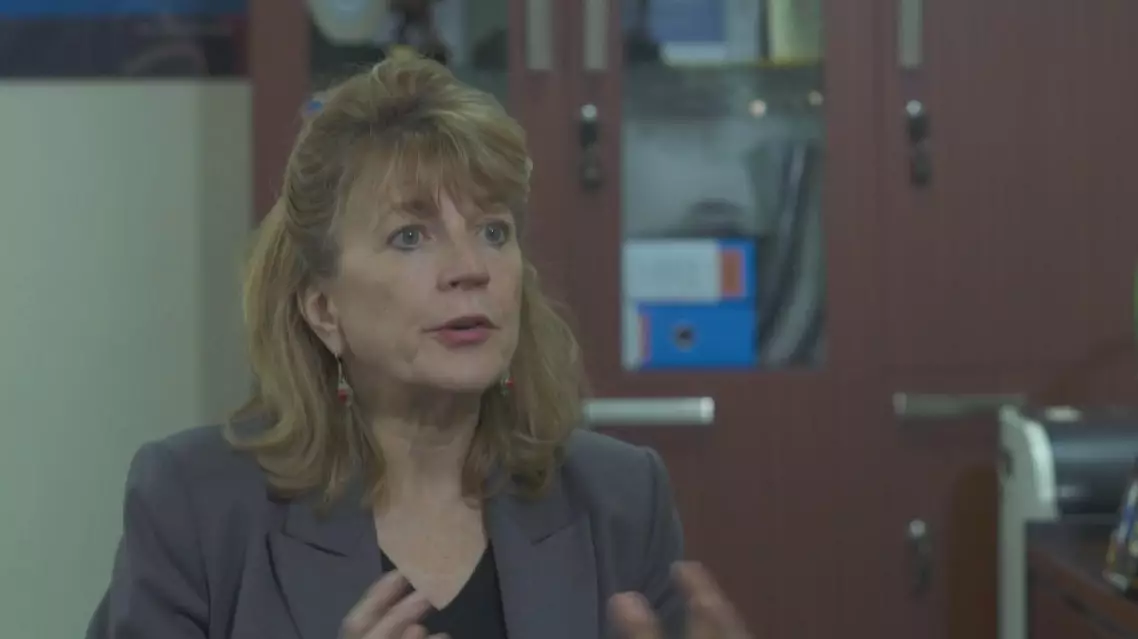
During an interview with China Global Television Network (CGTN), Lauren Landis, the WFP country director for Kenya, spoke on Kenya's dire situation.
"We haven't been able to offer a 100 percent of our food basket for a very long time -- many, many years. But in the past couple of years, we have had to move that food basket into 40 percent of a minimum recommended food basket. And now in June, for the first time, I think, in the history of both of the camps in Dadaab and Kakuma, we're going to have to go down to 28 percent of the recommended food basket. We have never been that low. So we can tell you what might be the impacts, but we have never seen the full impact. This is devastating," she said.
The situation has been made even worse with the significant reduction of funds allocated to the United States International Development Agency (USAID) by the President Donald Trump. In Kenya, USAID has actively supported a range of projects in agriculture, health, water and sanitation.
Washington's decision to slash development aid to poor countries is expected to have a severe impact on Kenya, said Landis.
"But we have seen over time a reduction in donor interest. The real crisis this year was a severe reduction in the food aid of USAID. And we all know that story of the United States, and they were the largest donor -- up to 70 percent of that food basket came from the United States. So, this has had a severe impact. And then, several other donors followed suit. And we already have severe cases of malnutrition in Kakuma, but the number of those cases will increase incredibly," she said.
The country director urged for immediate resources to be directed to the regions in urgent need and appealed to more donors for generous support.
"It's not only just an African problem; it's a global problem. And right now, I don't see a clear solution. But what I do know is if countries start to put forward resources like the ones we've had traditionally in Kakuma and Dadaab, normally it takes six months for them to reach us. So, we would have to be signing contracts today with whatever donor for it to then, if they're doing food aid, to be shipped to Mombasa and then carried up to the camps," she said.
Landis also expressed pessimism about the future, warning that a prolonged food shortage could exacerbate local public security issues.
"Now one other thing that can help us and we can move much faster is if we receive cash assistance. It allows us to put money directly to people's phones very, very quickly. But we still need a cash resource in order to do that. And right now, we don't see those resources in the pipeline. So, I'm not quite sure. I'm not optimistic for the future. We can, kind of, as you do at home when you're short on budget and short on food in the cupboard, you can extend it and stretch it as much as possible," she said.
But at some point, the most vulnerable population will no longer have food in kind or food in cash. It can mean theft of commodities. It can mean conflict. So, what we really need to do is think about the wider ramifications and see from many different angles what we can do to mitigate them, not only as a country, but as a continent," she added.
Refugees in Kenya face deepening food crisis amid funding shortfall: WFP official
Refugees in Kenya face deepening food crisis amid funding shortfall: WFP official