If McDonald’s ever doubted it needed to bring back the Snack Wrap, consider this: Nine years after the fast-food powerhouse discontinued the item in the U.S., customers have continued to order it at drive-thrus.
Those customers won't have to leave empty-handed for long. On Tuesday, McDonald's announced that a new version of the Snack Wrap will go on sale July 10.
Click to Gallery
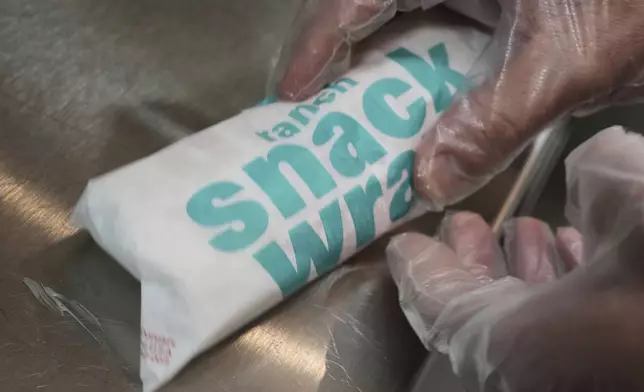
Wayne Kuhl, a McDonald's chef, wraps a snack wrap at McDonald's Headquarter in Chicago, Thursday, May 29, 2025. (AP Photo/Nam Y. Huh)
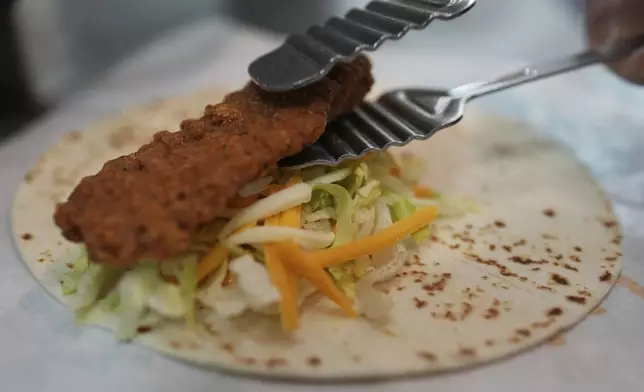
Charles L. Krumsiek, a McDonald's chef, puts a chicken on a tortilla to make a snack wrap at McDonald's Headquarter in Chicago, Thursday, May 29, 2025. (AP Photo/Nam Y. Huh)
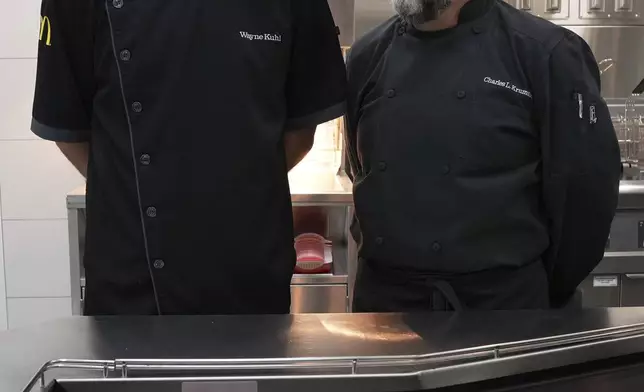
Wayne Kuhl, left, and Charles L. Krumsieka, McDonald's chefs look at each other after made snack wraps at McDonald's Headquarter in Chicago, Thursday, May 29, 2025. (AP Photo/Nam Y. Huh)
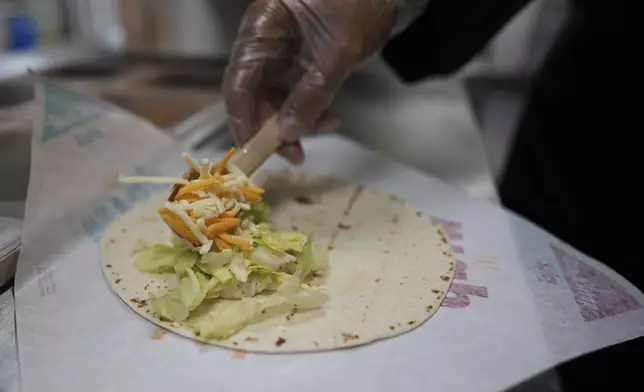
Charles L. Krumsiek, a McDonald's chef, puts cheese on a tortilla to make a snack wrap at McDonald's Headquarter in Chicago, Thursday, May 29, 2025. (AP Photo/Nam Y. Huh)
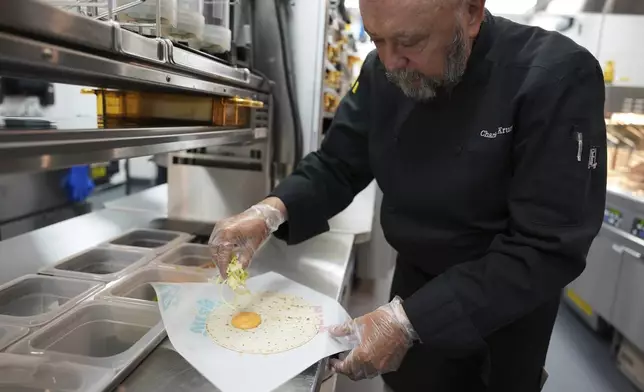
Charles L. Krumsiek, a McDonald's chef, makes a snack wrap (ranch) at McDonald's Headquarter in Chicago, Thursday, May 29, 2025. (AP Photo/Nam Y. Huh)
McDonald's invented the Snack Wrap — a tortilla full of chicken, lettuce, shredded cheese and sauce — almost two decades ago to make it easier to eat its chicken on the go. But it was too complicated for its kitchens to prepare, so the burger giant abandoned the Snack Wrap in the U.S. in 2016.
The decision devastated fans like Alicia Force, a musician and administrative assistant at a high school in Missouri. Force tried to make Snack Wraps at home and sampled alternatives from Arby’s and other restaurants, but nothing was the same. So she started a Facebook group with 86 members urging McDonald's to resurrect the Snack Wrap.
Other loyal noshers weighed in too. A Change.org petition asking McDonald’s to bring back the Snack Wrap has nearly 19,000 signatures. A TikTok video showing a U.S. food reviewer eating Snack Wraps in Ireland — where they're still sold — racked up more than 1.4 million views.
It had an impact. McDonald's began teasing a Snack Wrap reappearance earlier this year.
“We listen to our fans, and the Snack Wrap’s return is a testament to that,” McDonald’s U.S. President Joe Erlinger told The Associated Press.
But McDonald's has other reasons for the reboot. The Snack Wrap's lower price point could lure back inflation-weary customers, who have been eating fewer fast-food meals in recent months. The wraps' smaller size and tortilla casing also appeal to the health-conscious.
Steve Davis, a mental health counselor in Fort Lauderdale, Florida, used to buy six grilled chicken Snack Wraps at a time and keep them in his fridge as a grab-and-go snack.
“I’m not actually a fast-food fan, but Snack Wraps felt different, like I was eating an actual ‘wrap.’ I felt like I was being healthier," Davis said.
Snack Wraps will also help McDonald’s compete with a growing number of rivals. Popeyes Louisiana Kitchen introduced its own chicken wraps on Monday, while Burger King and Wendy’s have sold them since 2023. Even the convenience store chain Wawa sells a chicken wrap.
“There’s so much opportunity in the chicken category,” Erlinger said. Fast-food chicken sales are nearly twice the size of beef and are growing more quickly across the globe, Erlinger said.
Reviving the Snack Wrap was a years-long process, Erlinger said. First, McDonald's wanted to develop a better fried chicken strip. After several years of testing, the Chicago-based company debuted its peppery McCrispy Strips in early May.
McDonald’s also had to update its Snack Wrap tools, simplify the preparation process and train workers at its 13,500 U.S. restaurants, Erlinger said.
“With this being one of our most highly anticipated menu items, we knew we had one chance to knock it out of the park. It had to be easy for crew to execute,” Erlinger said.
For the U.S. comeback, McDonald’s is offering fewer kinds of Snack Wraps to ensure faster service. It used to have both grilled and fried chicken options, but it’s only offering fried chicken in the U.S. for now. And the relaunched Snack Wraps will only come in two flavors: Ranch or Spicy. The company used to offer additional sauces like honey mustard and sweet chili.
That could disappoint some fans. Force was partial to a Snack Wrap with honey mustard sauce, for example. Davis always got grilled chicken on his Snack Wraps, and he rarely went to McDonald's after they disappeared.
McDonald's continues to have a wider range of options in some other markets where Snack Wraps never went away. Canada still offers grilled or fried chicken in its Snack Wraps, for example, as well as chicken, fish and breakfast versions of full-sized wraps. McDonald's wouldn't say if it plans to add more Snack Wrap varieties in the U.S.
"We’ll continue listening to our fans when it comes to menu innovations," the company said.
Snack Wraps are returning at a sluggish period for fast-food restaurants. From January through April, U.S. fast-food traffic was down 1% compared to the same period a year ago, said David Portalatin, a senior vice president and industry advisor for food service at market research firm Circana.
McDonald’s same-store sales – or sales at locations open at least a year – were down 3.6% in the first quarter of the year compared to the same period last year. Its same-store sales grew less than 1% in 2024.
Inflation is the main culprit, Portalatin said. In the first quarter of this year, the average check at a U.S. fast-food restaurant was up 41% from the same period in 2019, he said. The higher prices have led many Americans – especially middle- to lower-income families – to eat at home instead of going out.
McDonald’s has tried to counter that with a limited McValue menu and increased deals. But less expensive options like a Snack Wrap may also help.
The company won’t say how much the Snack Wrap will cost in the U.S. because prices will vary by location. But Burger King's prices may give a clue. At a Michigan restaurant this week, Burger King charged $2.99 for its Royal Crispy Wrap, the 310-calorie equivalent of a Snack Wrap. Burger King's Royal Crispy Chicken sandwich, with a bun, a larger chicken breast and nearly twice the calories, cost $5.49.
Portalatin said snack-sized options from McDonald’s and others also reflect Americans’ changing dining habits. More people are choosing to eat smaller meals throughout the day instead of having having breakfast, lunch and dinner at their traditional times.
“The consumer doesn’t think about things in the neat buckets that we as marketers like to think about them," Portalatin said. "We like to say, ‘This occasion is lunch and these are lunch foods.’ The consumer simply says, ‘I’m hungry. What time is it? Where am I?’”
That was certainly true for Force, who said she has fond memories of picking up a Snack Wrap after school as a teenager. She's looking forward to making that part of her routine once more.
“Hopefully, they come back and they taste the same, and they don’t break my heart again, quite frankly,” she said.
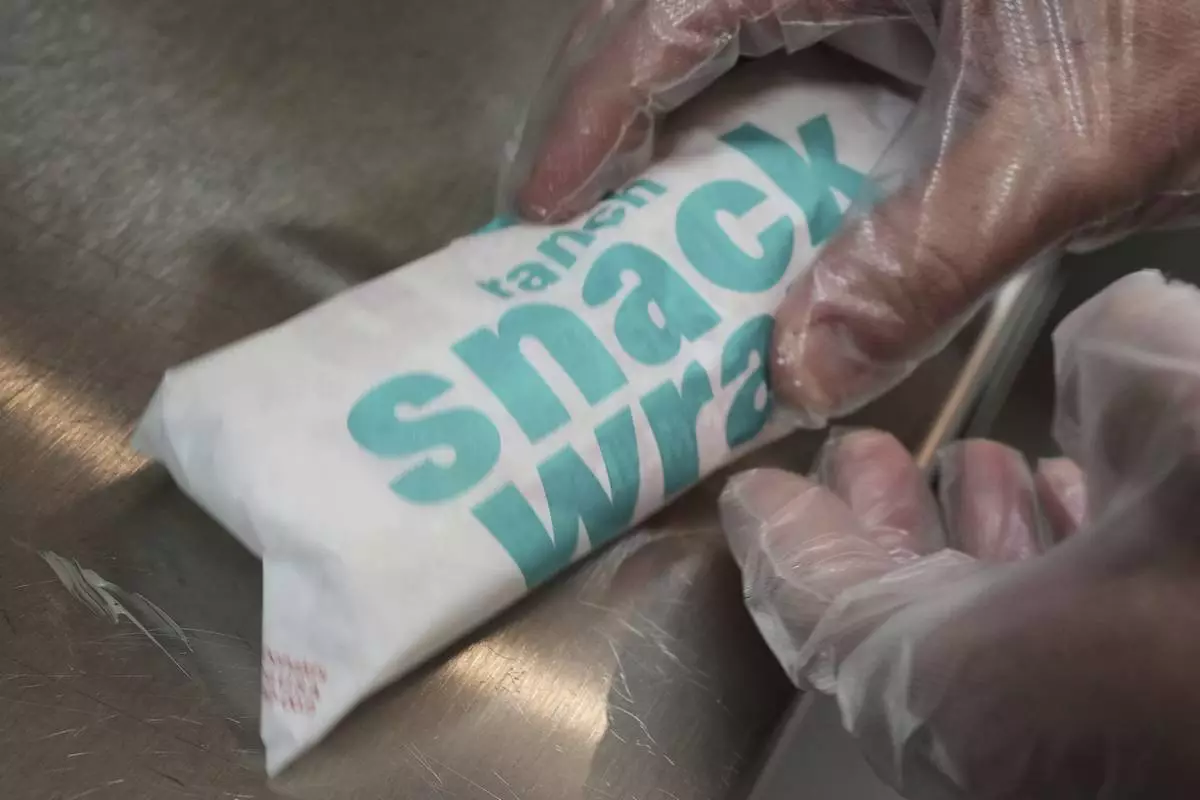
Wayne Kuhl, a McDonald's chef, wraps a snack wrap at McDonald's Headquarter in Chicago, Thursday, May 29, 2025. (AP Photo/Nam Y. Huh)

Charles L. Krumsiek, a McDonald's chef, puts a chicken on a tortilla to make a snack wrap at McDonald's Headquarter in Chicago, Thursday, May 29, 2025. (AP Photo/Nam Y. Huh)
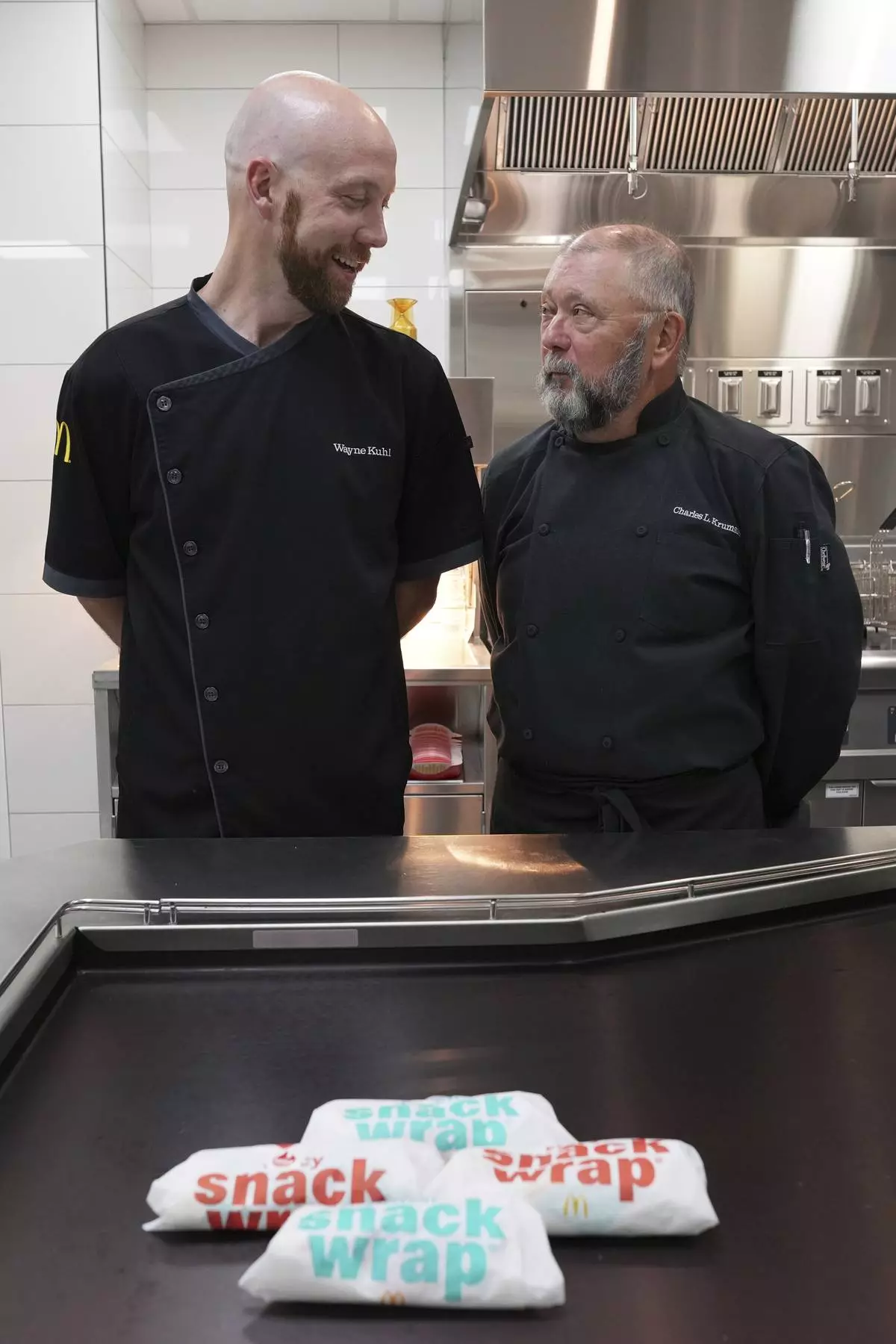
Wayne Kuhl, left, and Charles L. Krumsieka, McDonald's chefs look at each other after made snack wraps at McDonald's Headquarter in Chicago, Thursday, May 29, 2025. (AP Photo/Nam Y. Huh)
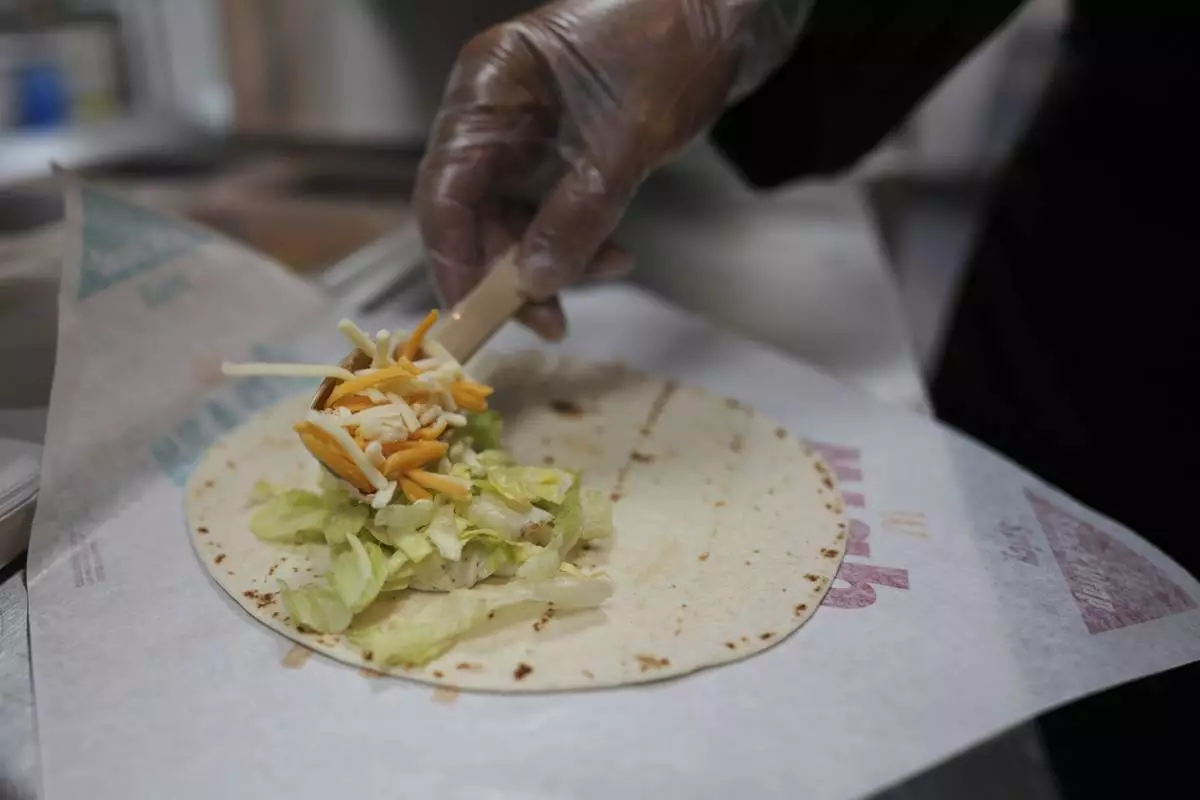
Charles L. Krumsiek, a McDonald's chef, puts cheese on a tortilla to make a snack wrap at McDonald's Headquarter in Chicago, Thursday, May 29, 2025. (AP Photo/Nam Y. Huh)
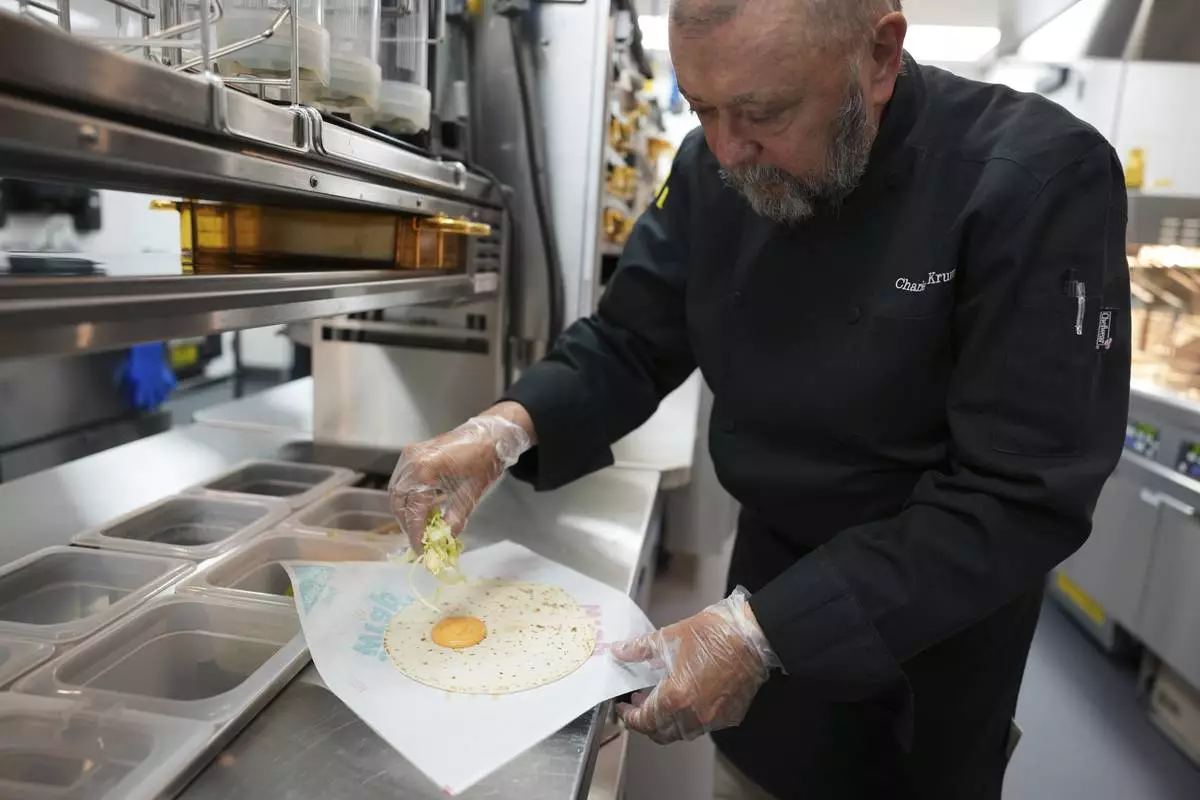
Charles L. Krumsiek, a McDonald's chef, makes a snack wrap (ranch) at McDonald's Headquarter in Chicago, Thursday, May 29, 2025. (AP Photo/Nam Y. Huh)