An international research team led by the Yunnan Observatories of the Chinese Academy of Sciences has achieved a breakthrough with the discovery of a potentially habitable super-Earth orbiting a Sun-like fixed star.
The planet, Kepler-725c, lies in the habitable zone of the Sun-like fixed star, Kepler-725, and has a mass approximately ten times that of the Earth.
While the host star shares a similar spectral type with the Sun, it is significantly younger -- only 1.6 billion years old.
The location of Kepler-725c in the host star's habitable zone means the conditions may allow for the presence of liquid water, which is considered a key prerequisite for the emergence of Earth-like life.
According to Gu Shenghong, a research at the Yunnan Observatories and the team leader, the newly discovered planet and its host star are located in a place about 2,472 light-years away from the solar system. It completes an orbit around its host star in approximately 207.5 days, which is relatively close to the Earth's orbital period.
"The planet is located in the habitable zone of a Sun-like fixed star, suggesting the possibility of carbon-based life similar to that on the Earth. It means that the planet could be habitable and have life on it. As to how far it is from our planet, it is situated at a distance nearly equivalent to 160 million times the distance from the Earth to the Sun," Gu told China Central Television (CCTV) in an interview.
The team made the discovery by using the Transit Timing Variation (TTV) technique for the first time globally.
"With the launch of more space telescopes in the future, we can rely on data collected by these telescopes and other data we've accumulated in our previous research to make a true discovery of an Earth-like planet in the habitable zone of a solar-type fixed star," he said.
The research is jointly conducted by the Yunnan Observatories of the Chinese Academy of Sciences, Xi'an Jiaotong-Liverpool University, Nanjing Institute of Astronomical Optics and Technology of the Chinese Academy of Sciences, and Hamburg Observatory. It was published on Tuesday in the prestigious international journal Nature Astronomy.
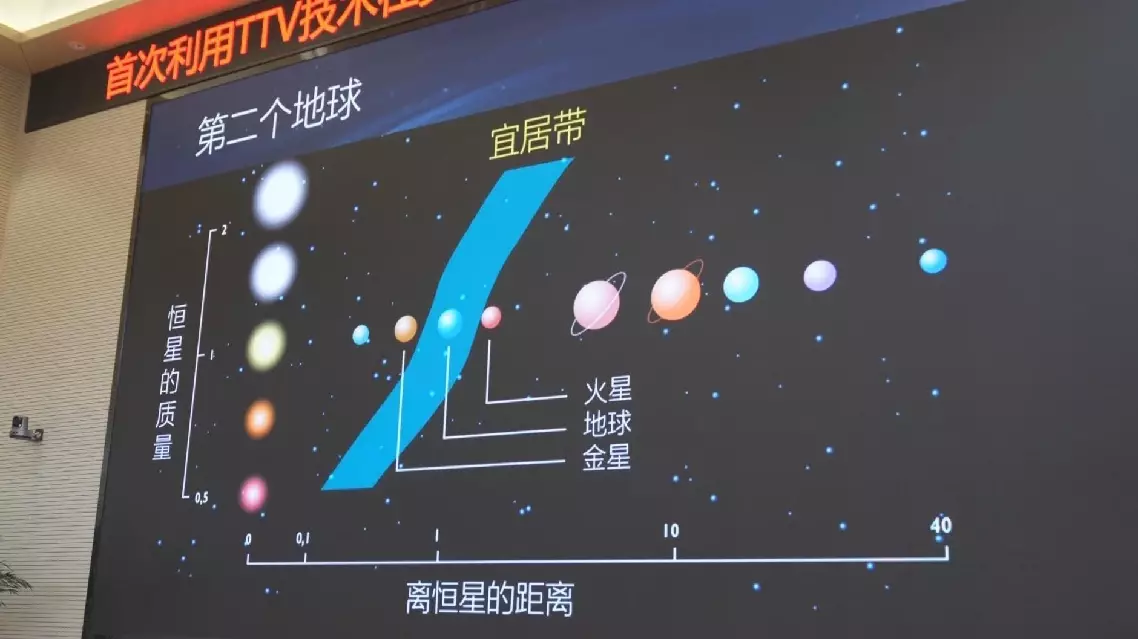
Chinese-led international research team discovers super-Earth planet in Sun-like star's habitable zone
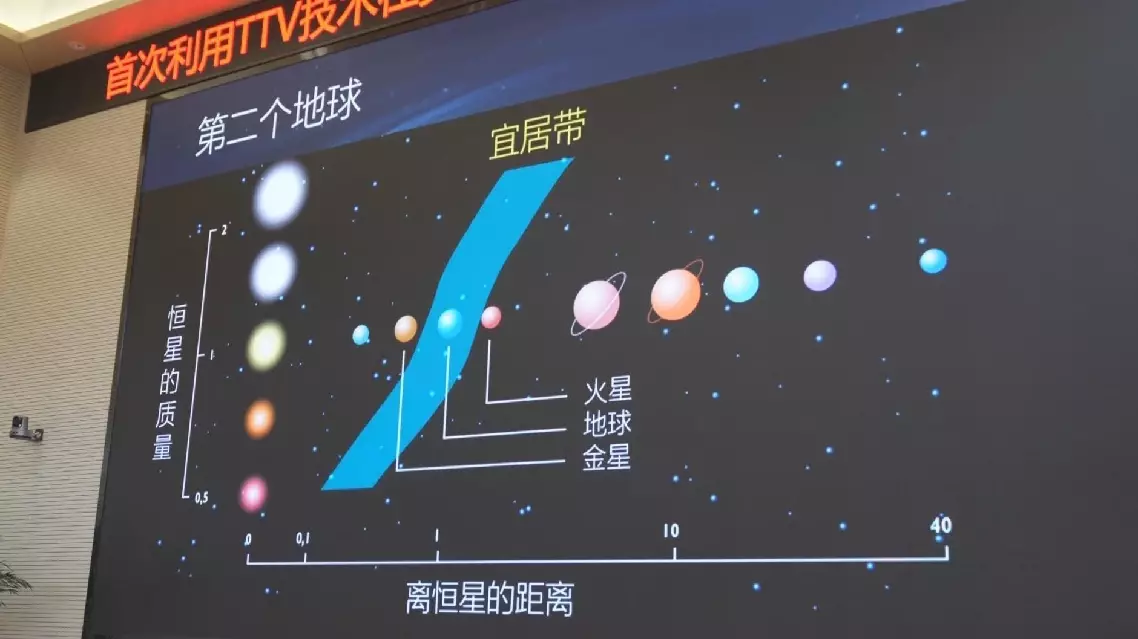
Chinese-led international research team discovers super-Earth planet in Sun-like star's habitable zone
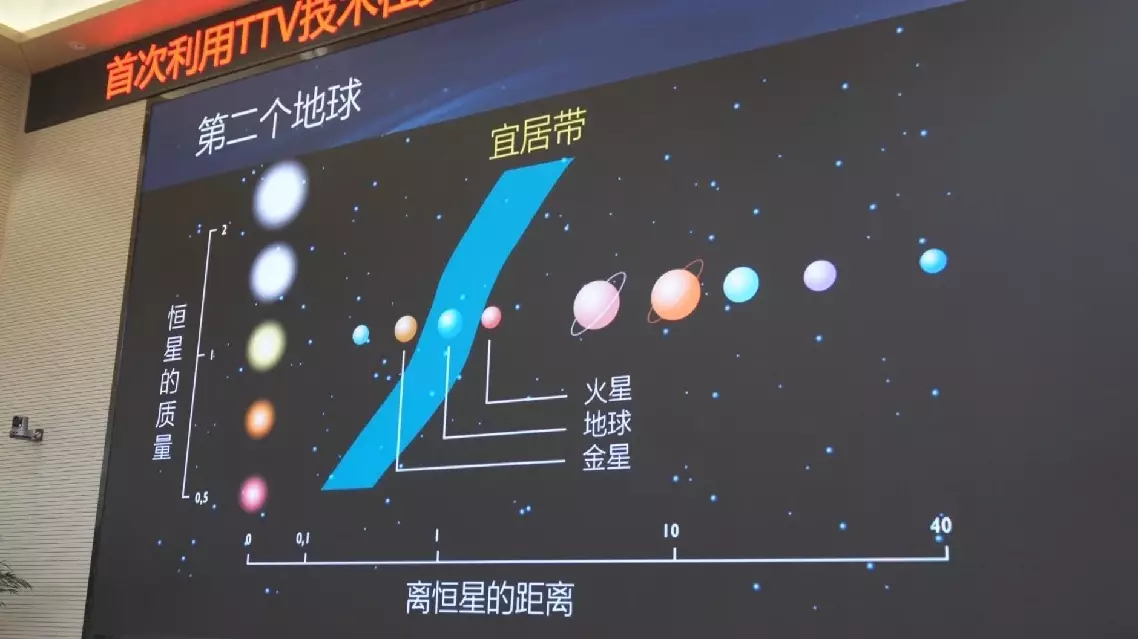
Chinese-led international research team discovers super-Earth planet in Sun-like star's habitable zone