The Austrian village of Reisenberg is installing a chemical-free natural filtration plant aimed at transforming water from a previously unsuitable source into fresh drinking water, as part of efforts to tackle the dwindling water supply.
As the world celebrates World Environment Day this Thursday, countries across Europe are racing to secure their drinking water supply.
"Our summers get hotter and drier and so we have to use every resource, every drinking water resource for our consumers," said Forian Zach, spokesperson of EVN Group, a leading group of companies in Europe operating in the field of energy services and environmental solutions.
While local projects like this can help ensure a sufficient drinking water supply, they do not address the root of the problem. In Europe, high population density and the over-extraction of natural water sources have led to shortages, which the European Environment Agency says affect around a third of the EU.
For the past 25 years, the EU has regulated its freshwater via the Water Framework Directive, but member states have failed to comply with the framework. Only about a quarter of EU surface water bodies reach required purity levels.
"The big step is upcoming, the Water Framework Directive officially ends by 2027. And as the targets are not fulfilled to this date, it will be interesting how this will be managed in the future," said Florian Borgwardt, associate professor of Aquatic Ecosystem Management at BOKU University in Vienna.
As long as EU targets remain unenforced, it often falls to local initiatives to secure adequate drinking water, an increasingly challenging task in the face of rising temperatures and melting glaciers.
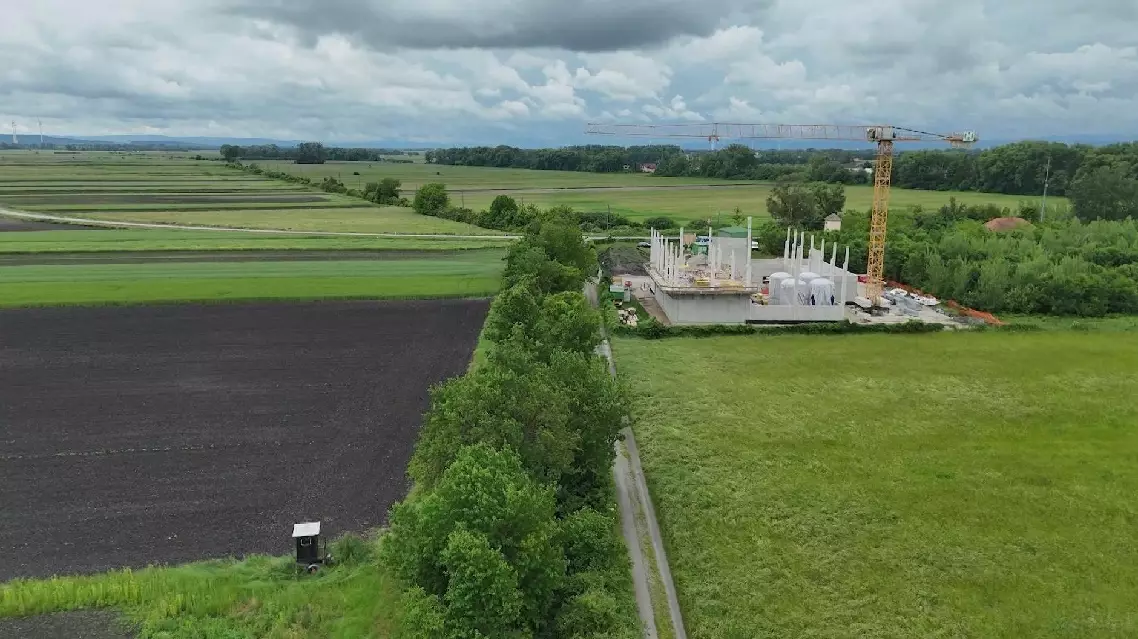
Austrian village uses chemical-free filtration to address water shortage
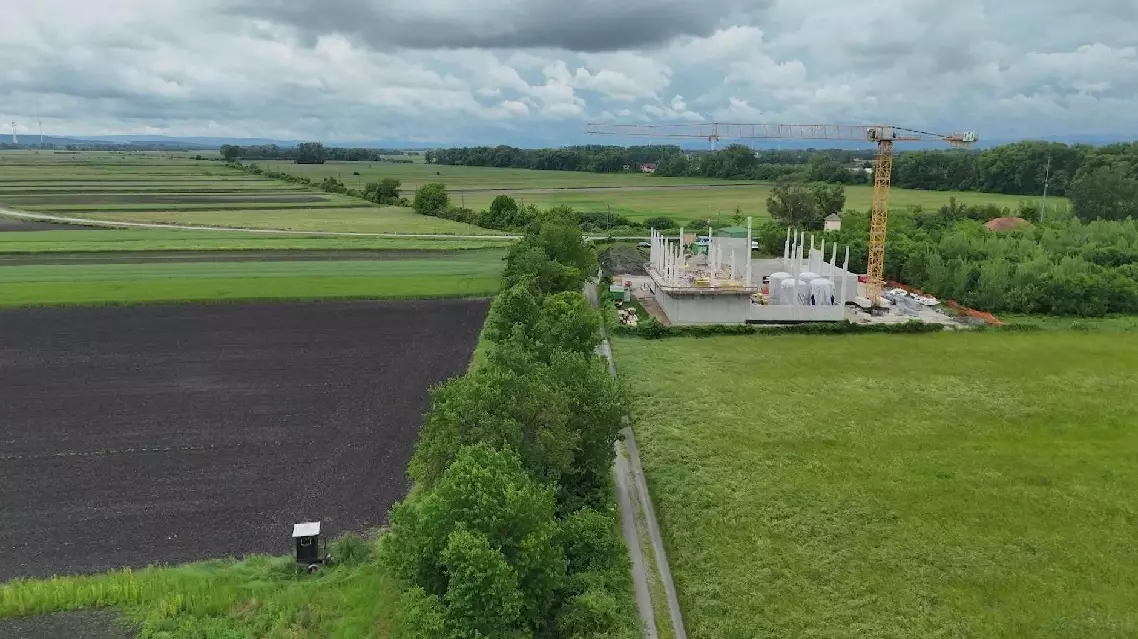
Austrian village uses chemical-free filtration to address water shortage