Skip to Content Facebook Feature Image

Governments denounce Trump's travel ban and vow to push back against US

News

Governments denounce Trump's travel ban and vow to push back against US
News

News

Governments denounce Trump's travel ban and vow to push back against US

2025-06-06 05:25 Last Updated At:05:30

WASHINGTON (AP) — Officials in some of the 12 countries whose citizens will be soon banned from visiting the United States denounced President Donald Trump’s move to resurrect a hallmark policy of his first term and vowed Thursday to push back against the U.S.

The ban, which was announced Wednesday, takes effect at 12:01 a.m. Monday, a cushion that may avoid the chaos that unfolded at airports nationwide when a similar measure took effect with virtually no notice in 2017. Trump, who signaled plans for a new ban upon taking office again in January, appears to be on firmer ground this time after the Supreme Court sided with him.

More Images
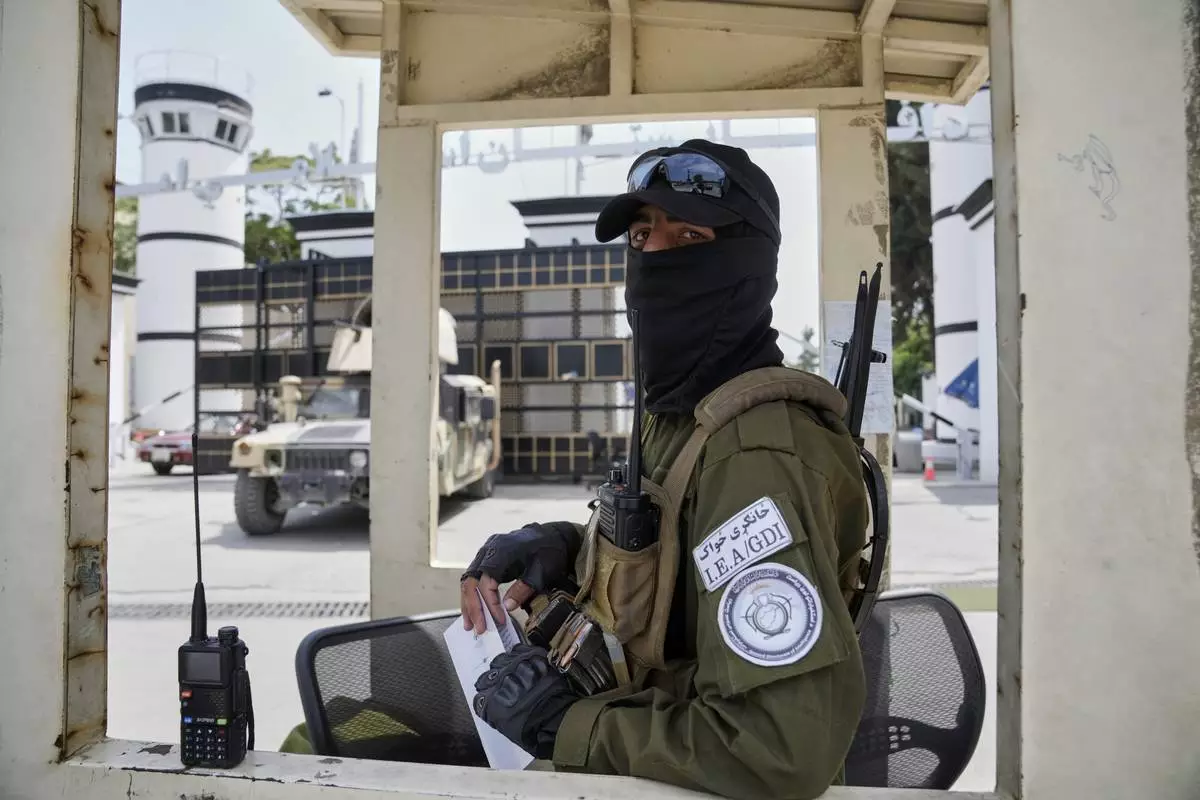
A Taliban fighter stands guard in front of the former US embassy in Kabul, Afghanistan, Thursday, June 5, 2025. (AP Photo/Ebrahim Noroozi)
A Taliban fighter stands guard in front of the former US embassy in Kabul, Afghanistan, Thursday, June 5, 2025. (AP Photo/Ebrahim Noroozi)

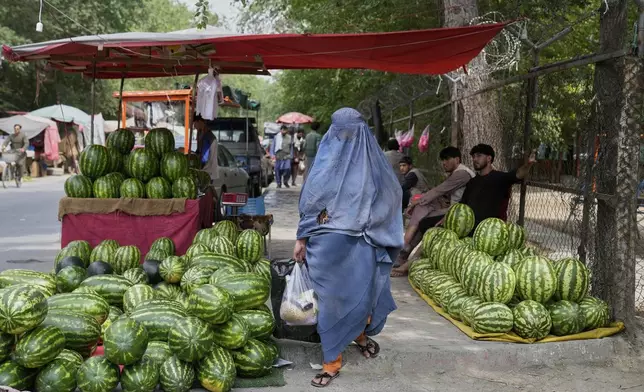
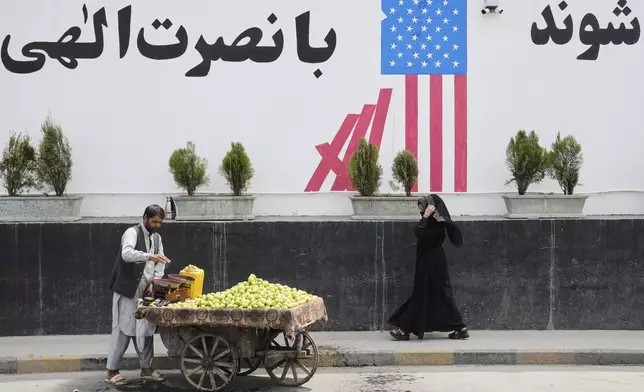
A woman shops in a market in Kabul, Afghanistan, Thursday, June 5, 2025. (AP Photo/Ebrahim Noroozi)
A woman shops in a market in Kabul, Afghanistan, Thursday, June 5, 2025. (AP Photo/Ebrahim Noroozi)

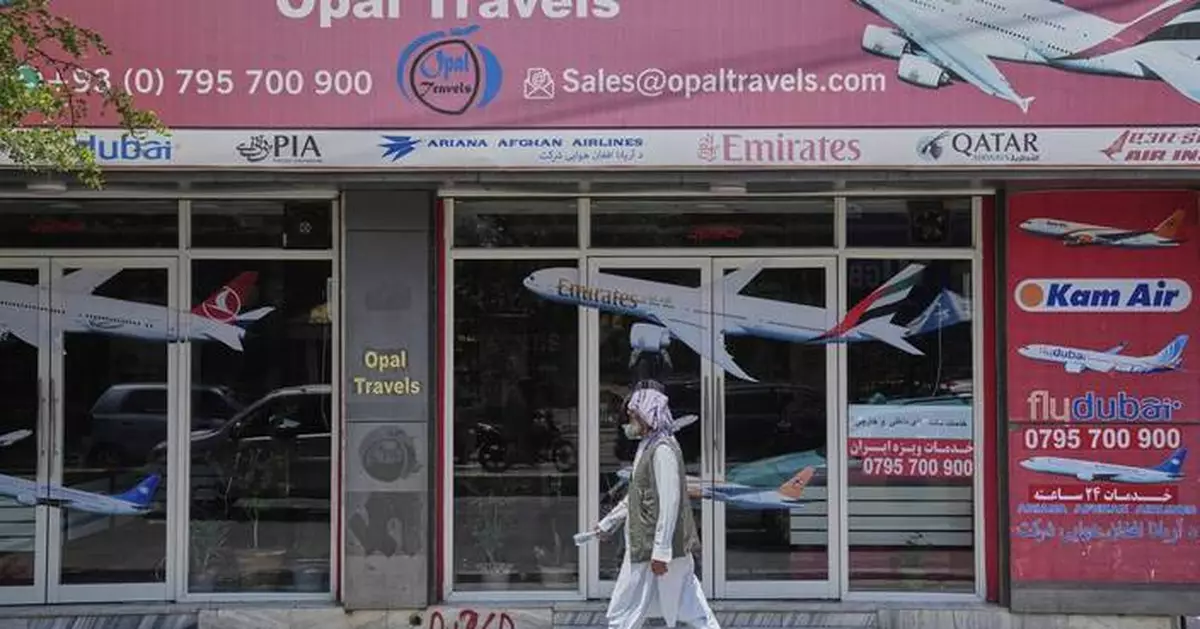
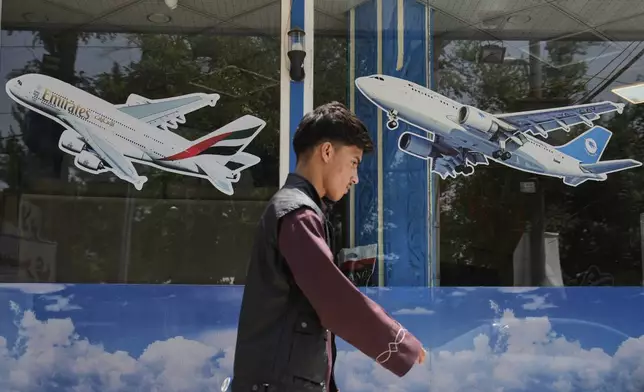
An Afghan man passes in front of an air travel agency in Kabul, Afghanistan, Thursday, June 5, 2025. (AP Photo/Ebrahim Noroozi)
An Afghan man passes in front of an air travel agency in Kabul, Afghanistan, Thursday, June 5, 2025. (AP Photo/Ebrahim Noroozi)

A vendor waits for customers in front of the former US embassy in Kabul, Afghanistan, Thursday, June 5, 2025. (AP Photo/Ebrahim Noroozi)
A vendor waits for customers in front of the former US embassy in Kabul, Afghanistan, Thursday, June 5, 2025. (AP Photo/Ebrahim Noroozi)

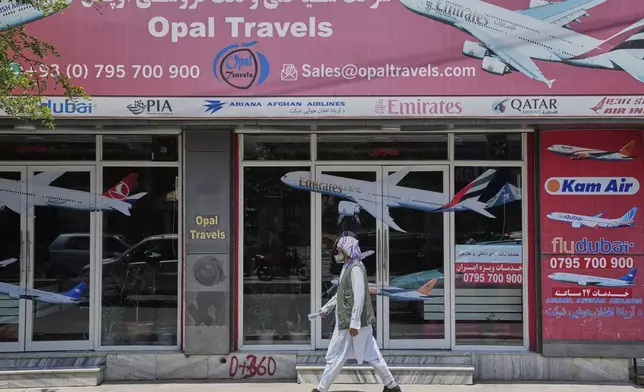
An Afghan person passes in front of an air travel agency in Kabul, Afghanistan, Thursday, June 5, 2025. (AP Photo/Ebrahim Noroozi)

An Afghan person passes in front of an air travel agency in Kabul, Afghanistan, Thursday, June 5, 2025. (AP Photo/Ebrahim Noroozi)

The 12 countries — Afghanistan, Myanmar, Chad, the Republic of Congo, Equatorial Guinea, Eritrea, Haiti, Iran, Libya, Somalia, Sudan and Yemen — include some of the world's poorest nations. Seven more countries — Burundi, Cuba, Laos, Sierra Leone, Togo, Turkmenistan and Venezuela — now face heightened travel restrictions.

In the central African nation of Chad, President Mahamat Deby Itno announced his country would respond by suspending visas to U.S. citizens “in accordance with the principles of reciprocity.”

In a post on Facebook, Deby noted that his nation, which faces widespread poverty, could offer no gifts, and he made a barely veiled reference to Qatar giving Trump a luxury Boeing 747 jet to use as Air Force One.

“Chad has no planes to offer, no billions of dollars to give but Chad has its dignity and pride,” Deby said.

Some other African countries were more conciliatory, with Sierra Leone's information minister, Chernor Bah, saying the country “will work with U.S. authorities" to address the White House concerns.

Some of the 12 countries were on the banned list in Trump's first term. North Korea and Syria, which were on the list in the first administration, were spared this time.

While many of the listed countries send few people to the United States, Haiti, Cuba and Venezuela had been major sources of immigration in recent years.

Trump tied the new ban to Sunday’s flamethrower attack in Boulder, Colorado, saying it underscored the dangers posed by some visitors who overstay visas. The suspect is from Egypt, which is not on Trump’s restricted list. The Department of Homeland Security says he overstayed a tourist visa.

The travel ban results from a Jan. 20 executive order Trump issued requiring government agencies to compile a report on “hostile attitudes” toward the U.S. and whether entry from certain countries represented a national security risk.

Trump said some countries had “deficient” screening for passports and other public documents or have historically refused to take back their own citizens. He relied extensively on an annual Homeland Security report of people who remain in the U.S. after their visas expired.

Measuring overstay rates has challenged experts for decades, but the government has made a limited attempt annually since 2016. Trump’s proclamation cites overstay rates for eight of the 12 banned countries.

It's not always clear, though, why some countries are on the list while others are not.

Trump’s list captures many of the most egregious overstay offenders, but it omits many others. Djibouti, for example, had a 23.9% overstay rate among business visitors and tourists in the year through September 2023, higher than seven countries on the banned list and six on the restricted list.

Meanwhile, some countries on the banned list, like Chad, have high overstay rates as a percentage of visitors, but just a few hundred total people suspected of overstaying in a given year.

The findings are “based on sketchy data and a misguided concept of collective punishment,” said Doug Rand, a former Biden administration official at U.S. Citizenship and Immigration Services.

In Venezuela, President Nicolás Maduro’s government condemned the measure, calling it a “stigmatization and criminalization campaign” against Venezuelans.

“What happened is not an isolated incident, but rather a new demonstration of the visceral hatred against the Venezuelan people that inspires those who currently conduct Washington’s foreign policy,” according to a statement.

Venezuelans have been a major target of the Trump administration’s immigration crackdown, with many accused of having ties to the gang Tren de Aragua. The administration has offered little evidence to back up the allegation but has used it to justify the deportation of hundreds of Venezuelans.

For years, Maduro’s government had mostly refused the entry of immigrants deported from the U.S., but it reversed course after Trump took office this year.

Oreebus Gonzalez has been coming at least once a year to Miami to buy clothes that she sells in Venezuela. But as she prepared to fly home Thursday, she worried she might not be able to come back — even with a tourist visa valid until 2033.

“It scares me a lot,” Gonzalez, 40, said ahead of her flight to Caracas. “The fact that you behave well and do the right thing doesn’t matter.”

Outside the former U.S. Embassy in Kabul, Afghanistan, a Taliban guard expressed his disappointment with the ban.

“America has to cancel it,” Ilias Kakal said.

The Afghanistan travel ban was announced as forms of support for Afghans who worked with the U.S. are being steadily eroded under the Trump administration. A refugee program has been suspended, and there is no funding to help them leave Afghanistan or resettle in the U.S., although a ban exception was made for people with special immigrant visas, a program created to help those in danger because they worked with the U.S. during the Afghanistan and Iraq wars.

In addition, many people who “served shoulder-to-shoulder” with the U.S did not qualify for the special visa program, according to No One Left Behind, a group that has advocated for Afghans who worked with the U.S.

Khalid Khan, an Afghan refugee now living in Pakistan, said he worked for the U.S. military for eight years.

"I feel abandoned,” Khan said. “So long as Trump is there, we are nowhere.”

Since the Taliban took over the country in 2021, only Afghans with foreign passports or green cards were able to travel to the United States with any ease, travel agents said.

William Lopez, a property investor who arrived from Cuba in 1967, was happy to see Cuba on the list.

“These are people that come but don’t want to work. They support the Cuban government. They support communism,” said Lopez, 75, who was at Miami's famed Cuban restaurant, Versailles, steps away from the Little Havana neighborhood. “What the Trump administration is doing is perfectly good.”

During his first term, Trump issued an executive order banning travel to the U.S. by citizens of seven predominantly Muslim countries. It was one of the most chaotic and confusing moments of his young presidency.

The order was retooled amid legal challenges, until a version was upheld by the Supreme Court in 2018.

Follow the AP’s coverage of President Donald Trump at https://apnews.com/hub/donald-trump.

Amiri reported from the United Nations. Associated Press writers Regina Garcia Cano, Rebecca Santana, Jon Gambrell, Ellen Knickmeyer, Omar Farouk, Nasser Karimi, Elliot Spagat, Elena Becatoros and Danica Coto contributed to this report.
A Taliban fighter stands guard in front of the former US embassy in Kabul, Afghanistan, Thursday, June 5, 2025. (AP Photo/Ebrahim Noroozi)
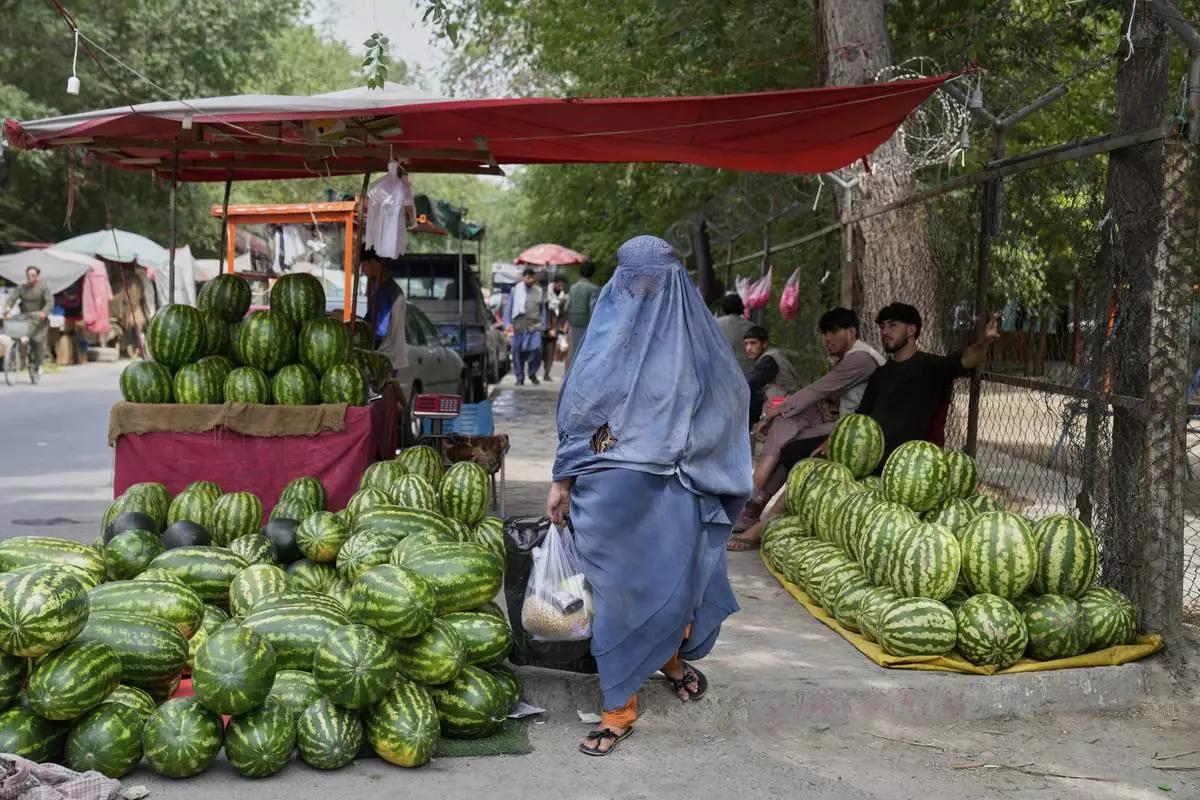
A Taliban fighter stands guard in front of the former US embassy in Kabul, Afghanistan, Thursday, June 5, 2025. (AP Photo/Ebrahim Noroozi)

A woman shops in a market in Kabul, Afghanistan, Thursday, June 5, 2025. (AP Photo/Ebrahim Noroozi)
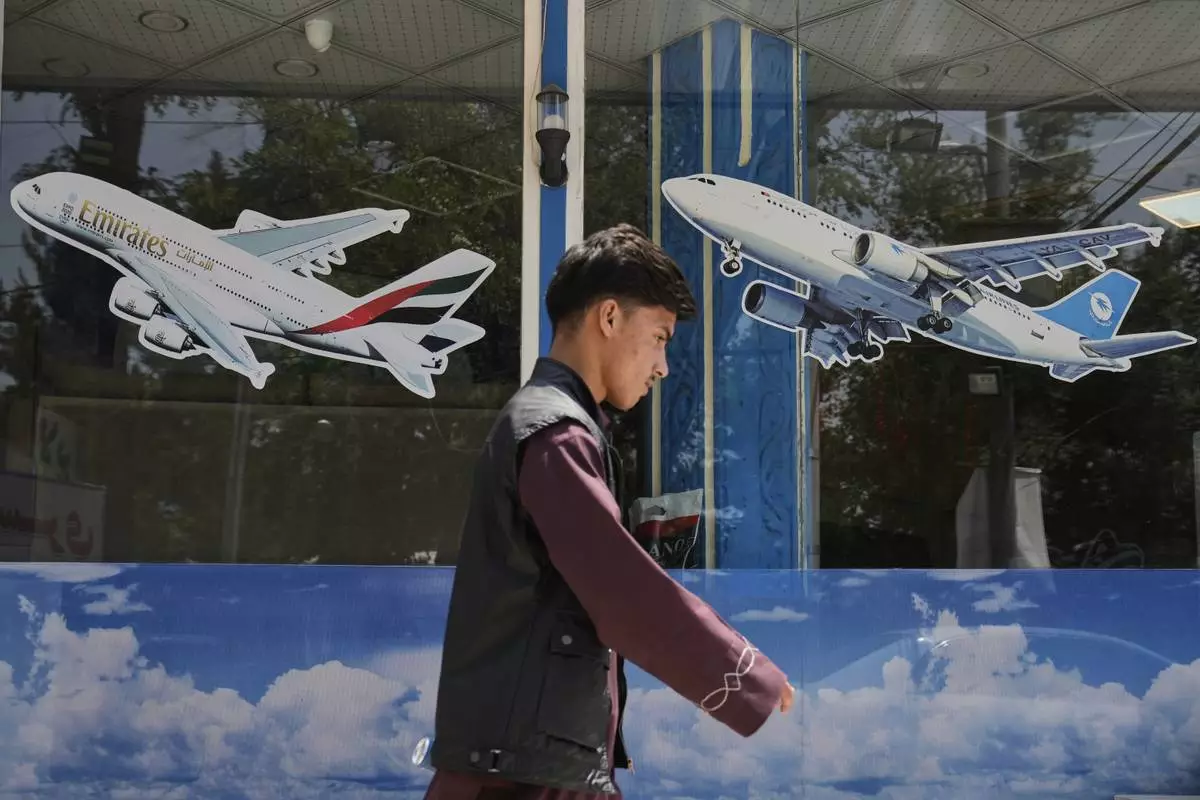
A woman shops in a market in Kabul, Afghanistan, Thursday, June 5, 2025. (AP Photo/Ebrahim Noroozi)

An Afghan man passes in front of an air travel agency in Kabul, Afghanistan, Thursday, June 5, 2025. (AP Photo/Ebrahim Noroozi)
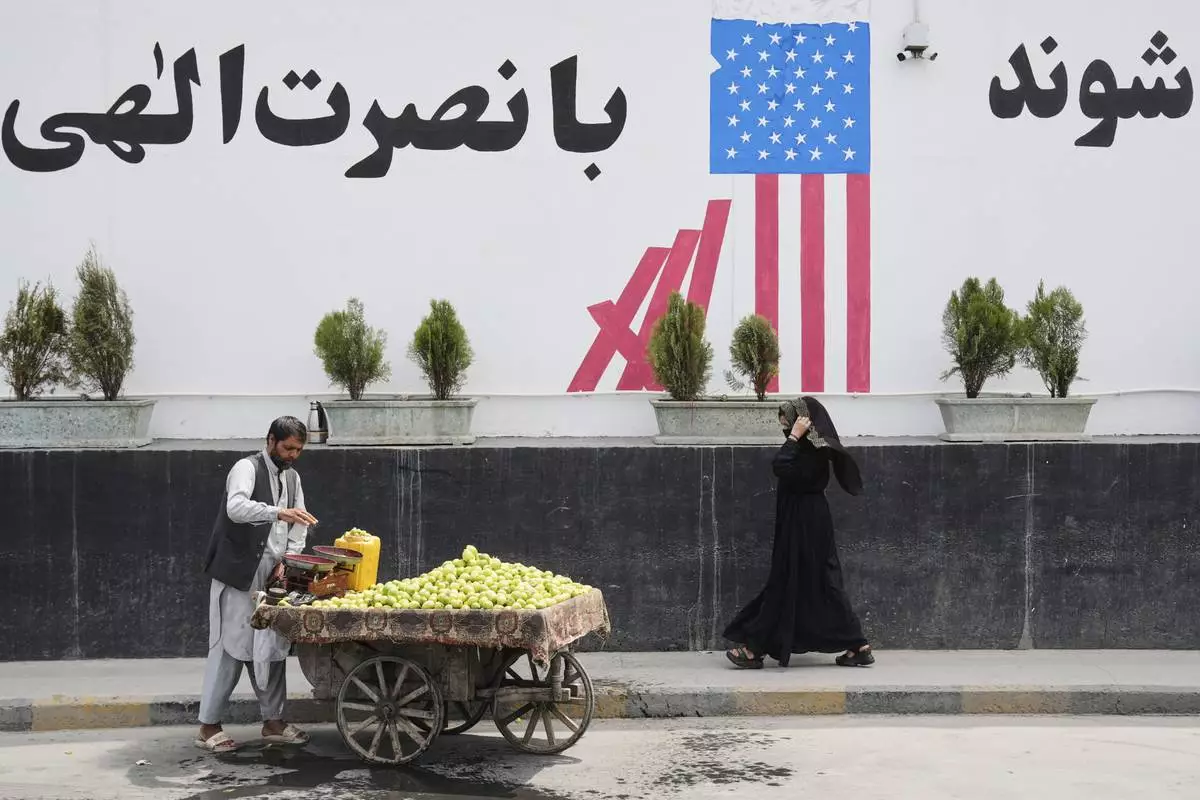
An Afghan man passes in front of an air travel agency in Kabul, Afghanistan, Thursday, June 5, 2025. (AP Photo/Ebrahim Noroozi)

A vendor waits for customers in front of the former US embassy in Kabul, Afghanistan, Thursday, June 5, 2025. (AP Photo/Ebrahim Noroozi)
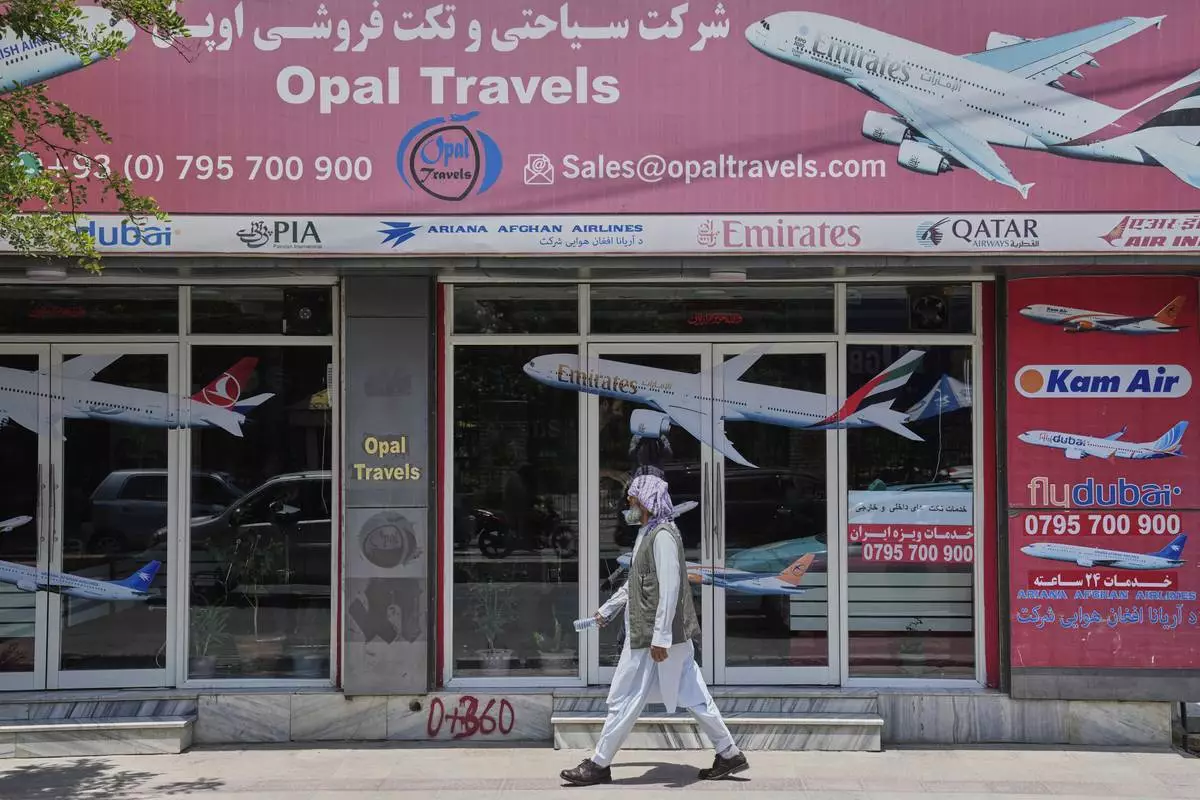
A vendor waits for customers in front of the former US embassy in Kabul, Afghanistan, Thursday, June 5, 2025. (AP Photo/Ebrahim Noroozi)

An Afghan person passes in front of an air travel agency in Kabul, Afghanistan, Thursday, June 5, 2025. (AP Photo/Ebrahim Noroozi)
An Afghan person passes in front of an air travel agency in Kabul, Afghanistan, Thursday, June 5, 2025. (AP Photo/Ebrahim Noroozi)
WASHINGTON (AP) — Becky Pepper-Jackson finished third in the discus throw in West Virginia last year though she was in just her first year of high school. Now a 15-year-old sophomore, Pepper-Jackson is aware that her upcoming season could be her last.

West Virginia has banned transgender girls like Pepper-Jackson from competing in girls and women's sports, and is among the more than two dozen states with similar laws. Though the West Virginia law has been blocked by lower courts, the outcome could be different at the conservative-dominated Supreme Court, which has allowed multiple restrictions on transgender people to be enforced in the past year.

The justices are hearing arguments Tuesday in two cases over whether the sports bans violate the Constitution or the landmark federal law known as Title IX that prohibits sex discrimination in education. The second case comes from Idaho, where college student Lindsay Hecox challenged that state's law.

Decisions are expected by early summer.

President Donald Trump's Republican administration has targeted transgender Americans from the first day of his second term, including ousting transgender people from the military and declaring that gender is immutable and determined at birth.

Pepper-Jackson has become the face of the nationwide battle over the participation of transgender girls in athletics that has played out at both the state and federal levels as Republicans have leveraged the issue as a fight for athletic fairness for women and girls.

“I think it’s something that needs to be done,” Pepper-Jackson said in an interview with The Associated Press that was conducted over Zoom. “It’s something I’m here to do because ... this is important to me. I know it’s important to other people. So, like, I’m here for it.”

She sat alongside her mother, Heather Jackson, on a sofa in their home just outside Bridgeport, a rural West Virginia community about 40 miles southwest of Morgantown, to talk about a legal fight that began when she was a middle schooler who finished near the back of the pack in cross-country races.

Pepper-Jackson has grown into a competitive discus and shot put thrower. In addition to the bronze medal in the discus, she finished eighth among shot putters.

She attributes her success to hard work, practicing at school and in her backyard, and lifting weights. Pepper-Jackson has been taking puberty-blocking medication and has publicly identified as a girl since she was in the third grade, though the Supreme Court's decision in June upholding state bans on gender-affirming medical treatment for minors has forced her to go out of state for care.

Her very improvement as an athlete has been cited as a reason she should not be allowed to compete against girls.

“There are immutable physical and biological characteristic differences between men and women that make men bigger, stronger, and faster than women. And if we allow biological males to play sports against biological females, those differences will erode the ability and the places for women in these sports which we have fought so hard for over the last 50 years,” West Virginia's attorney general, JB McCuskey, said in an AP interview. McCuskey said he is not aware of any other transgender athlete in the state who has competed or is trying to compete in girls or women’s sports.

Despite the small numbers of transgender athletes, the issue has taken on outsize importance. The NCAA and the U.S. Olympic and Paralympic Committees banned transgender women from women's sports after Trump signed an executive order aimed at barring their participation.

The public generally is supportive of the limits. An Associated Press-NORC Center for Public Affairs Research poll conducted in October 2025 found that about 6 in 10 U.S. adults “strongly” or “somewhat” favored requiring transgender children and teenagers to only compete on sports teams that match the sex they were assigned at birth, not the gender they identify with, while about 2 in 10 were “strongly” or “somewhat” opposed and about one-quarter did not have an opinion.

About 2.1 million adults, or 0.8%, and 724,000 people age 13 to 17, or 3.3%, identify as transgender in the U.S., according to the Williams Institute at the UCLA School of Law.

Those allied with the administration on the issue paint it in broader terms than just sports, pointing to state laws, Trump administration policies and court rulings against transgender people.

"I think there are cultural, political, legal headwinds all supporting this notion that it’s just a lie that a man can be a woman," said John Bursch, a lawyer with the conservative Christian law firm Alliance Defending Freedom that has led the legal campaign against transgender people. “And if we want a society that respects women and girls, then we need to come to terms with that truth. And the sooner that we do that, the better it will be for women everywhere, whether that be in high school sports teams, high school locker rooms and showers, abused women’s shelters, women’s prisons.”

But Heather Jackson offered different terms to describe the effort to keep her daughter off West Virginia's playing fields.

“Hatred. It’s nothing but hatred,” she said. "This community is the community du jour. We have a long history of isolating marginalized parts of the community.”

Pepper-Jackson has seen some of the uglier side of the debate on display, including when a competitor wore a T-shirt at the championship meet that said, “Men Don't Belong in Women's Sports.”

“I wish these people would educate themselves. Just so they would know that I’m just there to have a good time. That’s it. But it just, it hurts sometimes, like, it gets to me sometimes, but I try to brush it off,” she said.

One schoolmate, identified as A.C. in court papers, said Pepper-Jackson has herself used graphic language in sexually bullying her teammates.

Asked whether she said any of what is alleged, Pepper-Jackson said, “I did not. And the school ruled that there was no evidence to prove that it was true.”

The legal fight will turn on whether the Constitution's equal protection clause or the Title IX anti-discrimination law protects transgender people.

The court ruled in 2020 that workplace discrimination against transgender people is sex discrimination, but refused to extend the logic of that decision to the case over health care for transgender minors.

The court has been deluged by dueling legal briefs from Republican- and Democratic-led states, members of Congress, athletes, doctors, scientists and scholars.

The outcome also could influence separate legal efforts seeking to bar transgender athletes in states that have continued to allow them to compete.

If Pepper-Jackson is forced to stop competing, she said she will still be able to lift weights and continue playing trumpet in the school concert and jazz bands.

“It will hurt a lot, and I know it will, but that’s what I’ll have to do,” she said.

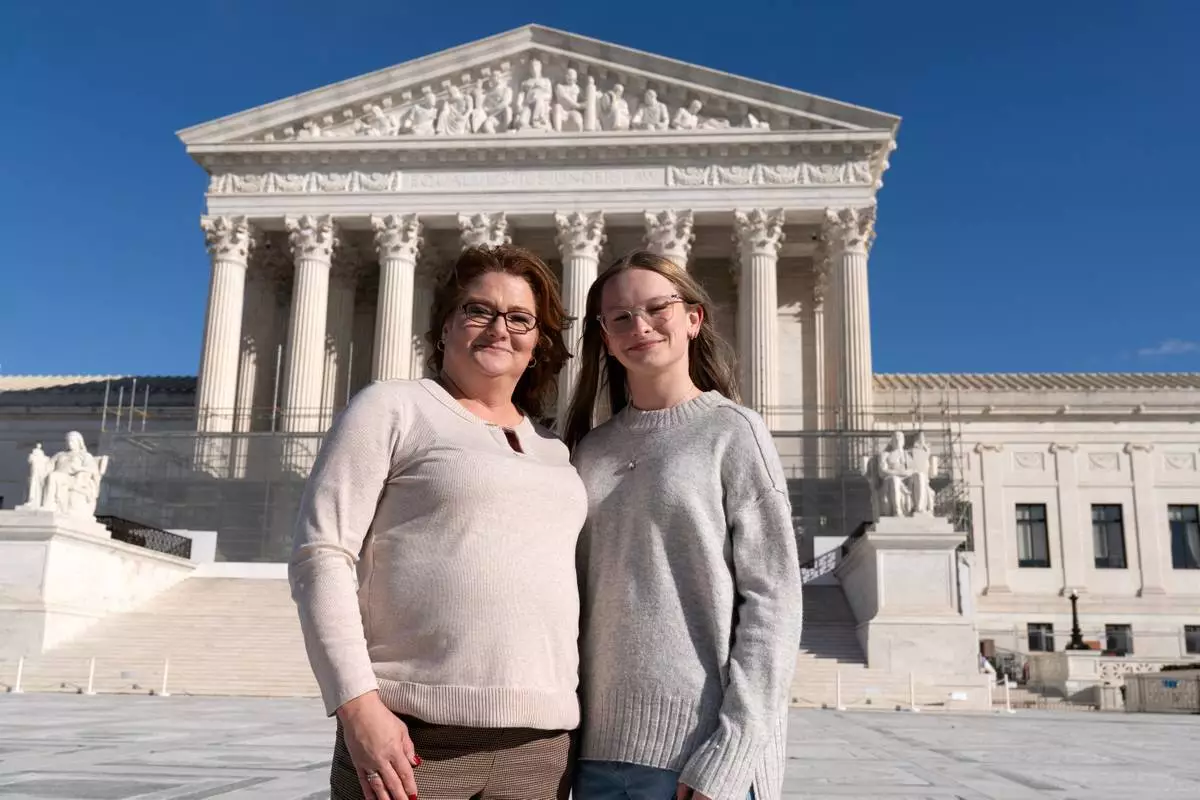
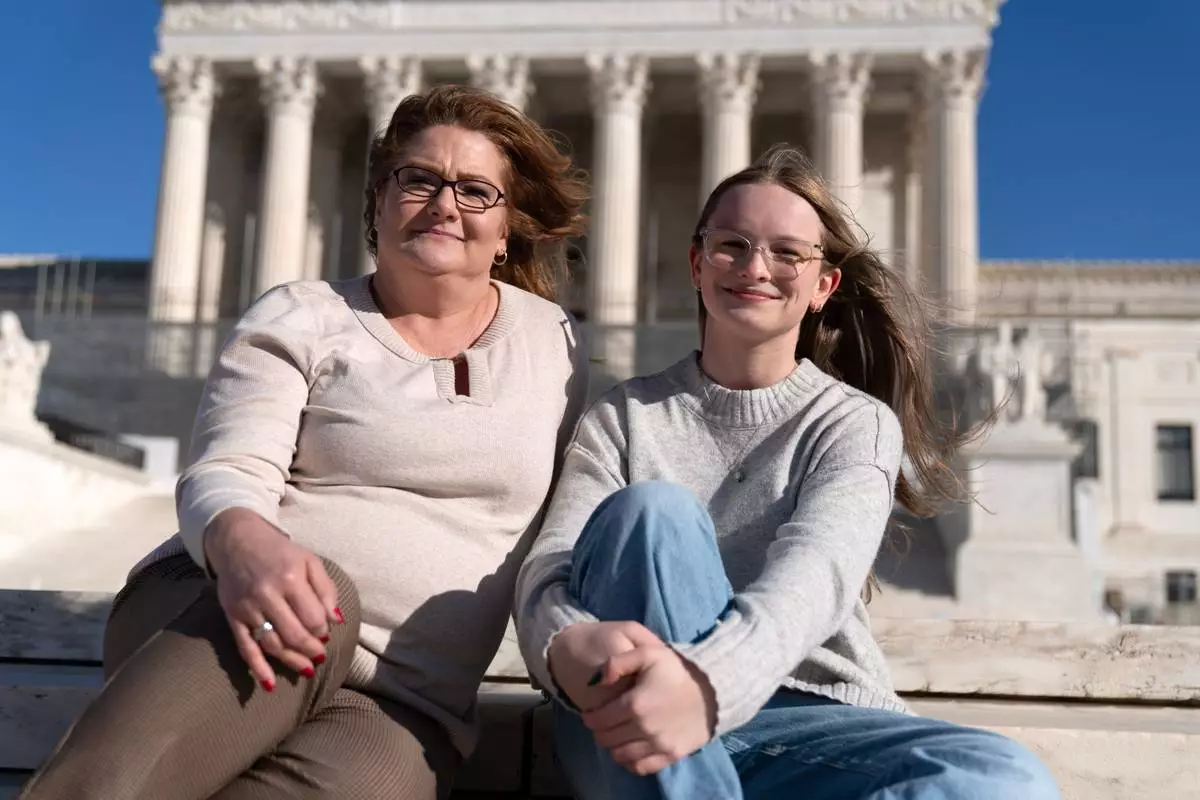
Heather Jackson, left, and Becky Pepper-Jackson pose for a photograph outside of the U.S. Supreme Court in Washington, Sunday, Jan. 11, 2026. (AP Photo/Jose Luis Magana)

Heather Jackson, left, and Becky Pepper-Jackson pose for a photograph outside of the U.S. Supreme Court in Washington, Sunday, Jan. 11, 2026. (AP Photo/Jose Luis Magana)

Heather Jackson, left, and Becky Pepper-Jackson pose for a photograph outside of the U.S. Supreme Court in Washington, Sunday, Jan. 11, 2026. (AP Photo/Jose Luis Magana)

Heather Jackson, left, and Becky Pepper-Jackson pose for a photograph outside of the U.S. Supreme Court in Washington, Sunday, Jan. 11, 2026. (AP Photo/Jose Luis Magana)

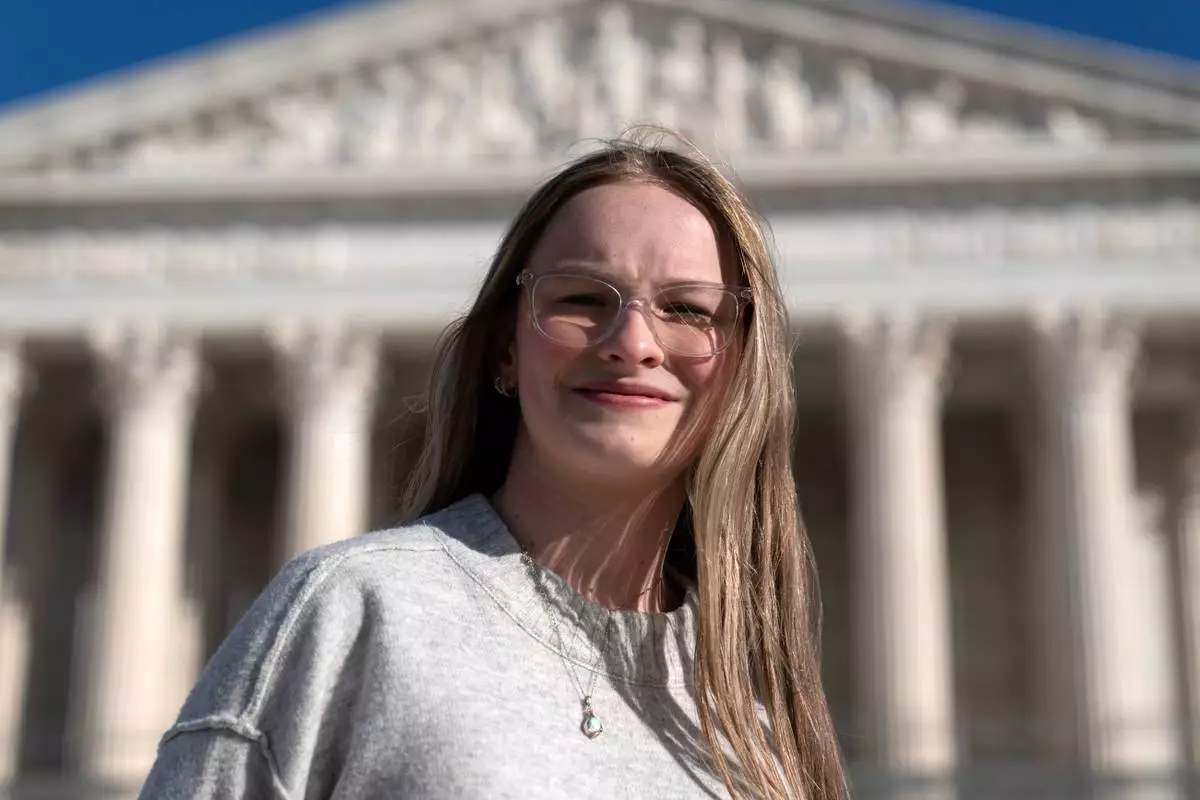
Becky Pepper-Jackson poses for a photograph outside of the U.S. Supreme Court in Washington, Sunday, Jan. 11, 2026. (AP Photo/Jose Luis Magana)

Becky Pepper-Jackson poses for a photograph outside of the U.S. Supreme Court in Washington, Sunday, Jan. 11, 2026. (AP Photo/Jose Luis Magana)

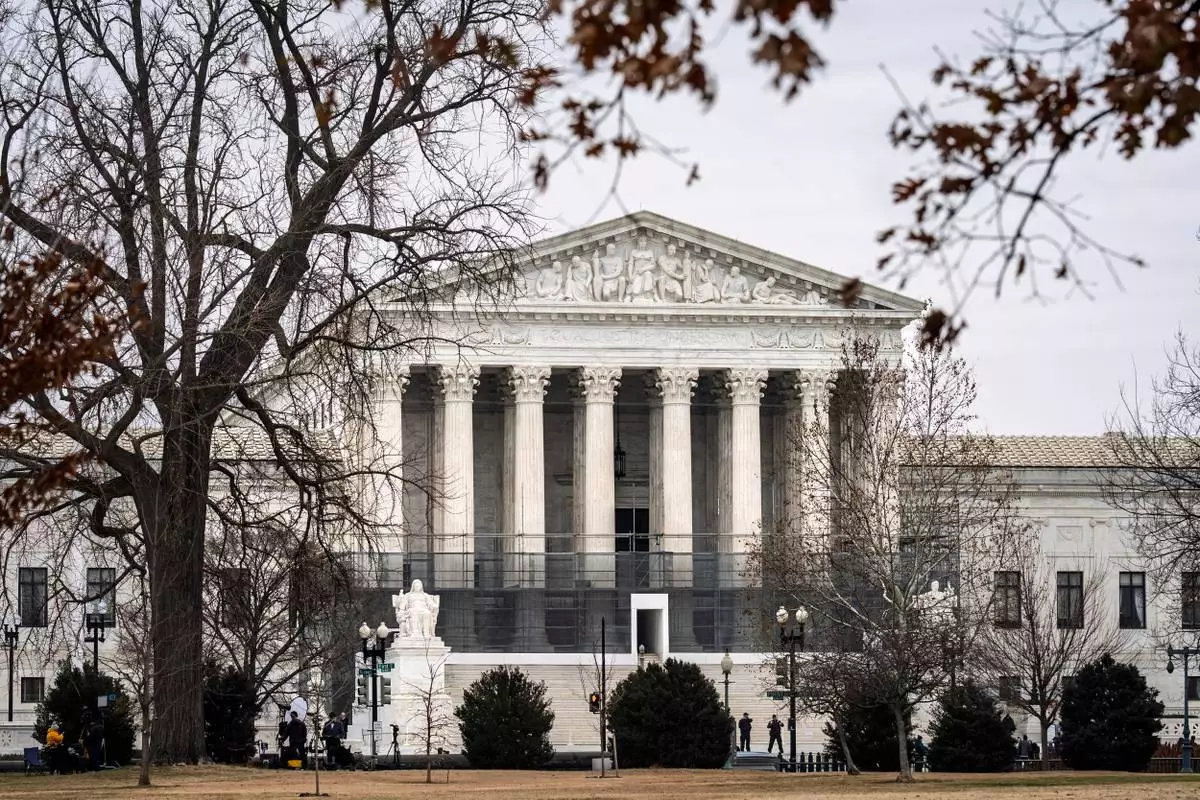
The Supreme Court stands is Washington, Friday, Jan. 9, 2026. (AP Photo/J. Scott Applewhite)

The Supreme Court stands is Washington, Friday, Jan. 9, 2026. (AP Photo/J. Scott Applewhite)

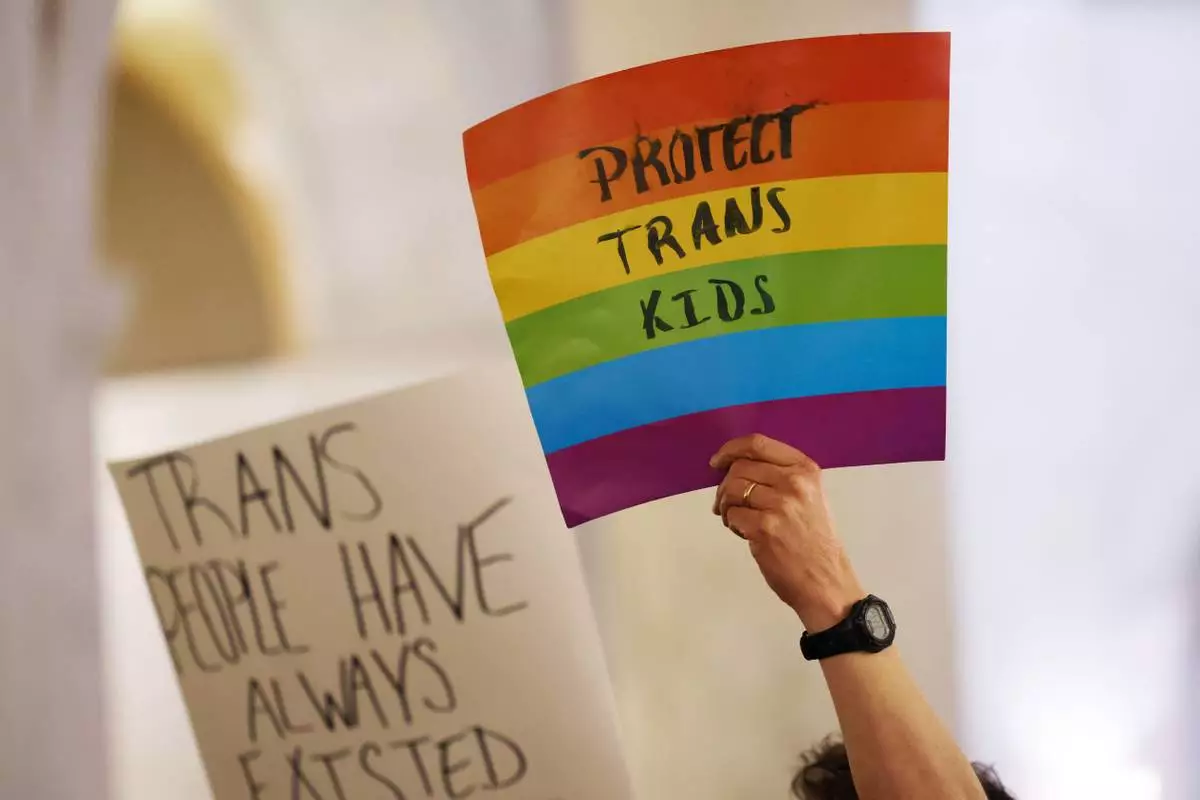
FILE - Protestors hold signs during a rally at the state capitol in Charleston, W.Va., on March 9, 2023. (AP Photo/Chris Jackson, file)

FILE - Protestors hold signs during a rally at the state capitol in Charleston, W.Va., on March 9, 2023. (AP Photo/Chris Jackson, file)

Recommended Articles