Skip to Content Facebook Feature Image

Customs Seize 30kg of Drugs Worth $16 Million at Hong Kong Airport, Two Teenagers Arrested

HK

Customs Seize 30kg of Drugs Worth $16 Million at Hong Kong Airport, Two Teenagers Arrested
HK

HK

Customs Seize 30kg of Drugs Worth $16 Million at Hong Kong Airport, Two Teenagers Arrested

2025-06-06 19:55 Last Updated At:20:08

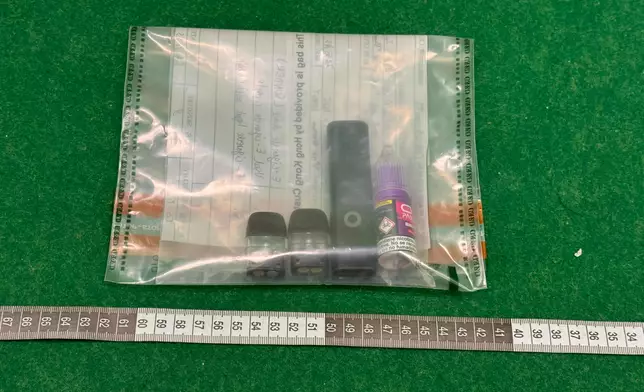
Hong Kong Customs detects two dangerous drugs cases at airport with seizure worth about $16 million

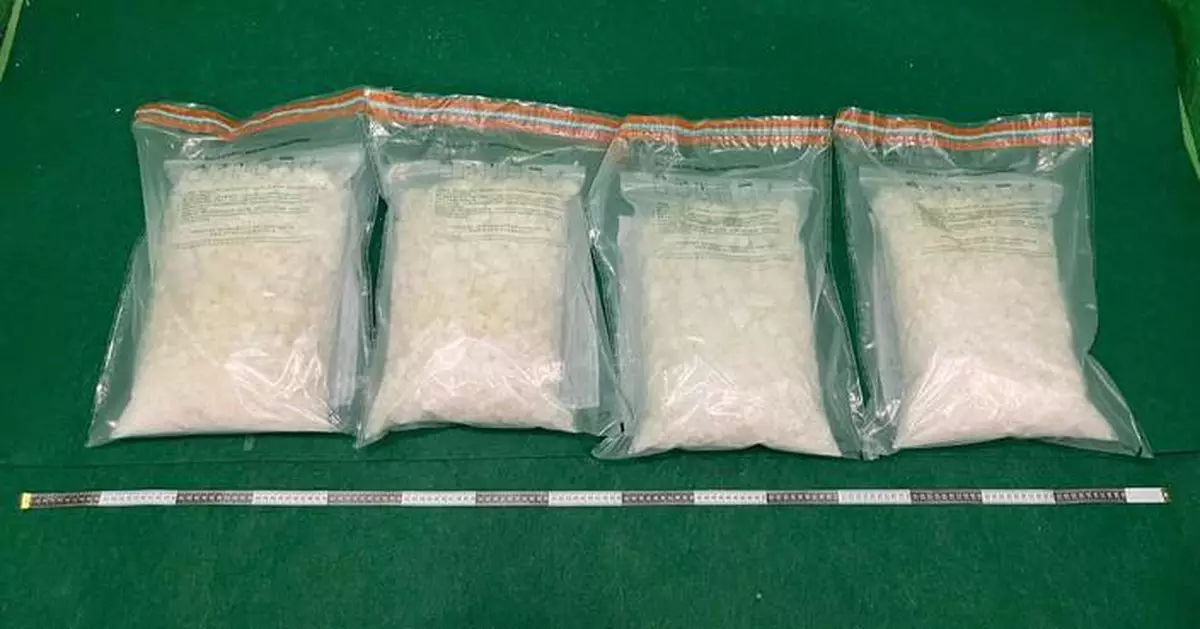
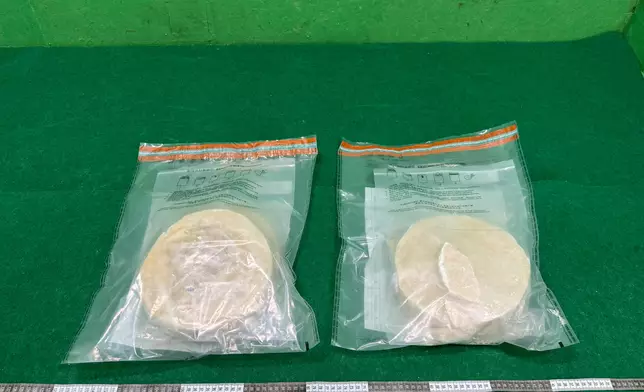
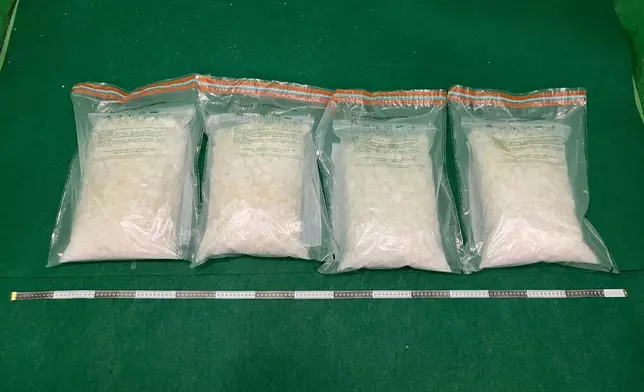
Hong Kong Customs yesterday (June 5) detected two drug trafficking cases involving baggage concealment at Hong Kong International Airport and seized about 22 kilograms of suspected ketamine and about 8kg of suspected cocaine, with a total estimated market value of about $16 million.

More Images
Hong Kong Customs detects two dangerous drugs cases at airport with seizure worth about $16 million  Source: HKSAR Government Press Releases

Hong Kong Customs detects two dangerous drugs cases at airport with seizure worth about $16 million Source: HKSAR Government Press Releases
Hong Kong Customs detects two dangerous drugs cases at airport with seizure worth about $16 million  Source: HKSAR Government Press Releases

Hong Kong Customs detects two dangerous drugs cases at airport with seizure worth about $16 million Source: HKSAR Government Press Releases
Hong Kong Customs detects two dangerous drugs cases at airport with seizure worth about $16 million  Source: HKSAR Government Press Releases

Hong Kong Customs detects two dangerous drugs cases at airport with seizure worth about $16 million Source: HKSAR Government Press Releases
Hong Kong Customs detects two dangerous drugs cases at airport with seizure worth about $16 million  Source: HKSAR Government Press Releases

Hong Kong Customs detects two dangerous drugs cases at airport with seizure worth about $16 million Source: HKSAR Government Press Releases

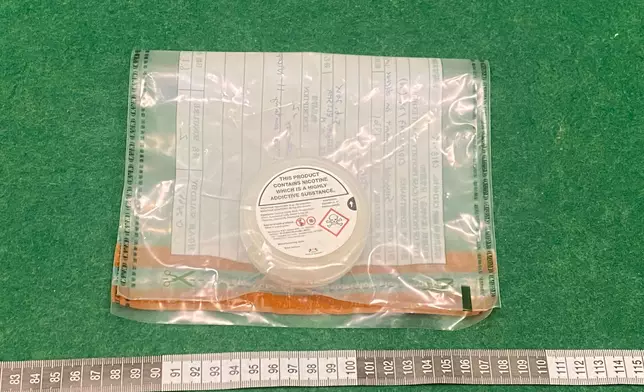
The first case involved an 18-year-old male passenger arriving in Hong Kong from Frankfurt, Germany, via Doha, Qatar, yesterday. During Customs clearance, about 22kg of suspected ketamine was found in his check-in suitcase and a product containing about 6 grams of suspected nicotine was found on him. The passenger was subsequently arrested.

In the second case, an 18-year-old male passenger arrived in Hong Kong from Madrid, Spain, via Doha, Qatar, yesterday. During Customs clearance, about 8kg of suspected cocaine was found in his check-in suitcase and a batch of suspected alternative smoking products was found on him. This passenger was subsequently arrested.

The arrested male in the first case has been charged with one count of trafficking in a dangerous drug and one count of possession of a Part 1 Poison, and the arrested male in the second case has been charged with one count of trafficking in a dangerous drug and one count of importing alternative smoking products. Both cases will be brought up at the West Kowloon Magistrates' Courts tomorrow (June 7).

Customs will continue to step up enforcement against drug trafficking activities through intelligence analysis. The department also reminds members of the public to stay alert and not participate in drug trafficking activities for monetary return. They must not accept hiring or delegation from another party to carry controlled items into and out of Hong Kong. They are also reminded not to carry unknown items for other people.

Customs will continue to apply a risk assessment approach and focus on selecting passengers from high-risk regions for clearance to combat transnational drug trafficking activities.

Under the Dangerous Drugs Ordinance, trafficking in a dangerous drug is a serious offence. The maximum penalty upon conviction is a fine of $5 million and life imprisonment.

Under the Pharmacy and Poisons Ordinance, any person who possesses any poison included in Part 1 of the Poisons List other than in accordance with provisions commits an offence. The maximum penalty upon conviction is a fine of $100,000 and imprisonment for two years.

Under the Import and Export Ordinance, importing an alternative smoking product is liable to a maximum fine of $2 million and imprisonment for seven years.

Members of the public may report any suspected drug trafficking activities to Customs' 24-hour hotline 182 8080 or its dedicated crime-reporting email account (crimereport@customs.gov.hk) or online form (eform.cefs.gov.hk/form/ced002).
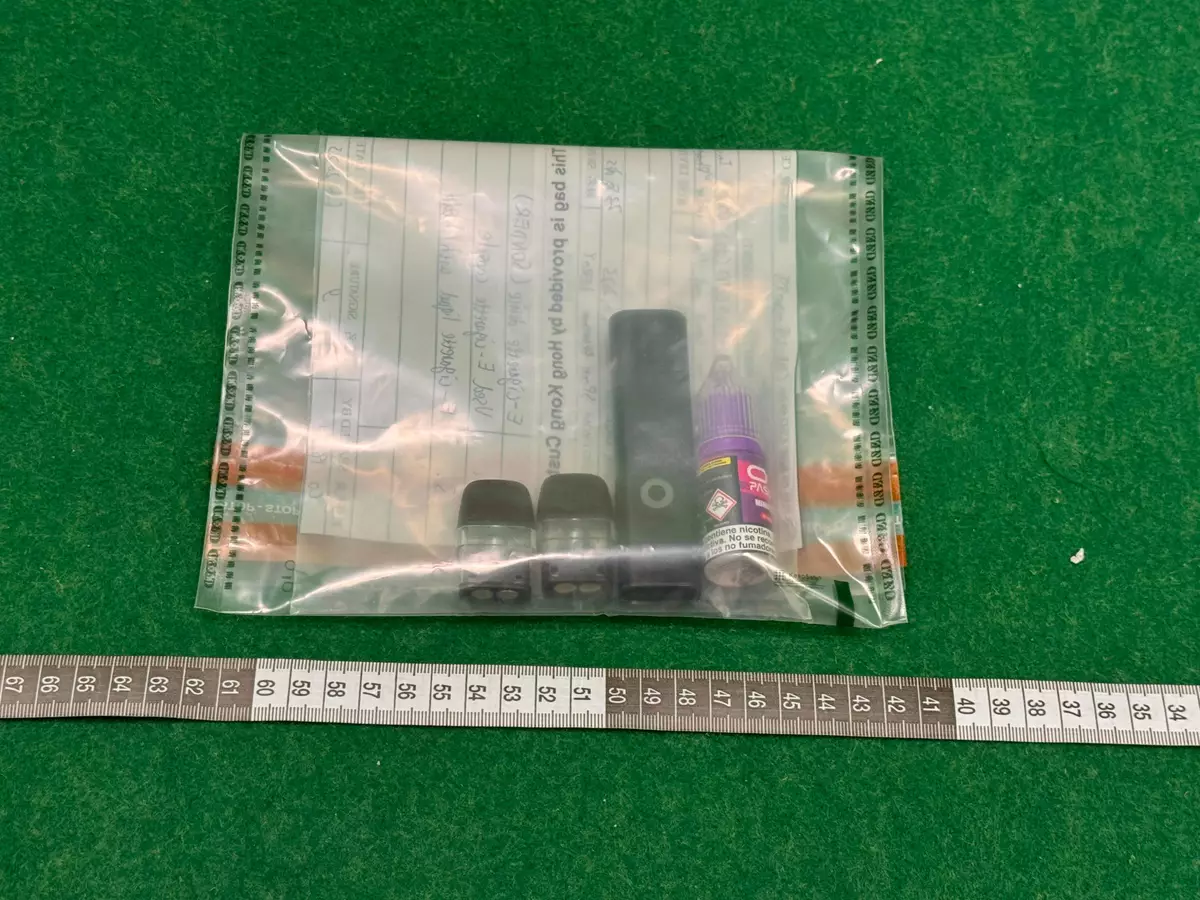
Hong Kong Customs detects two dangerous drugs cases at airport with seizure worth about $16 million  Source: HKSAR Government Press Releases

Hong Kong Customs detects two dangerous drugs cases at airport with seizure worth about $16 million Source: HKSAR Government Press Releases
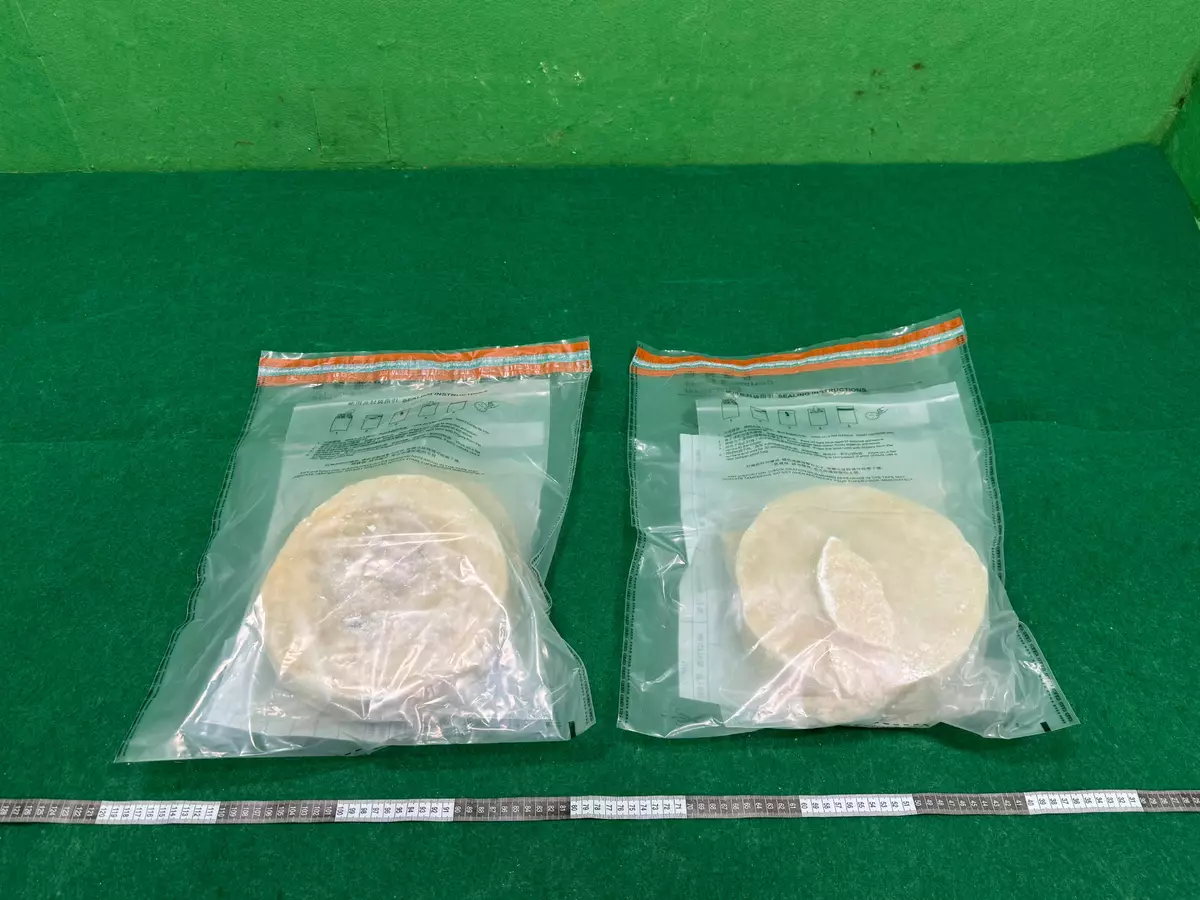
Hong Kong Customs detects two dangerous drugs cases at airport with seizure worth about $16 million  Source: HKSAR Government Press Releases

Hong Kong Customs detects two dangerous drugs cases at airport with seizure worth about $16 million Source: HKSAR Government Press Releases
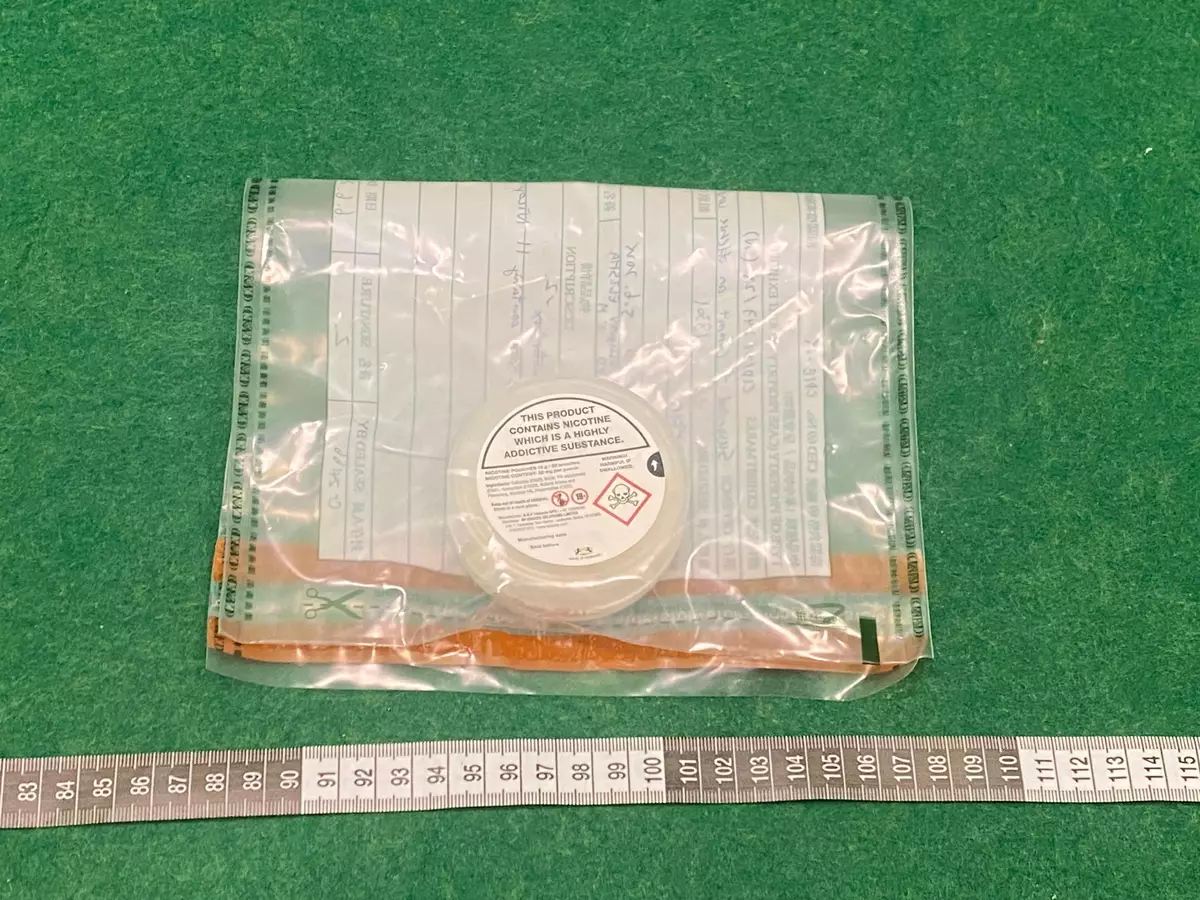
Hong Kong Customs detects two dangerous drugs cases at airport with seizure worth about $16 million  Source: HKSAR Government Press Releases

Hong Kong Customs detects two dangerous drugs cases at airport with seizure worth about $16 million Source: HKSAR Government Press Releases
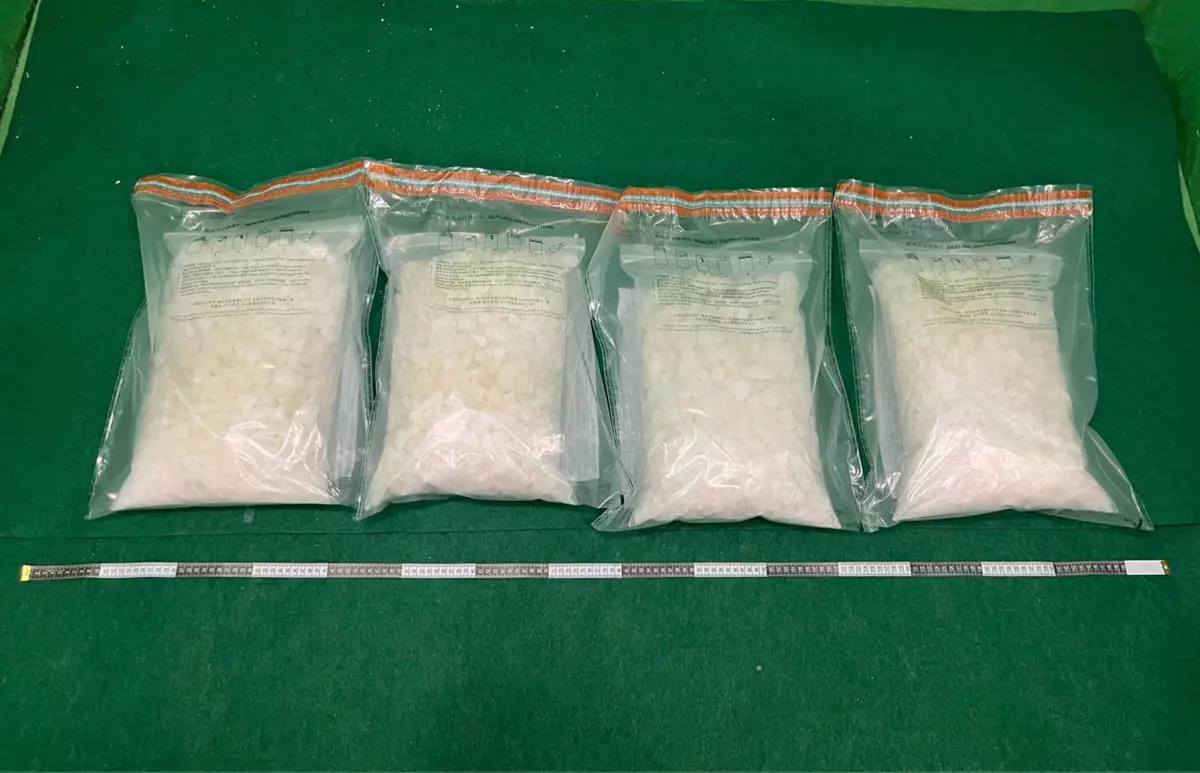
Hong Kong Customs detects two dangerous drugs cases at airport with seizure worth about $16 million  Source: HKSAR Government Press Releases

Hong Kong Customs detects two dangerous drugs cases at airport with seizure worth about $16 million Source: HKSAR Government Press Releases


HKSAR Government welcomes court's decision to dismiss Chow Hang Tung's application for judicial review on clothing policy for persons in custody

The Hong Kong Special Administrative Region Government welcomes the judgment handed down by the Court of First Instance of the High Court today (January 13) to dismiss Chow Hang Tung's application for judicial review on the clothing policy for persons in custody (PICs).

The court judgment pointed out that the current clothing policy for PICs, including the requirement for female PICs to wear trousers in summer daytime, was formulated by the Correctional Services Department (CSD) as authorised by the Prison Rules. The Court was satisfied that the CSD had the expertise and experience in the relevant context, and that it had carefully considered various factors, taken into account of professional opinion when making the decision, as well as reviewed the policy continuously. The Court ruled that Chow Hang Tung had failed to demonstrate that the current policy constituted less favourable treatment of a particular gender. The Court pointed out that there was currently no factual evidence to support any assertion that there was widespread concern about the health effects of wearing trousers in summer. In addition, the rule was not absolute, but instead allowed individual PICs to apply for exceptional arrangements in special circumstances. At the same time, the Court also rejected Chow Hang Tung's assertion that she had requested to the CSD in July and August 2024 to wear shorts and had been refused.

A spokesman for the Security Bureau said, "The ruling of the Court of First Instance confirmed that the CSD's approach is reasonable, justified and lawful. According to Rule 26 of the Prison Rules, the CSD must provide every PIC with a uniform that meets a scale imposed by the Commissioner of Correctional Services. Over the years, the CSD had appointed task groups from time to time to review the clothing arrangements of PICs. These reviews gave ample consideration to numerous factors, including the type of correctional institutions, PICs' varying daily routines and activities involved, the need for thermal, physical and psychological comfort for PICs of different genders, privacy and decency of PICs and the security, good order and discipline of the prison, so as to continuously refine clothing arrangements according to the prevailing circumstances."

The spokesman stated, "Chow Hang Tung's assertion that she requested to wear shorts in summer and was rejected by the CSD is entirely inconsistent with the facts and was rejected by the Court. Besides, the current clothing policy for PICs already provides a degree of flexibility. For example, a PIC may make an application to wear other clothing on medical or non-medical grounds to the CSD, and the CSD would make appropriate arrangements having considered the actual circumstances and relevant factors."

The CSD will continue to impartially implement the relevant rules of the Prison Rules in accordance with the law and commit to providing a secure, safe, humane, decent and healthy custodial environment.

Source: AI-found images

Source: AI-found images

Recommended Articles