Although most of NATO member states agreed to raise the military spending to 5 percent of GDP at the just concluded defense ministers meeting in Brussels, deep divisions remain in Europe regarding the specific steps to achieve this ambitious target, casting shadow over the upcoming NATO summit in The Hague.
Member states are facing increasing pressure from the United States, which first floated the 5 percent target late last year. Washington has repeatedly urged its allies to raise defense budgets under the threat of reducing its security commitments in Europe.
Mark Rutte, NATO's secretary general, proposed a compromise plan: setting a target of 3.5 percent of GDP for core military spending, and an additional 1.5 percent for broader security-related areas such as infrastructure, by 2032.
Achieving this target, along with the 30 percent increase in new requirements for military equipment, presents significant challenges for European members. They are divided over the timeline for new pledges.
The Dutch government estimates an additional annual cost of 19 billion euros to meet these goals. German Defense Minister Boris Pistorius pointed out the strain on both finances and personnel, stating that Germany would need to add 50,000 to 60,000 active-duty troops to the existing 180,000 or so.
Lithuanian Defense Minister Dovile Sakaliene pushed for an earlier deadline, insisting that 2032 is "definitely too late" and advocating for a 2030 target. Estonian Defense Minister Hanno Pevkur noted Estonia would reach 5 percent by next year and urged other nations to follow suit within five years.
In contrast, countries such as Spain, Germany, and Belgium expressed concerns about feasibility. For them, meeting the 5 percent goal would be "extremely difficult." The United Kingdom and Italy, meanwhile, are aiming for a more moderate goal of raising core defense spending to 3.5 percent of GDP by 2035.
According to NATO data, 23 of its 32 members are expected to meet the 2-percent-of-GDP defense spending threshold by the end of this summer. Spain and Italy have pledged to reach that level by year-end, while Canada projects compliance by 2027.
At the end of this month, NATO member states are expected to finalize new defense spending targets at a summit in The Hague.
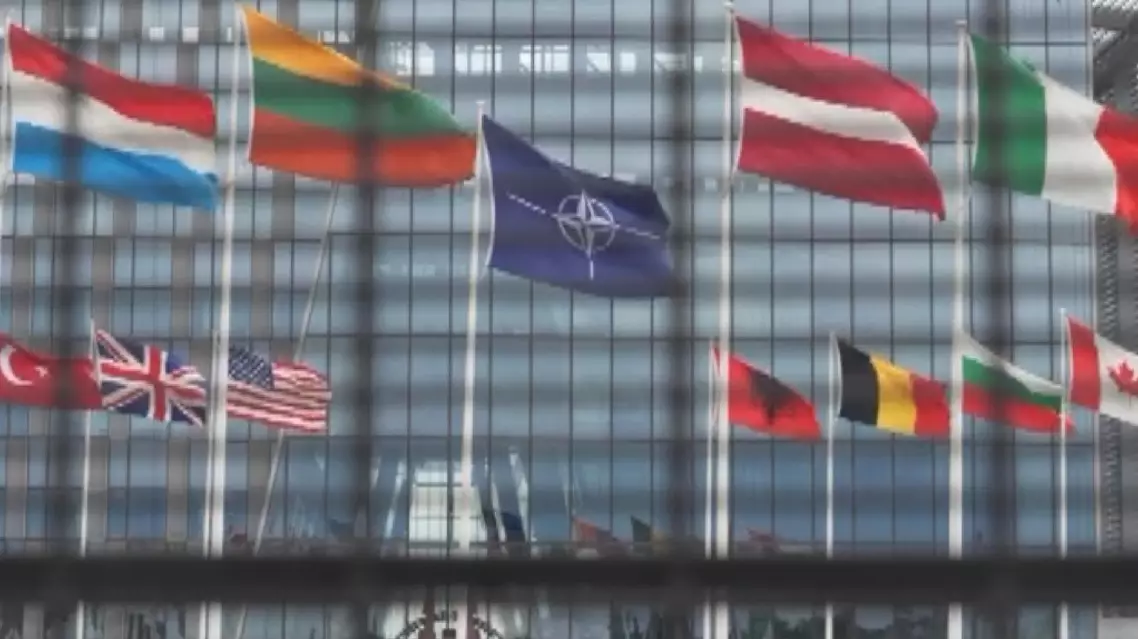
NATO defense ministers meeting concludes with divisions over defense spending goal