A United Nations Environment Program (UNEP) official highlighted the critical role oceans play in sustaining human life and driving economic growth, as Sunday marked World Oceans Day.
Sheila Aggarwal-Khan, director of UNEP’s Industry and Economic Division, expanded on the oceans' significance in an interview with China Global Television Network (CGTN), stressing their value beyond tourism and trade.
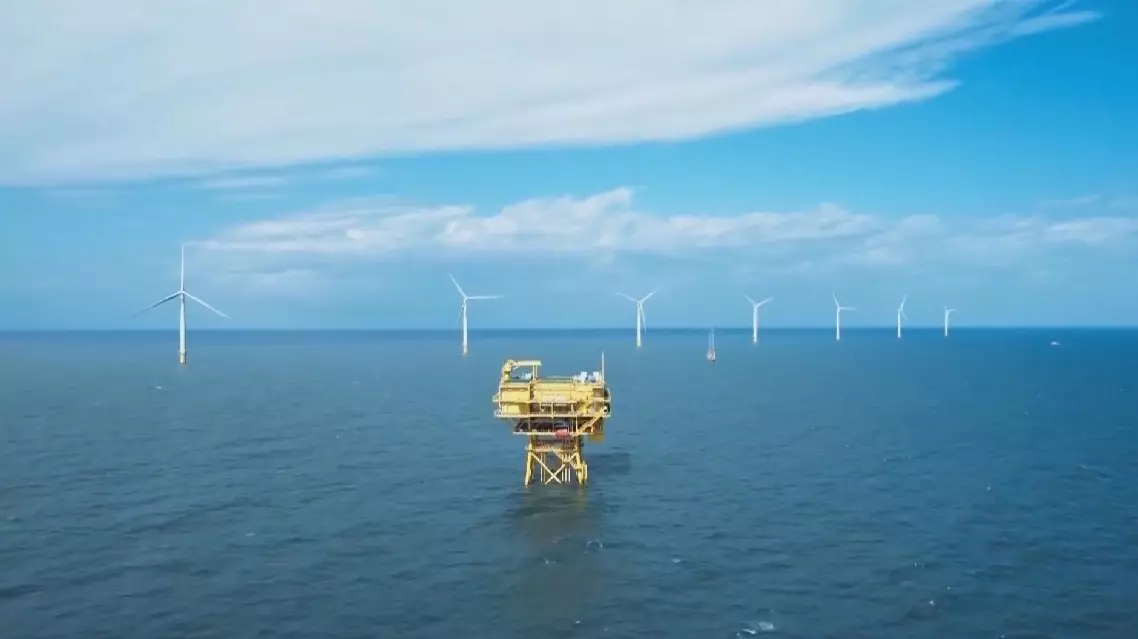
"China alone, 7.8 percent of its GDP comes from the oceans. It's a source of food, it regulates weather, produces oxygen. So we couldn't live without it. And it's of course, where a lot of trade happens, it's a transport medium. So beyond tourism and enjoying just the view of an ocean, of course, you also have new investments that are coming through today like offshore wind, blue economy. And so it's also another source of income generation or investment opportunity that exists," said Aggarwal-Khan.
"Globally, you see a big movement on what is called the blue economy, where you can invest. It uses the environment in a positive way. And so whether it's sustainable fisheries, whether it's coral reef investment opportunities or materials that are regenerative, blue economy offers opportunities for investments. And there are funds, for example, like the Global Fund for Coral Reefs, where China could play a very big role in. There are opportunities for renewable energy investments, there are opportunities for materials that can serve as a more circular economy approach to many different value chains," she added.
Aggarwal-Khan emphasized the importance of expanding funding mechanisms that foster collaboration between the public and private sectors to tackle pressing environmental challenges.
"So, right now there are a few mechanisms to provide financing to governments and to stakeholders. For example, the Global Environment Facility is a ground mechanism, but also has a non-ground mechanism attached to it which provides financing for plastic pollution. There's a big impact program on plastics at UNEP, and the Worldwide Fund for Nature are leading with a number of other partners and countries. But beyond that, there are more mechanisms that are coming around, which include industry engagement. So, both the private sector and governments working hand in hand. And one example is a funding partnership between the IFC, the UN Capital Development Fund, and then of course with collaboration from the Worldwide Fund for Nature, which is also setting up a financing mechanism, similar to this which is trying to fund investment opportunities with debt or either with equity financing that could go to the private sector but also get funded from private sector contributions next to government contributions," she said.
Oceans key to sustaining human life, drive economic growth: UNEP official