NEW YORK (AP) — Sly Stone, the revolutionary musician and dynamic showman whose Sly and the Family Stone transformed popular music in the 1960s and ’70s and beyond with such hits as “Everyday People,” “Stand!” and “Family Affair,” died Monday at age 82
Stone, born Sylvester Stewart, had been in poor health in recent years. His publicist Carleen Donovan said Stone died in Los Angeles surrounded by family after contending with chronic obstructive pulmonary disease and other ailments.
Click to Gallery
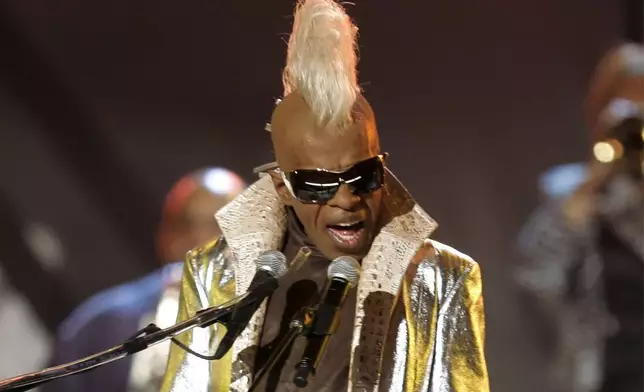
FILE - Sly Stone from the group Sly and the Family Stone performs at the 48th Annual Grammy Awards on Feb. 8, 2006, in Los Angeles. (AP Photo/Mark J. Terrill, File)
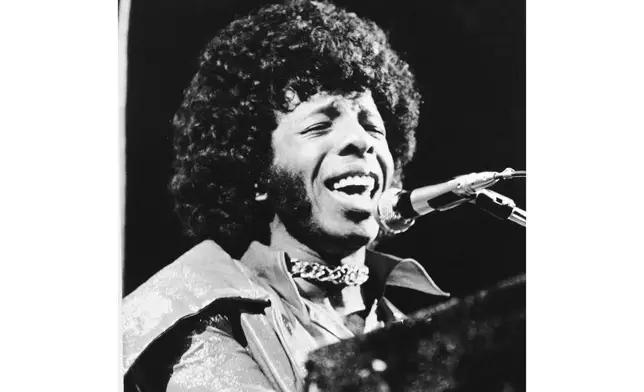
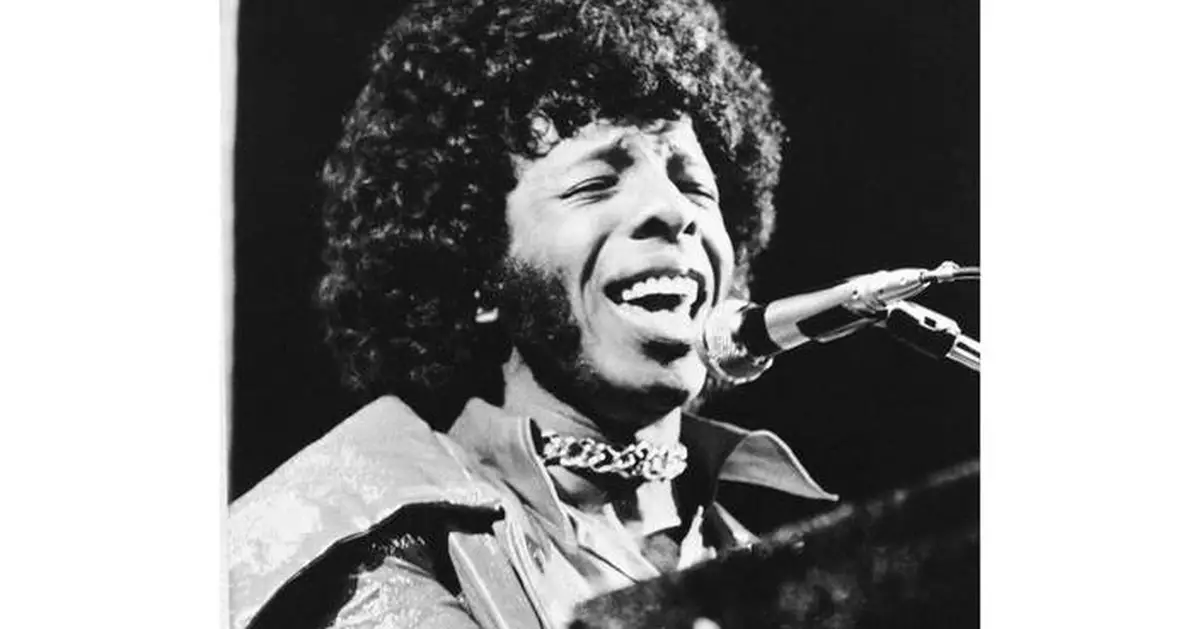
FILE - Rock star Sylvester "Sly" Stone of Sly and the Family Stone appears in April 1972. (AP Photo, File)
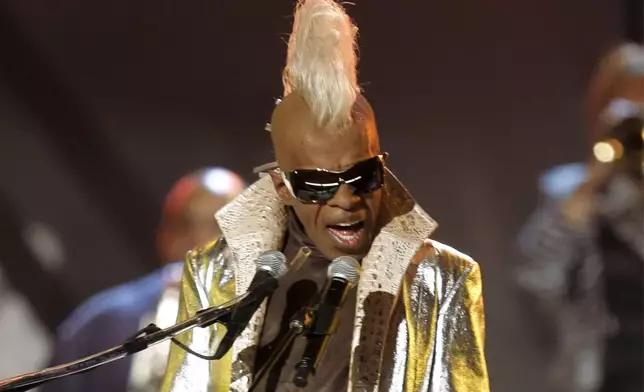
FILE - Sly Stone from the group Sly and the Family Stone performs at the 48th Annual Grammy Awards on Feb. 8, 2006, in Los Angeles. (AP Photo/Mark J. Terrill, File)
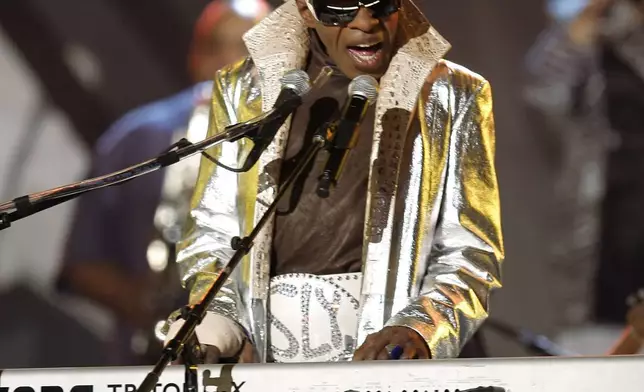
FILE - Sly Stone from the group Sly and the Family Stone performs at the 48th Annual Grammy Awards on Feb. 8, 2006, in Los Angeles. (AP Photo/Mark J. Terrill, File)
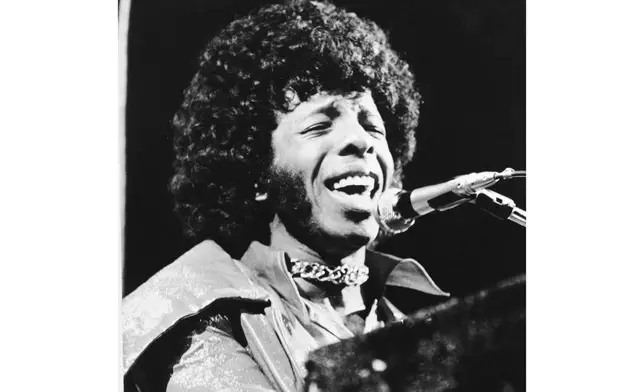
FILE - Rock star Sylvester "Sly" Stone of Sly and the Family Stone appears in April 1972. (AP Photo, File)
Founded in 1966-67, Sly and the Family Stone was the first major group to include Black and white men and women, and well embodied a time when anything seemed possible — riots and assassinations, communes and love-ins. The singers screeched, chanted, crooned and hollered. The music was a blowout of frantic horns, rapid-fire guitar and locomotive rhythms, a melting pot of jazz, psychedelic rock, doo-wop, soul and the early grooves of funk.
Sly’s time on top was brief, roughly from 1968-1971, but profound. No band better captured the gravity-defying euphoria of the Woodstock era or more bravely addressed the crash which followed. From early songs as rousing as their titles — “I Want To Take You Higher,” “Stand!” — to the sober aftermath of “Family Affair” and “Runnin’ Away,” Sly and the Family Stone spoke for a generation whether or not it liked what they had to say.
Stone’s group began as a Bay Area sextet featuring Sly on keyboards, Larry Graham on bass; Sly’s brother, Freddie, on guitar; sister Rose on vocals; Cynthia Robinson and Jerry Martini horns and Greg Errico on drums. They debuted with the album “A Whole New Thing” and earned the title with their breakthrough single, “Dance to the Music.” It hit the top 10 in April 1968, the week the Rev. Martin Luther King was murdered, and helped launch an era when the polish of Motown and the understatement of Stax suddenly seemed of another time.
Led by Sly Stone, with his leather jumpsuits and goggle shades, mile-wide grin and mile-high Afro, the band dazzled in 1969 at the Woodstock festival and set a new pace on the radio. “Everyday People,” “I Wanna Take You Higher” and other songs were anthems of community, non-conformity and a brash and hopeful spirit, built around such catchphrases as “different strokes for different folks.” The group released five top 10 singles, three of them hitting No. 1, and three million-selling albums: “Stand!”, “There’s a Riot Goin’ On” and “Greatest Hits.”
For a time, countless performers wanted to look and sound like Sly and the Family Stone. The Jackson Five’s breakthrough hit, “I Want You Back,” and the Temptations’ “I Can’t Get Next to You” were among the many songs from the late 1960s that mimicked Sly’s vocal and instrumental arrangements. Miles Davis’ landmark blend of jazz, rock and funk, “Bitches Brew,” was inspired in part by Sly, while fellow jazz artist Herbie Hancock even named a song after him.
“He had a way of talking, moving from playful to earnest at will. He had a look, belts, and hats and jewelry,” Questlove wrote in the foreword to Stone’s memoir, “Thank You (Falettinme Be Mice Elf Agin),” named for one of his biggest hits and published through Questlove’s imprint in 2023. “He was a special case, cooler than everything around him by a factor of infinity.”
In 2025, Questlove released the documentary “Sly Lives! (aka The Burden of Black Genius).”
Sly’s influence has endured for decades. The top funk artist of the 1970s, Parliament-Funkadelic creator George Clinton, was a Stone disciple. Prince, Rick James and the Black Eyed Peas were among the many performers from the 1980s and after shaped in part by Sly, and countless hip-hop artists have sampled his riffs, from the Beastie Boys to Dr. Dre and Snoop Dogg. A 2005 tribute record included Maroon 5, John Legend and the Roots.
“Sly did so many things so well that he turned my head all the way around,” Clinton once wrote. “He could create polished R&B that sounded like it came from an act that had gigged at clubs for years, and then in the next breath he could be as psychedelic as the heaviest rock band.”
By the early ’70s, Stone himself was beginning a descent from which he never recovered, driven by the pressures of fame and the added burden of Black fame. His record company was anxious for more hits, while the Black Panthers were pressing him to drop the white members from his group. After moving from the Bay Area to Los Angeles in 1970, he became increasingly hooked on cocaine and erratic in his behavior. A promised album, “The Incredible and Unpredictable Sly and the Family Stone” (“The most optimistic of all,” Rolling Stone reported) never appeared. He became notorious for being late to concerts or not showing up at all, often leaving “other band members waiting backstage for hours wondering whether he was going to show up or not,” according to Stone biographer Joel Selvin.
Around the country, separatism and paranoia were setting in. As a turn of the calendar, and as a state of mind, the ’60s were over. “The possibility of possibility was leaking out,” Stone later explained in his memoir.
On “Thank You (Falettinme Be Mice Elf Agin),” Stone had warned: “Dying young is hard to take/selling out is harder.” Late in 1971, he released “There’s a Riot Going On,” one of the grimmest, most uncompromising records ever to top the album charts. The sound was dense and murky (Sly was among the first musicians to use drum machines), the mood reflective (“Family Affair”), fearful (“Runnin’ Away”) and despairing: “Time, they say, is the answer — but I don’t believe it,” Sly sings on “Time.” The fast, funky pace of the original “Thank You (Falettinme Be Mice Elf Agin)” was slowed, stretched and retitled “Thank You For Talkin’ to Me, Africa.”
The running time of the title track was 0:00.
“It is Muzak with its finger on the trigger,” critic Greil Marcus called the album.
“Riot” highlighted an extraordinary run of blunt, hard-hitting records by Black artists, from the Stevie Wonder single “Superstition” to Marvin Gaye’s “What’s Going On” album, to which “Riot” was an unofficial response. But Stone seemed to back away from the nightmare he had related. He was reluctant to perform material from “Riot” in concert and softened the mood on the acclaimed 1973 album “Fresh,” which did feature a cover of “Que Sera Sera,” the wistful Doris Day song reworked into a rueful testament to fate’s upper hand.
By the end of the decade, Sly and the Family Stone had broken up and Sly was releasing solo records with such unmet promises as “Heard You Missed Me, Well I’m Back” and “Back On the Right Track.” Most of the news he made over the following decades was of drug busts, financial troubles and mishaps on stage. Sly and the Family Stone was inducted into the Rock & Roll of Fame in 1993 and honored in 2006 at the Grammy Awards, but Sly released just one album after the early ’80s, “I’m Back! Family & Friends,” much of it updated recordings of his old hits.
He would allege he had hundreds of unreleased songs and did collaborate on occasion with Clinton, who would recall how Stone “could just be sitting there doing nothing and then open his eyes and shock you with a lyric so brilliant that it was obvious no one had ever thought of it before.”
Sly Stone had three children, including a daughter with Cynthia Robinson, and was married once — briefly and very publicly. In 1974, he and actor Kathy Silva wed on stage at Madison Square Garden, an event that inspired an 11,000-word story in The New Yorker. Sly and Silva soon divorced.
He was born Sylvester Stewart in Denton, Texas, and raised in Vallejo, California, the second of five children in a close, religious family. Sylvester became “Sly” by accident, when a teacher mistakenly spelled his name “Slyvester.”
He loved performing so much that his mother alleged he would cry if the congregation in church didn’t respond when he sang before it. He was so gifted and ambitious that by age 4 he had sung on stage at a Sam Cooke show and by age 11 had mastered several instruments and recorded a gospel song with his siblings. He was so committed to the races working together that in his teens and early 20s he was playing in local bands that included Black and white members and was becoming known around the Bay Area as a deejay equally willing to play the Beatles and rhythm and blues acts.
Through his radio connections, he produced some of the top San Francisco bands, including the Great Society, Grace Slick’s group before she joined the Jefferson Airplane. Along with an early mentor and champion, San Francisco deejay Tom “Big Daddy” Donahue, he worked on rhythm and blues hits (Bobby Freeman’s “C’mon and Swim”) and the Beau Brummels’ Beatle-esque “Laugh, Laugh.” Meanwhile, he was putting together his own group, recruiting family members and local musicians and settling on the name Sly and the Family Stone.
“A Whole New Thing” came out in 1967, soon followed by the single “Dance to the Music,” in which each member was granted a moment of introduction as the song rightly proclaimed a “brand new beat.” In December 1968, the group appeared on “The Ed Sullivan Show” and performed a medley that included “Dance to the Music” and “Everyday People.” Before the set began, Sly turned to the audience and recited a brief passage from his song “Are You Ready”:
"Don’t hate the Black,
don’t hate the white,
if you get bitten,
just hate the bite.”
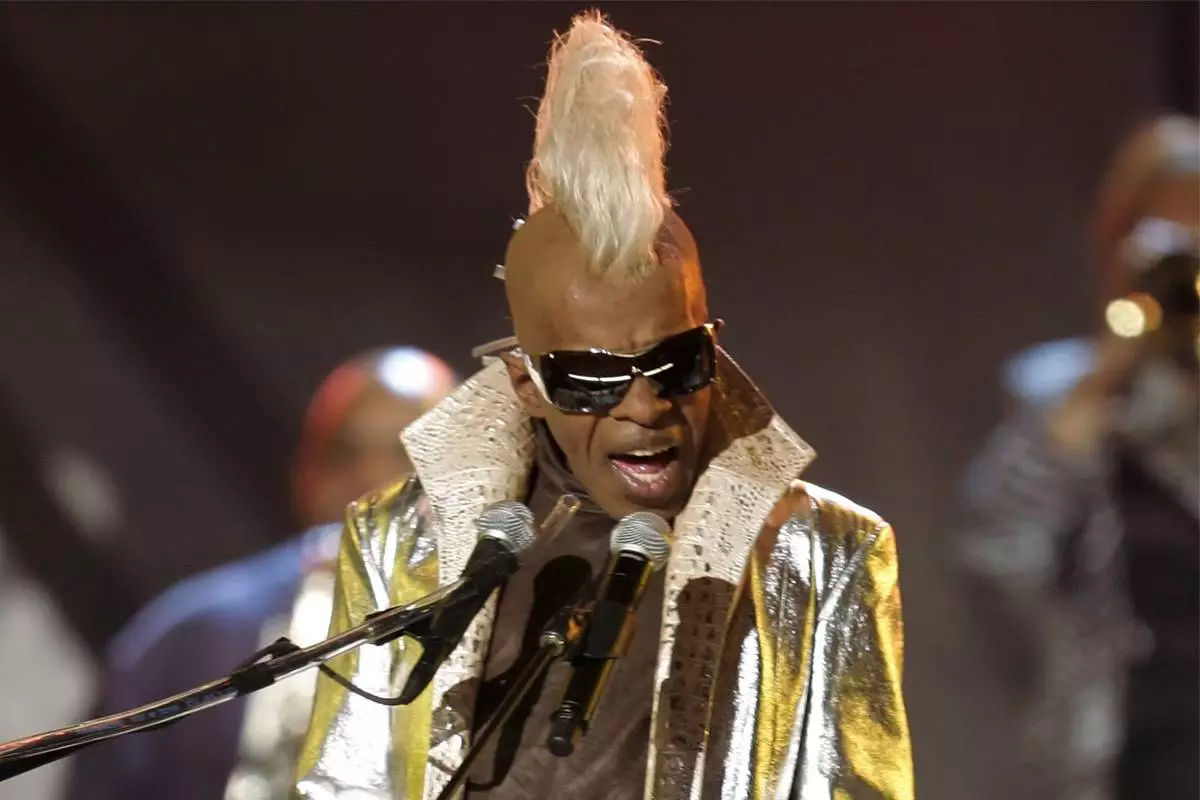
FILE - Sly Stone from the group Sly and the Family Stone performs at the 48th Annual Grammy Awards on Feb. 8, 2006, in Los Angeles. (AP Photo/Mark J. Terrill, File)
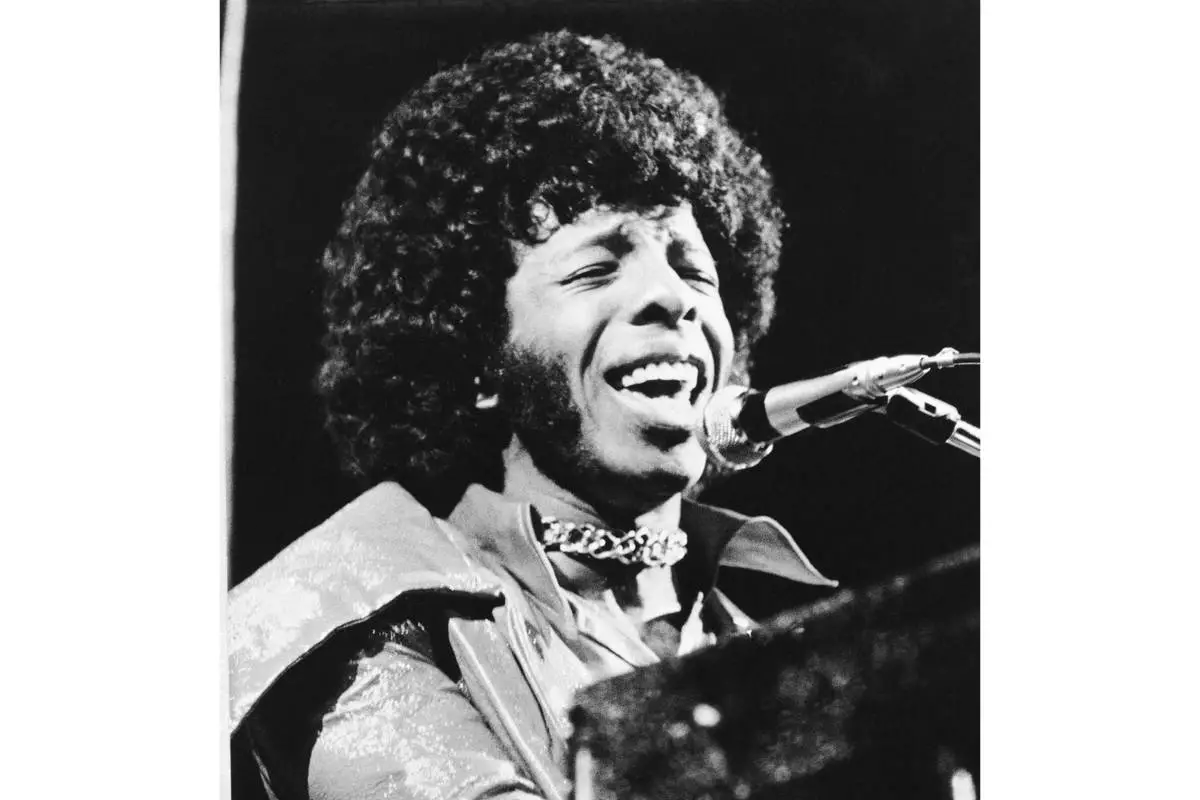
FILE - Rock star Sylvester "Sly" Stone of Sly and the Family Stone appears in April 1972. (AP Photo, File)

FILE - Sly Stone from the group Sly and the Family Stone performs at the 48th Annual Grammy Awards on Feb. 8, 2006, in Los Angeles. (AP Photo/Mark J. Terrill, File)
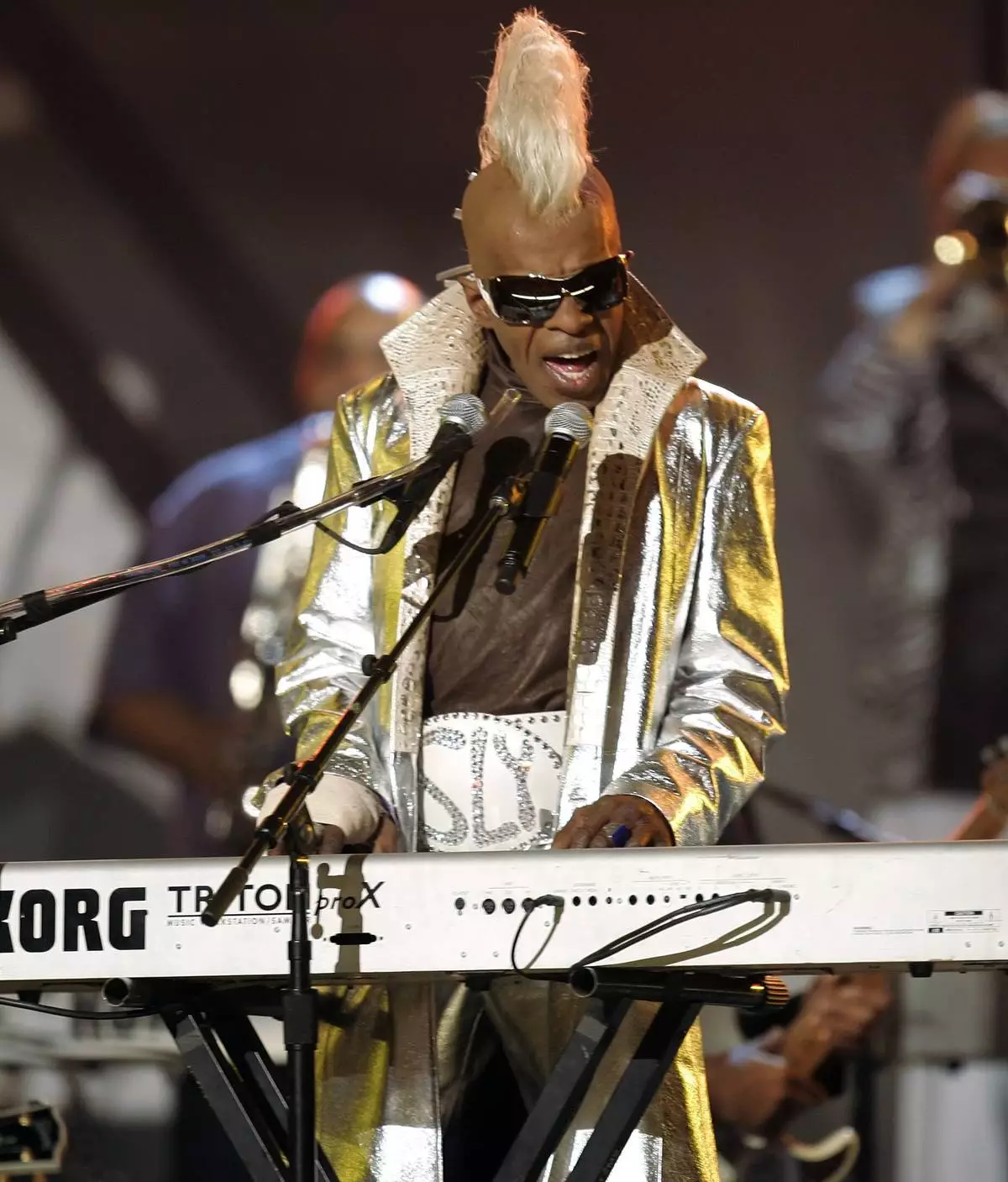
FILE - Sly Stone from the group Sly and the Family Stone performs at the 48th Annual Grammy Awards on Feb. 8, 2006, in Los Angeles. (AP Photo/Mark J. Terrill, File)
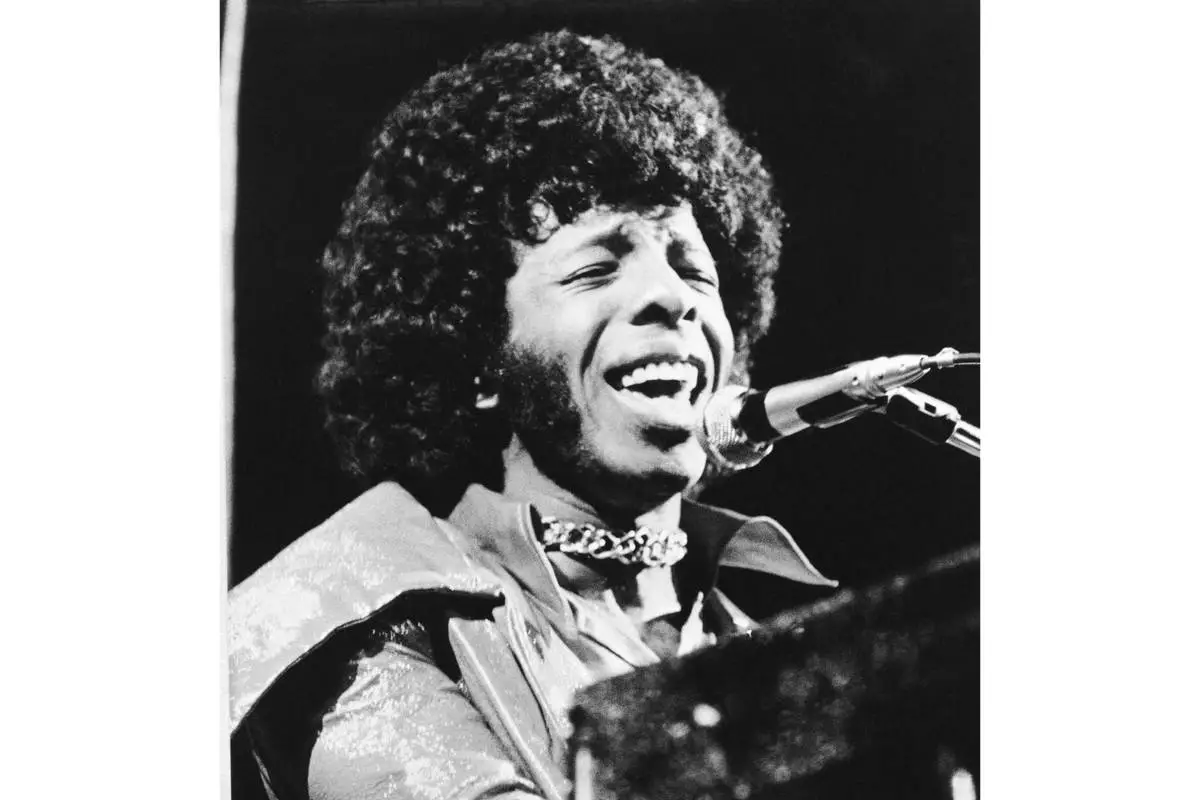
FILE - Rock star Sylvester "Sly" Stone of Sly and the Family Stone appears in April 1972. (AP Photo, File)