BOSTON--(BUSINESS WIRE)--Jun 10, 2025--
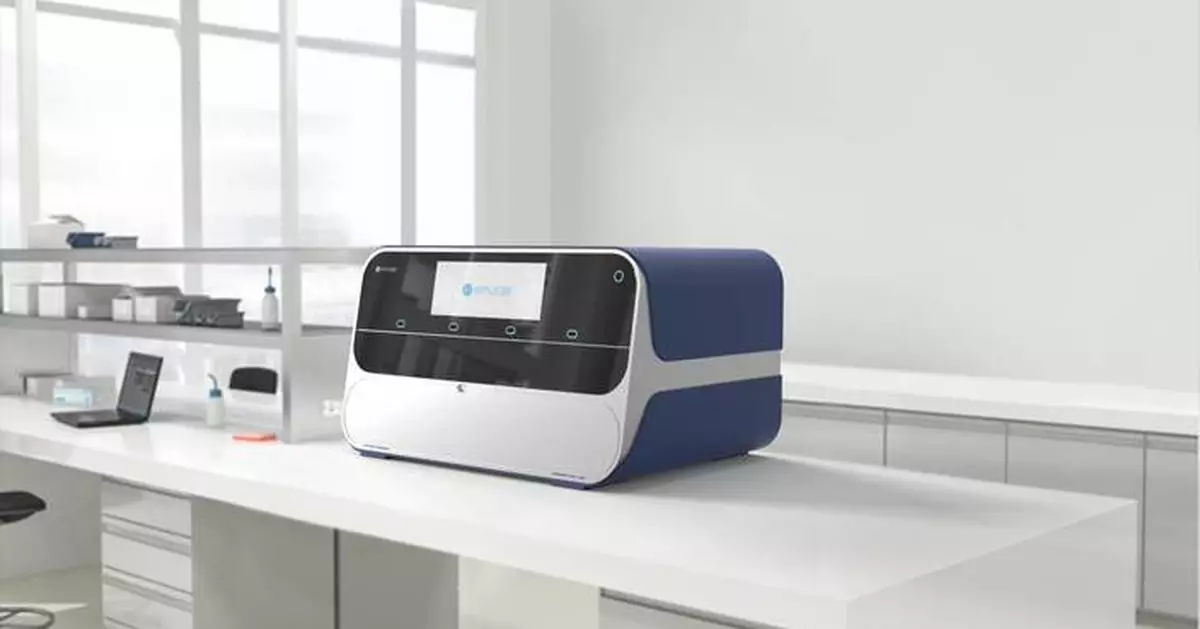
Emulate, Inc., the world leader in Organ-on-a-Chip technology, today announced the commercial launch of the AVA™ Emulation System, a self-contained instrument that cultures, incubates, and images up to 96 independent Organ-Chip samples in a single run. AVA delivers an unprecedented magnitude of in vivo -level insights faster than animal models while cutting consumable costs four-fold and in-lab labor by half compared to current generation technologies. These transformative capabilities give the pharmaceutical industry the practical means to pivot beyond animal testing and into truly human-relevant territory.
This press release features multimedia. View the full release here: https://www.businesswire.com/news/home/20250610950554/en/
“AVA gives scientists unprecedented experimental capacity with the biological depth of live human tissue—something no other platform can match,” said Jim Corbett, Chief Executive Officer at Emulate. “By combining Emulate’s proven Organ-on-a-Chip technology with high-throughput consumables, automated imaging, and streamlined workflows in one benchtop unit, AVA lets teams ask bigger questions earlier and move the right drug candidates forward faster.”
AVA Emulation System: Three Instruments in One
AVA is the first self-contained Organ-on-a-Chip workstation to fuse high-throughput microfluidic tissue culture, full environmental control, and real-time imaging into a single, compact benchtop unit.
Key performance gains include:
A Timely Answer to Shifting Regulations
With the FDA targeting animal studies to become “the exception rather than the norm,” the need for proven human models is urgent. Emulate’s Liver-Chip S1—the first and only Organ-Chip admitted to the FDA’s ISTAND program—has already outperformed animals, showing 87% sensitivity and 100% specificity for drug-induced liver injury in a 2022 Communications Medicine study. AVA now scales that level of human relevance across discovery, efficacy, and toxicology screens, accelerating safer therapies through the pipeline.
“Moving towards reduction and in some cases replacement of animal models demands both biological fidelity and throughput,” noted Dr. Lorna Ewart, Emulate Chief Scientific Officer. “AVA meets those dual requirements, empowering teams to rank-order lead candidates, pinpoint off-target toxicities, and advance safer therapies with unprecedented speed and confidence.”
Broad Impact Across Industries
In biopharma, this type of reduction and replacement is already a reality. A leading pharmaceutical company has demonstrated the power of implementing Organ-Chips into their development pipeline when one of their scientists saved millions of dollars and years of development time by using Emulate Liver-Chips ahead of non-human primates to screen lipid-nanoparticle (LNP) candidates. AVA’s leap in throughput of predictive human biology stands to benefit not only biopharma but a wide spectrum of sectors that currently rely on inaccurate animal testing. Large pharmaceutical pipelines can now run comparable screens in a single AVA experiment, while smaller biotech teams gain enterprise-level capacity without adding headcount or infrastructure. Beyond therapeutics, contract research organizations, consumer-product companies, and environmental agencies can harness AVA to evaluate industrial chemicals, food additives, and cosmetic ingredients under human-relevant conditions—bringing faster, more ethical safety and efficacy decisions to market-driven and regulatory programs alike.
Availability
Global orders are open immediately. For pricing or demonstrations, please submit a request here.
About Emulate
Emulate, Inc. is the pioneer of Organ-on-a-Chip technology, enabling researchers to accurately replicate human tissue function and disease biology through next generation in vitro models. From target discovery to IND submission, Emulate aims to ignite a new era in human health research—one that reduces animal testing, cuts drug development costs, and accelerates the delivery of life-saving treatments. Emulate’s Organ-Chip platforms, consumables, and organ models help the world’s leading pharmaceutical, biotech, and academic teams generate human-relevant data that advance safer, more effective therapies. Learn more at www.emulatebio.com.
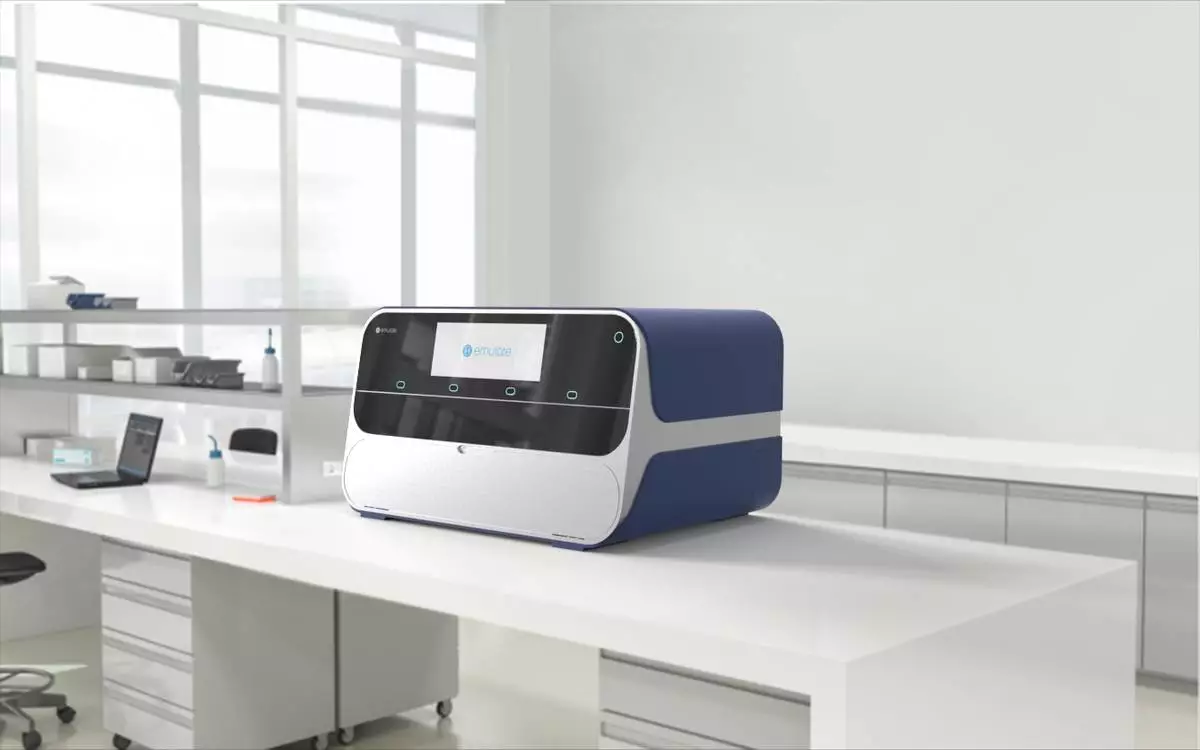
Emulate, Inc., the world leader in Organ-on-a-Chip technology, today announced the commercial launch of the AVA™ Emulation System , a self-contained instrument that cultures, incubates, and images up to 96 independent Organ-Chip samples in a single run. AVA delivers an unprecedented magnitude of in vivo-level insights faster than animal models while cutting consumable costs four-fold and in-lab labor by half compared to current generation technologies. These transformative capabilities give the pharmaceutical industry the practical means to pivot beyond animal testing and into truly human-relevant territory.
DETROIT (AP) — Sixteen states and the District of Columbia are suing the Trump administration for what they say is the unlawful withholding of over $2 billion in funding for two electric vehicle charging programs.
A federal lawsuit filed Tuesday in Seattle is the latest legal battle that Democratic-led states are pursuing over funding for EV charging infrastructure that they say was obligated to them by Congress under former President Joe Biden, but that the Department of Transportation and Federal Highway Administration are “impounding.”
“The Trump administration’s illegal attempt to stop funding for electric vehicle infrastructure must come to an end,” California Attorney General Rob Bonta said in a release. “This is just another reckless attempt that will stall the fight against air pollution and climate change, slow innovation, thwart green job creation, and leave communities without access to clean, affordable transportation."
President Donald Trump's administration has been hostile to EVs and has dismantled several Biden-era policies friendly to cleaner cars and trucks in favor of policies that align with Trump’s oil and gas industry agenda.
Transportation Department officials did not immediately respond to request for comment.
The Trump administration in February ordered states to halt spending money for EV charging that was allocated in the bipartisan infrastructure law passed under the previous administration.
Several states filed a lawsuit in May against the administration for withholding the funding from the $5 billion National Electric Vehicle Infrastructure program for a nationwide charging buildout. A federal judge later ordered the administration to release much of the funding for chargers in more than a dozen states.
Transportation Secretary Sean Duffy later issued revised guidance intended to streamline funding applications for states and make charger deployment more efficient. At least four states — Georgia, Illinois, Maryland, and Wisconsin — have announced awards under the vehicle infrastructure program, according to Loren McDonald, chief analyst at EV data firm Chargeonomics, who tracks the state awards.
Tuesday's separate lawsuit, filed in the U.S. District Court for the Western District of Washington, addresses withholding of funds for two other programs: $1.8 billion for the Charging and Fueling Infrastructure Grant program, as well as about $350 million for the Electric Vehicle Charger Reliability and Accessibility Accelerator program.
The lawsuit is led by attorneys general from California and Colorado, joined by the attorneys general of Arizona, Delaware, Illinois, Maryland, Massachusetts, Michigan, New Jersey, New York, Oregon, Rhode Island, Vermont, Washington, Wisconsin and the District of Columbia, and the governor of Pennsylvania. All are Democrats.
After returning to office in January, Trump immediately ordered an end to what he has called Biden's “EV mandate.” While Biden targeted for half of new vehicle sales in the U.S. to be electric by 2030, his policies did not force American consumers to buy EVs or automakers to sell them.
Biden did set stringent tailpipe emissions and fuel economy rules in an effort to encourage more widespread EV adoption, as the auto industry would have had to meet both sets of requirements with a greater number of EVs in their sales mix. Under the Biden administration, consumers could also receive up to $7,500 in tax incentives off the price of an EV purchase, a program that congressional Republicans ended last fall.
The Trump administration has proposed rolling back both tailpipe emissions rules and the gas mileage standards and eliminated fines to automakers for not meeting those standards.
Trump has also repeated incorrect information about the status of the federal charging programs; without all of the funds available, only a fraction of what was obligated has been spent so far.
“We had to have an electric car within a very short period of time, even though there was no way of charging them and lots of other things,” Trump said in a Dec. 3 press conference about the proposed weakened fuel economy rules. “In certain parts of the Midwest, they spent -- to build nine chargers they spent $8 billion. So, that wasn’t working out too well.”
The lawsuit comes amid those regulatory changes and as the pace of EV sales have slowed in the U.S. as mainstream buyers remain concerned about both charging availability and the price of the vehicles.
New EVs sold for an average of $58,638 last month, compared with $49,814 for a new vehicle overall, according to auto buying resource Kelley Blue Book.
Automakers, meanwhile, have responded to consumers accordingly.
Earlier this week, Ford Motor Co. announced it was pivoting away from its once-ambitious, multi-billion dollar electrification strategy in lieu of more hybrid-electric and more fuel-efficient gasoline-powered vehicles.
In the spring, Honda Motor Co. also said it would take a significant step back from its EV efforts.
Associated Press writer Matthew Daly in Washington contributed to this report.
Alexa St. John is an Associated Press climate reporter. Follow her on X: @alexa_stjohn. Reach her at ast.john@ap.org.
Read more of AP’s climate coverage.
The Associated Press’ climate and environmental coverage receives financial support from multiple private foundations. AP is solely responsible for all content. Find AP’s standards for working with philanthropies, a list of supporters and funded coverage areas at AP.org.
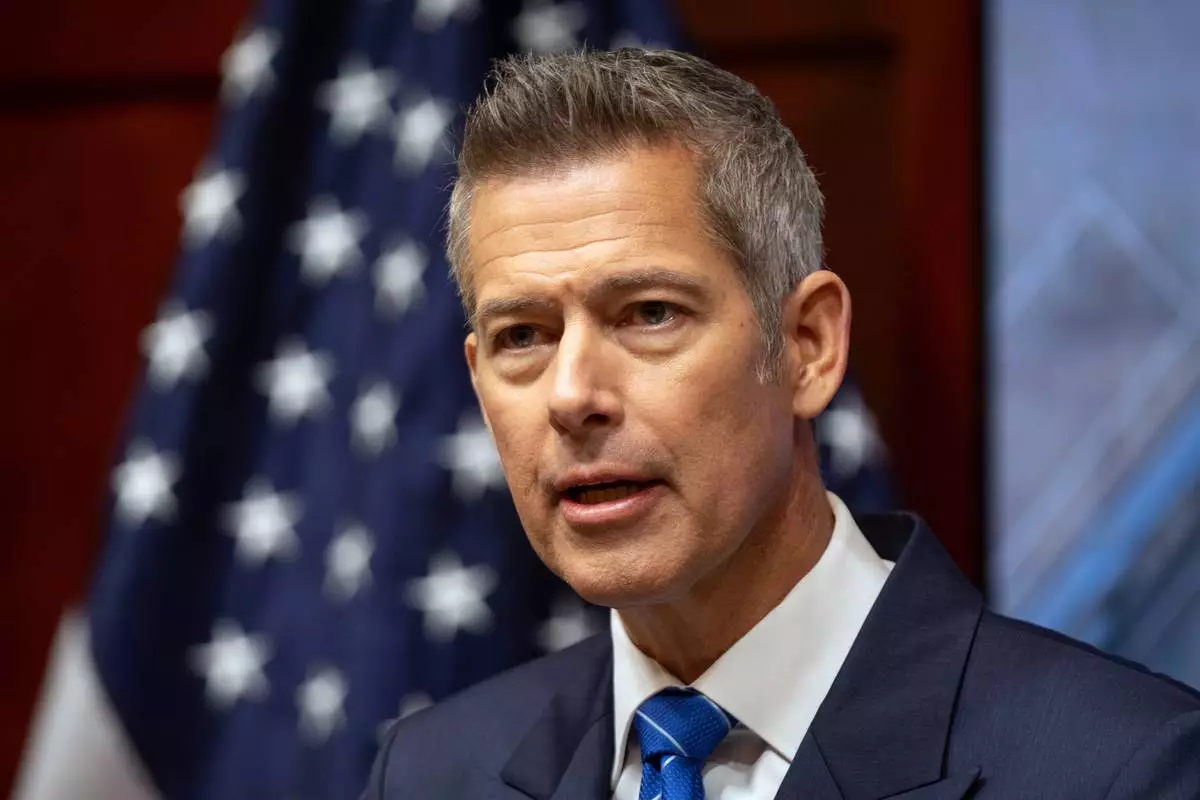
Transportation Secretary Sean Duffy speaks during a news conference at the Department of Transportation in Washington, Friday, Dec. 12, 2025. (AP Photo/Mark Schiefelbein)