Professional esports gamers are benefiting from new and innovative revenue streams in the industry, including in-game collaborations that help fans connect with their favorite top-ranking players.
Esports teams traditionally make their income from prize money, brand deals, and sponsorships, similar to traditional sports. As the industry develops, teams and game developers are learning that they can work together to capitalize on fandom.
Speaking with China Global Television (CGTN), the manager of one of the world's premier esports clubs, Edward Gaming (EDG), highlighted the success of their collaboration with competitive shooter game Valorant.
The game launched an event that allowed players to purchase special-edition weapon skins, including EDG skins. When fans buy content to show support for their favorite team or player, the latter receives a share of the profit.
"This is one of the better models we've seen so far. It connects esports fans and players," said Ji Xing, general manager of competition and training at EDG.
Other industry insiders agreed that the model holds excellent potential to help esports players monetize their skills.
"Revenue from in-game items is growing fast -- way more than prize money," said Jin Yibo, CEO of TJ Sports, an esports operation joint venture company backed by Chinese internet giant Tencent.
Another important income source for esports clubs is live streaming, as fans send virtual gifts to their favorite players.
In an interview with CGTN, world champion gamer Zheng Yongkang, a professional Valorant player for EDG, said streaming is expected for all club members, with each player streaming at least 40 hours a month. It has become a revenue source for both the players and the club.
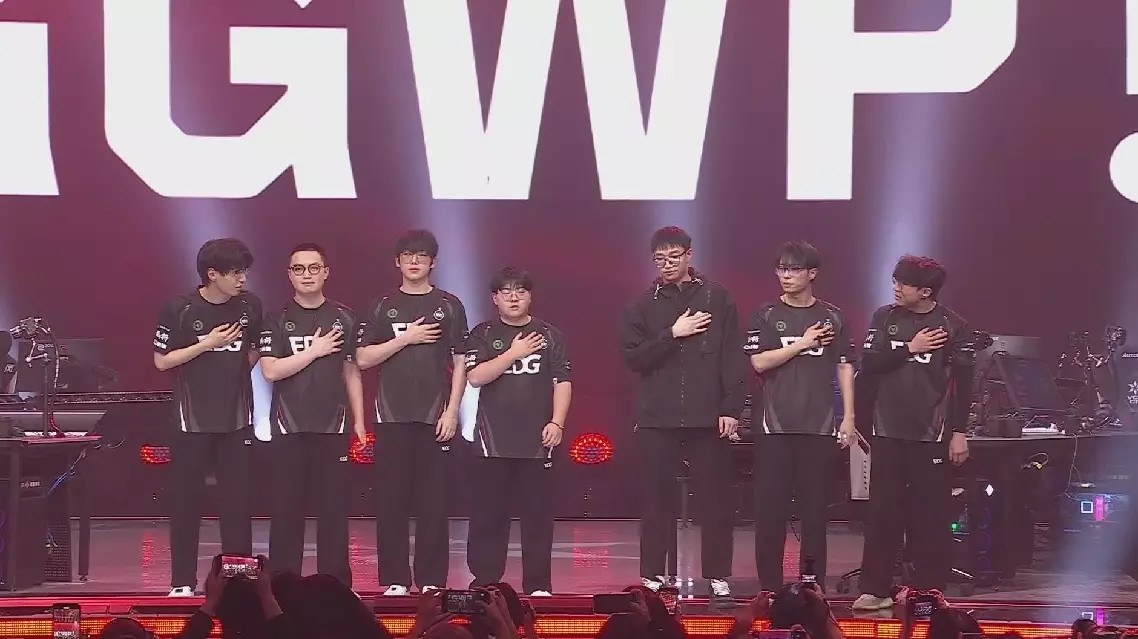
Emerging business models help professional esports players profit