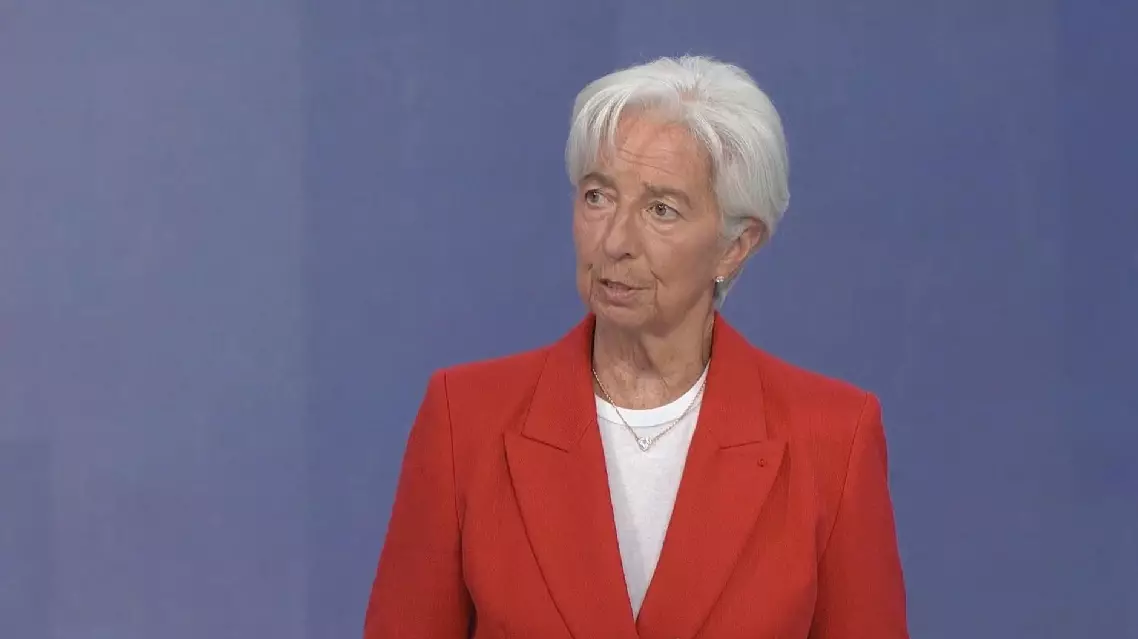
Christine Lagarde, president of the European Central Bank (ECB), on Thursday warned of the uncertainty over the U.S. legislative effort to provide a regulatory framework for stablecoins as the Guiding and Establishing National Innovation for U.S. Stablecoins (GENIUS) Act is currently deliberated by the Senate.
Lagarde made the remark in an interview with China Global Television Network (CGTN) in Beijing, saying the ECB is paying close attention to the GENIUS Act and will work to ensure the security and the safety of its own products.
"I think we have to be mindful of the environment and we are not exactly sure what the outcome of this legislative process is and what level of supervision, guarantee, protection of consumers, requirements of the backup, in particular for stablecoins. We are very attentive to it and we certainly will continue to make sure that our product, the digital euro and our payment infrastructure, will remain secure and safe and over which we have control, and which is probably properly supervised," she said.
The GENIUS Act will provide a regulatory framework for the stablecoins that tied to the U.S. dollars. Stablecoins are a type of cryptocurrency, a virtual asset that is designed to maintain a relatively stable value relative to some asset, usually a currency.
According to the U.S. media reports, the Republicans at the U.S. Senate are currently working to reach a consensus on how to amend the act and are aiming at passing it within this week.
Lagarde warns of uncertainty over US legislative effort to regulate stablecoin
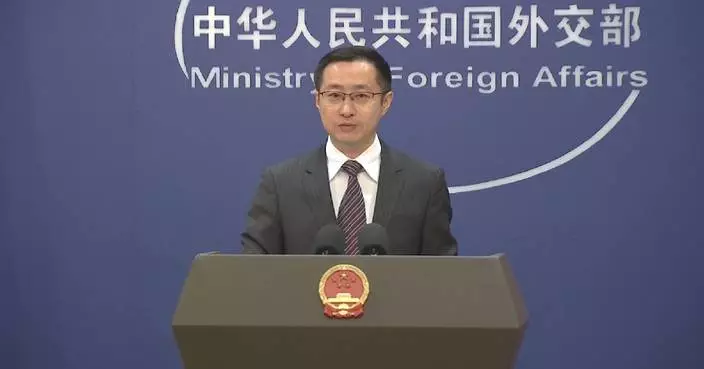
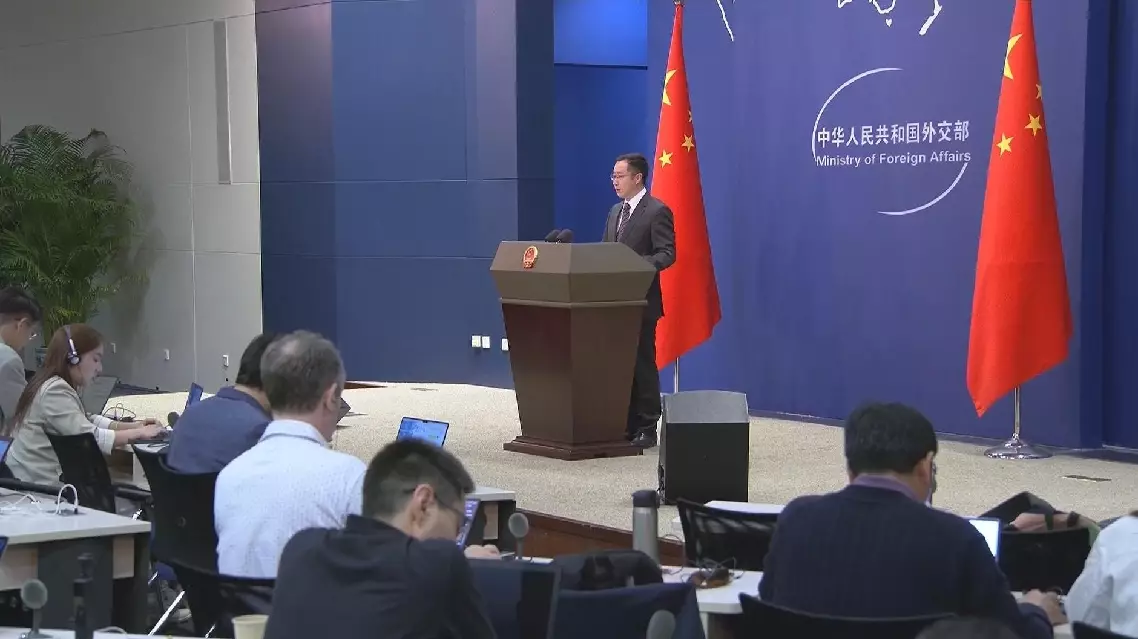
China's development has never been a "threat" to anyone but the source of growth advancing common development of all countries, Foreign Ministry spokesman Lin Jian said at a regular press conference in Beijing on Friday.
Some Western media and think tanks are peddling so-called "China Shock 2.0," saying that "China is achieving fast development in high-tech sectors such as renewable energy and AI and relies on foreign markets to absorb its overcapacity, thus reducing the market share of developed countries and sending more serious shock waves to the global economy compared with the era of traditional manufacture industry," while there are foreign commentators saying that the "China Shock 2.0" argument ignores the genuine innovation occurring within the Chinese industrial ecosystem and that Chinese export is the exact booster of the global economy that is needed in the turbulent period and more indispensable than ever.
Commenting on that, Lin said: "From the world's factory to the world's market and innovation powerhouse, China's development is achieved through strong performance driven by innovation and brings tangible cooperation opportunities and space to the world. High-quality Chinese products represented by the 'old three' of textiles, furniture and home appliances have stabilized the global industrial and supply chain, lowered the living cost of global consumers and eased the inflationary pressure worldwide. China's green production capacity represented by the 'new three' of electric vehicles, batteries and solar panels has bridged the gap between supply and demand in global green development and bolstered the global energy transition and low-carbon development. Moreover, China's high-tech products represented by the 'new new three' of robots, AI and innovative drugs have broken high-tech barriers and monopoly and enabled people in more countries to access affordable new technologies," said the spokesman.
"Openness and cooperation bring about progress and win-win result. China's development has never been a 'threat' to anyone but the source of growth advancing common development of all countries. What really creates 'shocks' to the world has never been the innovation of Chinese companies and efficiency of Chinese industrial capacity, but protectionist moves of setting up barriers, decoupling and severing industrial and supply chains. China will stay committed to high-standard opening up, defend the multilateral trading system and provide more certainty and new impetus to the world economy with its own steady development," said Lin.
China's development never a threat: FM spokesman